Camping for adventure isn't about pulling your RV into a paved site with full hookups. It's the itch to get further, see something raw, and test yourself against the elements. It's waking up to a view no one else has, earned by your own effort. This guide cuts through the fluff and gives you the concrete knowledge to plan a trip that's actually adventurous—safe, memorable, and far from the crowded campgrounds.
I've spent over a decade chasing that feeling, from misty Appalachian Trail mornings to scrambling over scree in the Rockies. I've made every mistake so you don't have to. The biggest one? Assuming a weekend car-camping setup will work for a multi-day backcountry trek. It won't. Let's get into the real stuff.
Your Adventure Awaits: Quick Navigation
How to Choose the Right Gear for Adventure Camping
Your gear list is your lifeline. For adventure camping—think backpacking, canoe camping, or basecamping for peak bagging—every ounce and function matters. Forget the giant family tent.
The Big Three: Shelter, Sleep, and Carry
This is where you invest. Skimp elsewhere if you must.
Backpack: Get fitted at a reputable store like REI. A 65-75 liter pack is the sweet spot for 3-5 day trips. The hip belt should carry 80% of the weight. I learned this the hard way on my first long hike—sore shoulders for days.
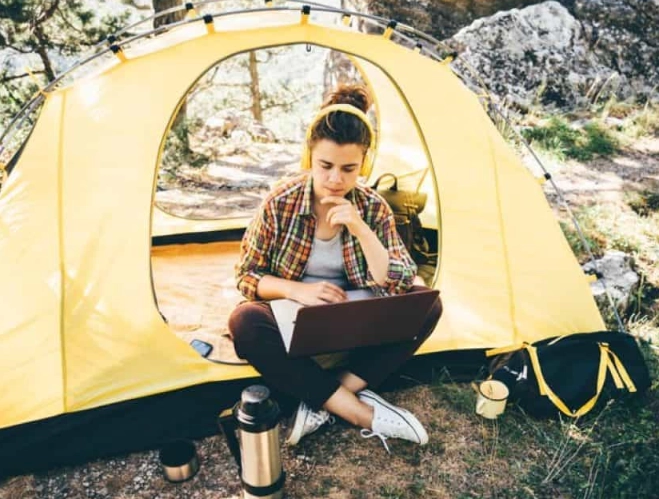
Tent: Look for a lightweight, freestanding 2- or 3-season tent. A popular and reliable model for two people is the Big Agnes Copper Spur HV UL2. It's pricey, but its balance of weight (under 3 lbs), space, and durability is unmatched for the weight. For solo adventurers, a quality one-person tent or even a well-tested trekking pole tent can shave crucial pounds.
Sleep System: Your sleeping bag rating should be at least 10 degrees Fahrenheit lower than the coldest temperature you expect. A 20°F bag is a versatile choice for three-season camping. Pair it with an insulated sleeping pad with an R-value of 3.5 or higher. The Therm-a-Rest NeoAir Xlite is a gold standard for warmth-to-weight ratio.
Clothing and Footwear: The Layer System
Cotton is rotten. It holds moisture and loses insulating power. You need synthetic or merino wool layers.
- Base Layer: Merino wool top and bottom for moisture management.
- Insulating Layer: A lightweight puffy jacket (like Patagonia Micro Puff) for camp.
- Shell Layer: A waterproof and breathable rain jacket and pants. Don't buy the cheapest one; you'll sweat yourself wet from the inside.
- Footwear: This is personal. Trail runners are gaining favor for their light weight and quick drying, but sturdy, broken-in hiking boots still reign for heavy loads or rocky terrain. Whatever you choose, wear them extensively before the trip.
Top Adventure Camping Destinations in the U.S.
Here are three distinct destinations that deliver on the promise of adventure camping. Each requires preparation and a sense of self-reliance.
| Destination | Type of Adventure | Best Time to Go | Key Logistics & Access |
|---|---|---|---|
| The Enchantments, Washington | Alpine Backpacking | Late July - September | Access is via a competitive lottery through Recreation.gov for the Core Zone. Aasgard Pass is a grueling but iconic entry point. No services. Practice Leave No Trace religiously. |
| Boundary Waters Canoe Area Wilderness, Minnesota | Canoe Camping | May - September | Permits required, available from Recreation.gov. Rent canoes from local outfitters like Sawbill Canoe Outfitters. Plan your route across interconnected lakes and portages. Water is drinkable with proper filtration. |
| Big Bend National Park (Backcountry Sites), Texas | Desert Backpacking | October - April | Free backcountry permits required, obtained in person at visitor centers. Sites like the South Rim are first-come, first-served. Carry ALL your water—there is none on trail. Temperatures swing wildly. |
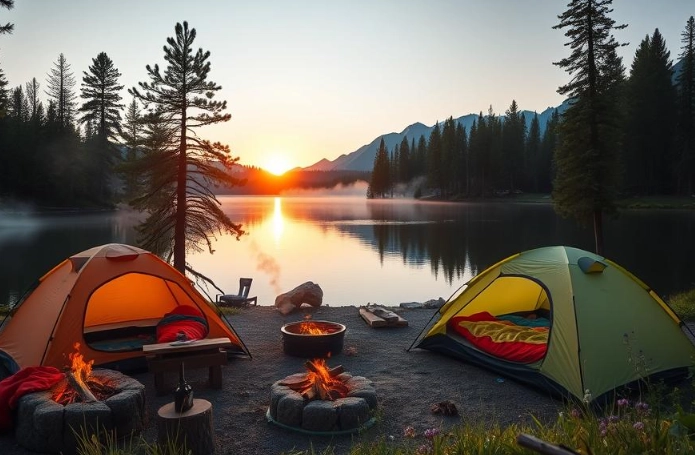
I still remember my first night in the Boundary Waters. The silence was so complete it was loud, broken only by a loon's call. That's the payoff.
Advanced Planning and Wilderness Skills
Gear and location are half the battle. The other half is skill and preparation.
Navigation: Don't Rely on Your Phone
Always carry a detailed paper map and a compass, and know how to use them. A GPS device or app like Gaia GPS is a fantastic tool, but batteries die. Mark your intended route on the map before you go. A common mistake is only looking at the trail, not the surrounding terrain features. If you get turned around, identifying a distant peak or river bend from your map can save you.
Food and Water Strategy
Dehydrated meals from brands like Mountain House or Backpacker's Pantry are the standard. Calculate about 2,500-4,500 calories per person per day. Pack extra. For water, a two-stage system is best: a mechanical filter (like a Sawyer Squeeze or Katadyn BeFree) for protozoa and bacteria, followed by chemical treatment (Aquamira drops) for viruses if you're in an area with potential agricultural or human waste runoff.
Leave your itinerary and expected return time with someone reliable. This simple step is the most important safety measure you can take.
Leave No Trace (LNT)
This isn't just a nice idea; it's a necessity to preserve these wild places. The seven LNT principles, as outlined by the Leave No Trace Center for Outdoor Ethics, are crucial. For adventure camping, focus on:
Plan Ahead and Prepare: We've covered this.
Travel and Camp on Durable Surfaces: Use established campsites. If none exist, camp on rock, sand, or dry grass—never on fragile vegetation.
Dispose of Waste Properly: Pack out ALL trash, including toilet paper. For human waste, dig a cathole 6-8 inches deep at least 200 feet from water, camp, and trails.
Adventure Camping Questions Answered
Can I use my regular car camping gear for a multi-day backpacking adventure?
You can try, but you'll likely have a miserable time. Car camping gear is designed for comfort and space, not weight or packability. A 10-pound cabin tent and a bulky cooler will make a 10-mile hike feel impossible. The weight on your back directly translates to fatigue and risk of injury. It's worth renting or investing in lightweight backpacking-specific gear for any trip where you have to carry everything more than a mile from your vehicle.
What's the one piece of gear most first-time adventure campers forget?
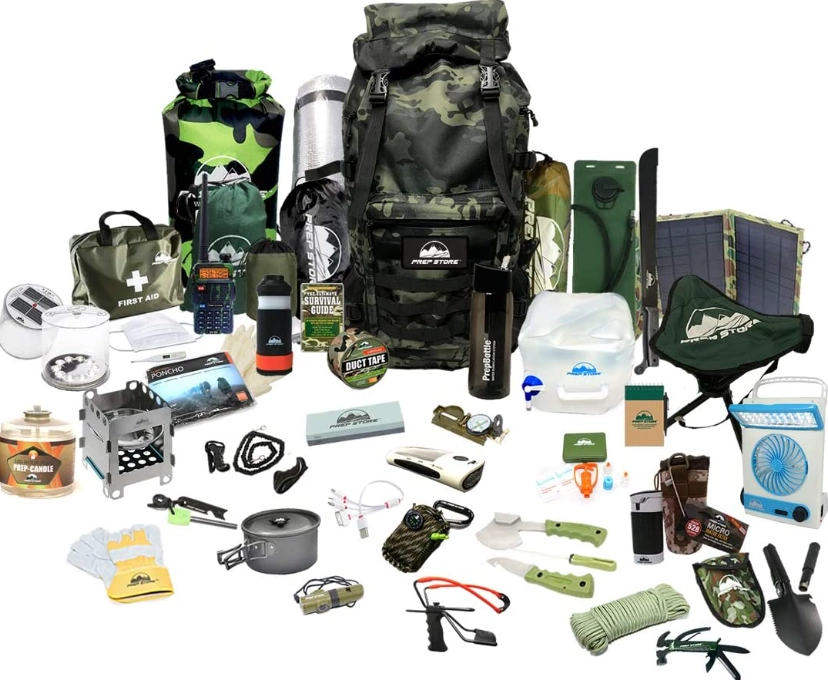
A dedicated repair kit. It's not glamorous, but a small roll of duct tape (wrapped around a trekking pole), a few zip ties, a needle and strong thread, and a multi-tool can salvage a trip. I've patched a torn tent fly in a rainstorm and fixed a broken pack strap miles from the trailhead. It's not just about having it; it's about knowing a few basic fixes before you go.
How do I find truly remote, dispersed camping spots that aren't on popular apps?
Start with public land management agency maps. National Forest (USFS) and Bureau of Land Management (BLM) lands often allow dispersed camping outside of developed sites. Call the local ranger district office—they are an underutilized resource. Ask about general areas, road conditions (a high-clearance vehicle is often needed), and any seasonal restrictions. Study topographic maps for flat areas near water sources (while camping at least 200 feet away). The spot won't have a name or reviews, which is exactly the point.
Is adventure camping safe for solo travelers?
It can be, with heightened preparation. Your margin for error is zero. Skills like navigation and first-aid are non-negotiable. Always share your detailed plan with multiple people and schedule check-ins. Start with shorter, well-traveled trips to build confidence. Personally, I find solo trips incredibly rewarding, but they demand a more conservative mindset. If the weather turns or you feel unsure, turning back is always the right decision. The adventure will be there another day.