Quick Navigation
- Breaking Down the Definitions: What Are We Really Talking About?
- Side-by-Side: A Detailed Comparison
- Who Is Each Style Best For?
- The Gear Divide: What You Actually Need to Bring
- Finding Places to Camp: A Quick Guide
- Common Questions & Misconceptions
- Making the Choice: A Simple Flowchart for Your Brain
- Final Thoughts: It's About the Experience You Want
So you're thinking about spending a night under the stars. That's awesome. But then you start looking at campgrounds and trip reports, and you see these terms getting tossed around: tent camping, primitive camping, car camping, backcountry camping... it can get confusing fast. What do they all mean, and more importantly, which one is right for you?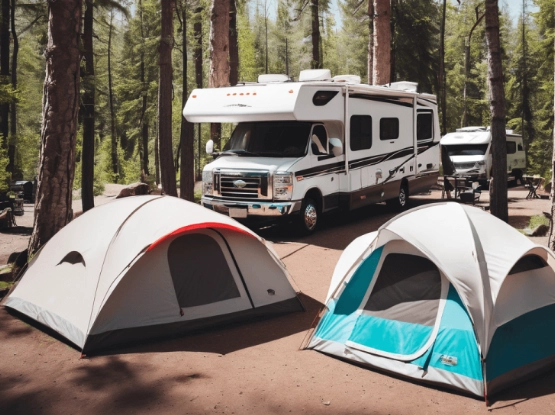
I remember planning my first "real" camping trip years ago. I booked a spot at a popular state park, imagining solitude and nature. I showed up to find my neighbor's radio blasting, a line for the shower house, and a streetlight shining right into my tent. It was fine, but it wasn't the escape I'd pictured. That experience sent me down the rabbit hole of figuring out what else was out there. That's when I truly learned what is the difference between tent camping and primitive camping.
Let's cut through the jargon. At its core, the difference between tent camping and primitive camping boils down to one thing: the level of developed amenities and services provided. But that simple difference cascades into everything—your planning, your gear, your skills, and the entire feel of the trip.
The Core Idea: All primitive camping is a form of tent camping, but not all tent camping is primitive. "Tent camping" is the broad umbrella term for sleeping in a tent outdoors. "Primitive camping" is a specific, stripped-down subset of that experience.
Breaking Down the Definitions: What Are We Really Talking About?
First, let's get our terms straight. People use them loosely, which causes a lot of the confusion.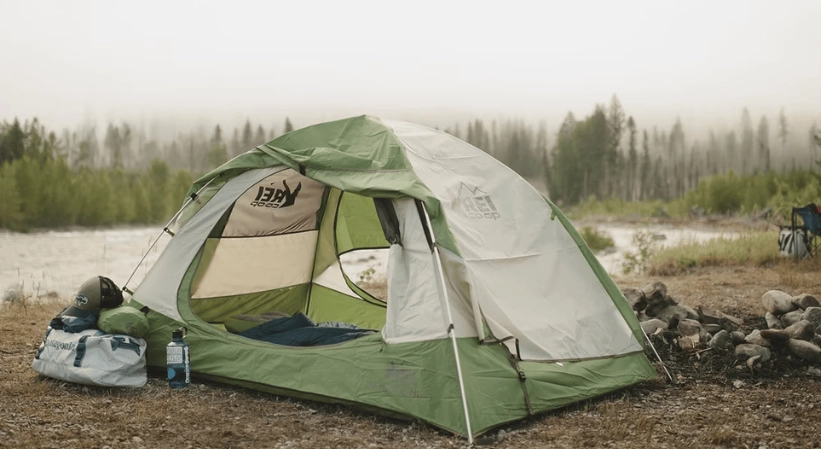
Tent Camping (Often Called Car Camping or Developed Camping)
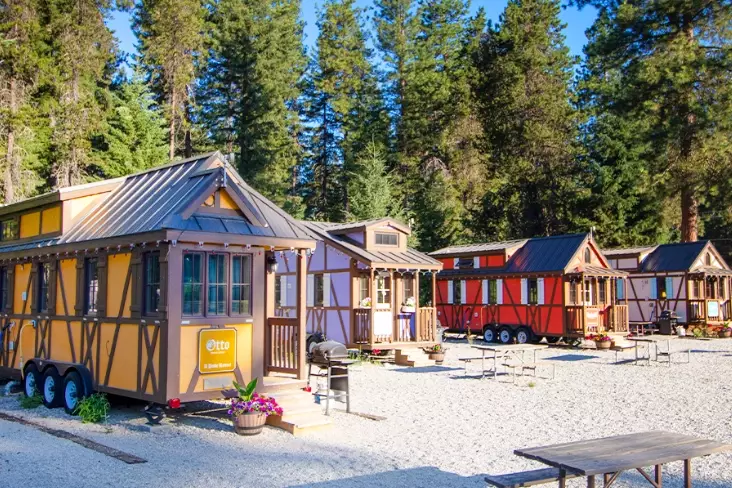
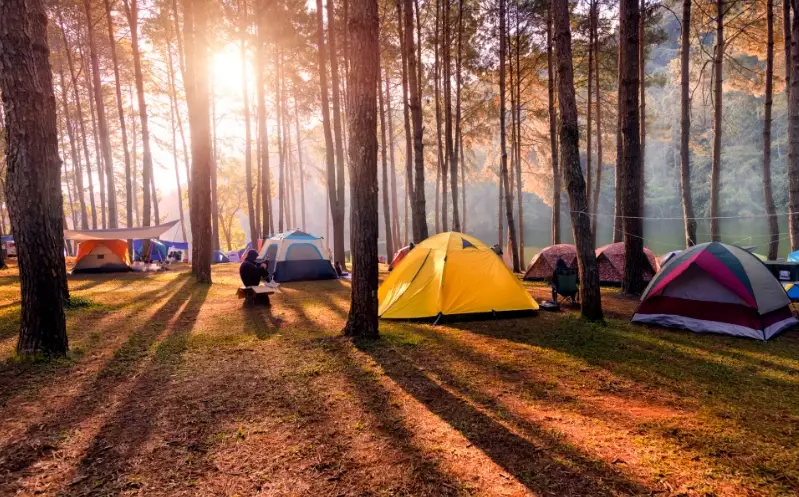
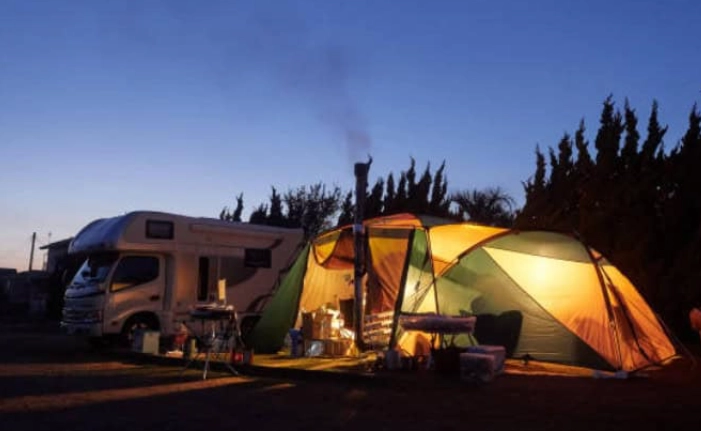
This is what most people imagine when they think of camping. You drive your car to a designated, developed campground. You park at or very near your assigned campsite. The site will typically have a defined tent pad (a cleared, level area), a fire ring or grill, and a picnic table. The real kicker is the shared amenities. These campgrounds have centralized facilities like flush toilets, showers, potable water spigots, and sometimes even laundry or a small camp store. They're managed, often require reservations and a fee, and have a camp host or ranger on site. You're camping, but with a significant safety net and convenience layer.
It's camping with training wheels, and there's absolutely nothing wrong with that.
Primitive Camping (Also Known as Dispersed, Backcountry, or Wilderness Camping)
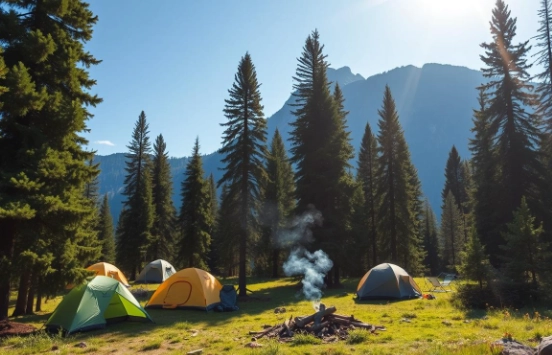
Now we're getting into the wilder side. Primitive camping means camping in areas with little to no developed infrastructure. The U.S. Forest Service, for example, defines it as camping outside of a designated campground, often for free. There is no designated site, no table, no fire ring (unless you find a pre-existing one you can safely use), and definitely no bathrooms or running water. You are responsible for everything: finding a safe, legal spot, managing your waste (hello, cathole toilets), treating all your water, and following strict Leave No Trace principles. The goal is to have minimal impact and be self-sufficient.
You might hike, paddle, or ride to get to these spots. The "primitive" refers to the conditions, not the quality of the experience—which many find to be far richer.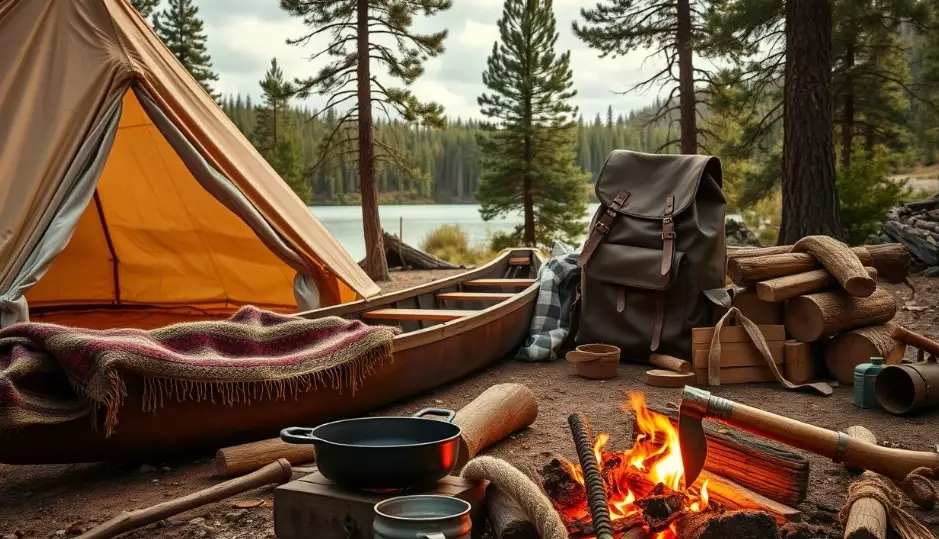
Side-by-Side: A Detailed Comparison
This table lays out the nitty-gritty differences. It's the quick-reference guide I wish I'd had.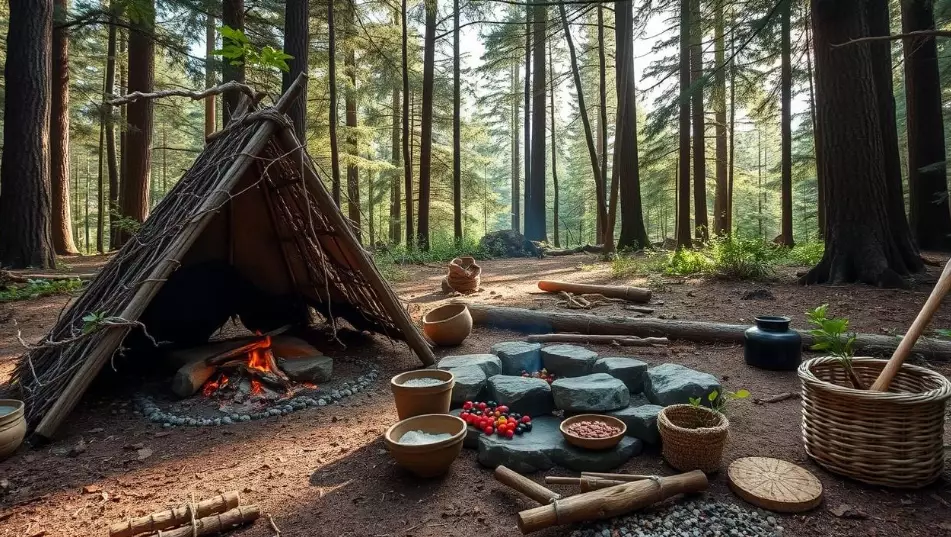
| Feature | Tent Camping (Developed Campground) | Primitive Camping (Dispersed/Backcountry) |
|---|---|---|
| Location & Access | Designated, numbered campsites within a managed campground. Access is almost always via car, parking right at the site. | Undeveloped areas, often in National Forests or BLM land. Access requires hiking, paddling, or off-road driving to a non-designated spot. |
| Cost & Reservations | Usually requires a fee ($15-$50/night). Often needs advance reservations, especially in peak season. | Typically free or very low cost. Usually first-come, first-served. Some areas may require a free permit (like many Wilderness Areas). |
| Water Source | Potable water available at shared spigots or faucets in the campground. | No provided water. You must find a natural source (lake, river, spring) and treat all water yourself (filter, chemical, boil). |
| Bathroom Facilities | Shared vault toilets, flush toilets, or shower houses. | No facilities. You must use a "cathole" dug 6-8 inches deep, at least 200 feet from water, trails, and camp. Pack out all toilet paper in fragile environments. |
| Fire Policy | Provided metal fire rings or grills. Campfires are usually allowed unless there's a fire ban. Firewood may be available for purchase. | Fires are not guaranteed. You must use a pre-existing fire ring if present, or consider a portable stove. Strict fire bans are common. You must gather dead and downed wood only (if allowed). |
| Skill Level Required | Beginner-friendly. Minimal survival skills needed due to proximity to car and help. | Intermediate to Advanced. Requires navigation, water treatment, waste management, and self-rescue awareness. |
| Crowds & Privacy | Can be crowded, especially on weekends. Sites are close together. Limited privacy. | High potential for solitude and privacy. You choose your spot away from others. |
| Gear Requirements | Car camping gear: larger tent, cooler, camp chairs, heavy comforts. Weight is not an issue. | Backpacking gear: lightweight, compact essentials. Every ounce matters. Must include water treatment, repair kit, detailed map. |
| Regulations & Permits | Campground-specific rules (quiet hours, pet leash rules, etc.). | Land agency rules (USFS, BLM, NPS). May require free self-issue permits. Strict Leave No Trace ethics are mandatory. |
Looking at that table, the trade-offs become pretty clear. Convenience and community versus solitude and self-reliance. Paying for amenities versus earning your spot with sweat and skill.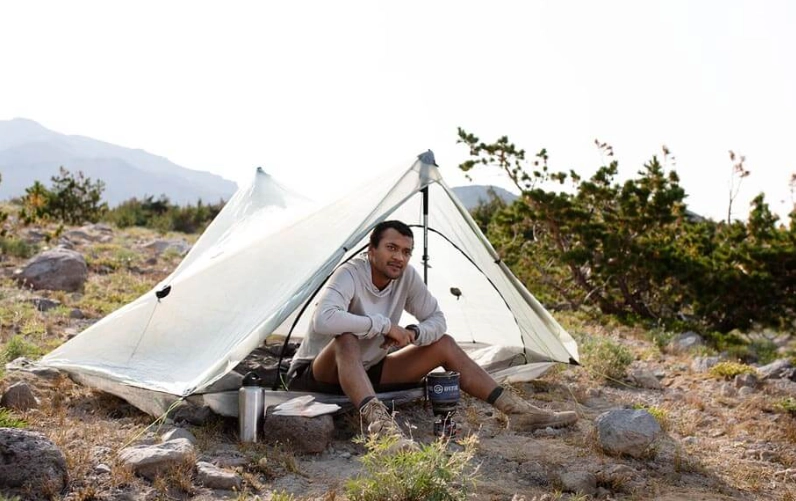
Who Is Each Style Best For?
This isn't about one being "better." It's about what fits your life, your group, and your goals for the trip.
Choose Tent Camping at a Developed Campground If...
- You're a first-time camper or camping with young kids. The safety net is priceless.
- You value convenience and want to bring lots of comforts (big tent, air mattress, camp kitchen, cooler full of food).
- You want easy access to your car for day trips to nearby attractions.
- You prefer having facilities like real toilets and running water.
- You're social and don't mind (or even enjoy) the campground atmosphere.
- Your trip is more about the destination (e.g., camping near a national park) than the camping itself.
Choose Primitive Camping If...
- You seek true solitude and quiet, away from crowds and noise.
- You enjoy the challenge of self-sufficiency and practicing outdoor skills.
- You're on a tight budget (free camping!).
- You have intermediate hiking/outdoor skills and are comfortable with map and compass or GPS.
- You want a deeper sense of connection with the natural environment, with minimal human impact.
- You're willing to invest in lighter, more technical gear (or are okay with carrying heavier loads).
- You want to explore areas far from road-accessible campgrounds.
It's not about being a hardcore survivalist. It's about wanting a different flavor of experience.
The Gear Divide: What You Actually Need to Bring
This is where the rubber meets the trail. Your packing list changes dramatically based on your answer to "what is the difference between tent camping and primitive camping?"
The Tent Camping (Car Camping) Gear List
Think comfort and volume. Your car is your gear shed.
- Tent: Size doesn't matter much. A big 6-person cabin tent? Go for it.
- Sleeping: Thick foam pads, large air mattresses, bulky sleeping bags, even real pillows.
- Kitchen: Two-burner propane stove, large cooler with ice, full set of pots/pans/plates, a big water jug to fill at the spigot.
- Extras: Camp chairs, folding table, lanterns, sun shelter, rug for the tent door... you get the idea.
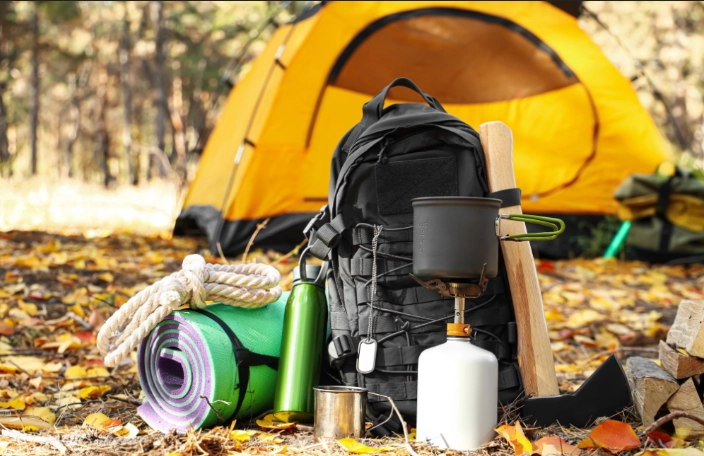
The Primitive Camping (Backpacking) Gear List
Think weight, multi-use, and necessity. Every item is scrutinized.
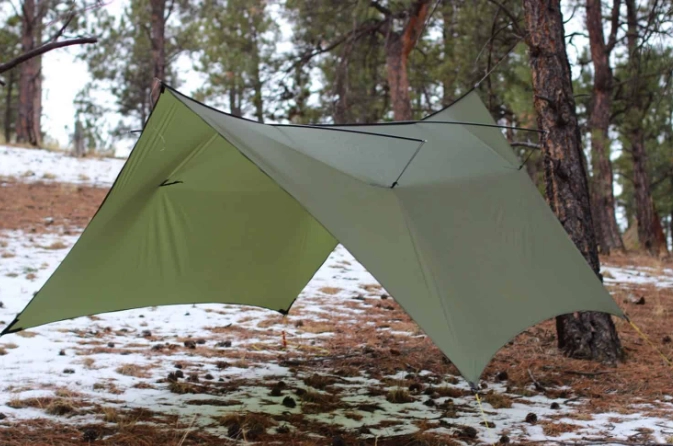
- Tent: Lightweight, compact backpacking tent (or a hammock/tarp system).
- Sleeping: Inflatable sleeping pad with a high R-value, down or synthetic sleeping bag rated for expected lows, stuff-sack pillow.
- Kitchen: Small canister stove, single pot, spork, dehydrated meals. Water filter/purifier is non-negotiable (I like the Sawyer Squeeze).
- Navigation & Safety: Detailed topographic map, compass (and knowing how to use them), GPS/phone with offline maps, headlamp, first-aid kit, repair kit, emergency communication device (like a Garmin inReach) for remote trips.
- Waste Management: Trowel for digging catholes, zip-lock bags for packing out TP, bear canister or bag if in bear country.
Pro Tip: You can dip your toes into primitive camping without buying all new gear. Do an overnight at a "walk-in" tent site at a state park. These are often 100-500 yards from the parking lot, giving you a taste of carrying your gear for distance without full backcountry commitment.
Finding Places to Camp: A Quick Guide
For Developed Tent Camping: Use sites like Recreation.gov (for federal lands) or state park reservation systems. Book early, especially for summer weekends.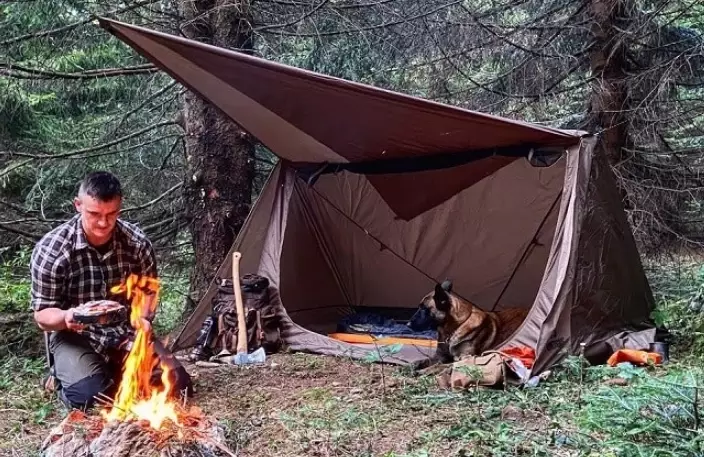
For Primitive Camping: This takes more legwork. Your best bets are:
- National Forests (USFS) and Bureau of Land Management (BLM) Land: These agencies generally allow dispersed camping anywhere unless specifically posted otherwise. Always check the specific forest or district website for rules. For example, the Arapaho & Roosevelt National Forests website has detailed dispersed camping guidelines.
- National Parks: Usually require backcountry camping in designated zones with a permit. It's more regulated but offers incredible scenery. Info is on each park's website (e.g., Rocky Mountain National Park's wilderness camping page).
- State Lands: Some state forests and wildlife management areas allow primitive camping. Rules vary wildly, so research is key.
Critical: Always, always check the official land management website for the most current regulations, fire restrictions, and permit requirements before you go. Rules change with conditions.
Common Questions & Misconceptions
Let's tackle some of the specific questions that pop up when people are trying to understand the difference between tent camping and primitive camping.
"Is primitive camping the same as backpacking?"
Mostly, but not always. Backpacking implies hiking a distance with your gear on your back to camp. Primitive camping can sometimes be accessed by a high-clearance vehicle on a forest service road (often called "dispersed car camping"). If you're hiking in, you're backpacking. If you're driving to a raw piece of land, it's still primitive, but not necessarily backpacking.
"Which one is safer?"
Developed campgrounds are objectively safer in terms of access to help, defined risks, and proximity to your car for evacuation. Primitive camping carries more inherent risk: remoteness, wildlife encounters, navigation errors, and self-reliance for injuries. This doesn't make it dangerous, but it requires greater preparation, knowledge, and risk mitigation. Tell someone your detailed plans.
"Can I have a campfire while primitive camping?"
Maybe. This is the #1 rule to check before you go. Fire restrictions are common, especially in the western US. Even if allowed, you must use extreme caution, keep it small, use existing rings, and ensure it's dead out (cold to the touch) before leaving. Many seasoned primitive campers skip fires altogether to minimize impact and risk.
"Do I need a special permit for primitive camping?"
It depends entirely on the land. In most National Forests for general dispersed camping, no. In designated Wilderness Areas, often a free self-issue permit is required at the trailhead. In National Parks, you almost always need a paid/permit for backcountry sites. Never assume it's free and open—verify.
"What's the biggest mistake beginners make when trying primitive camping?"
Two things: underestimating water needs and overestimating their fitness. You need a solid plan for where and how you'll get water (and treat it). And carrying a 40-pound pack 5 miles over hills is a different beast than a day hike. Start with a short, easy overnight close to a water source.
Making the Choice: A Simple Flowchart for Your Brain
Still stuck? Ask yourself these questions in order:
- Is this my first few times camping, or am I with very young children? → Go with Developed Tent Camping.
- Do I want to bring lots of food, drinks, and comforts (chairs, big tent, cooler)? → Go with Developed Tent Camping.
- Is my primary goal deep solitude and feeling "away from it all"? → Lean heavily towards Primitive Camping.
- Am I comfortable with map reading, treating water, and handling my own waste responsibly? If no, stick with Developed Camping for now and build skills.
- Am I willing to carry everything I need on my back (or in my kayak) for a mile or more? If yes, Primitive/Backcountry is calling.
You can always mix and match. Many outdoorsy people do both regularly, choosing the style based on the trip's goal, season, and companions.
Final Thoughts: It's About the Experience You Want
I've had miserable nights in crowded, noisy campgrounds where I couldn't wait to leave. I've also had terrifying nights in the backcountry during sudden storms, questioning all my life choices. I've also had magical times in both settings. The setting doesn't guarantee the experience; your preparation and mindset do.
If you've only ever done one, I strongly encourage you to try the other. The contrast will teach you more about what you value in the outdoors than any article can. The regimented order of a state park campground can be deeply comforting. The utter freedom and responsibility of a ridge-top dispersed site can be profoundly empowering.
So, which one is for you? Maybe the real answer is to grab your gear—the appropriate gear for your choice—and go find out. The woods, the mountains, the deserts, they have a way of making the differences clear, and the joys unique to each style abundantly obvious.
Just remember to check those fire restrictions, pack out your trash, and look up at the stars. However you get there, that part never gets old.