Your Camping Food Roadmap
Let's be real, camping food has a reputation. For some, it's synonymous with bland canned beans and mystery meat sausages. I get it. I've been there, staring into a cooler on day three, wondering if I can survive on trail mix alone. But it doesn't have to be that way. Good camping food is the difference between just surviving your trip and absolutely thriving in the outdoors.
Think about it. After a long day of hiking, setting up camp, or just breathing in that fresh air, what you eat becomes a central part of the experience. A satisfying meal by the fire isn't just fuel; it's a reward, a moment of comfort, and a memory in the making.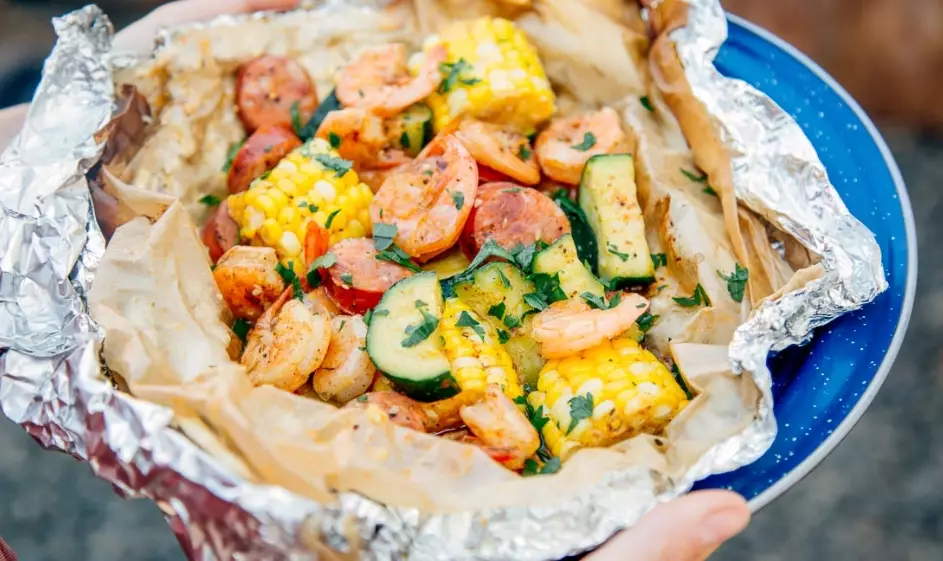
So, whether you're a car camping gourmet with a full kitchen setup or a backpacker counting every ounce, this guide is for you. We're going to strip away the complexity and talk about real, practical camping food ideas that work.
Planning Your Camping Meals: The Foundation
Jumping straight to recipes is tempting, but a little planning saves a ton of stress later. The best camping food starts with a good plan.
First, ask yourself a few questions. How many people are you feeding? How many days are you out for? What's your activity level? A weekend of fishing by a lake requires different energy than a multi-day backpacking trip through the mountains. Also, what's your cooking setup? A two-burner propane stove offers way more options than a single backpacking stove.
My personal rule? For every fancy meal I plan, I make sure I have one dead-simple, no-cook backup. Weather changes, stoves fail, and sometimes you're just too tired. Having a backup plan (like wraps or pre-cooked grains) is a lifesaver.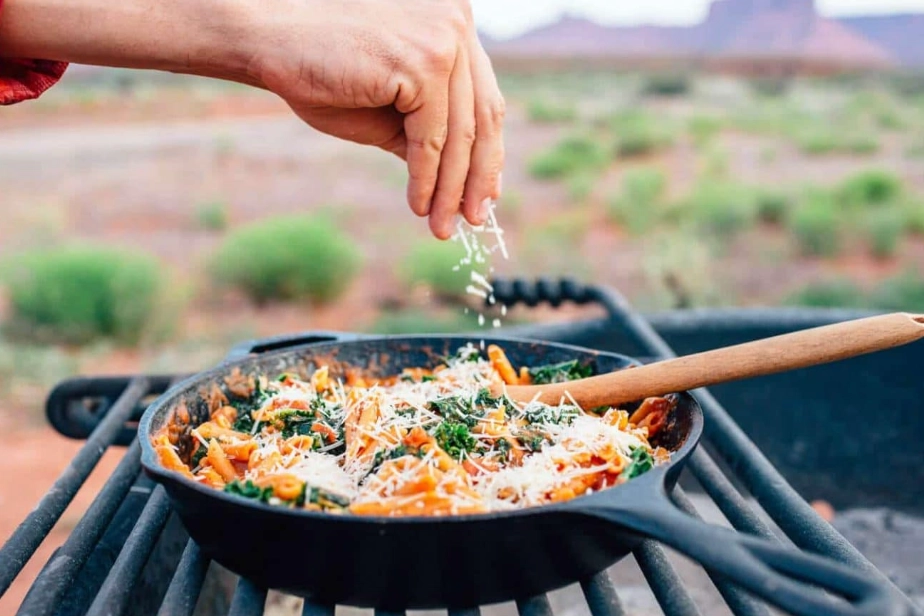
Essential Camping Food Categories to Pack
Building your camping pantry is easier when you think in categories. Here’s what I always try to have a mix of:
- The No-Cook Lifesavers: Think tortillas, bagels, hard cheeses (like cheddar or parmesan), summer sausage, nut butters, hummus, carrots, apples, bananas, and pre-cooked hard-boiled eggs. These are perfect for lunches or when cooking isn't an option.
- The Lightweight Staples: For backpackers, this is gold. Instant oatmeal, dehydrated meals (more on those later), couscous (it cooks so fast!), ramen noodles, powdered milk, and electrolyte drink mixes.
- The Flavor Makers: This is where your camping food goes from meh to amazing. Small containers of olive oil, salt, pepper, garlic powder, chili flakes, and a favorite all-purpose seasoning blend. A small bottle of hot sauce or soy sauce can work miracles.
- The Hearty Foundations: Pasta, instant rice, quinoa, canned beans (chickpeas, black beans), and lentils. These form the base of countless filling dinners.
Easy & Delicious Camping Food Ideas
Alright, let's get to the good stuff. Here are some tried-and-true ideas, broken down by meal.
Breakfast: Fuel for the Day
You want something fast, energizing, and minimal on cleanup.
Oatmeal Bar: Instant oats are a classic for a reason. Bring individual packets or a larger container. The fun part is the toppings. Pre-bag small portions of nuts (almonds, walnuts), dried fruit (cranberries, chopped apricots), chia seeds, and brown sugar. Everyone can customize their bowl.
Breakfast Burritos (Pre-Made): This is a game-changer for car camping. Scramble eggs at home with some diced peppers and onions. Cook some sausage or bacon. Let everything cool, then assemble burritos in large tortillas with cheese. Wrap each burrito tightly in foil. At camp, just warm them in the foil over the fire or on a grate. Zero morning mess.
No-Cook Option: Greek yogurt cups or tubes with a granola bar and a piece of fruit. Simple, nutritious, and ready in seconds.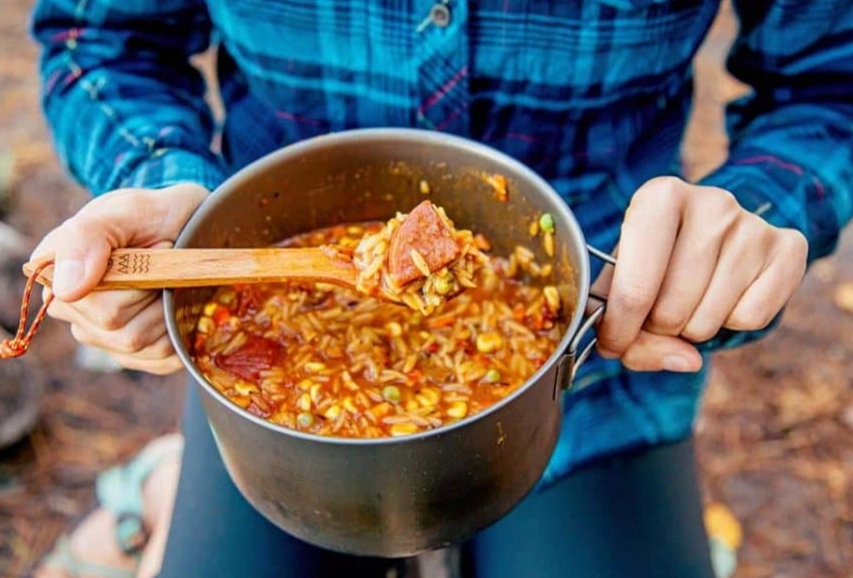
Lunch: Keep It Moving
Lunch is often on-the-go. You need food that packs easily and doesn't require a full kitchen setup.
The Ultimate Wrap: Tortillas are the unsung heroes of camping food. They don't get squished like bread. Spread with hummus or cream cheese, add slices of turkey, pepperoni, or pre-cooked chicken, throw in some spinach or kale (heartier than lettuce), and maybe some cheese. Roll it up and you're done.
Pita Pockets: Similar idea. Stuff pitas with tuna or chicken salad (make it at home in a sealed container).
Snack Lunch: Sometimes a formal meal isn't needed. A combination of beef jerky, cheese cubes, crackers, nuts, and dried fruit—often called "adult lunchables"—is incredibly satisfying and requires zero prep.
Dinner: The Main Event
This is where camping food gets fun. You have more time, and a hot meal feels deserved.
| Meal Idea | Best For | Key Ingredients & Tips |
|---|---|---|
| One-Pot Pasta | Car Camping, Family Trips | Pasta, jarred marinara, pre-cooked meatballs or sausage. Cook pasta, drain most water, add sauce and meat to heat through. Minimal dishes! |
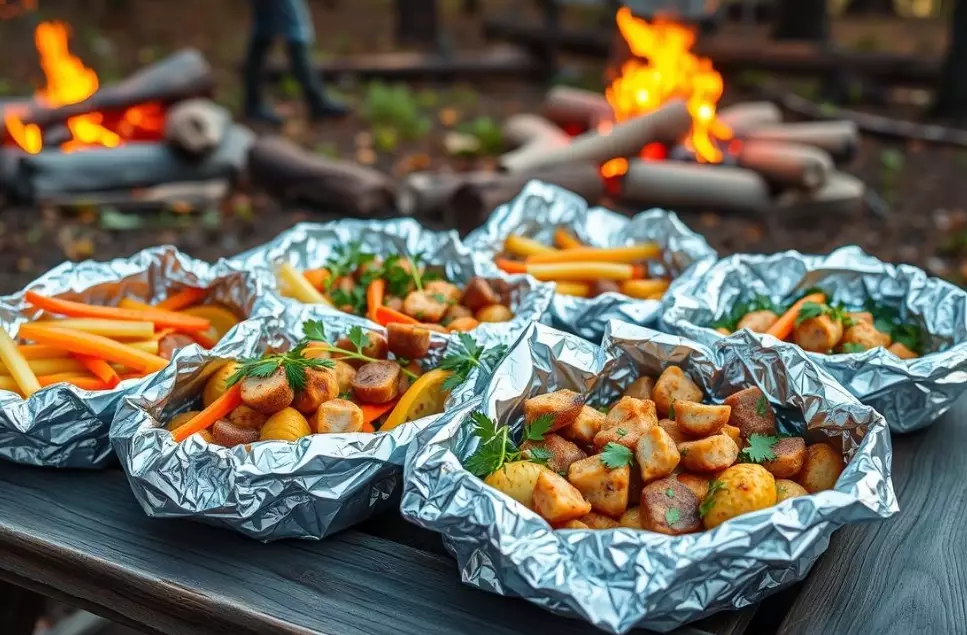
| Foil Packet Dinners | Campfire Cooking, Easy Cleanup | Chicken breast or fish fillet, sliced potatoes, carrots, onions. Season, drizzle with oil, seal in heavy-duty foil. Cook on coals for 20-30 mins. Flip once. |
| Hearty Chili or Stew | Car Camping, Cold Weather | Make a big pot at home, freeze it solid in a container. It acts as extra ice in your cooler and is ready to reheat for a first-night feast. |
| Backpacker's Gourmet Couscous | Backpacking, Lightweight | Couscous, dehydrated veggies, a packet of chicken or tuna, seasoning. Just add boiling water to the pot, wait 5 mins, fluff, and stir in the protein. |
Foil packets are my personal favorite for a hassle-free camping dinner. You can prep them at home, they cook evenly, and you just throw the foil away after. Just make sure you get the heavy-duty kind so they don't tear.
The Backpacking Food Deep Dive
Choosing camping food for the backcountry is a different beast. Every gram counts, and you need maximum calories for minimum weight and volume.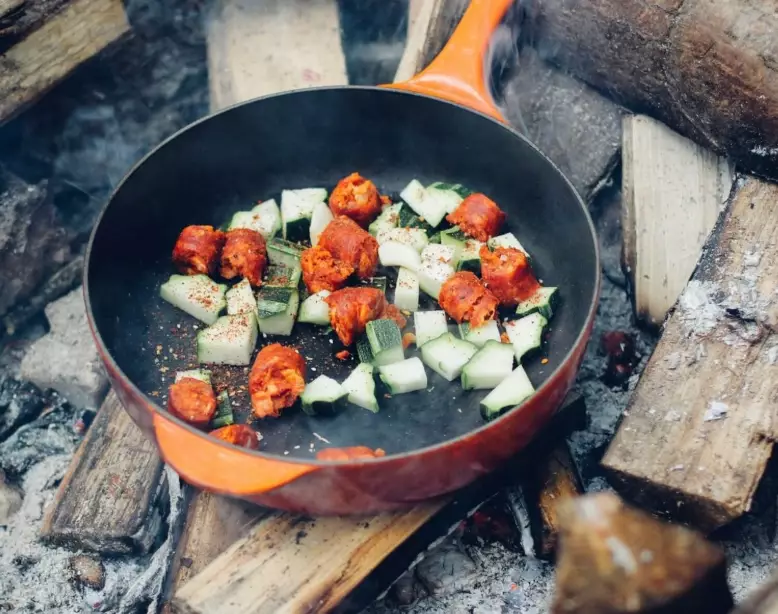
Dehydrated & Freeze-Dried Meals: These are the go-to for a reason. Brands like Mountain House and Backpacker's Pantry have come a long way. The texture can sometimes be a bit... uniform, but the flavors are generally decent, and the convenience is unmatched. Just add boiling water, wait, and eat from the bag. No dishes. I always pack one extra dinner, just in case.
DIY Dehydrating: If you're serious about backpacking food, a home dehydrator opens up a world of possibilities. You can make your own chili, spaghetti sauce, fruit leather, and even dehydrated yogurt drops. It's more work upfront, but you control the ingredients, sodium, and cost.
Calorie Density is King: Look for foods high in healthy fats and complex carbs. Nuts, nut butters, olive oil (add a splash to every dinner for easy calories), chocolate, and hard cheeses are your friends. A classic backpacker lunch is a tortilla smeared with peanut butter and honey, wrapped around a Snickers bar. It sounds weird, but the mix of protein, fat, and sugar is perfect on the trail.
Food Storage & Safety: Non-Negotiables
This might be the most important part of this whole guide. Bad camping food planning can lead to spoiled meals or, worse, attracting wildlife.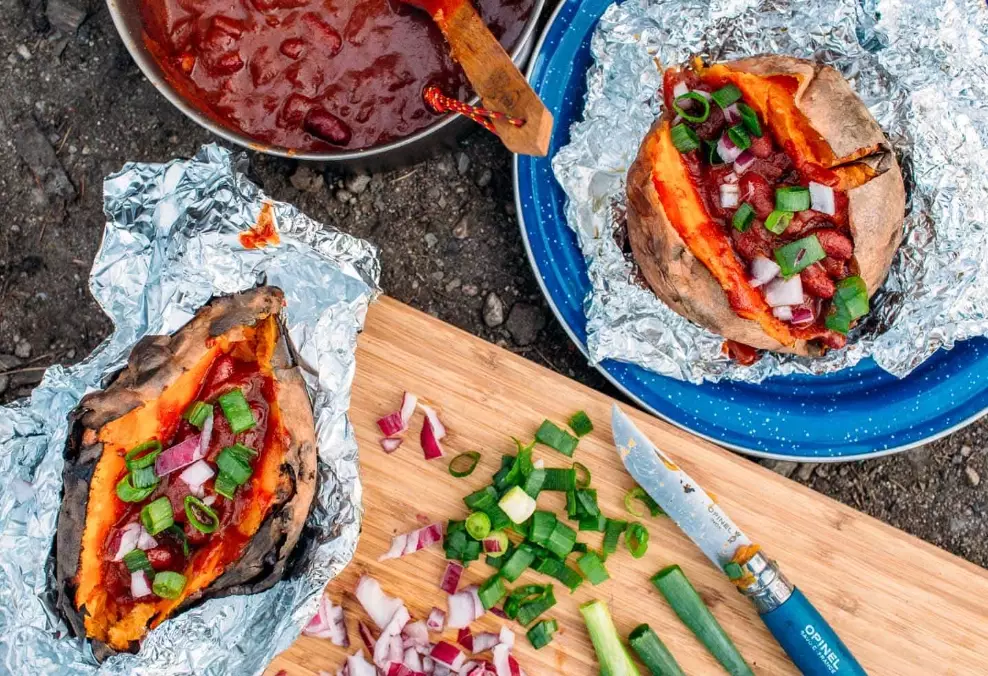
Keeping Your Food Safe (From Bears and More)
If you're in bear country, this isn't optional. All your food, trash, toiletries (toothpaste, deodorant, sunscreen), and even dirty cookware need to be stored properly.
- Hard-Sided Bear Canisters: Required in many national parks like Yosemite and Sequoia. They're bulky but foolproof. You can rent these at many outdoor stores or park entrances.
- Bear-Proof Storage Lockers: Many drive-in campgrounds provide these metal boxes at each site. Use them.
- Proper Hanging: If canisters aren't required, the classic method is a bear hang. The goal is to hang your food bag at least 10 feet off the ground and 4 feet away from any tree trunk. It's harder than it looks. Practice at home. The U.S. Forest Service has excellent, region-specific guidelines on food storage requirements.
Even in areas without bears, raccoons, mice, and squirrels are professional food thieves. Never, ever keep food or scented items in your tent.
Cooler Management 101
For car camping, a well-managed cooler is your refrigerator. Here's how to make it last.
- Pre-Chill Everything: Cool down your cooler and all your drinks/food for 24 hours in your home fridge before packing.
- Use Block Ice: Block ice melts much slower than cubed ice. Use gallon-sized jugs of water (frozen solid) as your primary ice blocks. As they melt, you have drinking water.
- Pack in Order: Put the block ice on the bottom. Pack items in reverse order of use—things for day 4 go in first, right on the ice. Day 1 items go on top. This minimizes rummaging.
- Keep it Closed & Shaded: Every time you open it, cold air escapes. Know what you need before you open it. Keep the cooler in the shade, covered with a blanket or sleeping bag for extra insulation.
Check the USDA's guidelines for safe internal temperatures if you're cooking meat. A small digital thermometer is a wise investment for any camping kitchen.
Answering Your Camping Food Questions
Wrapping It Up: Your Camp Kitchen Checklist
Before you head out, run through this quick mental list. Good camping food is more than just the ingredients.
- Stove & Fuel: Test your stove before you go. Do you have enough fuel?
- Cookware: One pot, one pan, a kettle for boiling water. A good spatula and a long-handled spoon.
- Cleaning Supplies: Biodegradable soap, a small scrubby, a towel. A collapsible sink or basin makes washing easier.
- Water System: How are you getting clean water for drinking and cooking? Filter, purification tablets, or large jugs?
- Storage: Zip-top bags in various sizes, reusable containers, and your bear-proof storage solution.
- The Little Things: Can opener, bottle opener, sharp knife, cutting board, lighter/matches, headlamp (for cooking in the dark).
Planning your camping food might seem like a chore, but it's one of the most rewarding parts of trip prep. It's the difference between dreading mealtime and looking forward to it. It turns a basic necessity into a highlight of your day outdoors.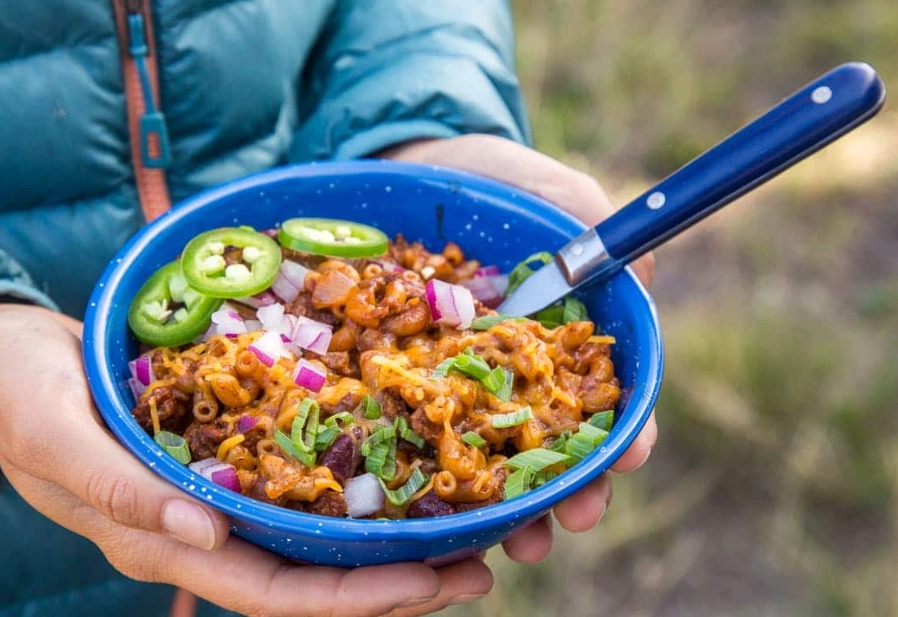
Start simple, focus on foods you already like to eat, and give yourself grace. Your first campfire meal might not be perfect, but it'll taste better than any five-star restaurant meal because you made it, right there, under the sky. That's the real magic of camping food.
Now get out there and eat well.