Let's clear something up. Cheap camping isn't about suffering with a flimsy tent and cold beans. It's about smart resource allocation. After a decade of nights under the stars on a tight budget, I've learned the difference between being cheap and being frugal. One leads to miserable, wet nights and wasted money. The other leads to more adventures.
The core idea is simple: redirect funds from unnecessary costs towards experiences and reliable gear that lasts. We're cutting the fat, not the muscle.
Your Quick Guide to Cheap Camping
The Holy Grail: Finding Free Campsites
This is where you save the most money instantly. Forget the $35-a-night private campground. Public lands are your best friend.
Dispersed Camping in National Forests and BLM Land
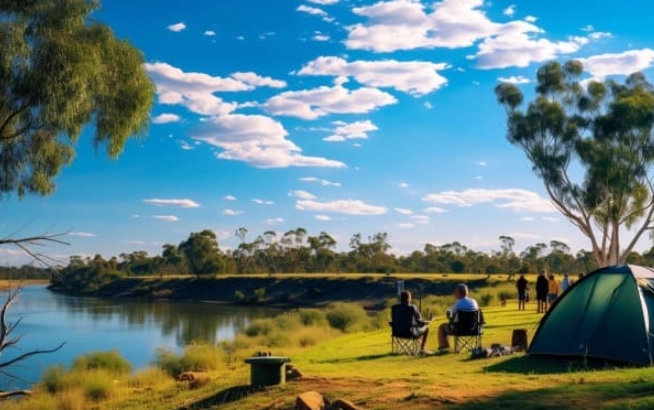
The Bureau of Land Management (BLM) and the U.S. Forest Service manage millions of acres where dispersed camping (camping outside designated sites) is often free. I spent a week in Utah's Manti-La Sal National Forest without paying a cent. The rules are simple: camp at least 100-200 feet from water and roads, leave no trace, and stay within the allowed time limit (usually 14 days).
You need to be self-sufficient. No toilets, no trash cans, no water spigots. That's the trade-off.
Established But Affordable Campgrounds
If you need amenities, target campgrounds run by state parks, the Army Corps of Engineers, or county parks. They're often half the price of private KOA-style sites. A basic site at a Michigan state park might be $20, while a similar private site is $45.
Go in the off-season. That $20 site might drop to $15, and you'll have the place to yourself.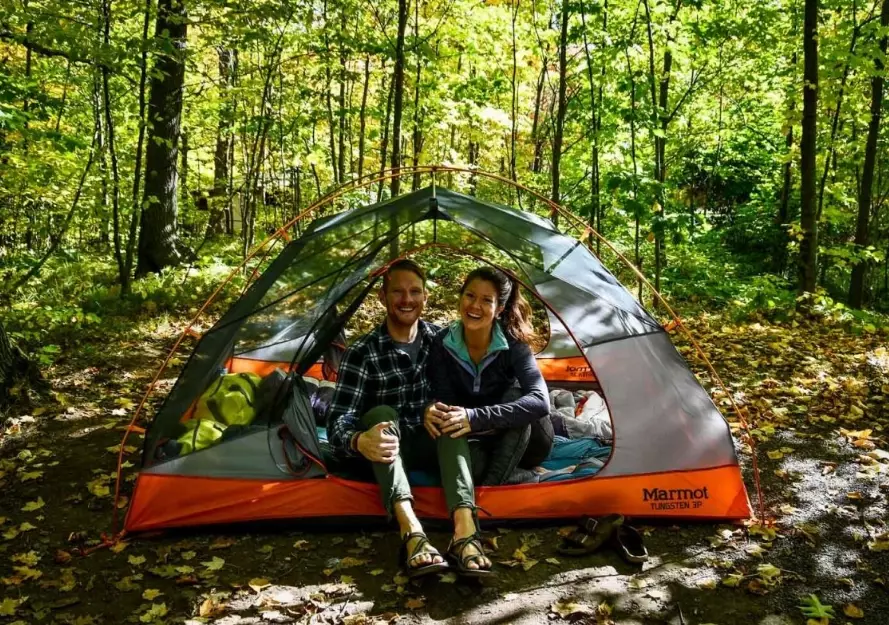
Gear Strategy: Borrow, Buy Smart, or Go Without
Gear is the trap. Walk into a big-box store and you'll see a wall of cheap, colorful tents. Resist.
My philosophy is the Borrow First, Buy Forever rule. Before you spend a dollar, try to borrow these items from a friend: backpack, tent, sleeping bag, stove. Use them once. You'll learn what you actually like and need.
When you buy, focus on the Big Three: Shelter, Sleep System, Pack. Here's a realistic budget breakdown for a solo backpacker, avoiding the cheapest junk and the premium brands.
| Item | Budget-Friendly Pick (Example) | Why It's a Smart Cheap Choice |
|---|---|---|
| Tent | 3-Season Freestanding (e.g., Alps Mountaineering Lynx) | Freestanding is easier for beginners. A reputable budget brand offers better weather protection than a no-name tent. Look for sales on last year's models. |
| Sleeping Bag | Synthetic Fill, Rated 10°F lower than you expect | Synthetic is cheaper, still insulates when wet (a real risk). A 30°F bag is versatile for three-season use. Don't buy a summer bag for spring/fall. |
| Backpack | Fitted at a store, 50-65 Liters | The most personal item. An ill-fitting pack ruins trips. Go to REI, get measured, try on loaded packs. Then look for that model used or on sale. |
| Sleeping Pad | Closed-cell foam (e.g., Therm-a-Rest Z-Lite) | The undisputed king of cheap, durable, and reliable. It never punctures. It's bulky, but it's a workhorse. Inflatable pads are a luxury for later. |
For cooking, a simple canister stove like the BRS-3000T is under $20 and boils water fast. Use your existing pot from the kitchen.
Here's the non-consensus view: Your first big purchase should be a quality sleeping pad, not a fancy tent. A good night's sleep is non-negotiable. A cold, sleepless night will make you hate camping, wasting all your previous investment.
Eating Well on a Budget
Forget expensive freeze-dried meals. A Mountain House meal is $10. You can eat for a whole day on that.
Shop the grocery store aisles with a backpacker's eye.
Breakfast: Bulk oatmeal, powdered milk, a handful of trail mix thrown in. Costs pennies.
Lunch: Tortillas are indestructible. Spread with peanut butter, add a squeeze packet of honey, maybe some banana chips. Or wrap them around a packet of chicken.
Dinner: This is where you get creative. A block of ramen is $0.50. Jazz it up: while the noodles cook, add a spoonful of peanut butter, a dash of soy sauce, and a packet of tuna. You've got a hearty, salty, calorie-bomb for under $3.
Instant mashed potatoes are a fantastic base. Add a chopped summer sausage and some cheese.
My personal staple? Couscous. It cooks in 5 minutes with just hot water. Mix in a bouillon cube, some dried veggies, and olive oil. It's light, fast, and incredibly cheap.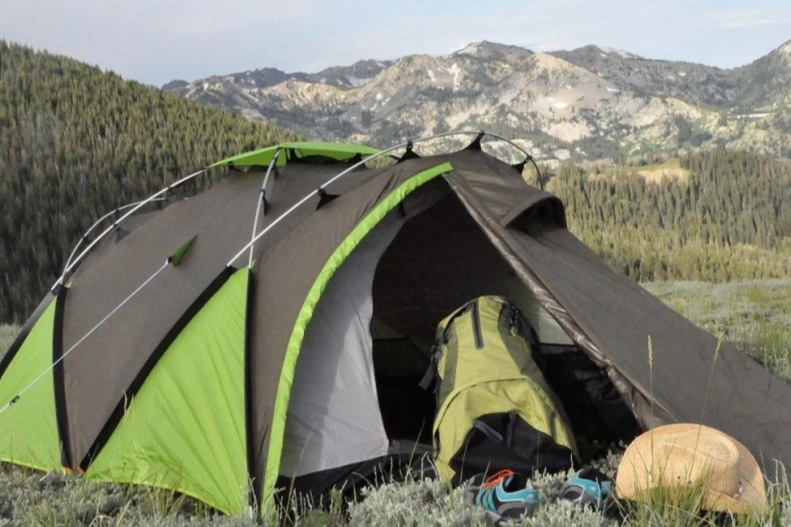
The Hidden Costs That Wreck Your Budget
You've saved on the site and gear. Now don't blow it here.
Fuel: Driving a gas-guzzler 300 miles to a campsite eats savings. Choose destinations closer to home. Explore your local state forest. Group trips and carpool.
Last-Minute Purchases: The convenience store near the trailhead charges $5 for a lighter and $8 for a can of fuel. Plan ahead. Buy fuel and fire starters (cotton balls soaked in petroleum jelly) at home.
Permits & Fees: Some free areas still require a parking pass (like a National Forest Recreation Pass). Get this online beforehand. A surprise $5 daily fee isn't much, but it adds up.
Gear Replacement: That cheap cooler you bought leaks meltwater into your food. Now your cheese is soggy, and you're buying ice daily. Buying quality once is cheaper than replacing junk twice.
The real secret? The most memorable parts of camping are free: the sunset, the quiet, the stars, the smell of pine. Fancy gear can't buy that. Good planning just gets you there.