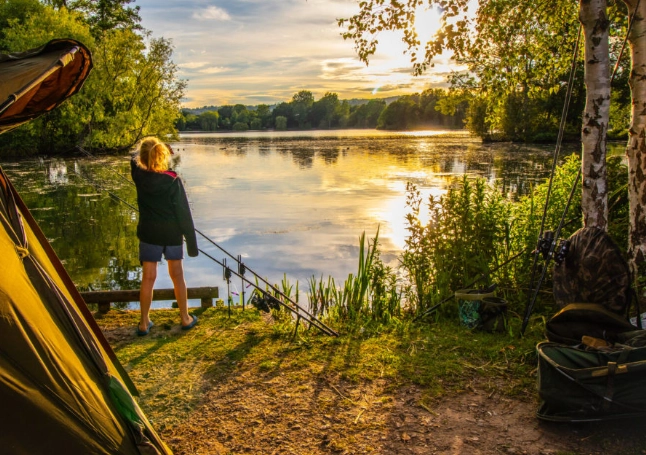
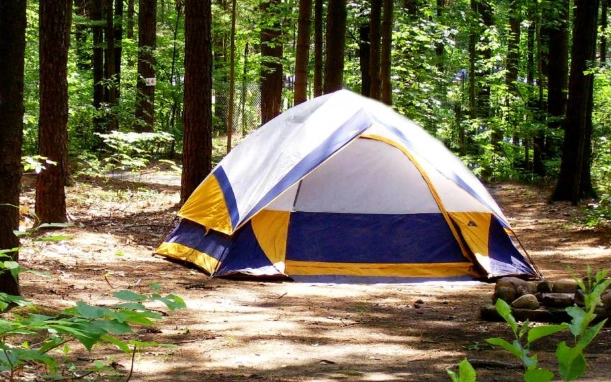
Let's be honest. You're here because you love the idea of waking up to birdsong, smelling pine trees, and sitting around a campfire, but your wallet is giving you the side-eye. You've seen those glossy camping photos with fancy RVs and glamping tents that cost more per night than a hotel room, and you're thinking, "Isn't camping supposed to be the affordable way to travel?"
Quick Guide
- Forget Everything You Think You Know About Cheap Camping
- The Holy Grail: Absolutely Free Camping (It Exists!)
- The Next Tier: Public Campgrounds (Your Best Value)
- The Membership & Non-Profit Route
- The Head-to-Head Comparison: Your Roadmap to Choosing
- The Advanced Playbook: Timing, Tricks, and Mindset
- Gear Up to Save: Your Equipment Matters
- The Questions You're Probably Asking (FAQ)
- Wrapping It All Up
You're absolutely right. It can be. But the secret to finding truly inexpensive campgrounds isn't just about picking the cheapest spot on a map. It's a mix of knowing where to look, understanding the different types of camping, and mastering a few timing and booking tricks that most casual campers never figure out. I've spent years, and honestly made plenty of expensive mistakes, to learn this stuff. My goal here is to save you the headache and the cash.
So, if you're ready to learn how to find inexpensive campgrounds that are safe, beautiful, and won't break the bank, you're in the right place. This isn't a fluffy listicle. This is the deep dive.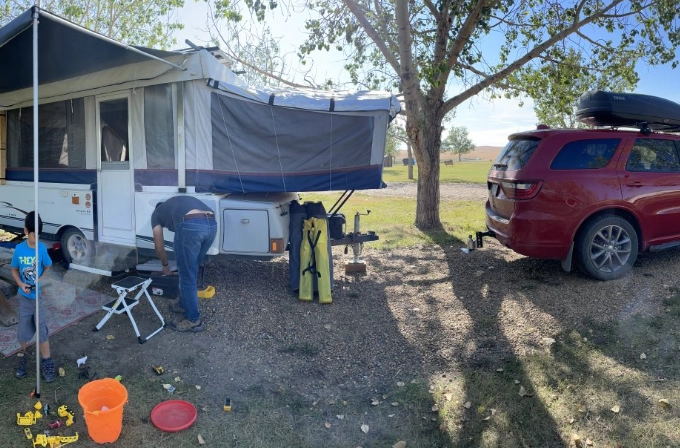
Forget Everything You Think You Know About Cheap Camping
Most people start their search on big commercial booking sites. That's your first mistake. Those sites are great for convenience, but they often feature the more developed, and therefore more expensive, private campgrounds. To find the real deals, you need to shift your mindset.
Think public, not private. Think basic, not luxurious. And most importantly, think flexibility.
The core strategy for how to find inexpensive campgrounds revolves around understanding your options, which exist on a spectrum from totally free to moderately priced.
The Holy Grail: Absolutely Free Camping (It Exists!)
Yes, you can camp for $0. It's called dispersed camping, boondocking, or dry camping. This is camping outside of a designated campground, usually on public land. No bathrooms, no water spigots, no picnic tables. Just you and the wilderness.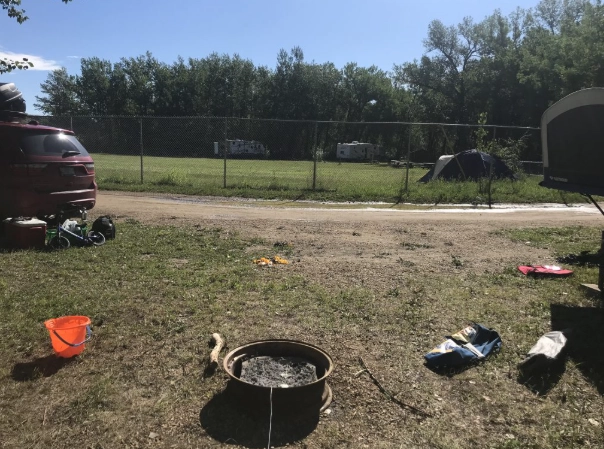
Where to Find Free Dispersed Camping
This is the most important part of learning how to find inexpensive campgrounds. Your best friends are federal land management agencies.
- National Forests (USFS): This is often the goldmine. The U.S. Forest Service generally allows dispersed camping almost anywhere unless specifically posted otherwise. You need to follow Leave No Trace principles rigorously. The US Forest Service website is your portal. Find your target forest, then look for "Dispersed Camping" information or motor vehicle use maps (MVUMs).
- Bureau of Land Management (BLM) Land: Similar rules apply on much BLM land, especially in the western United States. Vast stretches of desert, canyon country, and plains are open for camping. The BLM website has state-specific guidance.
- Some State Lands and Wildlife Management Areas: Rules vary wildly by state, but many state forests and wildlife areas allow low-cost or free primitive camping. You'll need to dig into your specific state's Department of Natural Resources website.
How do you physically find these spots? Apps like iOverlander and FreeRoam are crowd-sourced treasures. But nothing beats calling the local ranger district office. A 5-minute call can tell you about road conditions, fire restrictions, and even suggest specific areas that are good right now.
The Next Tier: Public Campgrounds (Your Best Value)
If you want a toilet, a picnic table, and maybe even a water pump, but still want to know how to find inexpensive campgrounds, public campgrounds are your sweet spot. These are run by government agencies, so their goal isn't profit maximization.
National Park Campgrounds
They're iconic, but they're also competitive and can be pricey ($20-$35/night). The secret? Go for the smaller, less developed campgrounds within the park, not the big ones right by the visitor center. And book EARLY on Recreation.gov. We're talking 6 months in advance for places like Yosemite or Glacier.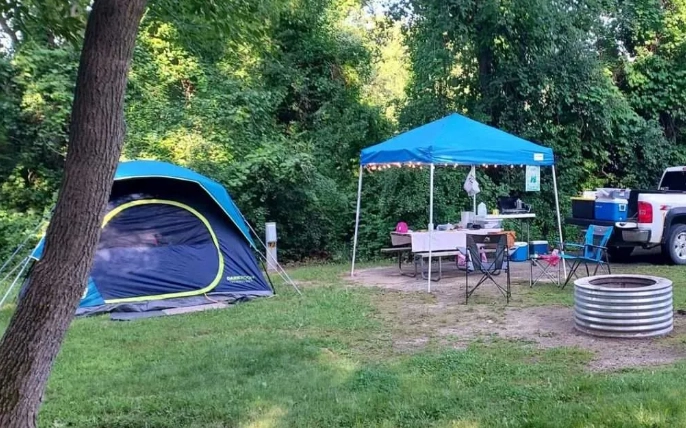
State Park Campgrounds
This is where you often find the best balance of cost, amenities, and scenery. Prices range from $15 to $30 per night. Some states have absolute gems. Booking is usually through a state-specific portal. Pro tip: State parks just outside the boundary of a popular national park can be 40% cheaper and just as pretty.
U.S. Army Corps of Engineers (USACE) & County Parks
These are hidden champions. The Army Corps manages thousands of campgrounds near lakes and reservoirs. They are famously well-maintained and affordable. County parks are local secrets, often on beautiful land with minimal fees. You find these by doing old-school Google searches like "[County Name] county park camping."
The Membership & Non-Profit Route
This is a more modern approach to how to find inexpensive campgrounds. You pay an annual fee for access to a network of unique, often lower-cost sites.
- Hipcamp: Think Airbnb for land. It connects you with private landowners who host campers. Prices vary wildly (from $10 to $100+), but you can filter for budget options. You can find stunning, secluded spots you'd never know existed.
- Harvest Hosts: For self-contained RVs/vans. An annual membership lets you stay for free overnight at wineries, farms, museums, and breweries. The expectation is you'll patronize the business. It's not a campground, but it's an incredible, low-cost way to travel.
- Boondockers Welcome: Another membership where RVers host other RVers on their private property for a very small fee or free. It's about community as much as cost savings.
I have mixed feelings about Hipcamp. On one hand, I've found magical spots for $15 a night. On the other, I've seen people charge $50 for a muddy field. You have to read reviews carefully.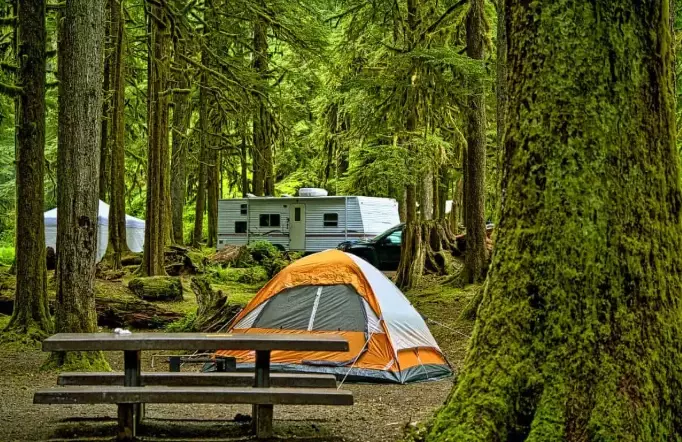
The Head-to-Head Comparison: Your Roadmap to Choosing
Let's break down these options side-by-side. This table is the cheat sheet you need when deciding how to find inexpensive campgrounds for your specific trip.
| Camping Type | Typical Cost/Night | Best For | Biggest Drawback | Booking Method |
|---|---|---|---|---|
| Dispersed (NF/BLM) | $0 | Solitude, adventure, self-sufficient campers, big rig boondocking. | Zero amenities. Requires research and self-reliance. | First-come, first-served. No booking. |
| State Park | $15 - $30 | Families, great value, reliable facilities, often great scenery. | Can book up fast in season. Rules can be strict. | State park website, often months in advance. |
| National Park | $20 - $35 | Being in the heart of iconic parks. Accessibility. | Extremely competitive. Sites can be close together. | Recreation.gov, 6 months in advance. |
| USACE/County | $10 - $25 | Lake lovers, quiet getaways, under-the-radar beauty. | Harder to find info. Amenities can be basic. | Recreation.gov or direct contact. |
| Hipcamp (Budget) | $10 - $30 | Unique, private land, last-minute bookings, specific locations. | Quality varies hugely. Must vet each host. | Hipcamp app/website. |
See? Your choice completely depends on what you need. A family with young kids might prioritize a state park with flush toilets. A van-lifer wants free BLM land. It's not one-size-fits-all.
The Advanced Playbook: Timing, Tricks, and Mindset
Knowing where to look is half the battle. The other half is how you look.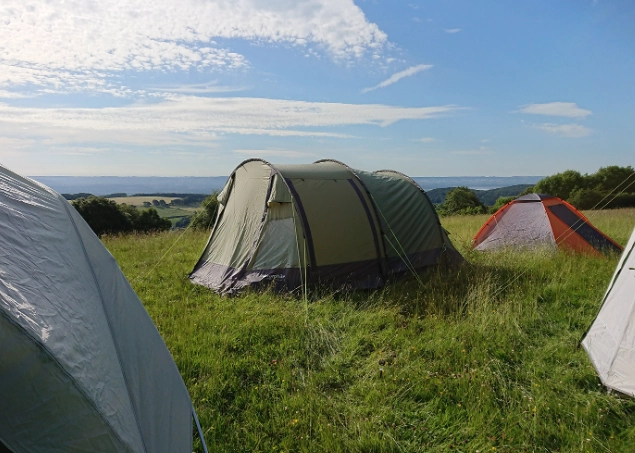
Master the Art of Timing
Season and day of the week are everything. A campground that's $30 on a Saturday in July might be $18 on a Tuesday in September. Shoulder seasons (spring and fall) are cheaper, less crowded, and often more beautiful.
Go mid-week if you can.
It's the single easiest way to save money and find availability. Everyone wants the weekend. Be the person who takes a Wednesday-Thursday trip.
The Booking Scramble Strategy
For popular parks on Recreation.gov, sites are released 6 months ahead at 7:00 AM PST. Be logged in, have your payment info saved, and refresh right at 7:00:01. It's stressful, but it works. Also, check for cancellations constantly, especially 2-4 days before your desired date. People's plans change.
Embrace "Stealth" Research
Use Google Maps satellite view. Zoom in on national forest land near where you want to go. Look for small dirt roads branching off main roads. See a flat clearing? That's a potential dispersed site. Cross-reference with the forest's MVUM map online.
Think Beyond the "Campground" Label
Sometimes the answer to how to find inexpensive campgrounds is to not look for a campground at all. Look for "picnic areas," "trailheads with overnight parking," or "boat launches" on public land. Rules vary, but some allow overnight stays for folks using the area for recreation. Again, call and ask.
Gear Up to Save: Your Equipment Matters
You can't talk about budget camping without talking about gear. The wrong gear can make a cheap campsite miserable, forcing you to quit early or spend money you saved on lodging.
You don't need the $500 tent. But you do need a reliable, weather-appropriate shelter. Spend your money on a good sleeping pad and bag—comfort here is non-negotiable for a good night's sleep. A simple camp stove (a classic Coleman propane stove is maybe $50) saves you from needing a fire ring and lets you cook real meals, saving a fortune on restaurants.
My philosophy? Buy once, cry once. A $200 tent that lasts 10 years is cheaper per use than a $80 tent that fails in a rainstorm on year two, ruining your trip.
The Questions You're Probably Asking (FAQ)
Is free camping safe?
Generally, yes. You're often more isolated, so standard precautions apply. Tell someone your plans. Be aware of your surroundings. Animal safety (proper food storage) is a bigger concern than human safety in most remote areas. I've felt safer in the national forest than in some crowded, noisy paid campgrounds.
How far in advance do I need to book a cheap public site?
For premier locations in peak season, the minute bookings open (6 months). For less famous state parks or mid-week trips, a few weeks to a month might suffice. For dispersed camping, you "book" by arriving early enough in the day to claim a spot.
What's the #1 mistake people make when trying to find cheap campgrounds?
Only looking on the big, commercial booking apps. They don't show free dispersed sites, and they often don't include all public campgrounds. You must go directly to the source: government agency websites.
Can I find inexpensive campgrounds with RV hookups?
It's tougher. Full hookups (water, sewer, electric) are a premium. Your best bet for low-cost RVing is boondocking on public land (no hookups) or looking for public campgrounds with just electric (which are cheaper). Passport America is a discount club for RV parks, but the parks are often off major highways.
What if I'm not ready for totally primitive camping?
That's totally fine! Start with a state park campground. You'll have a defined spot, a toilet nearby, and usually water. It's the perfect training wheels before venturing into dispersed camping. The goal is to get outside, not to suffer.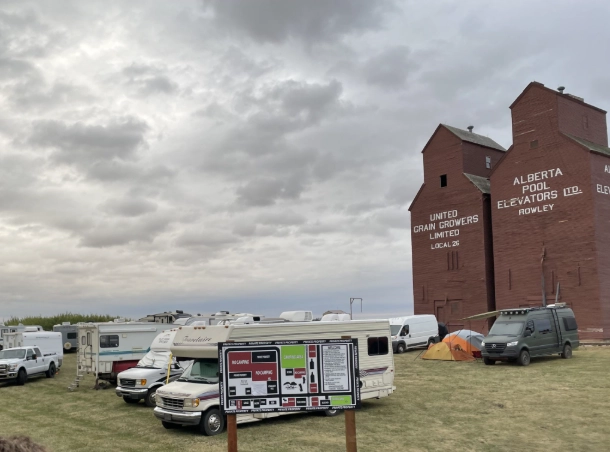
Wrapping It All Up
Learning how to find inexpensive campgrounds is a skill. It takes a bit more effort than clicking "book now" on a resort-style RV park. But the payoff is massive. You save serious money, which means you can travel more often. You find quieter, more authentic places. You gain confidence and a deeper connection to the landscape.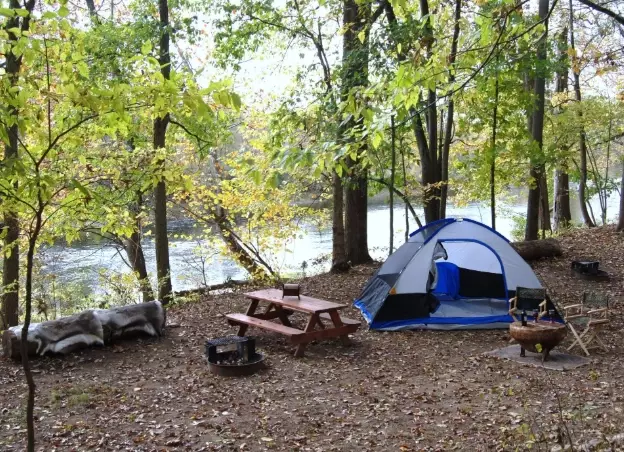
Start with one strategy. Maybe this season, you book a mid-week stay at a state park you've never visited. Next trip, try a single night of dispersed camping near a forest service road as an experiment. Use the tools—the agency websites, the maps, the apps.
The outdoors should be accessible. And now, you have the real-world map to access it without emptying your bank account. Go plan that trip.