That first deep breath at 10,000 feet hits different. The air is crisp, thin, and carries a scent of pine and distant snow. The world stretches out below, silent and vast. This is the allure of high altitude camping. It's not just a change of scenery; it's a shift into a different world, one that demands respect and preparation. I learned this the hard way on my first major trek above 8,000 feet, battling a headache that felt like a vice and a stomach that wanted nothing to do with dinner.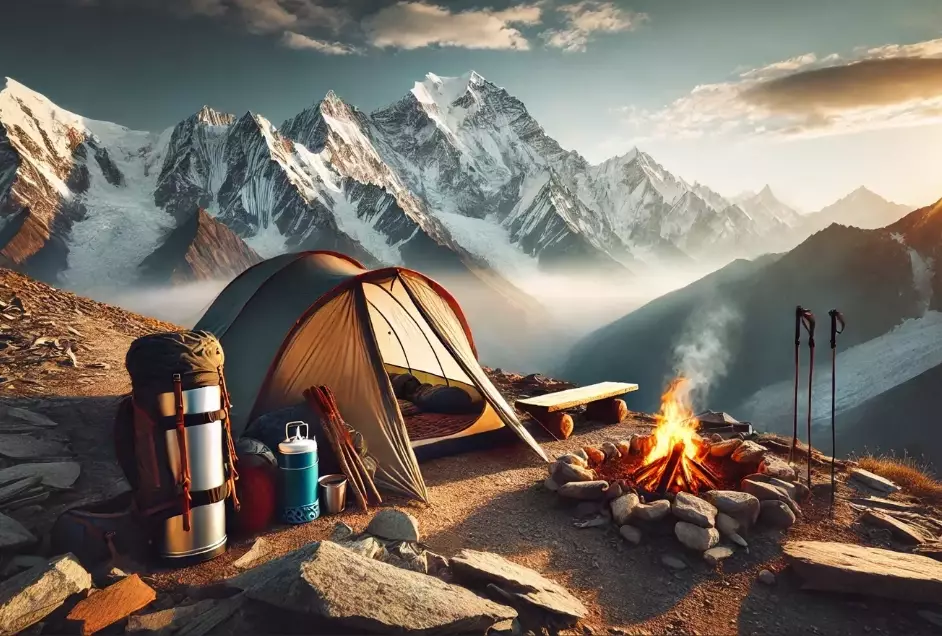
This guide isn't about scaring you off. It's the opposite. With the right knowledge, high altitude camping transforms from a daunting challenge into the most rewarding experience of your outdoor life. We'll move past the generic advice and dive into the specifics that matter: the gear that won't fail you, the subtle signs your body gives before trouble starts, and how to pick a campsite that offers safety, not just a view.
Understanding the High Altitude Environment
Let's define our terms. High altitude typically starts around 8,000 feet (2,400 meters) above sea level. This is where the air pressure drops enough for your body to notice the reduced oxygen. The "high altitude" zone runs from 8,000 to 12,000 feet. Climb above 12,000 feet, and you're entering extreme high altitude, a zone that demands serious respect and preparation, even for the fittest lowlanders.
The science is simple but critical: lower air pressure means fewer oxygen molecules in each breath. Your body must work harder to get the oxygen it needs to your muscles and brain. This is the root cause of everything from that initial breathlessness to the more severe forms of altitude sickness.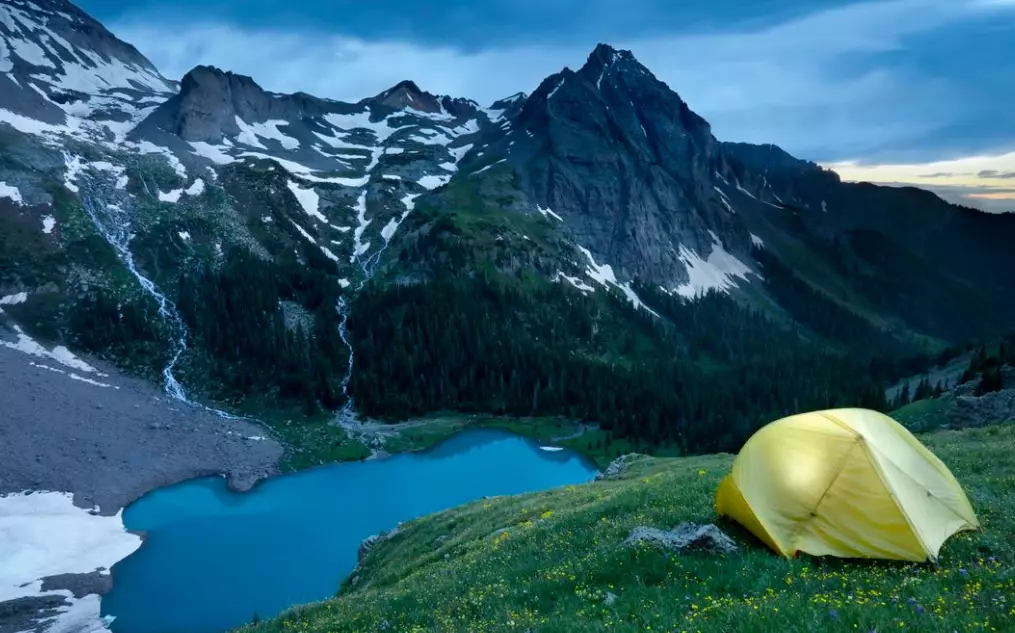
The Reality Check: Fitness at sea level does not equal fitness at altitude. I've seen marathon runners struggle with mild symptoms while their casually-active hiking partner feels fine. It's a genetic and physiological lottery. The only reliable strategy is a slow, respectful approach to ascent.
The Symptoms You Must Memorize
Altitude sickness, or Acute Mountain Sickness (AMS), is your body's protest. It usually starts mild. Ignoring it is the biggest mistake you can make. The symptoms often appear in this order:
- Headache: A persistent, throbbing pain that doesn't resolve with basic painkillers.
- Nausea or Loss of Appetite: That delicious freeze-dried meal suddenly seems revolting.
- Dizziness or Light-headedness: Feeling unsteady on your feet.
- Fatigue and Weakness: An unusual, deep tiredness that isn't proportional to your exertion.
- Shortness of Breath: Even at rest, you might feel like you can't get a full lungful of air.
If these symptoms appear, stop ascending. If they worsen while resting at the same altitude, you must descend. It's that straightforward. The more severe forms, HAPE (fluid in the lungs) and HACE (fluid on the brain), are life-threatening medical emergencies characterized by confusion, a wet cough, and loss of coordination. They require immediate descent and evacuation.
Essential Gear for High Altitude Success
Your gear list for a weekend at 5,000 feet needs a complete overhaul for 10,000 feet. The margin for error shrinks. Here’s where to invest your money and attention.
The Sleep System: Your Nighttime Lifeline
Cold at altitude is a different beast. Temperatures can plummet 30°F or more from daytime highs. A cheap sleeping bag from a big-box store is a liability.
- Sleeping Bag: You need a mummy-style bag rated for at least 10°F lower than the coldest temperature you expect. If the forecast says 20°F, get a 10°F bag. Down offers the best warmth-to-weight ratio but loses insulation when wet. High-end synthetic fills are a great, more affordable alternative. Look for brands like Western Mountaineering, Feathered Friends, or Marmot's higher-end lines.
- Sleeping Pad: This is your ground insulation. An inflatable pad with a high R-value (aim for R-4 or higher) is non-negotiable. The air beneath you sucks away heat faster than the air around you. I learned this using a basic foam pad on a cold Sierra night—I was shivering by 2 AM despite a good bag.
Layering for Dynamic Conditions
Forget cotton entirely. It holds moisture and kills insulation. Your system should be a modular, moisture-wicking engine.
| Layer | Material & Purpose | Example Garment |
|---|---|---|
| Base Layer | Merino wool or synthetic. Manages sweat, stays warm when damp. | Smartwool Merino 250 Crew |
| Mid Layer (Insulation) | Fleece or lightweight down/synthetic puffy. Traps warmth during rest stops. | Patagonia R1 Air Fleece |
| Outer Layer (Shell) | Gore-Tex or similar waterproof/breathable membrane. Blocks wind, rain, and snow. | Arc'teryx Beta AR Jacket |
| Accessories | Wool/synthetic hat, gloves, buff. You lose massive heat from your head and neck. | Possum Down Gloves, Buff Merino Wool |
Hydration: More Than Just Water
Dehydration mimics and worsens altitude sickness. The dry air and increased respiratory rate cause you to lose water rapidly.
- Water Capacity: Carry at least 3 liters. I prefer a 2-liter hydration bladder for easy sipping while hiking plus a 1-liter Nalgene bottle for camp.
- Electrolytes are Key: Drinking pure water can dilute your body's electrolytes. Use electrolyte tablets (like Nuun or Liquid IV) or powders. A pinch of salt in your water bottle helps too.
- Insulation: Use an insulated sleeve for your hydration bladder hose to prevent freezing. Sleep with your water filter and water bottles in your sleeping bag to keep them from turning into ice blocks.
Picking Your High Altitude Campsite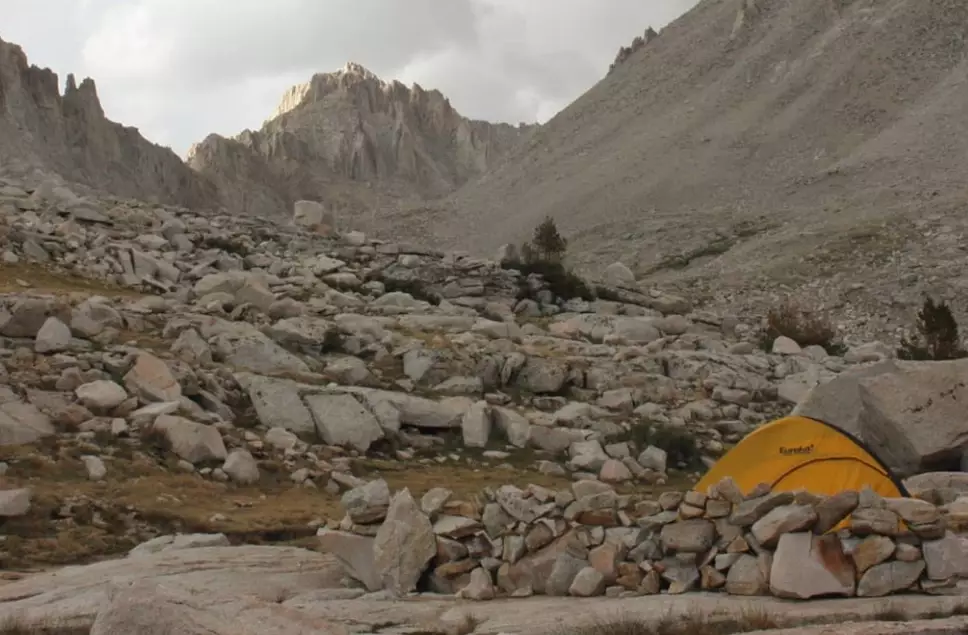
Site selection is a safety skill. You're looking for protection, not just a flat spot with a view.
Avoid valley bottoms. They are cold air sinks and can be 10-15 degrees colder than a mid-slope site. I made this mistake in Colorado's San Juan Mountains and spent a miserably cold night.
Seek wind protection. Look for a natural windbreak like a cluster of boulders or sturdy trees (but not dead, standing "widowmakers"). A gentle breeze is fine; a constant, howling wind will drain your energy and chill you to the bone.
Check for avalanche chutes. Even in summer, look upslope for obvious, treeless gullies that could channel rockfall or severe weather.
Proximity to water, but not too close. You need water access, but camping right on a lakeshore or stream bank is often ecologically damaging, prone to condensation, and visited by more animals. Camp at least 200 feet away from water sources, following Leave No Trace principles.
The Non-Negotiables: Acclimatization and Safety
The Golden Rule of Ascent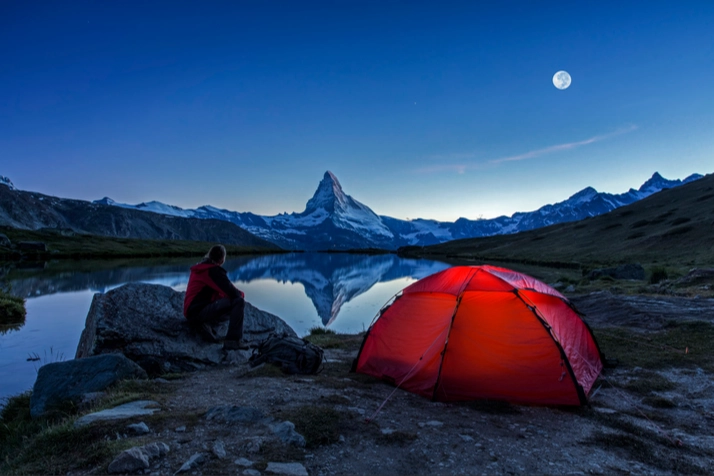
Climb High, Sleep Low. This is the single most effective tactic. If you day-hike to 11,000 feet, try to come back down to sleep at 9,000 feet. It gives your body the stress of altitude followed by a more oxygen-rich recovery period.
The 1,000-Foot Rule: Above 8,000 feet, try to increase your sleeping elevation by no more than 1,000 feet per day. Plan rest days into your itinerary. A rest day doesn't mean lying in your tent—it means a short, easy hike without gaining significant elevation.
Nutrition and Medication
Your metabolism works harder. Eat easily digestible, high-carbohydrate foods. Fats and proteins are harder to digest with less oxygen available.
Acetazolamide (Diamox): This is a prescription medication that can help prevent AMS by speeding up acclimatization. It's not a magic pill and has side effects (tingling fingers, carbonated drinks tasting flat). Consult a doctor familiar with wilderness medicine to see if it's right for your trip. It should be a tool in your kit, not a substitute for a slow ascent.
Ibuprofen: Can help prevent altitude headaches if taken before symptoms start. But remember, masking a headache with painkillers while continuing to ascend is dangerous.
Top High Altitude Camping Destinations
Ready to plan? Here are three iconic zones that offer incredible high-altitude experiences with good access for prepared campers.
1. The Colorado Rockies (USA): A beginner-friendly high-altitude playground. Much of the iconic Continental Divide Trail sits between 10,000-12,000 feet. Try the Maroon Bells-Snowmass Wilderness near Aspen. You'll need a permit for overnight trips, which can be competitive—book months in advance via Recreation.gov. The trailheads are accessible by car, making logistics easier.
2. The Cordillera Blanca (Peru): For the experienced adventurer. This is the world's highest tropical mountain range. The Santa Cruz Trek is a 4-day classic, reaching passes over 15,500 feet. You must acclimatize in Huaraz (10,000 ft) for several days first. Go with a reputable local guide service; the altitude here is no joke. The season is tight: May to September.
3. The Himalaya (Nepal): The ultimate pilgrimage. The Everest Base Camp Trek is famous for a reason, taking you to 17,600 feet over 12-14 days. It's a well-trodden teahouse trek, meaning you sleep in lodges, not tents. For a pure camping experience, look at the Three Passes Trek, which is more remote and challenging. A guided trek is highly recommended, and you'll need a TIMS card and Sagarmatha National Park permit.
Your High Altitude Camping Questions Answered
The summit isn't the only goal. Sometimes, the real victory is setting up a safe camp at 11,000 feet, brewing a hot drink as the alpenglow fades, and knowing you've prepared for this moment. That's the quiet confidence high altitude camping brings. Start planning, train smart, and go see that different world for yourself.