Quick Navigation: What You'll Find Here
Backpacking camping isn't just hiking with a tent—it's about immersing yourself in wild places, carrying everything on your back, and waking up to views that make the sore muscles worth it. I've spent years exploring trails from Patagonia to the Himalayas, and I've seen too many folks show up unprepared, missing permits or lugging gear that ruins the experience. Let's fix that. This guide covers destinations with concrete details, so you can plan a trip that actually works.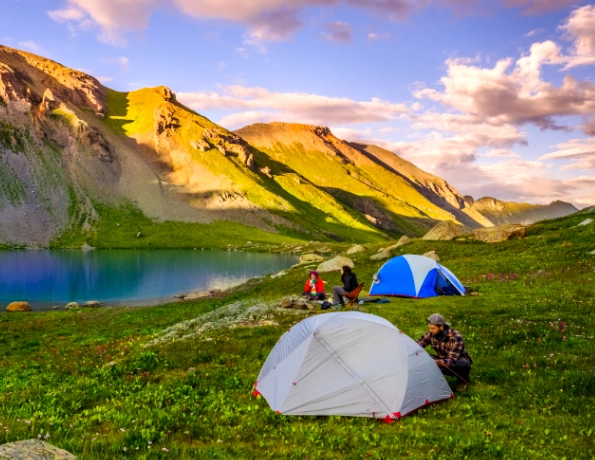
How to Pick Your Backpacking Camping Spot
Choosing where to go isn't about picking the most Instagrammable spot. It's about matching the trail to your skills and goals. Ask yourself: How many days can I commit? What's my fitness level? Do I want solitude or social trails?
Factors That Actually Matter
Permits are the biggest headache. Popular parks like Yosemite sell out fast—sometimes within minutes online. Check permit systems early; the National Park Service and local forestry sites list deadlines. Season matters too. Summer in the Sierra Nevada means crowds, but September offers crisp air and fewer people. I learned this the hard way when I arrived in July and found trailheads packed.
Distance and elevation gain can make or break a trip. A 20-mile loop with 3,000 feet of climb sounds doable on paper, but with a 30-pound pack, it's a grind. Start with shorter routes if you're new. Access is another thing. Remote spots like Torres del Paine require flights and buses; factor in travel time and costs.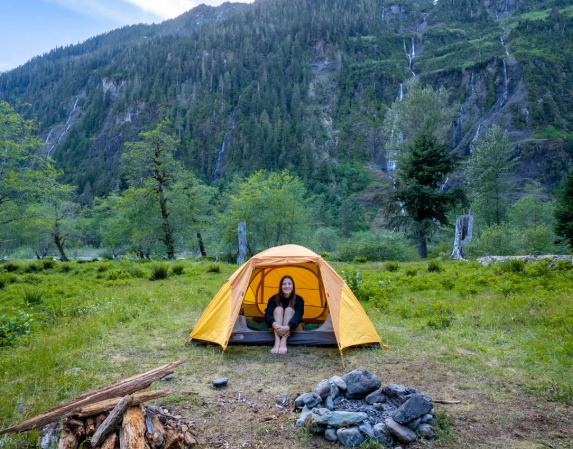
Top Backpacking Camping Destinations Worldwide
Here are three spots I've personally tested, each with specifics so you can book tickets tomorrow. I've included the nitty-gritty: fees, how to get there, and what trails to hit.
Yosemite National Park, USA
Yosemite is iconic, but it's also a logistical puzzle. The valley draws millions, but the backcountry is where the magic happens.
- Address: Yosemite Valley, California 95389, USA. Trailheads start from places like Tuolumne Meadows or Glacier Point.
- Entrance fee: $35 per vehicle, valid 7 days. Backpacking requires an additional wilderness permit—$5 per person plus $5 per reservation if booked in advance.
- Operating hours: Park open year-round, but high-elevation trails like Half Dome are accessible from late May to October due to snow. Check current conditions on the NPS site.
- Getting there: Fly into San Francisco (SFO) or Fresno (FAT). Rent a car; it's a 4-hour drive from SFO via CA-120. Public transport exists but is limited—YARTS buses run from Merced, but schedules are sparse.
- Top trail: The John Muir Trail segment from Tuolumne Meadows to Yosemite Valley. It's about 30 miles one-way, with campsites at Little Yosemite Valley. Permits are competitive; apply 24 weeks ahead or try the daily lottery.
- My take: Crowds peak in July. Go in September—fewer people, cooler temps. And pack a bear canister; it's mandatory, and rangers check. I once saw a guy get fined for using a bag instead.
Torres del Paine, Chile
This Patagonian wonderland is all about dramatic peaks and unpredictable weather. The W Trek is the classic, but it requires planning.
- Address: Torres del Paine National Park, Magallanes Region, Chile. Main entrance at Laguna Amarga.
- Entrance fee: Around $35 for foreigners, payable at the gate or online. Book campsites separately through CONAF or private sites like Vertice Patagonia.
- Operating hours: Best from October to April (austral spring to fall). Winter months see closures and harsh conditions.
- Getting there: Fly to Punta Arenas (PUQ), then take a 3-hour bus to Puerto Natales. From there, buses run to the park entrance. Book buses ahead—they fill up.
- Top trail: The W Trek covers 50 miles over 4-5 days. Campsites like Grey and Francés need reservations months in advance. I missed out on Grey once and had to hike extra miles; book early.
- My take: Wind is brutal—gusts can hit 80 mph. Use a sturdy tent and secure it well. Pack layers; I went from sun to sleet in an hour. The views of the towers are worth every step, though.
Annapurna Circuit, Nepal
For a cultural and physical challenge, the Annapurna Circuit blends Himalayan vistas with tea-house stays, but backpacking camping adds solitude.
- Address: Annapurna Conservation Area, Gandaki Province, Nepal. Start in Besisahar or Bhulbhule.
- Entrance fee: $20 for the Annapurna Conservation Area Permit (ACAP) plus $20 for the Trekker's Information Management System (TIMS) card. Get them in Kathmandu or Pokhara.
- Operating hours: Year-round, but best from March to May or September to November. Monsoon season (June-August) brings rain and leeches.
- Getting there: Fly to Kathmandu (KTM), then a 6-hour bus to Besisahar. Local jeeps go further to trailheads. Flights to Pokhara are quicker but pricier.
- Top trail: The classic circuit is 100-150 miles, taking 10-15 days. Camp at designated spots like Manang or Thorong Phedi. Altitude is a real issue—acclimatize properly.
- My take: Tea-houses are convenient, but camping lets you escape the crowds. Carry a portable stove; food options are limited off-route. I met a group who underestimated the cold at Thorong La Pass—bring a four-season sleeping bag.
| Destination | Best Time to Visit | Permit Difficulty | Estimated Cost (per person) |
|---|---|---|---|
| Yosemite National Park | September to October | High – lottery system | $500-$800 (5 days) |
| Torres del Paine | November to March | Medium – book campsites early | $700-$1000 (7 days) |
| Annapurna Circuit | March to May | Low – permits easy to obtain | $400-$600 (10 days) |
Costs include permits, food, and local transport but not flights. Yosemite's permit scramble is real—I've seen folks turned away at the ranger station.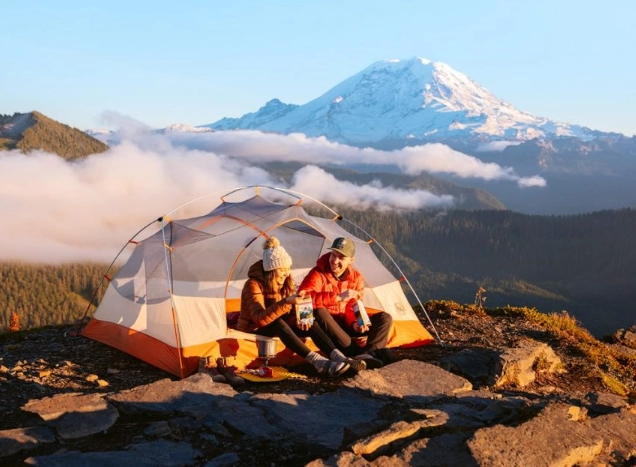
Gear You Can't Skip for Backpacking Camping
Gear isn't about having the fanciest stuff; it's about reliability. I've had tents fail in storms and stoves die at dinner. Here's what works.
The Lightweight Mindset
Every ounce counts. Aim for a base weight (pack without food/water) under 20 lbs. Start with a comfortable pack—I use an Osprey Atmos 65—and a tent that withstands wind, like the Big Agnes Copper Spur. Sleeping bags rated for the lowest expected temp; a 20°F bag suits most summer trips.
Footwear is personal. Trail runners are lighter and dry faster, but boots offer ankle support on rocky trails. I switched to runners after blisters in Nepal, and it changed everything. Don't forget navigation: a physical map and compass, plus a GPS app like Gaia GPS. Batteries die.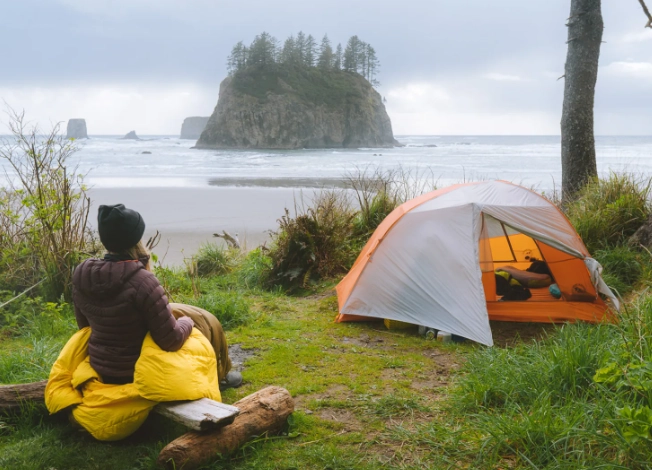
Planning Your Backpacking Camping Trip Step-by-Step
Planning feels tedious, but it prevents disasters. Break it into stages: research, permits, gear check, and on-trail logistics.
Months Before You Go
Research destinations using sites like REI Co-op's blog or government park pages. Check permit deadlines—Yosemite's open 24 weeks ahead, Torres del Paine's campsites book 6 months out. I set Google Calendar alerts. Book flights and transport early; last-minute options are expensive.
Test gear on weekend hikes. A shakedown trip reveals flaws; my stove clogged once, and I had to fix it with a needle. Plan meals: dehydrated dinners save weight, but add snacks like nuts and bars. Calculate water sources—some trails have dry sections, so carry a filter like the Sawyer Squeeze.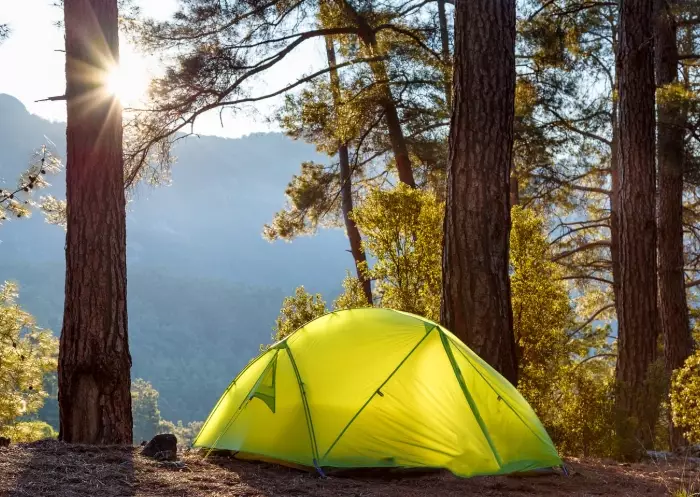
Week of Departure
Confirm permits and weather. Pack strategically: heavy items close to your back, frequently used stuff on top. Share your itinerary with a friend, including trailhead entry and exit dates. I use a simple spreadsheet with coordinates.
On the trail, leave no trace. Pack out all trash, and camp at designated sites. I've seen beautiful spots ruined by litter—it's frustrating.
Answers to Common Backpacking Camping Questions
Backpacking camping is about adventure, not suffering. Pick a destination that excites you, pack smart, and get out there. The trails are waiting—just don't forget the permit.