Let's be honest. The moment you pull that tent bag out of your car, a mix of excitement and mild dread hits. Will it go up smoothly this time? Or will it be another wrestling match with poles and flapping nylon? After more than a decade of guiding trips and watching countless setups (and mishaps), I can tell you a smooth tent pitch isn't luck. It's a simple, repeatable process anyone can master.
This guide cuts through the generic advice. We'll walk through the exact steps, highlight the subtle mistakes most beginners make (and never realize), and give you the confidence to set up camp like a pro, whether it's a calm evening or a windy dusk.
What You'll Learn in This Guide
- Step 1: Unpack and Prep (The Most Skipped Step)
- Step 2: The Art of Site Selection
- Step 3: Groundsheet and Tent Layout
- Step 4: Frame Assembly - Poles, Clips, and Sleeves
- Step 5: Raising and Securing the Structure
- Step 6: Final Touches and Weatherproofing
- Special Scenarios: Wind, Rain, and Solo Camping
- Your Tent Setup Questions Answered
Step 1: Unpack and Prep (The Most Skipped Step)
Don't just dump the bag. Take two minutes here and save twenty later.
Lay everything out on your ground tarp or a clean spot. You should have:
- The tent body (the main part with the door)
- The rainfly (the waterproof outer layer)
- Tent poles (usually in a long bag)
- A bag of stakes (guylines might be attached to the rainfly)
- A separate footprint or groundsheet (if you bought one)
Now, identify the parts of your tent poles. Most modern poles are shock-corded (elastic running through them). Connect the sections gently; don't force them. If they're color-coded, note it. Match them to the tent's attachment points.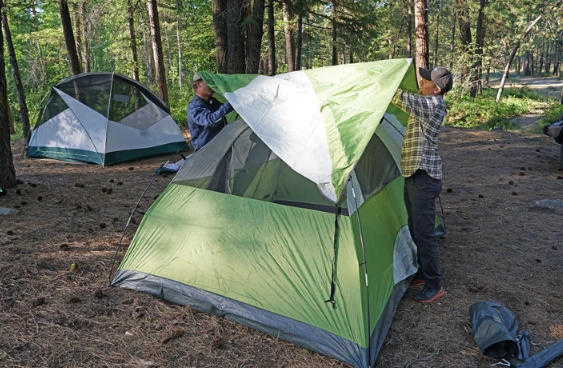
Step 2: The Art of Site Selection
Where you place your tent is more important than how you pitch it. A perfect pitch on a bad spot is a miserable night.
Look for these things:
- High and Dry: Avoid depressions where water will pool. Even on dry ground, morning dew collects.
- Flat Ground: Use your foot to sweep away small rocks and pinecones. Your back will thank you.
- Wind Consideration: If it's windy, pitch your tent with the lowest, most aerodynamic end (usually the foot end) facing the wind. Many tents have this info on the stuff sack.
- Tree Check: Look up! No dead branches overhead (widowmakers). Also, consider morning sun – under a dense tree might mean a damp, cold tent.
I once watched a group spend an hour leveling a tent on a beautiful, flat spot... that was the camp's natural water runoff path. A midnight thunderstorm turned their tent into a bathtub.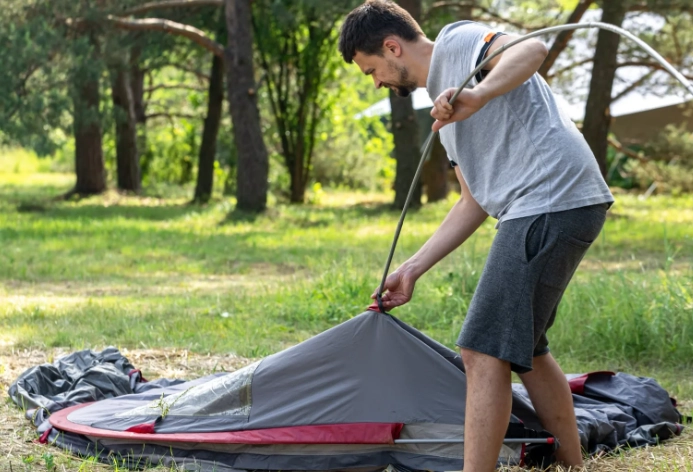
Step 3: Groundsheet and Tent Layout
If you're using a footprint (a groundsheet cut to your tent's exact size), lay it down first. Ensure it doesn't extend beyond the tent floor. If it does, it will channel rainwater under your tent.
Unfold the tent body on top of the footprint or your chosen spot. Smooth out the floor. Orient the door in the direction you want. Usually, away from the prevailing wind and towards a nice view (or your campfire area, but at a safe distance).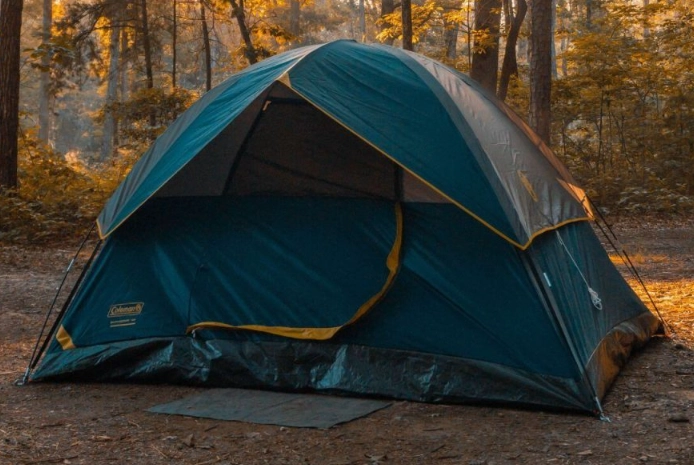
Step 4: Frame Assembly - Poles, Clips, and Sleeves
This is where the magic happens. Tent designs vary, but the principles are the same.
For Clip-Style Tents (Most Common)
Lay the connected poles over the tent. They often crisscross. Start by inserting the pole tips into the grommets or webbing loops at the tent's corners. Do this diagonally. Once the ends are seated, gently lift the structure into an arch. Then, simply clip the tent body's clips onto the pole. Work from one end to the other.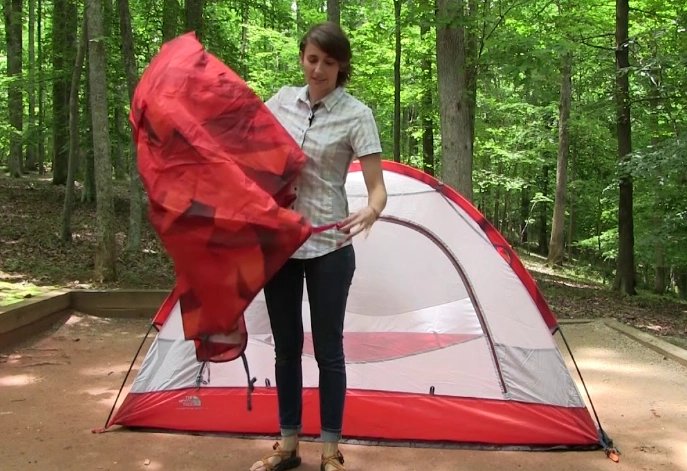
For Sleeve-Style Tents
You need to feed the pole through a fabric sleeve. Don't force it. Have a friend hold the opposite end of the sleeve taut. It's like threading a giant needle. Once through, attach the ends to the corner grommets.
Step 5: Raising and Securing the Structure
With the poles clipped or sleeved, your tent should be standing. Now, stake it out.
Start with the four corners. Pull the tent floor taut, but don't over-stretch it. Push stakes in at a 45-degree angle away from the tent. This gives the best hold. If the ground is hard, use a rock to tap them in.
Now, put on the rainfly. Drape it over, aligning the doors and windows. Attach it to the poles at the designated points (usually buckles or clips at the apex). The rainfly should not be touching the inner tent body except at the attachment points. That air gap is crucial for condensation management.
Step 6: Final Touches and Weatherproofing
This is the difference between a good pitch and a bomber pitch.
Guylines: Don't ignore them. In calm weather, they can be loosely staked. But if wind or rain is expected, tighten them. They stabilize the structure and keep the rainfly from flapping and touching the inner tent.
Tension: Walk around your tent. The rainfly should be taut, like a drum skin. No saggy pockets where water can collect. Re-adjust stakes and guylines.
Vestibules: Stake out the vestibule doors if you want more gear storage space outside.
Here's a quick checklist for different conditions:
| Condition | Key Adjustment | Why It Matters |
|---|---|---|
| Windy | Tighten ALL guylines. Stake vestibules closed. | Prevents pole stress and flapping noise. |
| Rainy | Ensure rainfly is taut. Dig a small trench around the tent if on a slope (Leave No Trace: fill it in later). | Sheds water quickly; prevents runoff under tent. |
| Hot & Sunny | Consider leaving rainfly off for ventilation, or just deploy the roof part if possible. | Reduces greenhouse effect inside the tent. |
Special Scenarios: Wind, Rain, and Solo Camping
Pitching a Tent in Strong Wind
This is a skill. Use your body as a shield. Lay the tent body down and stake the windward corners first. Assemble the poles low to the ground. Insert the windward pole end first, then quickly the leeward side. Clip as you go, staying low. Get the rainfly on and staked immediately. Weight the tent with your backpack inside during the process.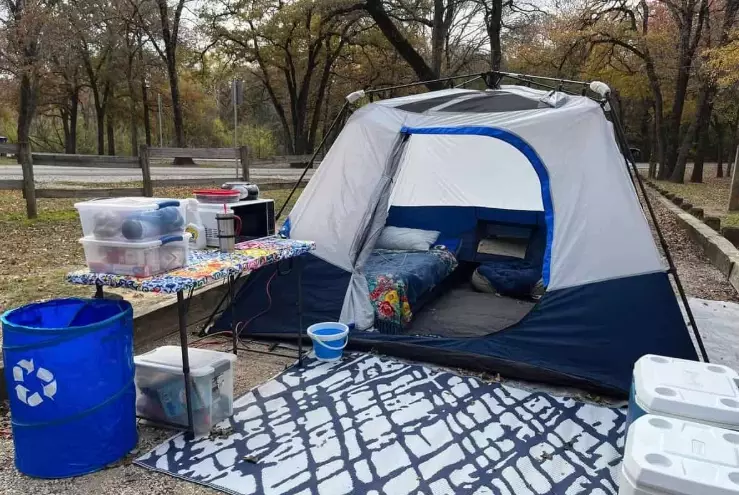
Setting Up a Tent in the Rain
The goal is to keep the inner tent dry. Pitch the rainfly first if you have a freestanding tent that allows it (some tunnel tents do). Create a "dry zone" under the fly, then assemble the inner tent underneath. If not, work fast. Have the inner tent ready to go the moment the poles are up.
Solo Tent Setup
It's totally doable. The key is using stakes as your extra hands. Stake down two corners of the tent body before even touching the poles. This anchors everything. Take your time with the poles. Some solo tents are designed for this, with simpler, shorter poles.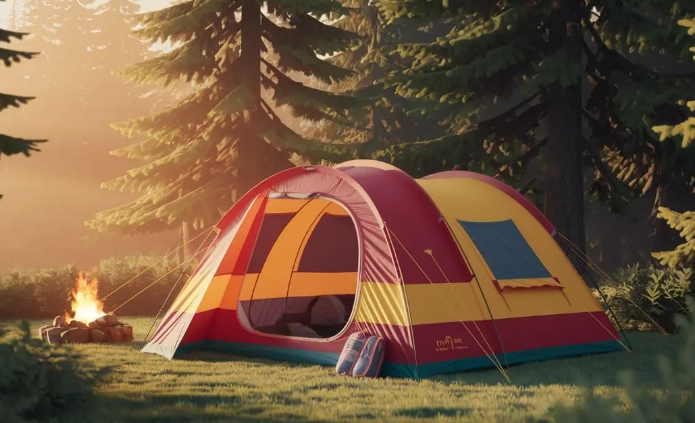
Your Tent Setup Questions Answered