Key Insights for Your Journey
- Primitive vs. Developed Camping: The Great Divide
- Why Bother? The Real Reasons People Choose to Go Primitive
- Where Do You Even Go? Finding Primitive Camping Spots
- The Non-Negotiable Gear Shift: What You Actually Need
- The Skills You Can't Buy: More Important Than Gear
- Answering Your Burning Questions (FAQ)
- Making the Leap: Your First Primitive Camping Trip
- The Bottom Line
Let's cut right to the chase. You've probably seen stunning photos on social media of a tent pitched by a pristine lake, with no one else in sight, and wondered, "How do I do that?" Or maybe you've rolled into a developed campground, seen the RVs with satellite dishes, the constant hum of generators, and the glow of streetlights, and thought there must be another way. You're right. There is. It's called primitive camping, and it's the purest form of spending a night under the stars. But what is meant by primitive camping, really? It's not just camping without a shower block. It's a mindset.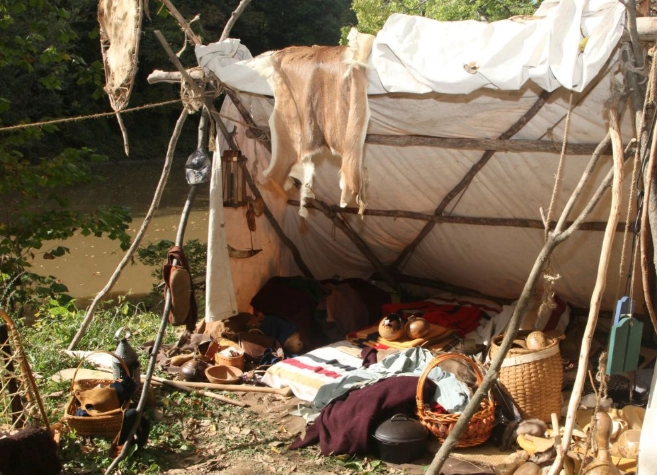
At its heart, primitive camping means stripping away the conveniences and comforts of modern developed campgrounds to engage directly and self-sufficiently with the natural environment. We're talking no electrical hookups, no designated pads, no running water from a tap, and often no toilet beyond a small trowel and the principles of Leave No Trace. The goal isn't suffering—though let's be honest, it can be challenging—it's about connection, simplicity, and earning your view.
Primitive vs. Developed Camping: The Great Divide
To truly understand what is meant by primitive camping, you need to see its opposite. Think of it as a spectrum. On one end, you have the full-hookup RV resort with a pool, mini-golf, and Wi-Fi. On the far other end, you have you, a backpack, and a map leading to a spot that might not even have a clear place to pitch your tent.
Most "car camping" at state parks or private campgrounds sits somewhere in the middle—a designated site, maybe a fire ring and a picnic table, shared water spigots and vault toilets nearby. Primitive camping pushes you way past that middle ground.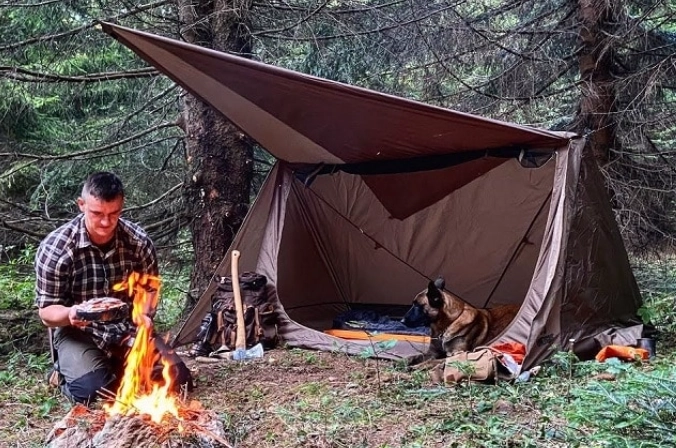
Here’s the breakdown that makes it crystal clear:
| Feature | Developed Campground | Primitive/Dispersed Camping |
|---|---|---|
| Site Designation | Clearly marked, numbered, often reservable. | No designated sites; you find your own suitable spot following land agency rules. |
| Water Access | Shared taps or spigots available. | None. You must bring all your water or treat natural water sources (streams, lakes). |
| Restrooms | Flush toilets or maintained vault toilets. | No facilities. You practice Leave No Trace principles for human waste (cat holes). |
| Trash Services | Dumpsters or bear-proof bins. | Pack In, Pack Out. Everything you bring, you carry out. |
| Fire Amenities | Metal fire rings or grills provided. | Often no pre-made rings. You may build a mound fire or use a fire pan, if fires are even permitted. |
| Privacy & Neighbors | Often close together; you hear your neighbors. | Significant solitude; you may see no one for days. |
| Cost | Nightly fee, sometimes hefty in peak season. | Often free, or a very minimal permit fee for backcountry access. |
See the difference? It's massive. That table isn't meant to scare you off. It's to set honest expectations. When people ask me what is meant by primitive camping, I tell them it's trading convenience for freedom and curated experience for raw discovery. You're not a guest in a managed outdoor hotel. You're a temporary, respectful resident of the wilderness.
Why Bother? The Real Reasons People Choose to Go Primitive
If it's more work and less comfortable, why is primitive camping surging in popularity? It's not just for hardcore survivalists. The reasons are deeply personal and surprisingly universal.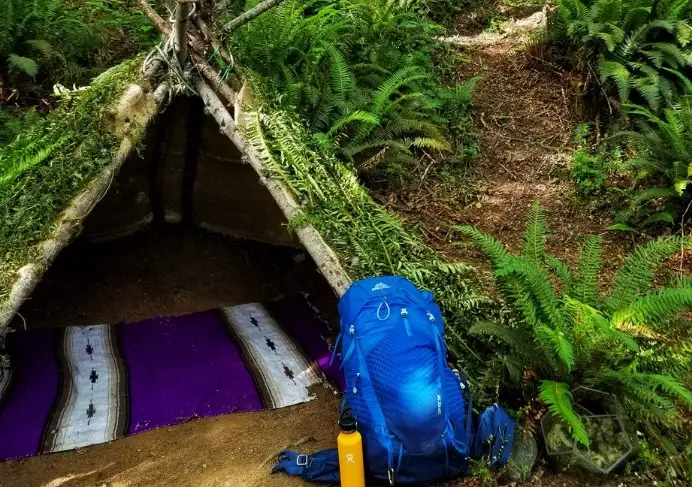
Solitude and a True Escape
This is the big one. In our hyper-connected world, real silence and solitude are commodities. Developed campgrounds can sometimes feel like a suburbia moved into the woods. Primitive camping offers a genuine escape from crowds, noise, and light pollution. The night sky looks different when there's not a single electric light for miles. Your brain, constantly buzzing from notifications, finally gets to power down. It's a reset button.
Freedom and Adventure
No reservations? No check-in times? No rules about where exactly your tent must be? There's an incredible sense of freedom in that. Your itinerary is the weather and your own two feet (or four wheels). You explore, find a spot that speaks to you, and make it home for the night. It feels more like exploration than recreation.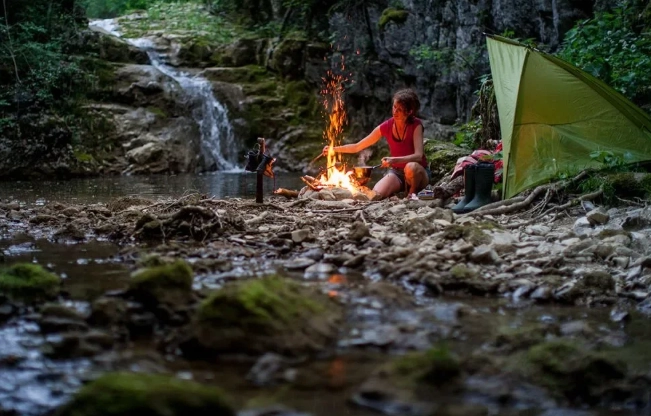
Deeper Connection with Nature
When you have to manage your own water, your own waste, and your own impact, you become hyper-aware of the environment. You notice animal signs more. You listen to the weather more intently. You develop a practical respect for the ecosystem you're visiting. This connection is often diluted when amenities are placed between you and the land.
Challenge and Self-Reliance
Let's not romanticize it—it can be tough. Filtering water, setting up a proper bear hang, navigating without cell service, managing weather. But overcoming those small challenges builds confidence and practical skills. There's a profound satisfaction in knowing you can take care of yourself in the wild with what you have on your back.
A Reality Check: It's not all epic sunsets and zen moments. I've spent miserable, rainy nights in a leaky tent, been driven insane by mosquitoes, and had to pack up a sopping wet campsite at dawn. The challenge is part of the package. If you go in expecting a perfectly comfortable, Instagram-filtered experience every time, you'll be disappointed. Embrace the grit.
Where Do You Even Go? Finding Primitive Camping Spots
This is the million-dollar question. You can't just pull off any roadside and pitch a tent. Knowing where it's legal and appropriate is the first critical skill in answering the practical side of "what is meant by primitive camping?".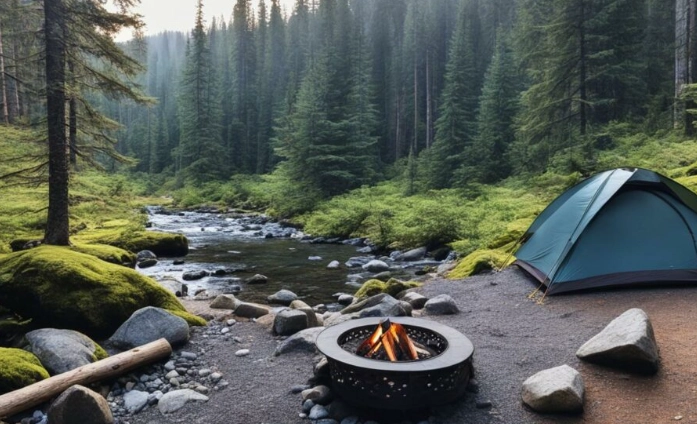
The golden rule: Always check with the land manager first. Rules change, areas close for restoration, and fire bans happen.
Public Lands Are Your Best Friend
In the United States, millions of acres of public land allow some form of dispersed or primitive camping.
- National Forests (USFS): This is often the prime territory. Most National Forests allow dispersed camping outside of developed campgrounds and certain protected areas. You'll often drive down Forest Service roads to find spots. The US Forest Service website is an essential resource for district-specific rules.
- Bureau of Land Management (BLM) Land: Huge swaths of land, especially in the Western U.S., are managed by the BLM. Like National Forests, they generally allow dispersed camping. The BLM website has state-specific guides.
- National Grasslands and Wildlife Management Areas: Often have similar dispersed camping policies but with specific restrictions to protect wildlife.
- Some State Trust Lands and State Forests: Rules vary wildly by state, so research is key. Some require a specific recreation permit for access.
What About National Parks?
This is a common point of confusion. Most National Parks have developed campgrounds. True primitive camping within parks is usually called backcountry camping or wilderness camping, and it almost always requires a permit obtained in advance or at a ranger station. You usually have to hike or paddle a significant distance from any road. The National Park Service site for your chosen park is the absolute authority on their specific, often strict, rules.
A quick tip: Look for land that borders a popular National Park. Often, the adjacent National Forest will have similar scenery but far fewer people and more flexible camping rules.
The Non-Negotiable Gear Shift: What You Actually Need
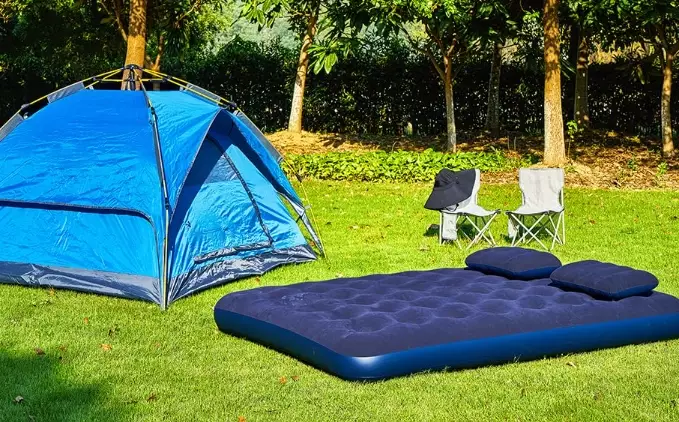
Your car-camping checklist needs a major overhaul. Forget the giant air mattress and the string lights. Primitive camping gear is about reliability, multi-function, and weight (even if you're not backpacking far).
The Core Four Systems
Every piece of your kit should fit into one of these categories: Shelter, Sleep, Kitchen, and Safety/Survival. If it doesn't serve a critical function in one of these systems, seriously question if it's worth the space.
Shelter: Your Mobile Home
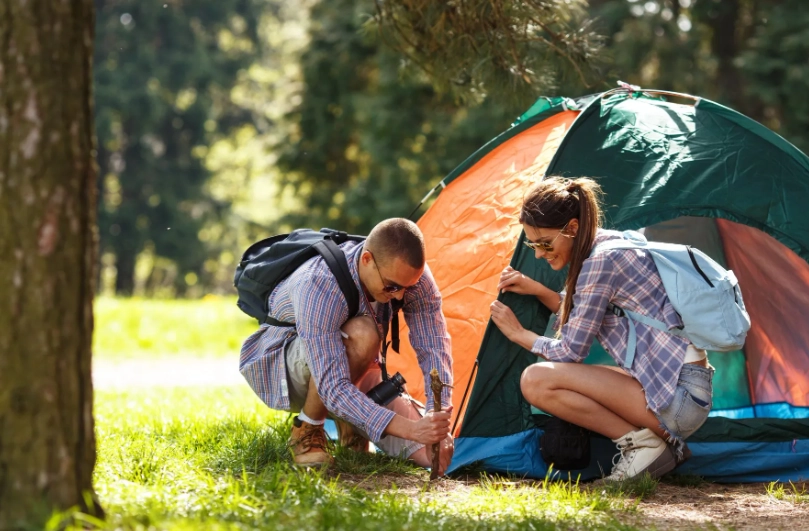
A good tent is non-negotiable. But "good" doesn't mean the biggest or the one with the most rooms. It means weatherworthy, with a full-coverage rainfly and decent ventilation to reduce condensation. A footprint (or a piece of tyvek) to protect the tent floor is a wise investment when you're on rough ground you didn't clear.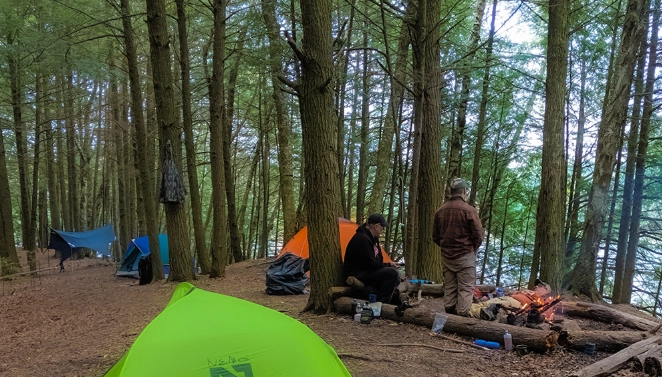
I made the mistake of using a cheap festival tent once. A sudden mountain thunderstorm turned it into a soggy, flapping nightmare. Never again. Spend money here.
Sleep System: Comfort is King (or Queen)
You can skimp on some things, but not on sleep. A cold, sleepless night ruins the whole experience. This is a layered system:
- Insulation from the ground: A sleeping pad with a good R-value (insulation rating). Inflatable pads are comfy but can pop; closed-cell foam pads are bombproof but less cushy.
- Insulation on top: A sleeping bag rated for temperatures colder than you expect. A 30-degree bag is miserable on a 40-degree night.
- Pillow: An inflatable or stuff-sack-with-clothes pillow. Your neck will thank you.
The Kitchen: No Tap, No Problem
This is where the self-sufficiency of what is meant by primitive camping really kicks in.
- Water: You need containers to carry it in (hard-sided jugs or collapsible bladders) AND a way to treat more. A filter like a Katadyn or Sawyer Squeeze is the most versatile. Chemical tablets (like Aquamira) are a good backup. Boiling works but uses fuel and time.
- Stove: A reliable backpacking stove (canister or liquid fuel) is essential unless you're certain about fire availability and have the skill to cook over one. Don't plan on a fire for cooking.
- Food Storage: This is critical for safety and Leave No Trace. In bear country, a hard-sided bear canister or a proper bear hang is not optional—it's the law in many places. Even in non-bear areas, rodents and raccoons will ruin your trip. Use a rat-proof container or hang your food bag.
Safety & Navigation: Don't Get Lost
Your phone will likely have no service.
- Paper Maps & Compass: And the knowledge to use them. A GPS device (like a Garmin inReach) is fantastic, but don't rely solely on electronics.
- First-Aid Kit: A real one, tailored for the outdoors. Include blister care, antiseptic, bandages, and any personal meds.
- Communication: A fully charged power bank for your phone (for photos, offline maps), and consider a satellite messenger for true emergencies in deep backcountry.
- Lighting: A headlamp (with extra batteries) is worth its weight in gold. A small lantern for camp is nice but not critical.
The Skills You Can't Buy: More Important Than Gear
Gear is useless without know-how. Understanding what is meant by primitive camping means committing to learning a few key skills.
Leave No Trace Mastery
This isn't a suggestion; it's the ethical foundation. You must internalize the 7 Principles of Leave No Trace.
- Plan Ahead and Prepare: Know the regulations, prepare for extreme weather, and repackage food to minimize waste.
- Travel and Camp on Durable Surfaces: Use established trails and campsites when they exist. In pristine areas, camp on rock, sand, gravel, dry grass, or snow. Avoid trampling vegetation.
- Dispose of Waste Properly: Pack out all trash, leftover food, and litter. Deposit solid human waste in catholes dug 6-8 inches deep, at least 200 feet from water, camp, and trails. Pack out toilet paper.
- Leave What You Find: Preserve the past. Don't touch cultural or historic structures. Leave rocks, plants, and other natural objects as you find them.
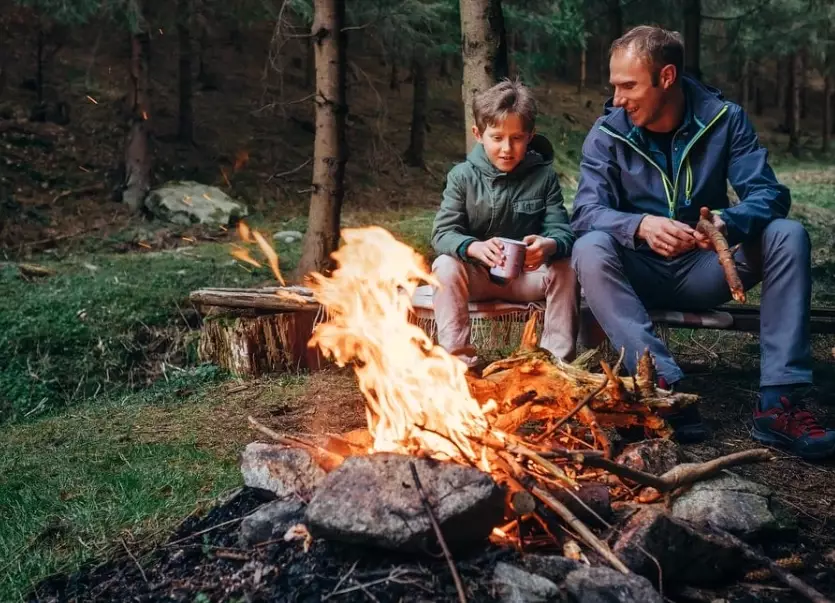
- Minimize Campfire Impacts: Use a camping stove for cooking. Where fires are permitted, use established fire rings, keep fires small, and burn all wood to ash. Put out fires completely.
- Respect Wildlife: Observe from a distance. Never feed animals. Store food and trash securely.
- Be Considerate of Other Visitors: Respect their experience. Let nature's sounds prevail; avoid loud voices and noises.
Site Selection and Setup
Finding a good spot is an art. Look for level ground, free of dead branches overhead ("widowmakers"). Camp at least 200 feet from lakes and streams to protect water quality and allow wildlife access. Consider wind direction and sunrise. Is there a natural windbreak? Will the morning sun help dry your tent?
Basic Wilderness First-Aid
Knowing how to treat blisters, minor cuts, dehydration, and hypothermia basics can turn a potential crisis into a manageable inconvenience. Take a course.
Answering Your Burning Questions (FAQ)
Making the Leap: Your First Primitive Camping Trip
Ready to try? Don't start with a week in the remote wilderness. Ease into it.
Step 1: The Shakedown. Go car camping at a developed site, but pretend it's primitive. Don't use the water tap—use jugs you filled at home. Don't use the bathroom—practice your cathole method in a designated area (ask the camp host!). Cook only on your stove. This is a zero-risk way to test your gear and routines.
Step 2: The Easy Overnighter. Find a dispersed camping area close to home, preferably one that's not too remote. Go for just one night. Arrive with plenty of daylight to find a spot and set up. Keep the meals simple. Your goal is to experience the solitude and routine, not to summit a mountain.
Step 3: Reflect and Refine. What did you forget? What did you not use? Was your sleeping bag warm enough? Did you have enough water? Adjust your kit.
Step 4: Go Deeper. Now you're ready for a longer stay or a more remote location. Maybe even try a short backcountry hike-in trip.
Remember, the goal isn't to be perfect. It's to be safe, respectful, and open to the experience.
The Bottom Line
So, what is meant by primitive camping? It's more than a definition. It's an invitation to trade convenience for authenticity, to swap curated comfort for unpredictable wonder. It's about remembering that we are capable of more than we think, and that the natural world offers a kind of peace and perspective that no developed campground can provide.
It asks more of you—more preparation, more skill, more self-reliance. But in return, it gives you more: more silence, more stars, more freedom, and the profound satisfaction of knowing you can find your way in the wild. It's not for every trip, but every outdoor enthusiast should know what it means and try it at least once. You might just find that the raw, unfiltered version of camping is the one you've been searching for all along.
Now, go check the weather, dig out that map, and start planning your own back-to-basics adventure. The woods are waiting.