I remember the first time I got caught. A weekend in the Blue Ridge Mountains, forecast said 30% chance of showers. We all know what that means. By hour three of a steady, cold drizzle, my cheap "water-resistant" jacket had surrendered, my socks felt like sponges, and a profound, shivering misery had set in. I swore off wet weather camping forever. Then I met people who sought it out. Who talked about the sound of rain on the fly, the emptiness of trails, the deep green saturation of a wet forest. I realized I wasn't against camping in the rain; I was just spectacularly bad at it. With the right approach, a rainy trip can be more rewarding than a sunny one. Here’s how to shift from victim to veteran.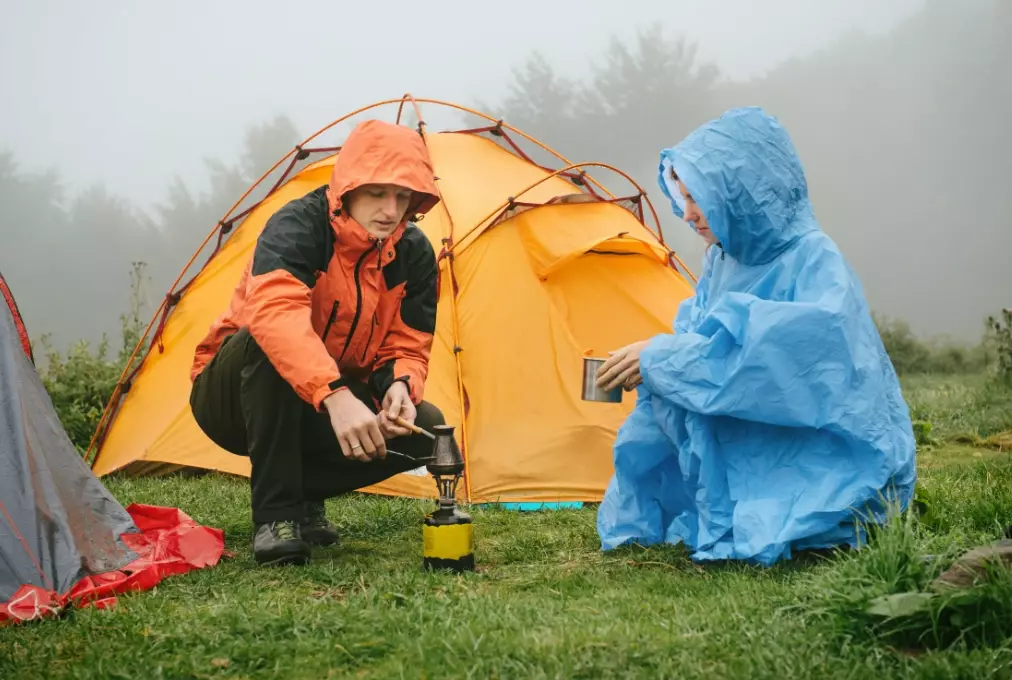
What's Inside This Guide?
Mindset First, Gear a Very Close Second
You have to accept that you will get wet. The goal isn't to stay bone-dry for 48 hours—that's impossible. The goal is to manage moisture so your core stays warm, your sleep system stays dry, and you can change into dry layers when it counts. This mindset change eliminates the panic when a drop hits your neck.
Now for the gear. This isn't your standard camping checklist. This is a moisture warfare kit.
The Shelter System: Your Primary Defense
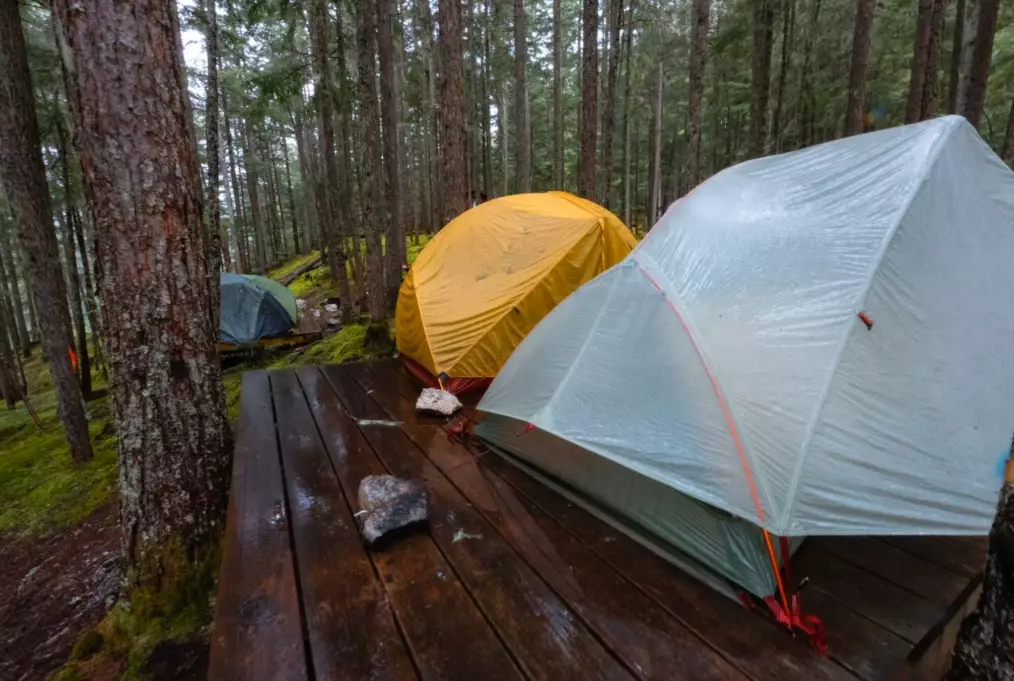
Your tent is your castle. A common mistake is buying a three-season tent with great ventilation but a rainfly that looks like a handkerchief draped over the top. You need a full-coverage rainfly that goes nearly to the ground. Before any rainy trip, I re-seam seal the fly and floor. Factory sealing often misses spots. A small $8 bottle of seam sealer has saved more trips than any fancy gadget.
A footprint is not optional. It protects the tent floor from abrasion and ground moisture. Make sure it's slightly smaller than the tent floor so it doesn't channel water underneath.
Rain Gear: It's Not Just a Jacket
Think in layers. A waterproof-breathable shell (like Gore-Tex) is ideal, but a quality non-breathable rain suit (think fishing gear) can work if you manage sweat. The real secret? Rain pants. Everyone gets a jacket; few get the pants. Wet legs lead to cold faster than you think.
Pack an umbrella for camp. A lightweight hiking umbrella lets you cook, organize gear, or just stand outside without being suited up. It’s a luxury that feels like a necessity.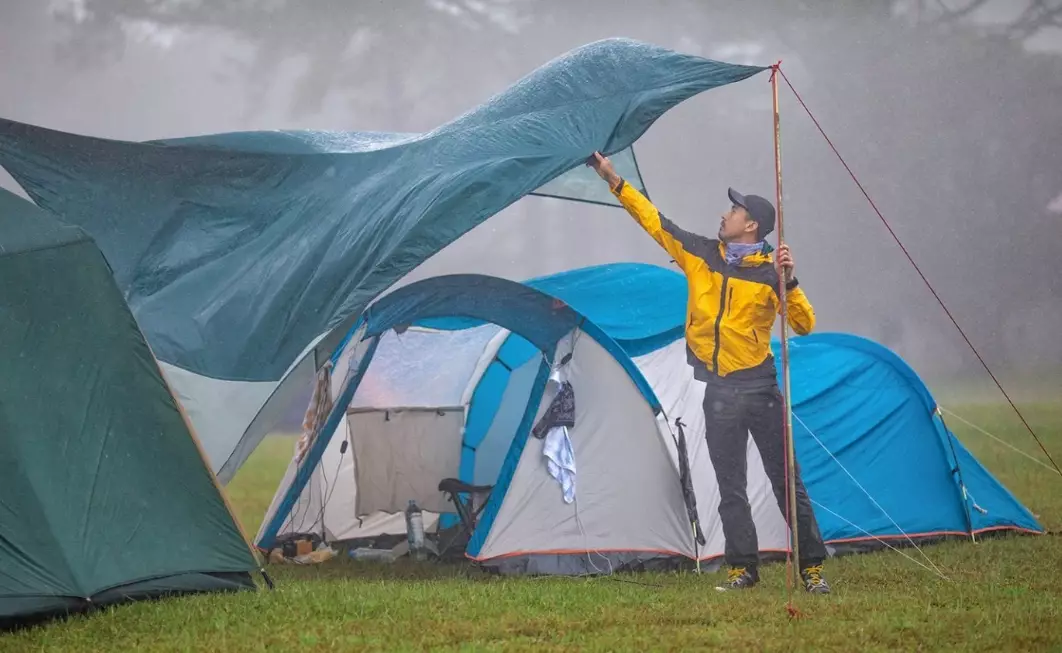
| Gear Category | Essential Item | Why It Matters in Rain |
|---|---|---|
| Shelter | Full-Coverage Rainfly & Footprint | Creates a dry island; prevents ground seepage and fly failure. |
| Clothing | Rain Pants & Gaiters | Keeps legs and boots dry from brush and runoff; gaiters stop water from entering boot tops. |
| Pack Management | Pack Liner (Trash Compactor Bag) | A pack cover gets the outside wet; a liner keeps the inside contents 100% dry. Use both. |
| Footwear | Quick-Dry Shoes & Wool Socks | Your feet will get wet. Wool insulates when wet; quick-dry shoes won't stay soggy for days. |
| Camp Comfort | Lightweight Tarp & Cord | Create a dry communal area outside the tent for cooking and hanging out. |
Campsite Selection and Setup Hacks
Picking a spot in the rain is a different game. That beautiful, flat site at the bottom of a hill? That's now a pond. Look for natural drainage. A slight slope is good. Scan the ground for subtle channels where water might run.
Look up. Beware of "widowmakers"—dead branches or whole trees that a saturated root system or strong wind could drop. The U.S. Forest Service routinely warns about this hazard in wet conditions.
When you pitch your tent, tighten the guylines. A taut rainfly sheds water. A loose one sags, touches the inner tent, and wicks water inside. If the ground is soft, use rocks or logs as deadman anchors.
Dig a small trench around your tent? Most leave-no-trace ethics strongly discourage this, as it causes erosion. Better to have chosen a well-draining site from the start. Use your footprint correctly.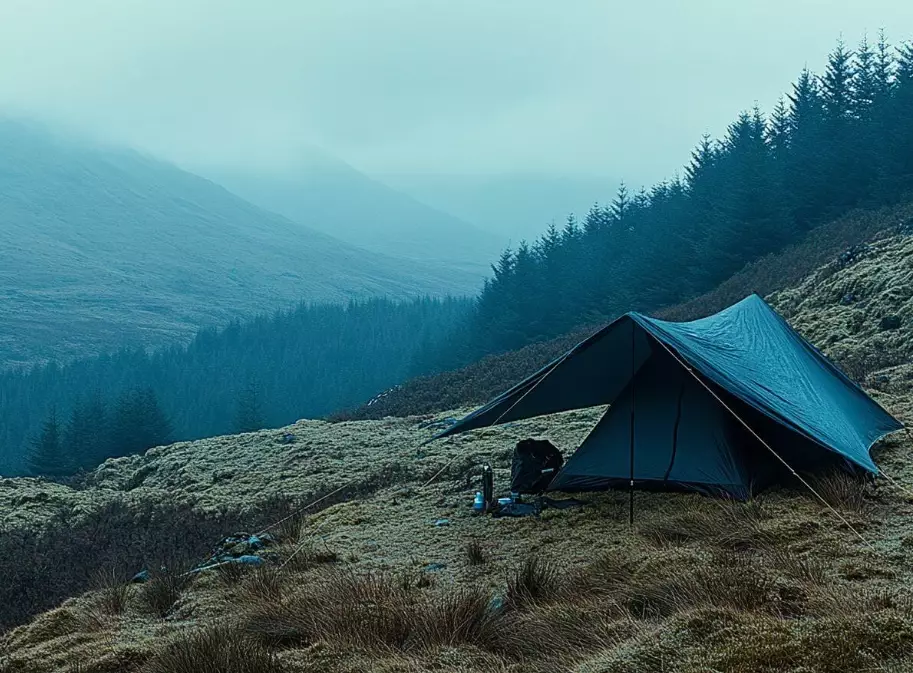
Staying Safe, Dry, and (Actually) Comfortable
The Dry Sanctuary: Managing Your Tent Interior
Designate a "wet zone" in the vestibule. All wet gear—boots, rain shells, packs—stays here. Inside the tent is a sacred dry space. Bring a small pack towel or microfiber cloth to wipe down condensation (there will be condensation) and any moisture you track in.
Your sleep system is your lifeline. Keep your sleep clothes and sleeping bag in a separate dry bag inside your pack liner. Change into them only after you're fully in the tent and have dried off. Wearing damp base layers to bed is a shortcut to a miserable night.
Cooking and Water in the Wet
Have a plan for cooking under your tarp or in the vestibule with ample ventilation to avoid carbon monoxide poisoning. A windscreen becomes a rain shield. Prep meals that require minimal simmering to reduce steam inside your shelter.
Water sources can become silty or contaminated after heavy rain. Your filter might clog faster. Have backup purification tablets. Always check current conditions with local land managers, like the National Park Service, for trail washouts or contaminated water advisories.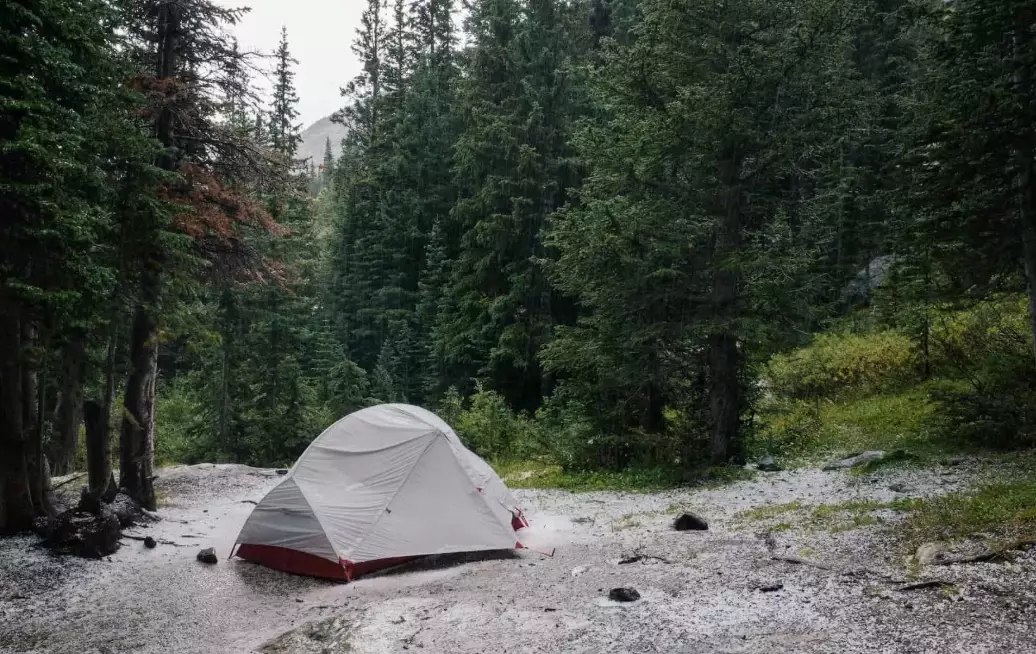
What to Do When the Skies Open Up
Hiking in a light rain can be magical. Trails empty out, colors pop, and the air smells incredible. But during a downpour or if you just want a camp day, have options.
- Read or Journal: The sound of rain is the perfect backdrop.
- Organize and Repair Gear: Finally fix that torn stuff sack.
- Bird/Wildlife Watching: Animals are often active during and after rain.
- Photography: Rain brings out details, reflections, and moody skies.
- Just Listen: Seriously. Lie back and listen to the rhythm on the fly. It's the best white noise machine ever invented.
I keep a dedicated "rainy day kit" in my pack: a paperback, a small deck of cards, and a notebook. It weighs nothing and saves morale.
The Critical Post-Trip Ritual
This step is what preserves your gear for next time. Never just throw your wet tent in the garage.
- At Home, Pitch Everything: Set up the tent and fly in your basement, garage, or on a sunny patio. Let it dry completely. This prevents mildew, which destroys fabric and coatings.
- Clean Gently: Wipe down mud and dirt with a damp cloth. For stubborn grime, use a technical cleaner made for outdoor gear (Nikwax Tech Wash, for example). Never use detergent or machine wash unless the manufacturer explicitly says it's okay.
- Re-Waterproof: Once clean and dry, reapply DWR to your rain gear and tent fly following product instructions.
- Store Loosely: Store your tent loosely in a large cotton sack or old pillowcase, not stuffed in its tight compression sack.
It's an hour of work that adds years to your gear's life.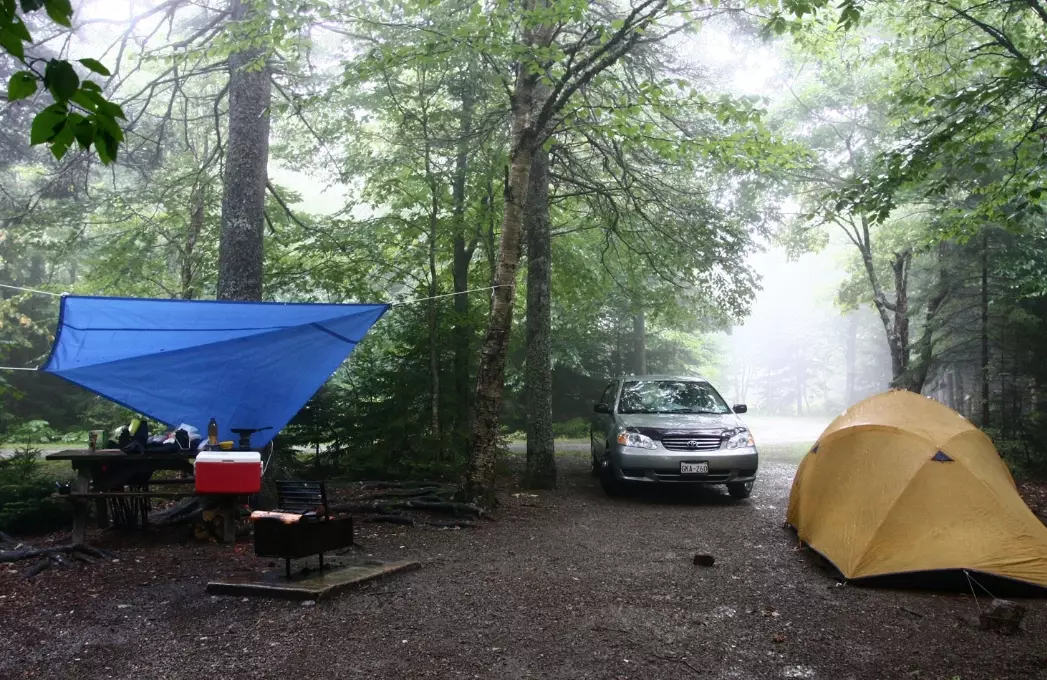
Your Rain Camping Questions, Answered
 How can I safely handle a sudden thunderstorm while camping in the rain?
Camping in the rain forces you to slow down, to pay attention to details you'd otherwise ignore. It tests your preparation and rewards competence with a unique kind of peace. The forest is different in the rain—quieter, more intense, more alive. With the right knowledge and gear, you don't have to hide from it. You can settle in, listen to the patter on the fly, and know you've built a small, dry haven in the middle of it all. That's a feeling a sunny day can't quite match.