In This Guide
Let's be real for a second. When you think of camping, you might picture your dad struggling with a tent pole in the rain, a smoky campfire, and cans of beans. That image is, frankly, ancient history. For Gen Z—those born roughly between 1997 and 2012—camping is something else entirely. It's less about roughing it and more about crafting an experience. It's aesthetic, it's shareable, and it's deeply connected to their values.
I've spent a lot of time talking to younger campers, scrolling through their #CampTok setups, and honestly, sometimes I'm jealous of how they do it. They've taken the classic outdoor trip and remixed it with a digital-first, values-driven mindset. So if you're wondering what are the trends for Gen Z camping, you're not just asking about new sleeping bags. You're asking about a cultural shift in the outdoors.
This isn't a passing fad. It's a full-blown redefinition of what it means to get outside. And whether you're a Gen Z'er planning your first trip, a millennial feeling outdated, or a brand trying to understand the market, these trends are the map to the new wilderness.
The Core Mindset: Why Gen Z Camps Differently
You can't talk about the gear or the destinations without understanding the why. For older generations, camping was often a default, budget-friendly vacation. For Gen Z, it's a conscious choice loaded with meaning.
First off, there's the sustainability angle. This isn't just a nice-to-have; it's non-negotiable. I see kids meticulously sorting their recycling at the campsite, choosing gear from eco-conscious brands, and planning trips around Leave No Trace principles more rigorously than any scout troop I remember. They're the generation that grew up with climate change as a daily headline, so their outdoor time is both an escape from that anxiety and a way to tangibly connect with—and protect—the environment. Organizations like the Leave No Trace Center for Outdoor Ethics have seen a significant surge in interest from this demographic, which tells you something.
Then there's the digital layer.
Call them digital natives all you want, but they have a fascinatingly nuanced relationship with tech outdoors. It's not about being glued to a screen. It's about using technology to enable and enhance the experience. A phone isn't just for emergencies; it's for mapping the perfect hike on AllTrails, identifying a bird with an app, capturing a sunset for Instagram, and then putting it away to actually be present. The goal is often to create content from the experience, not to have an experience for content. It's a subtle but important difference.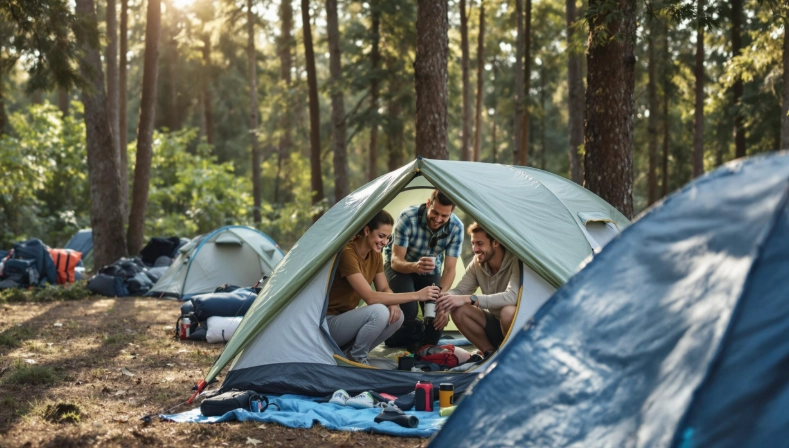
Breaking Down the Biggest Gen Z Camping Trends
Alright, let's get into the nitty-gritty. When we drill down into what are the trends for Gen Z camping, a few major themes keep popping up. These aren't just random ideas; they're interconnected movements shaping how this generation plans, packs, and plays outside.
1. The "Grammable" Camp: Aesthetics Meet the Outdoors
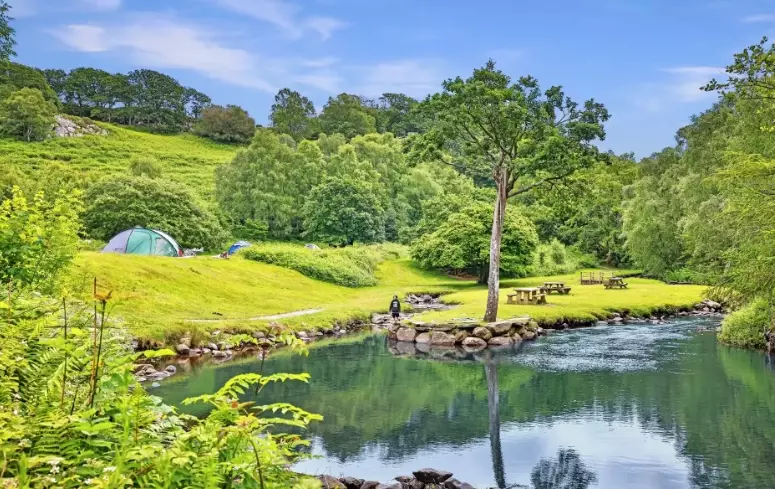
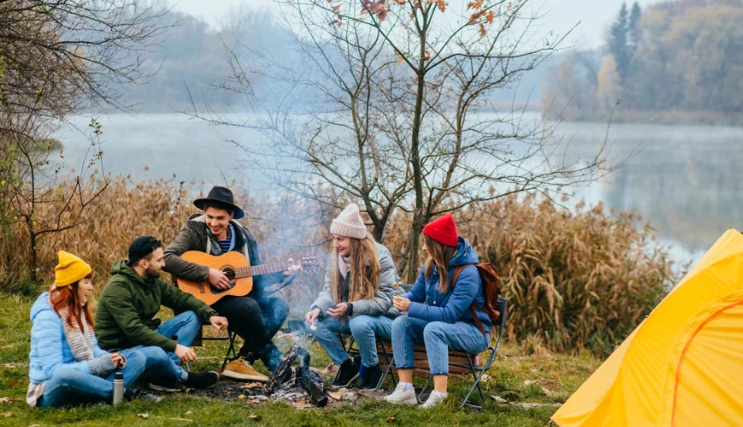
Mock it if you want, but the desire for a visually pleasing campsite is a huge driver. This isn't (always) pure vanity. It's about creating a comfortable, inviting personal space in nature. Think string lights powered by a solar charger, a neatly arranged rug in front of the tent, matching enamel mugs, and a well-composed camp kitchen.
The trend leans heavily into what's being called "soft camping" or the more accessible side of glamping. You don't need a yurt with a chandelier. You need a cohesive color scheme and gear that looks good in photos and works well. Brands are catching on, moving away from just technical khaki and towards palettes with muted earth tones, olive greens, and terracottas. The campsite becomes an extension of personal style.
I have a friend who spent more time picking her tent's color (a sage green) than she did choosing her college minor. Her logic? "If I'm going to wake up to it for three days, I want it to be peaceful." Can't argue with that.
2. Sustainability as a Non-Negotiable
This is the backbone. For Gen Z, sustainable camping is the only kind of camping that makes sense. It influences every decision.
- Gear: Thrifting vintage wool blankets or Patagonia fleeces is a flex. Buying new means looking for brands that use recycled materials, have repair programs, or pledge a percentage to conservation. The REI Co-op model of quality and stewardship resonates deeply here.
- Consumables: Single-use plastics are a major faux pas. You'll see reusable silicone bags, beeswax wraps, metal straws, and solid shampoo bars. The goal is to pack out all trash, leaving the site cleaner than they found it.
- Travel: There's a growing awareness of the carbon footprint of travel itself. This is leading to more trips to local or regional parks instead of flying across the country, and carpooling with friends is the standard.
The trend isn't about being perfect. It's about being mindful. Every reusable bottle and every piece of litter picked up is seen as a direct action against a larger environmental problem.
3. Social Camping & Micro-Adventures
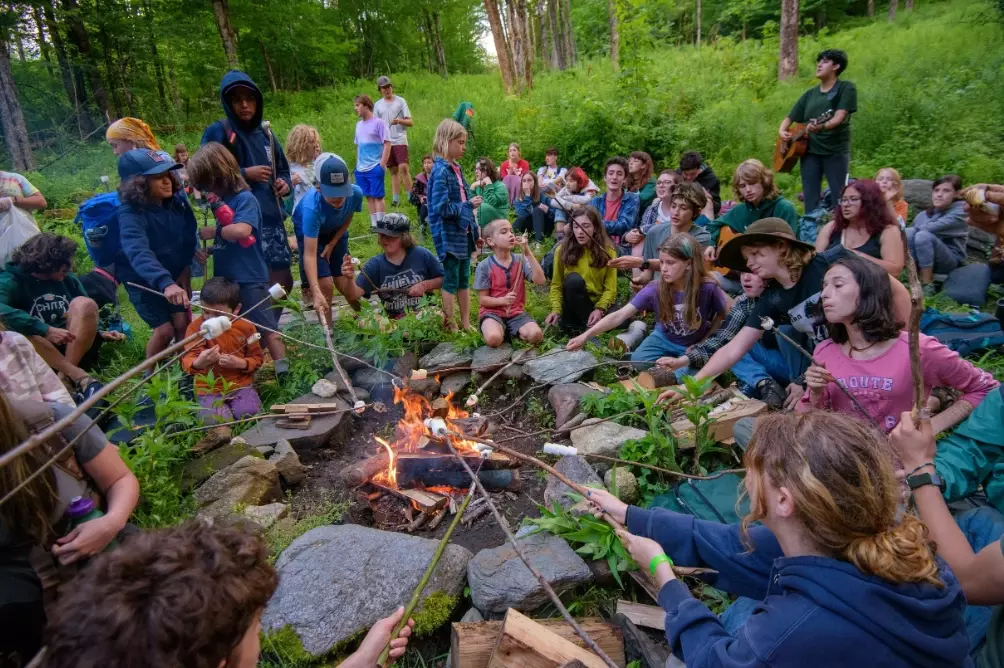
Gen Z is famously social, and that translates to the outdoors. Solitary, weeks-long backpacking trips are less common than group outings. Camping is a shared social experience. It's about renting a group campsite with 10 friends, splitting gear costs, and collaborating on meals.
This ties into the trend of "micro-adventures." Not everyone has a month to hike the Pacific Crest Trail. A trend for Gen Z camping is the weekend getaway—leaving Friday after work, driving a few hours, and being back by Sunday night. It's accessible, affordable when shared, and fits into busy lives of work or school. The U.S. National Park Service has reported increased visitation in parks closer to urban centers, supporting this shift towards shorter, more frequent trips.
It's less about the epic saga, more about the consistent chapter.
The Gen Z Camping Gear List: What's In, What's Out
Gear is where these trends become tangible. The classic checklist has been totally overhauled. Here’s a breakdown of the essential kit, reflecting the priorities we just talked about.
| Category | The Gen Z Pick (The "In") | The Old-School Standard (The "Out") | Why the Shift? |
|---|---|---|---|
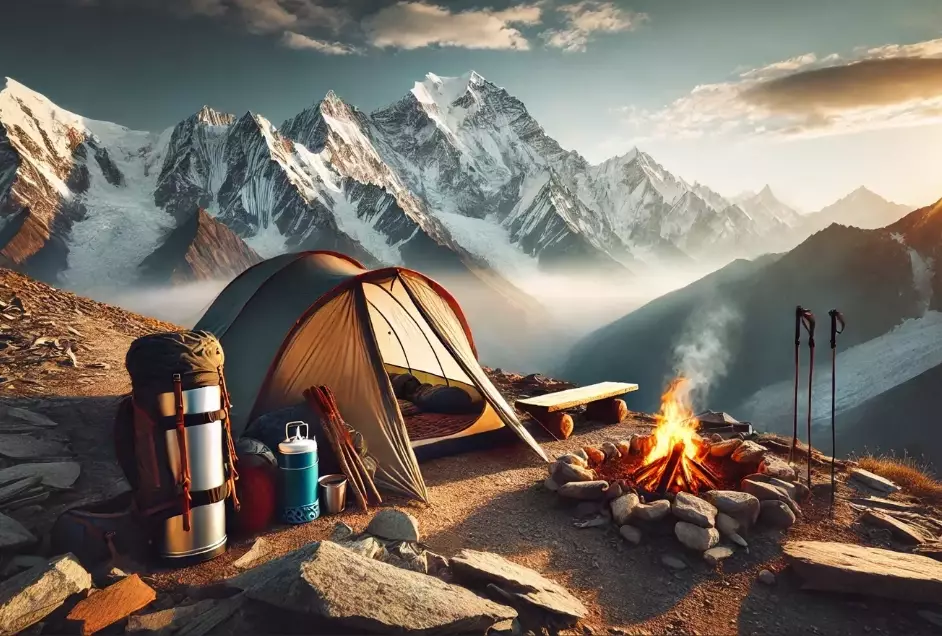
| Shelter | Instant-pop-up tents in neutral colors; Hammocks with integrated bug nets; Lightweight trekking pole tents for backpackers. | Heavy, complicated dome tents in bright blue. | Speed, aesthetics, and weight matter. Ease of setup means more time relaxing. |
| Sleep System | Inflatable sleeping pads with high R-values (for comfort & warmth); Recycled-fill sleeping bags; Fitted fleece liners. | Thin foam pads; Bulky, rectangular sleeping bags. | Comfort is key for a good night's sleep. Ethical materials are a priority. |
| Kitchen | Compact propane stoves like Jetboil; Nesting cooksets; Reusable silicone collapsible bowls/ cups; Portable French press. | White gas stoves; Heavy metal pots; Plastic plates and cups. | Efficiency, packability, and eliminating single-use items. Good coffee is a necessity, not a luxury. |
| Hydration | Insulated water bottles (Stanley, Hydro Flask); Gravity-fed water filters (like Platypus); Hydration bladders. | Single-use plastic water bottles; Iodine tablets. | Reusability is paramount. Filters are faster, taste better, and create less waste than chemical treatments. |
| Extras & Tech | Solar power banks; Compact Bluetooth speakers; LED string lights; Action cameras (GoPro); Satellite messengers (Garmin inReach Mini). | Lanterns that eat D batteries; Disposable cameras; Being completely off-grid without communication. | Tech enables safety, entertainment, and content creation. Solar power aligns with sustainability goals. |
Notice how the "In" column isn't just about having the fanciest stuff. It's a mix of practicality (instant tents), ethics (recycled fill), and experience-enhancers (good coffee, lights). The gear serves the mindset.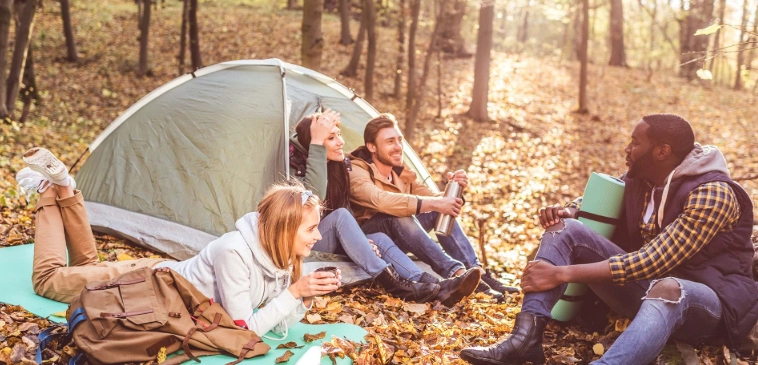
Planning a Trip the Gen Z Way
So you want to try this style of camping? The planning process itself is a trend. It's highly researched, digitally facilitated, and community-sourced.
Step 1: Inspiration & Research. This starts on TikTok (#CampTok), Instagram, and YouTube. They're not looking at glossy brochures; they're watching real people's experiences—the good, the bad, and the muddy. They'll note specific campsite numbers at popular parks because they saw the view from site #45 in a video. Apps like The Dyrt and Hipcamp are huge for finding and booking unique spots, from national park sites to private land.
Step 2: Logistics & Booking. This generation is booking everything online, often months in advance for popular spots. They're savvy about using recreation.gov for federal lands and understand permit systems. A key trend is the rise of alternative accommodations booked through Hipcamp or similar—staying on a farm, in a vineyard, or on private forest land. It feels more unique and can be less crowded.
Step 3: The Social Logistics. A group chat is command central. Spreadsheets are shared to coordinate who brings the tent, who handles food, and who's driving. Payment apps like Venmo make splitting costs seamless. The planning is collaborative and transparent.
Step 4: The Pack. Packing is done with intentionality, balancing the eco-friendly kit with the comfort and tech items. There's always a backup battery pack and a downloaded playlist for the drive.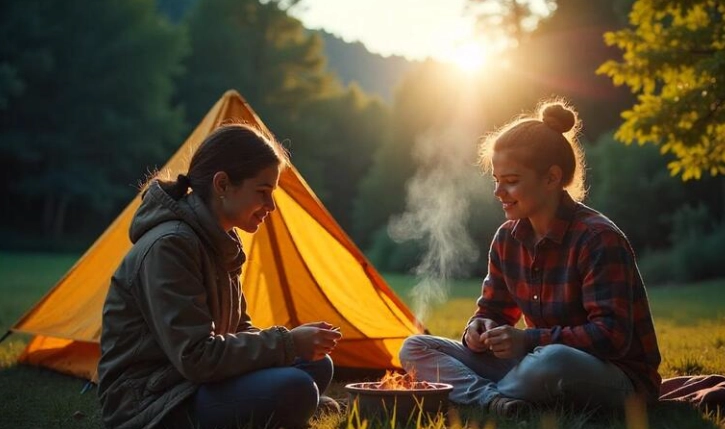
Answering Your Burning Questions (The FAQ)
The Not-So-Great Parts: An Honest Look
It's not all perfect sunsets and ethically sourced s'mores. Some trends have downsides.
The pressure to have a "perfect" aesthetically pleasing trip can create anxiety, which is the opposite of what camping should relieve. I've seen people stress more about the Instagram photo than about whether they have enough water. It's a trap.
The popularity driven by social media is causing overcrowding at once-secret spots. Fragile ecosystems are getting loved to death. This is the dark side of the trend, and the generation is aware of it. The response is a growing emphasis on dispersing impact, seeking out lesser-known areas, and keeping specific geotags vague to protect places.
There's also a weird consumerism paradox. The trend champions sustainability but is also driven by marketing for new, "better" eco-friendly products. The most sustainable choice is often to use your old gear until it dies, but that doesn't fit the new aesthetic. It's a tension they're navigating.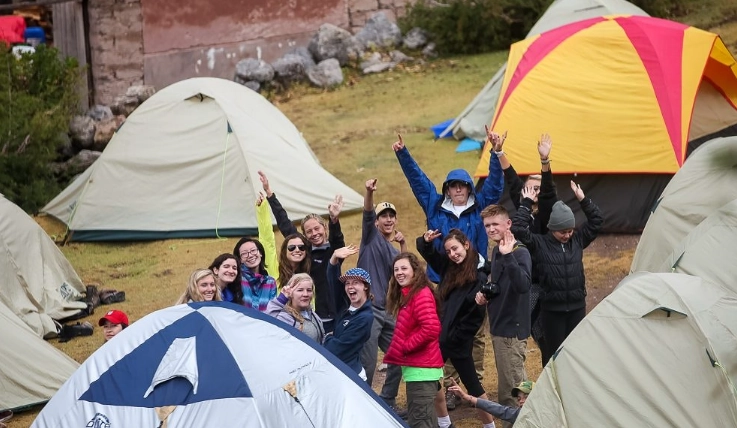
Looking Ahead: Where Are These Trends Going
So, what's next? Based on where things are now, a few predictions.
Hyper-Local Exploration: As fuel costs and environmental concerns rise, exploring state parks, county forests, and even urban-adjacent green spaces will become even bigger. Knowing your local biome intimately will be the new cool.
Skill-Based Camping: Beyond just setting up a tent, there's growing interest in foraging (safely and ethically), basic wilderness first aid, navigation without GPS, and campfire cooking beyond hot dogs. It's about deepening the connection through knowledge.
Tech Integration 2.0: Think augmented reality trail guides, apps that better help with trip planning and carbon footprint estimation, and even more reliable and affordable satellite internet for remote work from truly wild places ("workation" camping).
Ultimately, the trends point towards camping becoming a more integrated, regular part of life—not a once-a-year escape. It's a lifestyle pillar for wellness, community, and environmental stewardship.
Wrapping this up, asking what are the trends for Gen Z camping reveals much more than a list of hot new products. It uncovers a generation that is pragmatic yet idealistic, digitally fluent yet craving authenticity. They are demanding that the outdoor industry be better—more inclusive, more sustainable, more innovative. They're not waiting for permission to redefine the experience; they're just doing it, one aesthetically arranged, solar-lit, responsibly enjoyed campsite at a time.
And you know what? The outdoors is better for it.