Quick Guide
- Why Go Camping in Summer Anyway? (It's Not Just About the Weather)
- Your Pre-Trip Homework: Picking the Perfect Summer Spot
- The Summer-Specific Gear Shuffle: What to Pack (and What to Leave)
- Mastering the Art of the Summer Camp Day
- Taming the Summer-Specific Annoyances
- Summer Camping with Kids or Pets
- Answering Your Big Questions About Camping in Summer
- Wrapping It Up: The Mindset for a Great Summer Trip
Let's be honest, the idea of camping in summer sounds perfect—long days, warm nights, swimming under the sun. But then you remember the sweat, the bugs, the feeling of your sleeping bag turning into a sauna. I get it. I've had trips where I spent more time swatting mosquitoes than enjoying the view, and nights so hot I just stared at the tent ceiling wondering why I didn't pick a hotel.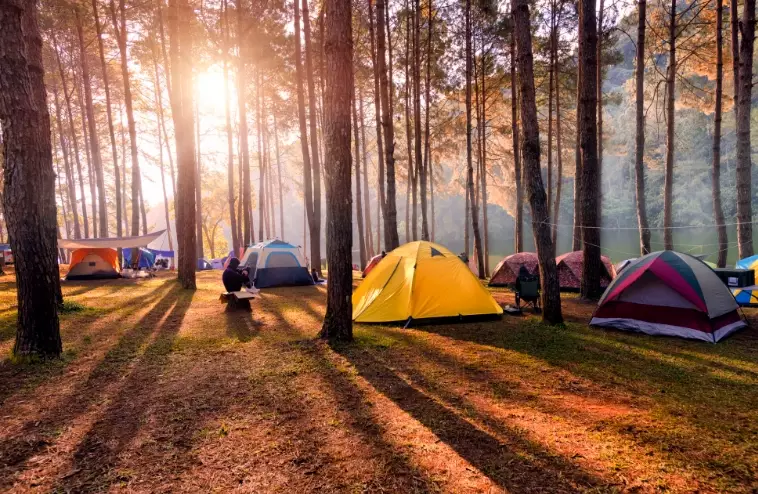
But here's the thing: summer camping doesn't have to be a sweaty, itchy ordeal. With the right approach, it can be the best camping of the year. This guide isn't about selling you a fantasy. It's about giving you the real, practical info you need to plan a trip that's fun, safe, and surprisingly comfortable. We'll talk gear, location hacks, food that won't spoil, and how to handle everything summer throws at you, from afternoon thunderstorms to determined raccoons.
Think of this as a chat with a friend who's made the mistakes, so you don't have to.
Why Go Camping in Summer Anyway? (It's Not Just About the Weather)
Sure, the warm weather is the big draw. But camping in summer offers some unique perks that other seasons just can't match. The daylight seems to last forever, giving you extra hours for hiking, fishing, or just lounging by the campfire. Water activities become a central part of the trip—whether it's a lake, river, or ocean, having a cool dip nearby is a game-changer. For families, it aligns perfectly with school breaks, making it the most convenient time for a multi-day outdoor adventure.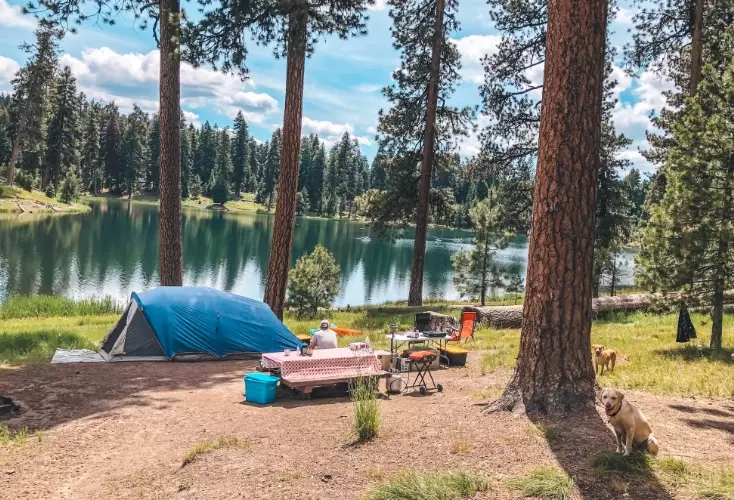
But, and this is a big but, it comes with its own rulebook. Ignoring it is a fast track to a miserable time.
Your Pre-Trip Homework: Picking the Perfect Summer Spot
This might be the most important step for camping in summer. Where you pitch your tent makes all the difference.
Elevation is Your Best Friend
If you're camping in a mountainous region, aim high. Temperature drops roughly 3.5 to 5 degrees Fahrenheit for every 1,000 feet you climb. A campground at 6,000 feet will be significantly cooler and less humid than one in a valley at 2,000 feet. It's the easiest natural air conditioning you'll find.
Chase the Shade and the Breeze
When reserving a site, look for descriptions that mention shade trees. A site under a canopy of deciduous trees will be degrees cooler during the peak afternoon heat. Also, consider the site's exposure. A spot on a ridge might catch a breeze, while a site in a dense, low forest might feel stagnant and buggy. Proximity to water is great for swimming, but be warned—it often means more mosquitoes.
I learned this the hard way on a trip to a lakeside campground. The view was stunning, but by dusk, the mosquitoes were so thick we had to eat dinner inside our tent. Not ideal.
Don't Forget About Water Access
Is there a pump or spigot on your site, or is it a hike away? In summer, you'll be going through a lot more water for drinking, cooking, and cooling off. Carrying gallons of water across a hot campground is nobody's idea of a good time. The Recreation.gov site for US federal lands and many state park websites have detailed maps and site-specific notes—use them.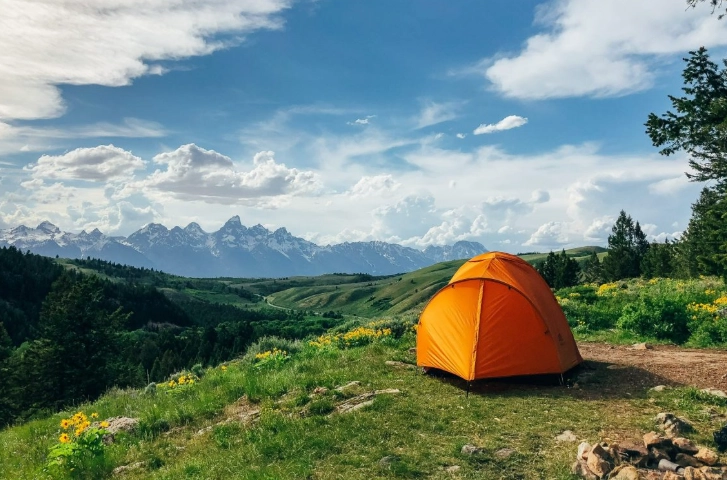
The Summer-Specific Gear Shuffle: What to Pack (and What to Leave)
Your three-season gear needs a summer tune-up. It's less about surviving the cold and more about managing heat, sun, and moisture.
| Category | Essential Summer Items | Why It's Crucial for Summer | Consider Skipping/Replacing |
|---|---|---|---|
| Shelter | **Tent with excellent mesh panels & rainfly**; lightweight tarp for extra shade; battery-powered fan. | Maximum airflow is non-negotiable. A full-coverage rainfly still needed for pop-up storms. A fan can make a tent bearable on a still night. | Heavy 4-season tent (too warm). Small, low-ventilation "backpacking" tents for car camping. |
| Sleep System | **Sleeping bag liner (cotton or silk)**; inflatable sleeping pad (insulated or not); compact camp pillow. | Use the liner alone on hot nights. Pads provide comfort and some insulation from ground chill. Comfort is key for sleep. | Your warm-weather sleeping bag (use the liner instead). Thick, foam pads that retain heat. |
| Clothing | **Lightweight, light-colored, moisture-wicking shirts/pants**; wide-brimmed hat; UV-blocking sunglasses; swimsuit; camp sandals. | Protects from sun while allowing sweat to evaporate. Prevents sunburn and heatstroke. Lets you cool off easily. | Cotton jeans, dark-colored shirts (absorb heat). Heavy hiking boots for around camp. |
| Kitchen & Food | **High-quality cooler & ice blocks**; quick-cook meals; no-cook snacks (nuts, bars, fruit); extra water containers. | Food spoilage risk is high. Minimize cooking time to avoid standing over a stove. Hydration is constant. | Complex, ingredient-heavy recipes. Perishable dairy/meats without a cooling plan. |
| Health & Safety | **Broad-spectrum sunscreen (SPF 30+) & bug spray (DEET/picaridin)**; comprehensive first-aid kit; electrolyte packets; emergency whistle. | Sun exposure and insects are primary summer hazards. Dehydration happens quickly. Be prepared for scrapes, bites, and strains. | Small, basic first-aid kits. Relying solely on water for hydration. |
That sleeping bag liner tip? Total game-changer. I switched to just a silk liner on a hot North Carolina night and finally slept through the night. The bag stayed stuffed in its sack.
Mastering the Art of the Summer Camp Day
Your daily rhythm needs to adapt to the sun's schedule. The old "hike at noon" routine will leave you exhausted and dehydrated.
Embrace the Siesta Schedule
Plan your strenuous activities—big hikes, long paddles—for the early morning and late afternoon. The light is beautiful, wildlife is more active, and the temperatures are manageable. Use the peak heat hours, roughly from 11 am to 3 pm, for downtime. Read in a hammock strung between two shady trees, play cards at the picnic table, or take a leisurely swim. This isn't laziness; it's smart energy management for camping in summer.
Hydration Isn't a Suggestion, It's the Law
You need to drink water even when you don't feel thirsty. A good rule is to have a water bottle in your hand at all times. Add electrolyte powder or tablets to one bottle per day, especially if you're active and sweating a lot. It helps with absorption and prevents that washed-out, crampy feeling. Signs of heat exhaustion—dizziness, headache, excessive sweating followed by clammy skin—mean you need to stop, get in the shade, and drink electrolyte fluids immediately. The CDC's guidelines on extreme heat are a sobering and useful read.
What about food? Keep it simple and safe.
Smart, No-Sweat Camp Cooking
Minimize cooking over a hot flame. Think pre-made: marinate meats at home and freeze them (they'll help keep other items cool), chop veggies in advance, and lean on no-cook sides like pasta salad or bean salads. A portable propane grill or a single-burner stove gets meals done faster than a wood fire. And for one night, just do a fancy cheese, cracker, and summer sausage spread. No cooking required.
Taming the Summer-Specific Annoyances
Let's talk about the elephants in the room: bugs, storms, and that relentless sun.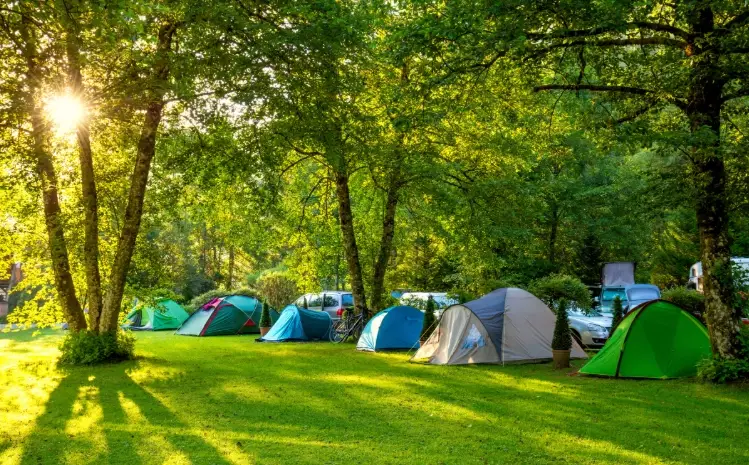
Winning the Bug War (You Won't Eradicate Them, Just Manage Them)
- Repellent: For serious bug pressure, a repellent with 20-30% DEET, picaridin, or oil of lemon eucalyptus on skin and clothing is most effective. Permethrin treatment for your clothes and gear (done at home before the trip) is a fantastic barrier against ticks and mosquitoes.
- Shelter: A pop-up screen house is worth its weight in gold for creating a bug-free zone to eat and relax.
- Campfire Smoke: A small, smoky fire can help keep bugs at bay in the evening. Sit upwind.
- Clothing: Wearing lightweight, long sleeves and pants in the evening provides a physical barrier.
Respecting the Summer Storm
Afternoon thunderstorms are a staple of summer camping in many regions. They usually build quickly. When you see those towering cumulonimbus clouds, it's time to wrap up. Secure your tent's rainfly and guylines, tie down your tarp, and pack away any loose gear. Get off ridgelines, out of open fields, and away from isolated tall trees. The safest place is inside your vehicle or a substantial building. Remember the 30-30 rule: If the time between lightning flash and thunder is 30 seconds or less, the storm is within 6 miles and is dangerous. Wait at least 30 minutes after the last clap of thunder before resuming activities. The National Weather Service lightning safety page has life-saving info.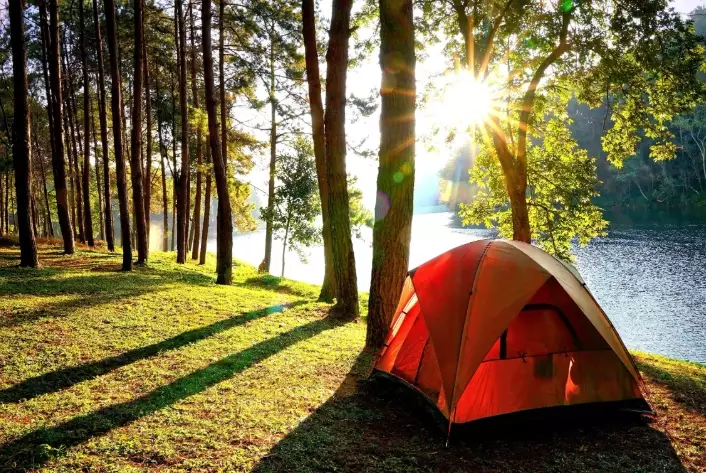
Sun protection seems obvious, but we all get lazy.
Beyond Sunscreen: Full Sun Strategy
Sunscreen needs to be broad-spectrum (UVA/UVB), SPF 30 or higher, and reapplied every two hours, or after swimming or sweating. But don't rely on it alone. A wide-brimmed hat protects your face, neck, and ears better than any ball cap. A lightweight, long-sleeved sun shirt is cooler than you think and provides constant protection. Seek shade during peak UV hours (10 am - 4 pm). And protect your eyes with quality sunglasses that block 100% of UV rays.
Summer Camping with Kids or Pets
It's a whole different ballgame, but incredibly rewarding.
For kids, constant hydration and sun protection are job one. Pack twice as many changes of clothes as you think you'll need—they will get wet and dirty. Plan activities with short attention spans in mind: short nature scavenger hunts, skipping stones, drawing in the dirt. Let them help with simple camp tasks. And have a plan for after-dark: glow sticks, star charts, and simple stories around the fire.
For dogs, they feel the heat even more acutely. They need constant access to shade and fresh, cool water—never let them drink from stagnant ponds or streams (risk of parasites). Test the ground temperature with your hand; if it's too hot for you, it's burning their paws. Keep them on a leash and check constantly for ticks. And please, for the sake of wildlife and other campers, clean up after them immediately.
Answering Your Big Questions About Camping in Summer
Wrapping It Up: The Mindset for a Great Summer Trip
Camping in summer is about embracing a different pace. It's slow, fluid, and dictated by the sun and temperature. Pack your patience along with your sunscreen. Some things will be sticky, some moments will be buggy, and you might get caught in a rain shower.
But you'll also experience the incredible lushness of the season, the joy of jumping into a cold lake, the magic of fireflies at dusk, and the deep satisfaction of sitting under a sky full of stars on a warm night. It's about connection—to nature, and to the people you're with, without the distractions of modern life.
So use this guide to prepare well, then let go of the need for perfection. The goal isn't to conquer the outdoors, but to settle into it for a while. That's when the best summer camping memories are made.
Now get out there and claim your spot. Just maybe not the one right next to the swamp.