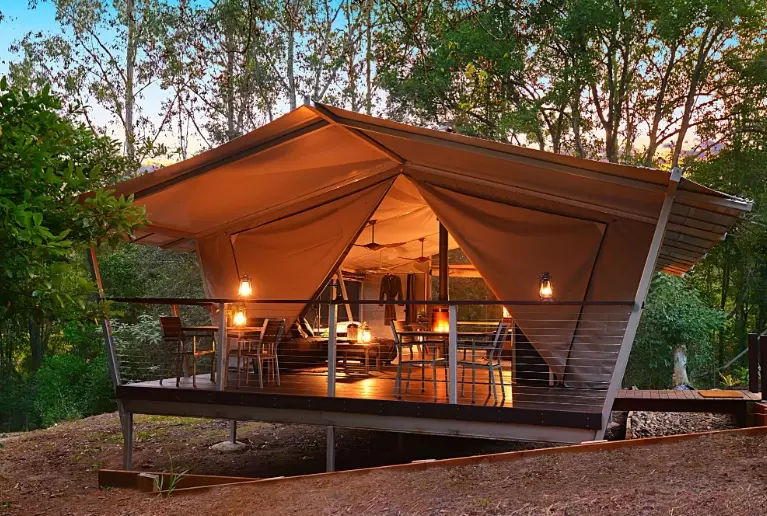
Your Camping Compass
Let's be honest. You're not just looking for any old campsite. You're picturing waking up to the sound of moving water, maybe the mist rising off the river as the sun comes up. You're thinking about casting a line right from your tent door or pushing a kayak into the current after your morning coffee. That's the dream of camping on the Delaware River, and honestly, it's a pretty good one. But between the dream and the reality can be a whole lot of questions. Where do you even go? Is it crowded? What should you pack that you always forget?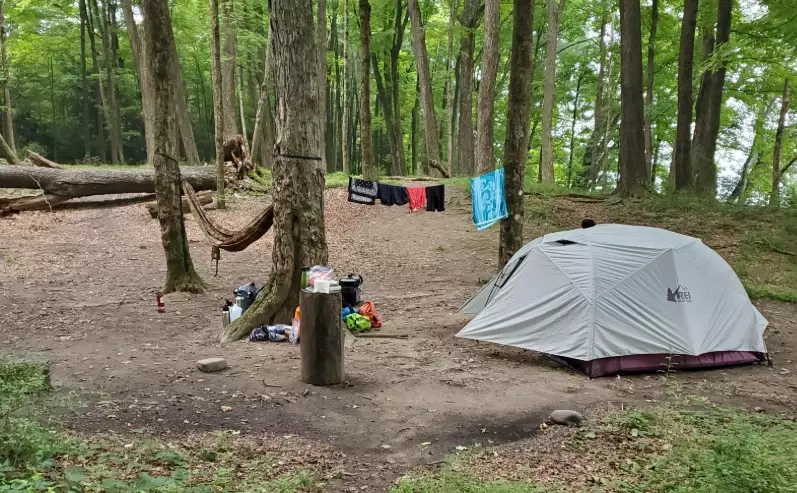
I've spent more nights than I can count sleeping next to this river, from the quiet upper stretches in New York down to the wider, slower sections near Philadelphia. I've had perfect trips and ones where everything went wrong (forgot the rain fly once—never again). This guide is everything I wish I'd known before my first time camping on the Delaware River. We'll skip the fluff and get straight to the good stuff: the best spots, the real secrets, and how to actually have a great time without stressing.
Why Bother? The Allure of the Delaware River
So what's the big deal? Why is camping on the Delaware River so popular? It's not just one thing. For starters, it's a National Wild and Scenic River for a long stretch, which means it's protected. You're not going to see industrial plants or massive development crowding the banks in the best sections. The scenery shifts from forested mountains in the Delaware Water Gap to quieter, pastoral landscapes farther down.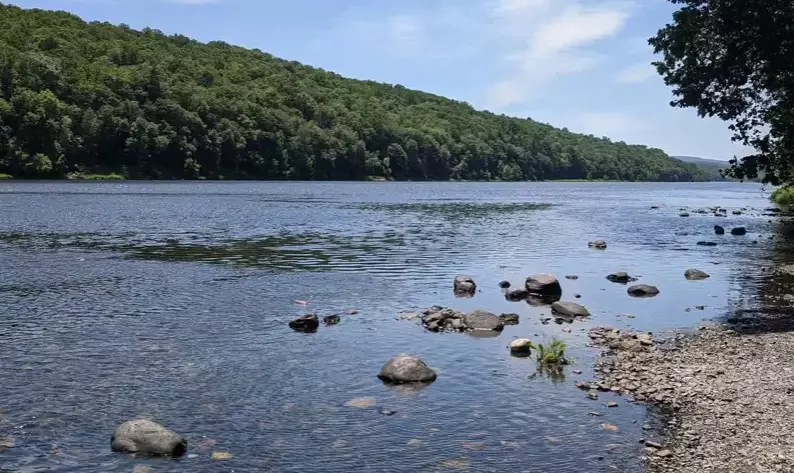
But the real magic is access. This river is the border between Pennsylvania and New Jersey (and a bit of New York), so you've got two states' worth of parks, forests, and public lands lining its shores. That means options. You can go for a developed family campground with hot showers, or you can find a remote, hike-in spot where you won't see another soul.
The activities are the other huge draw. This isn't just a pretty view. It's a playground.
The Big Three: Fishing, Paddling, Hiking
If you're a fisherman, you already know. The Delaware River is legendary for smallmouth bass. I'm talking feisty, hard-fighting fish that love rocky ledges and deep pools. But it's not just bass. You've got walleye, catfish, trout in the cooler upper reaches... it's diverse. A quiet evening of fishing is a core part of the experience for many people camping on the Delaware River.
Paddling is arguably the most iconic way to see the river. You can do a lazy float trip on a tube, a multi-day canoe camping expedition, or tackle some trickier sections in a kayak. The most famous section for a multi-day trip is through the Delaware Water Gap National Recreation Area. You paddle by day, camp on a river island or designated bank site at night. It feels like a real adventure. The National Park Service has a great, no-nonsense page on canoeing and kayaking the Delaware that's essential reading for planning a paddle-camping trip.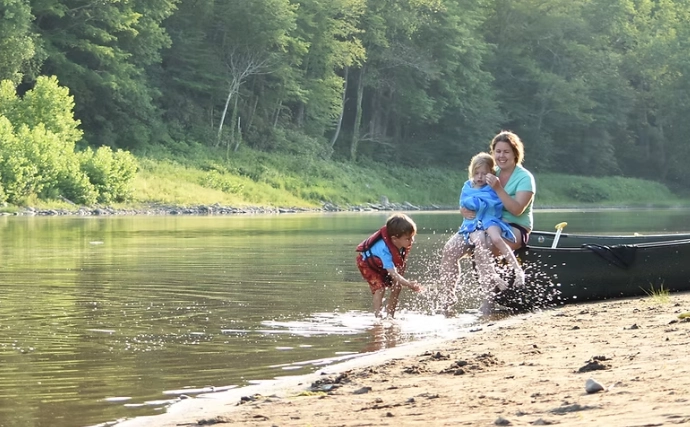
And then there's the land. The Appalachian Trail runs right along the river in the Water Gap. Trails like the Mt. Tammany Trail offer heart-pumping climbs to insane overlooks of the river bend. After a day on the water, stretching your legs on a good trail is the perfect balance.
It's the combination that gets you. One minute you're battling a smallmouth bass, the next you're hiking to a waterfall, and by nightfall you're just staring into a campfire with the river soundtrack in the background. It's hard to beat.
Picking Your Perfect Spot: A Region-by-Region Breakdown
This is where most guides just throw a list of campground names at you. Not super helpful. The river changes character as it flows south, and your ideal spot for camping on the Delaware River totally depends on what you want. Let's break it down.
Upper Delaware (NY & Northern PA): The Quiet Escape
Up near Hancock, NY, where the East and West Branches meet to form the main Delaware, the river is smaller, clearer, and often colder. It feels more remote. This is trout country. Crowds are thinner. If your goal is solitude and fly fishing, look here. The campsites are often simpler, more rustic. Don't expect a camp store or a swimming pool. You're coming for the peace and the fish.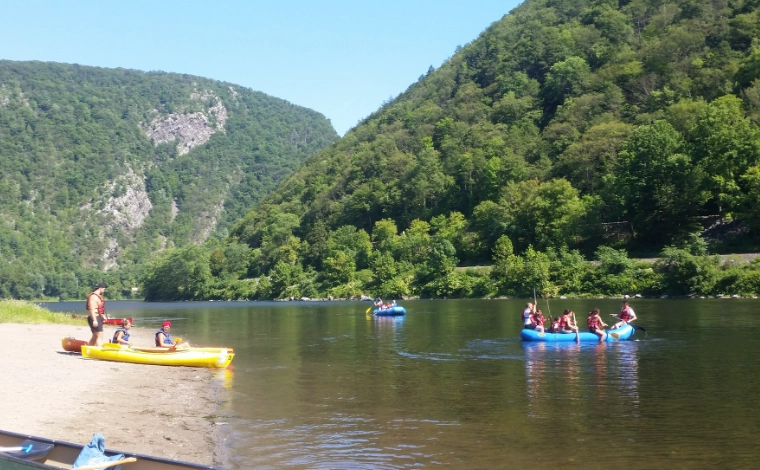
A standout here is the Upper Delaware Scenic and Recreational River corridor, managed by the NPS. They have designated riverside campsites that are often only accessible by boat or a good walk. It's as close to a wilderness experience as you can get on the Delaware.
The Main Event: Delaware Water Gap National Recreation Area
This is the heart of it all for most people. Stretching about 40 miles along the river between Pennsylvania and New Jersey, the National Recreation Area is managed by the National Park Service. This is where you'll find the classic image of the river winding between forested mountains.
The camping options here are diverse:
- Drive-in Family Campgrounds: Places like Dingmans Campground (PA) or Worthington State Forest Campground (NJ) offer car-accessible sites, some right on the water. They book up fast, especially for summer weekends. These are perfect for families or groups who want reliable facilities.
- Boat-in/Riverside Sites: This is the real adventure. The NPS maintains several rustic campsites along the riverbanks and on islands. You need a free permit from a river outfitter or the park itself. You paddle to your site, set up, and have your own private stretch of river for the night. No noise from RVs, just the water. This is, in my opinion, the absolute best way to go camping on the Delaware River.
- Backpacking Sites: For the hikers, the Appalachian Trail corridor has lean-tos and designated campsites. You can hike in with your pack and find a spot overlooking the river valley.
Lower Delaware (South of the Gap): Wider, Warmer, Different Vibe
As the river flows south past Easton and towards Philadelphia, it widens. The current slows down. The atmosphere shifts from mountain getaway to a more relaxed, broad-river feel. The water is warmer, better for swimming on a hot day. The fishing changes too—more catfish and walleye.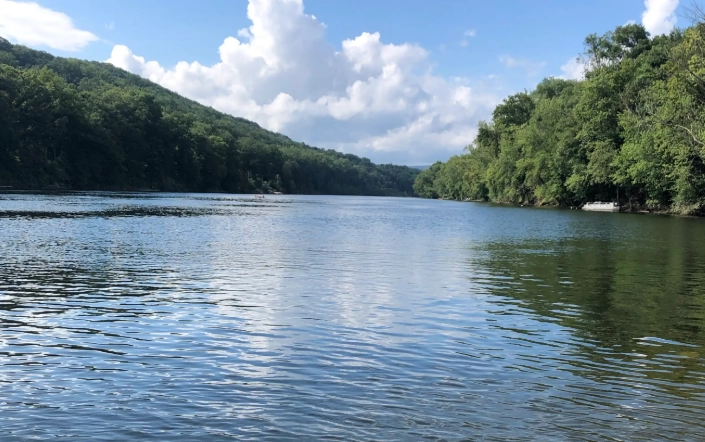
Camping here is often in larger state parks like Ralph Stover State Park in PA (known for its high cliffs) or Washington Crossing State Park in NJ (steeped in history). These are fantastic for a more relaxed, base-camp style trip where you drive to your site and then explore the river from there.
Here’s a quick table to help you compare the vibe and focus of each major section:
| River Section | Best For | Campsite Vibe | Key Activity | Crowd Level |
|---|---|---|---|---|
| Upper Delaware (NY/PA) | Solitude, Fly Fishing | Rustic, remote, simple | Trout fishing, quiet paddling | Low to Medium |
| Delaware Water Gap | Adventure, Scenery, Families | Everything from full-service to primitive boat-in | Canoe camping, hiking, bass fishing | High (book ahead!) |
| Lower Delaware | Relaxation, Swimming, History | State park drive-in sites | Swimming, tubing, historical visits | Medium to High |
Gear Up: What You Really Need (And What You Don't)
Packing for camping on the Delaware River isn't like packing for a campground in the middle of a field. The river environment adds specific needs and challenges. Forget the fancy, overpriced gadgets. Here's the real list, born from experience and a few forgotten-items disasters.
The Non-Negotiable Basics
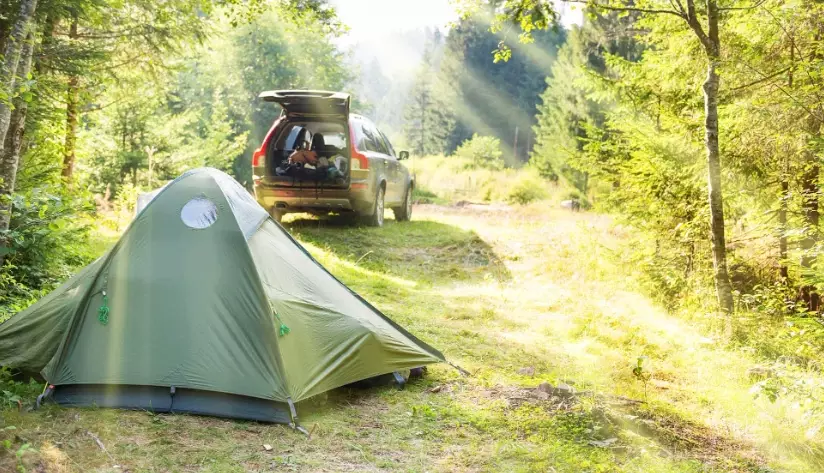
- A Solid Tent with a FULL Rain Fly: River valleys are humid. Dew is heavy. Sudden thunderstorms roll through. A cheap tent or one with a skimpy fly will leave you damp and miserable. Trust me.
- Sleeping Pad with Good R-Value: The ground near a river is often cold and damp. An insulated air pad is worth every penny. That thin foam pad from your childhood won't cut it.
- Bug Defense System: Mosquitoes and black flies can be brutal, especially in early summer. Pack a reliable repellent (I prefer picaridin-based—it's less greasy than DEET and doesn't melt plastic), a head net for really bad evenings, and consider a thermacell for your camp chair area.
- Water Shoes: Not flip-flops. Proper water shoes or old sneakers you don't mind getting wet. The riverbed is rocky and slippery. You need protection and grip for getting in/out of boats, wading, or just crossing a stream to your site.
- Dry Bags: If you're doing any boating, these are essential. For car camping, they're still incredibly useful for keeping clothes, sleeping bags, and electronics bone-dry in case of rain or spray. Get a few in different sizes.
The "Oh Yeah, That" List (Commonly Forgotten Items)
These are the things you'll kick yourself for forgetting.
- Rope and Carabiners: For hanging a bear bag (yes, there are bears), creating a clothesline for wet gear, or securing a tarp over your picnic table.
- Camp Chair You Can Carry: Many riverside sites don't have picnic tables. A lightweight, packable camp chair is a luxury that feels like a necessity after a day on the water.
- Biodegradable Soap: For washing anything (dishes, yourself) near the river. Regular soap pollutes. Dr. Bronner's castile soap (unscented) is a popular choice. Pour used water far from the riverbank.
- Headlamp with Red Light Mode: Crucial for nighttime trips to the privy without blinding yourself or destroying your night vision. Also keeps bugs somewhat less attracted to you.
Making It Happen: Logistics, Permits, and Pro Tips
Alright, you're sold on the idea. Now for the nitty-gritty of actually planning your trip camping on the Delaware River.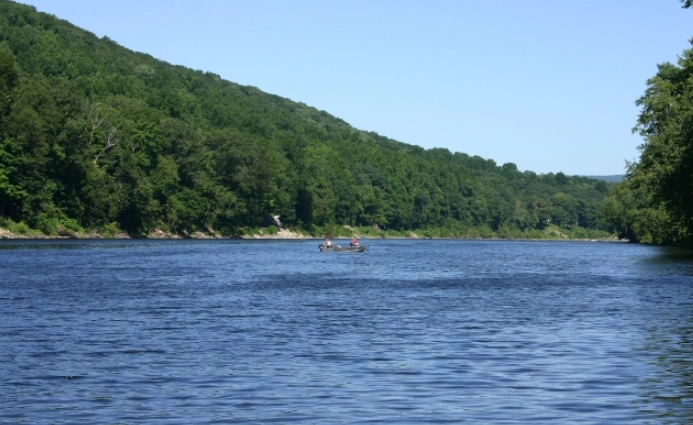
When to Go
This is huge. The river experience changes with the seasons.
- Late Spring (May-June): Water can be high and fast from snowmelt/rain, great for paddling but colder. Bugs are at their peak. Wildflowers are amazing.
- Summer (July-August): Peak season. Warm water, great for swimming. Crowded on weekends. Book campsites months in advance for popular spots. Afternoon thunderstorms are common.
- Fall (September-October): My personal favorite. Crowds vanish, bugs die off, water is still warm enough for a quick dip. The foliage along the river is spectacular. Water levels can be lower, which is better for wade fishing but can make some paddling routes trickier.
Getting Permits and Reservations
This trips up more first-timers than anything else.
For the Delaware Water Gap NRA boat-in/riverside sites, you need a free river camping permit. You can get these from the Park Service or from authorized river outfitters when you rent a canoe/kayak. They limit the number of groups per site to preserve the experience and the environment.
For state park and forest campgrounds (PA's DCNR site, NJ's Parks and Forests site), use their official reservation systems. They open booking windows months ahead, and prime summer weekends sell out in minutes. Set a calendar reminder.
Leave No Trace, River Edition
This isn't just a nice idea; it's essential to keep the river clean and wild for everyone. When you're camping on the Delaware River, you have extra responsibilities.
- Pack It In, Pack It Out. Everything. This includes food scraps, twist ties, and especially toilet paper. Many primitive sites have no trash service.
- Human Waste: Use established pit toilets (vault toilets) whenever possible. If you must go in the woods, dig a cathole at least 200 feet from the river, trails, and campsites. Pack out your TP in a sealed baggie. It's not glamorous, but it's necessary.
- Campfires: Only in existing fire rings. Never leave a fire unattended. Drown it completely with water until it's cold to the touch. Collect only dead and downed wood; don't cut live trees.
- Respect Wildlife: Store all food, trash, and scented items (toothpaste, deodorant) in a bear-proof container or hang it properly between two trees, at least 10 feet off the ground and 4 feet from the trunk. Raccoons are clever thieves, too.
Answering Your Burning Questions (The FAQ)
Let's tackle the stuff you're actually typing into Google.
Are there bears? Should I be worried?
Yes, there are black bears in the forests along the Delaware River. Panic? No. Smart respect? Absolutely. They're generally shy but have an incredible nose for food. Worry less about the bear attacking you and more about the bear destroying your cooler and ruining your trip. Use bear-proof storage religiously. If you see one, make noise, look big, and back away slowly.
Can I just pull over and camp anywhere along the river?
Short answer: No. And please don't try. Much of the riverbank is private property. Camping is only allowed in designated sites within the national recreation area, state parks, and state forests. Illegal camping damages the environment, angers landowners (which leads to less access for everyone), and can get you a fine. Get a permit, use a designated site.
What's the deal with tubing? Can I camp after a tube float?
Tubing is a blast on the slower, wider sections. But it's a day activity. Tubes are terrible for carrying gear, and most tubing outfitters are set up for short, point-to-point trips. If you want to combine floating and camping on the Delaware River, a canoe or kayak is the right tool for the job. It lets you carry your gear safely and travel farther to those beautiful remote sites.
Is the water clean enough to swim in?
Generally, yes, especially in the protected sections of the Upper Delaware and the Water Gap. However, water quality can change after heavy rains due to runoff. A good rule is to avoid swimming for 48 hours after a significant storm. For current advisories, you can check with the NPS Water Safety page or local state environmental agencies.
What's the one thing most first-timers totally overlook?
The humidity and dew. People pack for rain but forget about the sheer dampness that settles in overnight by the water. Even on a clear night, your tent, chairs, and shoes will be soaked with dew by morning. Pack a small microfiber towel to wipe things down, and always put your shoes inside your tent or under a rainfly at night. Nothing worse than putting on ice-cold, sopping wet sneakers at dawn.
Wrapping It Up: Your Next Step
Look, camping on the Delaware River can be as easy or as adventurous as you want to make it. You can roll your minivan into a beautiful state park site with the kids, or you can load a canoe and disappear for three days. The river accommodates both.
The key is just to start. Pick a section that matches your comfort level. Book that site (right now, before it's gone!). Pack with the river in mind—dry bags, water shoes, bug spray. And then go. Be prepared to get a little dirty, to maybe get rained on, to forget something minor. None of that will matter when you're sitting by the fire, listening to the water, and realizing you're exactly where you wanted to be.
The Delaware River has been flowing for a long, long time. It's seen a lot. Adding your own little campfire story to its banks is a pretty good way to spend a weekend. So what are you waiting for? That smallmouth bass isn't going to catch itself.