What You'll Find in This Guide
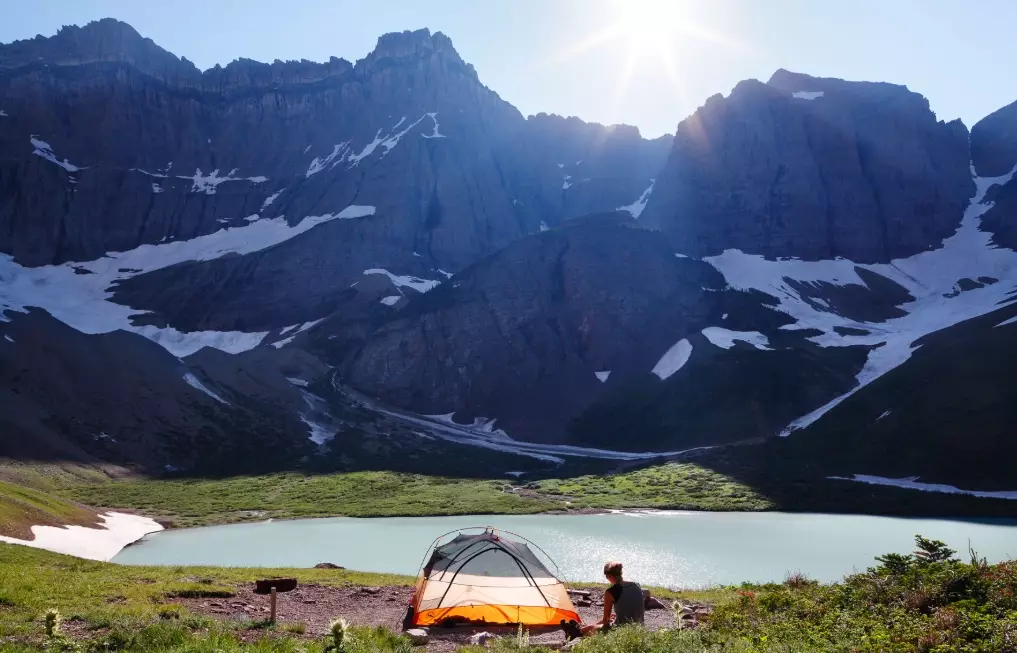
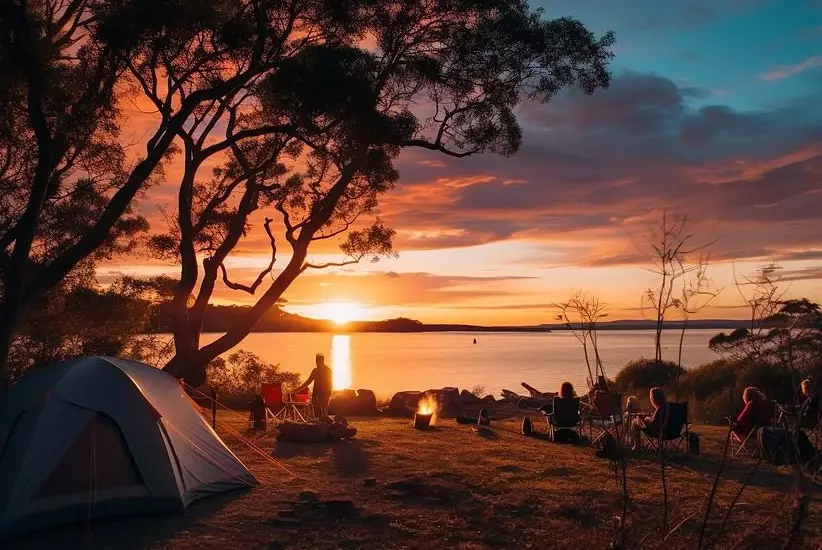
I remember my first bike camping trip. I packed like I was leaving civilization for a month. My bike felt like a wobbly grocery cart, the rear rack groaned under a backpack strapped to it, and by mile 20, I was seriously questioning my life choices. The sunset over the lake that night, though, made it all worth it. More importantly, I learned a ton about what not to do.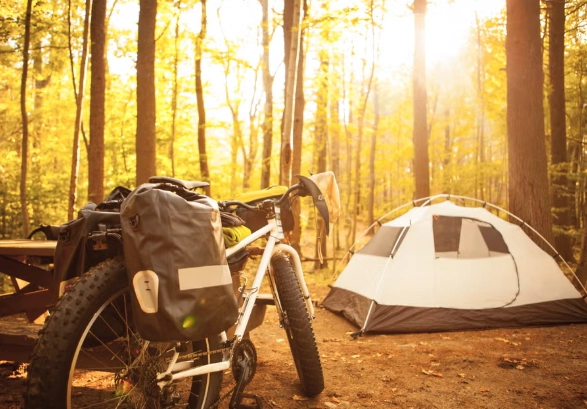
Bike camping, or bikepacking, is this beautiful blend of freedom and simplicity. It's not about speed or distance; it's about moving at a human pace, carrying your home on two wheels, and waking up somewhere new. It's accessible, affordable, and offers a sense of adventure that's hard to match. But to enjoy it, you need to think differently than you would for a day ride or a car camping trip.
How to Choose the Right Bike and Gear for Bikepacking
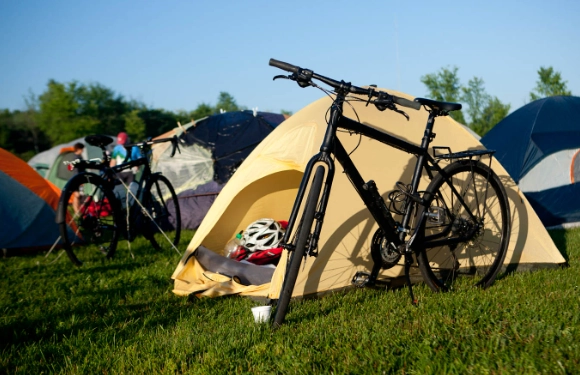
Let's get one thing out of the way: you don't need a $5,000 "bikepacking-specific" bike. I started on a steel-framed touring bike from the '90s, and it was perfect. The most important thing is that your bike is reliable and fits you. A hybrid, a hardtail mountain bike, or a gravel bike can all work wonders.
The real magic is in how you carry your stuff. Forget the hiking backpack—it'll destroy your back and make the bike unstable. You need to let the bike carry the load.
The Gear List: Traveling Light is Traveling Right
The biggest mistake is overpacking. Every gram counts when you're pedaling it uphill. Here's a breakdown of essentials, prioritizing weight and packability.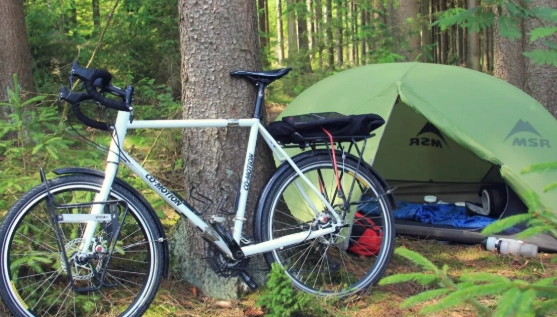
| Category | Essential Items | Weight Consideration | Pro Packing Tip |
|---|---|---|---|
| Shelter & Sleep | Lightweight tent or bivy sack, sleeping bag (rated for expected lows), sleeping pad (inflatable for packability). | This is your heaviest category. Invest in a decent 3-season tent under 3 lbs if possible. | Pack the tent poles along the bike frame; stuff the tent body/fly in a dry bag on the handlebars. |
| Cooking & Food | Compact stove (like a canister stove), pot, spork, lighter, small sponge. Food: dehydrated meals, trail mix, bars. | Don't bring a full cookset. One pot is enough. Plan meals that just need boiling water. | Stove, fuel, and pot can live in a small bag on the handlebars for easy lunch stops. |
| Clothing & Tools | One change of riding clothes, warm layer, rain jacket, 2-3 pairs of socks. Multi-tool, spare tube, pump, patch kit, chain lube. | Merino wool is your friend—it doesn't stink. Pack layers, not heavy jackets. | Tools and spares go in a small saddle bag. Clothes go in a frame bag or pannier. |
| Water & Navigation | Two water bottles or a hydration bladder (2-3 liters total). Phone with offline maps (like Komoot, Ride with GPS). | Plan water stops. In remote areas, carry a small filter like a Sawyer Squeeze. | Use a handlebar bag or stem bag for your phone for easy navigation. |
Notice what's not on that list? Heavy camp chairs, multiple cooking pans, cotton jeans, or a full set of tools. Start with this core list and add only what you're certain you'll use.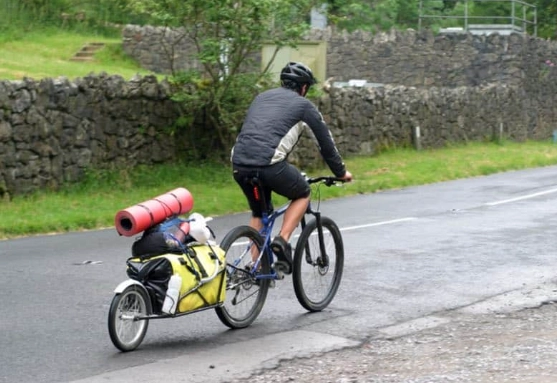
Planning Your First Overnight Bike Camping Trip
Don't try to ride across the country on your first go. Plan a simple overnight loop or a point-to-point trip with a train or shuttle back. Distance is deceptive on a loaded bike.
Route Selection: Scenery Over Speed
Use apps like Komoot or Ride with GPS to plan. Set the activity to "Touring" or "Bikepacking" to avoid busy highways. Look for dedicated bike paths, quiet country roads, or gravel forest roads. The Adventure Cycling Association maps are legendary for established long-distance routes, but you can find shorter sections.
Check the elevation profile. 40 miles on the flat is a breeze; 20 miles with 3,000 feet of climbing on a loaded bike is a serious day.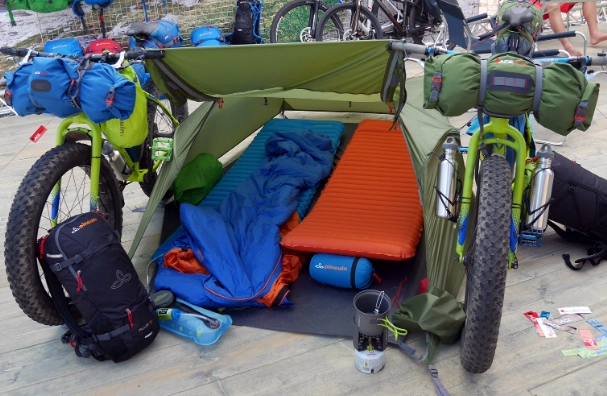
Where to Sleep: From Campgrounds to Stealth Camping
Your options are varied:
- Established Campgrounds: Easiest for the first time. They have water and facilities. Book ahead in popular areas.
- Public Lands: In the US, Bureau of Land Management (BLM) and National Forest land often allow "dispersed camping" for free. Know the rules (like distance from roads/water).
- Stealth/Wild Camping: The ultimate freedom. Arrive late, leave early, leave no trace. Be invisible, quiet, and pack out everything. Apps like iOverlander can show potential spots.
- Warmshowers: Like Couchsurfing for cyclists. A fantastic way to meet people and get a shower.
A Perfect Weekend Trip Example:
Route: Point Reyes National Seashore, California. Ride from San Francisco to Samuel P. Taylor State Park (approx. 45 miles via scenic Sir Francis Drake Blvd and bike paths). Camp overnight, ride back a different way or take a shuttle.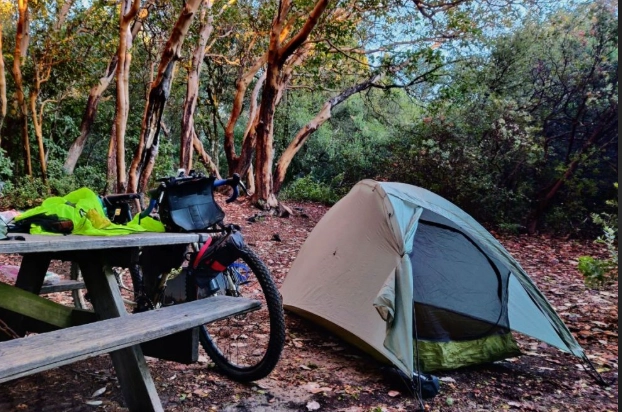
Why it works: Scenic, mostly bike-friendly roads, a beautiful official campground you can book, and the option to bail with public transport if needed.
On-the-Road Pro Tips: Avoiding Common Mistakes
Here's the stuff they don't always tell you, learned from years of wobbly starts and glorious sunsets.
Weight distribution is everything. Keep heavy items (cook kit, water, shelter) low and centered between the wheels. A top-heavy rear rack makes the bike feel unstable and the front wheel light. Pack your frame bag first with heavy items.
Pack for the first day last. Put your rain jacket, snacks, and tools in the most accessible spots. You don't want to unpack your entire bike in a sudden downpour.
Embrace the cafe stop. Bike camping isn't a survival test. Stop for a coffee, a pastry, and to fill your water bottles. Talk to locals. It's part of the journey.
Test everything before you go. Do a fully-loaded shakedown ride. Ride 10-15 miles on a local trail. Does the bike handle okay? Is anything rubbing or falling off? Adjust your packing then.
One thing I did wrong for years: I brought a massive first-aid kit. Now, I bring a small ziplock with a few band-aids, some antiseptic wipes, painkillers, and blister plasters. That's it. If you have a major accident, you're calling for help anyway.