Quick Navigation
Let's be honest. A few years back, I bought a fancy reverse osmosis system after seeing one too many ads about "crystal clear, pure water." The installer did his thing, gave me a thumbs up, and I felt like I'd just leveled up in adulting. Fast forward six months, and I'm staring at a pile of used filters, a slightly higher water bill, and this nagging question: was it all worth it? What is the real downside of water purifiers that nobody talks about before you swipe your card?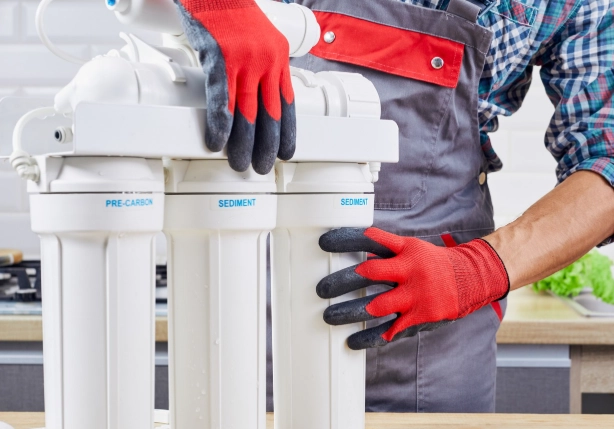
That's what we're digging into today. Not just the surface-level stuff, but the gritty, inconvenient truths. Because while yes, filtering your water can remove contaminants (and that's a big, important deal), it's not a perfect, cost-free fairy tale. It's a trade-off. And understanding the trade-offs is what lets you make a smart choice, not just a marketed one.
The 7 Biggest Downsides of Home Water Purification Systems
I've boiled it down (pun intended) to seven key areas where you might feel the pinch or the headache. Think of this as the "fine print" you should read.
1. The Sticker Shock (And the Sneaky Follow-Up Costs)
This is the most obvious downside of water purifiers, but we often underestimate it. You're not just buying a box.
The upfront cost can range from the price of a basic pitcher to a small used car, depending on the tech. But the real kicker is the lifetime cost. Those filters? They don't last forever. Membranes need replacing. UV lamps burn out. I remember my first replacement cartridge purchase – it felt like subscribing to water in a whole new, expensive way.
Let's put some rough numbers on it, because that's where the reality hits.
| System Type | Typical Upfront Cost | Key Ongoing Costs | Estimated Annual Running Cost* |
|---|---|---|---|
| Pitcher/ Faucet Filter | $20 - $50 | Filter cartridges (every 2-4 months) | $40 - $100 |
| Under-Sink Carbon Block | $150 - $400 | Annual filter change | $50 - $120 |
| Reverse Osmosis (RO) System | $300 - $1,500+ | Pre/post filters (6-12 mos), RO membrane (2-3 years), possible sanitization | $100 - $250 |
| Whole House System | $1,000 - $4,000+ | Large sediment/carbon filters, salt for softeners, maintenance | $200 - $500+ |
*Costs vary wildly by brand, model, and local water conditions. Hard water? You'll replace stuff more often.
2. The Water Waste Dilemma (Especially with RO)
This one bugs me, living in an area where water conservation is discussed often. Traditional Reverse Osmosis systems are notoriously inefficient. For every gallon of clean, purified water they produce, they can send 3 to 5 gallons or more down the drain as wastewater (called "reject" or "brine").
Think about that. You're literally pouring water away to get water. Modern, more efficient RO systems have improved this ratio, some reaching 1:1 or 2:1, but you need to specifically look for them and they often cost more. If you're on a meter or just environmentally conscious, this is a massive downside of RO water purifiers that deserves serious thought.
3. The Great Mineral Debate: Are We Filtering Out the Good Stuff?
This is the health-centric downside of water purifiers that sparks the most debate. Systems like distillation and RO are so effective they remove virtually everything—including naturally occurring beneficial minerals like calcium, magnesium, and potassium.
The big question: does this matter for health?
The pro-filter argument says you get these minerals primarily from food, not water. The other side, including some public health researchers, argues that the contribution from water can be significant, especially for minerals like magnesium where dietary intake is often low. The World Health Organization (WHO) has even published reports on the potential health risks of long-term consumption of demineralized water, suggesting it might be less ideal. It's not a settled science, but it's a valid concern.
Many RO systems now include a "remineralization" or "alkalization" stage that adds back some minerals like calcium. But then you have to ask—are they adding the right kind and amount? It's a layer of complexity.
4. Maintenance: The "Out of Sight, Out of Mind" Problem
What is the downside of water purifiers in daily life? Forgetting about them until they break or taste funny.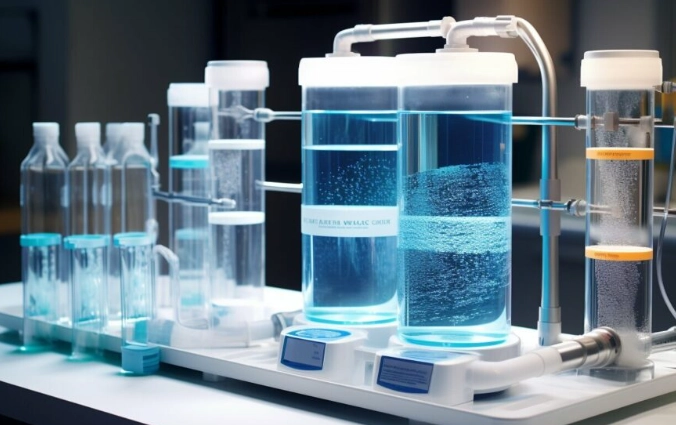
These are not install-and-forget appliances. They require regular attention:
- Filter Changes: Miss a change date, and you're not just drinking less-effective water. A clogged, overdue filter can become a breeding ground for bacteria, defeating the whole purpose. The smell from a neglected filter is… memorable (and not in a good way).
- Sanitization: Tanks, housings, and faucets need periodic cleaning to prevent biofilm buildup.
- System Checks: Listening for strange pump noises, checking for leaks under the sink (ask me how I know), monitoring water pressure.
It's not back-breaking labor, but it's a recurring chore. If you're not somewhat handy or willing to schedule reminders, you'll be paying for professional service calls, adding to the cost.
5. Installation Hurdles and Space Constraints
That sleek under-sink RO unit needs space for the membrane housing, multiple filter canisters, and often a storage tank. If your under-sink cabinet is a chaotic mess of cleaning supplies, good luck. Whole-house systems need a point of entry where your main water line comes in, often in a basement or garage, and sufficient space for large tanks and plumbing.
Renters are often stuck with countertop or faucet-attached models, which can be clunky and reduce sink functionality. Permanent installations usually require at least basic plumbing work. It's a physical downside of water purification systems that's easy to overlook until the installer is scratching their head in your cramped utility closet.
6. Not All Purifiers Are Created Equal (The Limitations Game)
This is critical. A common mistake is thinking "filtered = safe from everything." Different technologies target different contaminants.
- Carbon Filters (Pitchers, faucet-attached): Great for improving taste, smell, and removing chlorine and some organic chemicals. Generally NOT effective against heavy metals (like lead, arsenic), nitrates, fluoride, or dissolved minerals.
- Reverse Osmosis: Excellent at removing a very wide range of contaminants including dissolved solids, heavy metals, nitrates, fluoride. Typically NOT great at removing some volatile organic compounds (VOCs) or chlorine on its own (needs a pre-filter).
- UV Purifiers: Brilliant at zapping bacteria and viruses. Does ABSOLUTELY NOTHING to remove chemicals, heavy metals, or particles. It's a disinfectant only.
- Water Softeners: Don't purify at all. They swap calcium/magnesium (hardness) for sodium/potassium. The water still has all its other potential contaminants.
So, the downside? If you don't know what's in your water, you can buy the wrong type of protection. You might be filtering out the harmless stuff while missing the real problem. Getting a water quality report from your local utility or a private lab test is the essential first step, but it's a step many skip.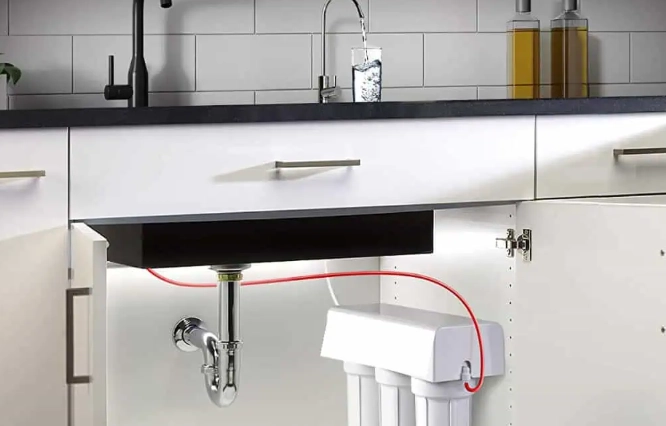
7. Potential for Bacterial Regrowth in Stagnant Water
Any system with a storage tank (like many RO systems) or long, slow-moving sections of tubing can be susceptible to bacterial regrowth if not maintained. The carbon in filters can also become a food source for bacteria if left sitting wet for too long between uses. This is why it's often recommended to run some water through the system first thing in the morning if it hasn't been used overnight, and why regular filter changes are a health imperative, not just a performance issue.
Comparing the Downsides: Which Technology Has Which Drawbacks?
To make it clearer, let's see how the common downsides stack up across different popular systems. This table helps you see the trade-off spectrum.
| Technology | Primary Cost Downside | Primary Waste/ Efficiency Downside | Primary Maintenance Downside | Key Limitation |
|---|---|---|---|---|
| Pitcher Filter | Low upfront, high recurring filter cost per gallon. | None. | Forgetting to change, slow filtration. | Very limited contaminant removal. |
| Faucet-Mount Filter | Low upfront, moderate recurring cost. | None. | Can reduce water flow, may leak. | Limited contaminant removal, can be bulky. |
| Under-Sink Carbon | Moderate upfront, low-moderate annual cost. | Minimal. | Annual filter change under sink. | Does not remove dissolved inorganics (TDS). |
| Reverse Osmosis | High upfront, moderate-high annual cost. | High water waste (unless high-efficiency model). | Multi-stage filter changes, membrane replacement, tank sanitization. | Removes minerals, slower production rate. |
| UV Purifier | Moderate upfront, bulb replacement cost. | Uses electricity. | Annual bulb change, quartz sleeve cleaning. | Only disinfects, does not filter chemicals/particles. |
| Whole-House System | Very high upfront and installation, significant ongoing. | Backwash cycles waste water (for some types). | Large, heavy filter changes, salt bag hauling for softeners. | Complex, may not address all point-of-use concerns (like lead at faucet). |
Looking at it this way, you start to see there's no perfect, downside-free option. It's about picking the battles you're willing to fight—and pay for.
So, Are Water Purifiers Worth It? A Balanced Verdict.
Despite this long list of downsides, I still use one. And I think most people in areas with questionable tap water probably should too. The key is going in with eyes wide open.
The benefits—reducing exposure to lead, chlorine byproducts, pesticides, bacteria (in well water), and improving taste—are profound and often outweigh the drawbacks. But they don't erase them.
The goal isn't to scare you away from purifiers. It's to steer you away from bad decisions about purifiers. A well-informed choice, tailored to your actual water test results, your budget, and your tolerance for maintenance, is a good choice.
Frequently Asked Questions on the Downside of Water Purifiers
What is the main downside of RO water purifiers?
The main downsides are the significant wastewater they produce (in older models) and the removal of all dissolved minerals, which raises questions about the long-term consumption of demineralized water. The maintenance cost and complexity are also notable.
Do water purifiers remove beneficial minerals?
Yes, some do—specifically distillation and reverse osmosis systems remove virtually all dissolved minerals, good and bad. Carbon filters generally do not remove minerals. This is a key distinction when choosing a system.
How much water do RO systems waste?
It varies. Older, standard-efficiency RO systems can waste 3-5 gallons for every 1 gallon produced. Newer, high-efficiency models can reduce this to a 1:1 or even 2:1 ratio (2 gallons in, 1 gallon pure, 1 gallon waste). Always check the wastewater ratio before buying.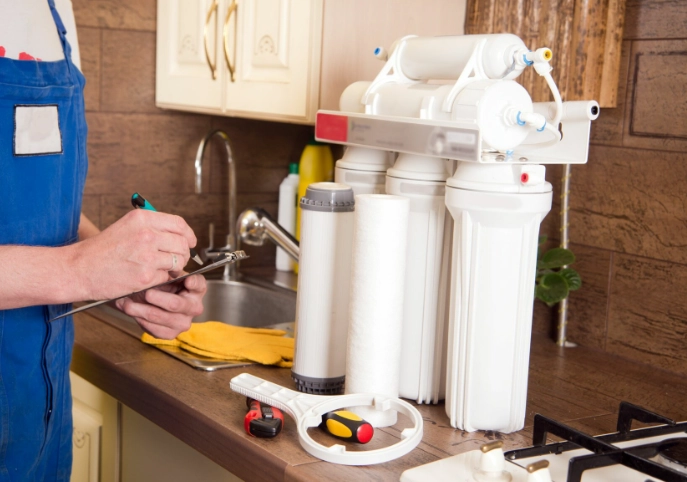
Is it unhealthy to drink demineralized water from an RO system?
There is no scientific consensus that it's "unhealthy" for the average person with a balanced diet. However, organizations like the WHO have raised concerns about the potential long-term effects of drinking water with very low mineral content, suggesting it may not be optimal. Many choose to add a remineralization filter for peace of mind.
What's the cheapest downside to manage?
Probably the maintenance hassle. Setting calendar reminders for filter changes, learning to do simple replacements yourself, and running your faucet for a few seconds after periods of non-use are low-cost habits that mitigate bigger problems like bacterial growth or system failure.
Can a water purifier make water worse?
Yes, if not maintained. An old, saturated carbon filter can leach trapped contaminants back into the water. A clogged filter can breed bacteria. A broken membrane can stop filtering entirely without you knowing. Regular maintenance is non-negotiable for safety.
Wrapping Up: Making Peace with the Trade-Offs
So, what is the downside of water purifiers? It's a package deal of cost, waste, effort, and imperfection. Knowing these drawbacks doesn't mean you shouldn't get one. It means you should get the right one.
Start with a water test. Be brutally honest about how much maintenance you'll actually do. Factor in the total cost of ownership, not just the sticker price. And accept that you're making a choice based on your priorities—be it absolute purity, environmental footprint, convenience, or budget.
For me, knowing about the potential mineral loss means I'm a bit more mindful about eating my greens and maybe adding a remineralizer down the line. Knowing about the waste pushed me to ensure my next system is a high-efficiency model. The downsides aren't deal-breakers; they're design parameters for a smarter solution.
In the end, the goal is safer, better-tasting water. Just go into it with both eyes open, so the only thing that's clear is your water, not your buyer's remorse.