Let's be honest. Most of us grab whatever sunscreen is on sale before a camping trip. I did that for years. Then I spent a miserable 48 hours in the Utah desert with a sunburn so bad it blistered on my shoulders. My trusty SPF 30 beach lotion was utterly useless against a full day of hiking, sweating, and reflected light off the canyon rocks. That trip changed everything. Choosing the right camping sunscreen isn't about vanity; it's a critical piece of safety equipment, as essential as your tent stakes or water filter.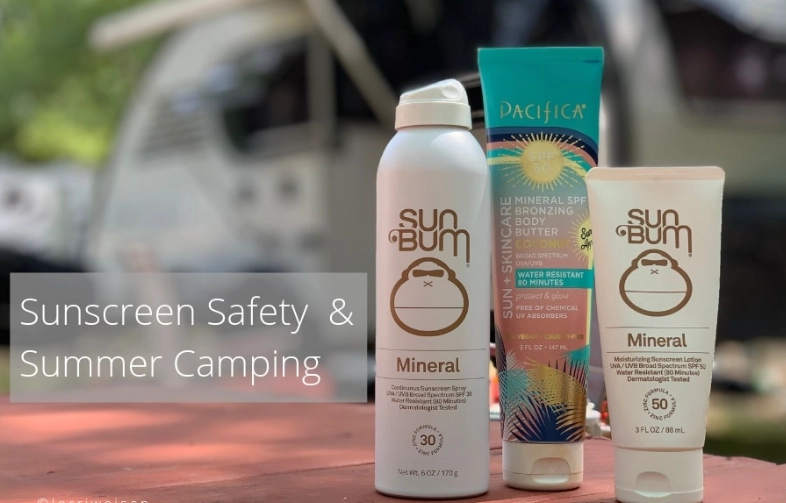
What's Inside This Guide?
Why Regular Sunscreen Fails for Camping
Think about a typical day at the beach. You apply sunscreen, maybe swim, recline, and reapply every few hours. The exposure, while intense, is often intermittent. Camping is a marathon. It's 8-12 hours of continuous, multi-vector sun assault.
Your daily moisturizer with SPF 15 or even your go-to beach spray is engineered for a different reality. They lack the film-forming agents and tenacity to withstand:
- Constant Sweat: Not just a glow, but a full sweat that actively washes product away.
- Friction: From your backpack straps, clothing, and sleeping bag.
- Extended Time: Degradation from sunlight (photodegradation) happens to all sunscreens over many hours.
- Environmental Stressors: Wind, dust, and water from streams or lakes.
A study published by the Journal of the American Academy of Dermatology emphasizes that water resistance and high SPF are critical for prolonged outdoor activity, as typical application amounts are often half of what's needed for the stated protection.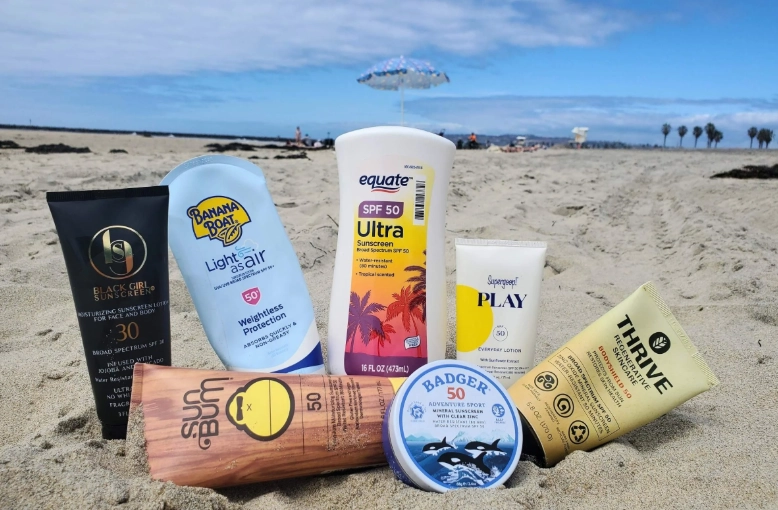
How to Choose the Right Camping Sunscreen
Forget the fancy scents and pretty packaging. You're looking for a workhorse. Here's your non-negotiable checklist.
The SPF & PA Rating: It's Not Just a Number
SPF 30 is the absolute bare minimum, and frankly, I don't recommend it for camping anymore. SPF 50+ is the new baseline. But here's the kicker most people miss: SPF only measures protection against UVB rays (the burning rays). You need Broad Spectrum coverage to shield you from UVA rays (the aging, deeper-penetrating rays that cause long-term damage). Look for a high PA rating (PA++++ is best) or the "Broad Spectrum" label.
Mineral vs. Chemical: A Practical Breakdown
This is the big debate. Let's cut through the noise.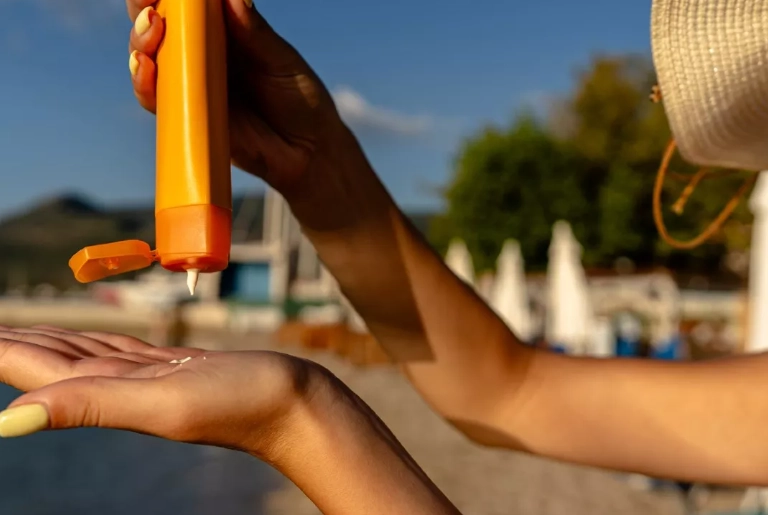
| Type | Active Ingredients | Pros for Camping | Cons for Camping |
|---|---|---|---|
| Mineral (Physical) | Zinc Oxide, Titanium Dioxide | Starts working immediately. Less irritating for sensitive skin. More stable in sun. Often reef-safe. | Can feel heavier, leave a white cast. Can rub off more easily with heavy sweat/friction. |
| Chemical | Avobenzone, Octinoxate, Oxybenzone, etc. | Often lighter, easier to rub in. Can be more water/sweat resistant. | Needs 20 mins to activate. Higher chance of irritation. Some ingredients harm coral reefs. |
My take? For face, neck, and ears, I prefer a good mineral sunscreen. It's gentler for multi-day use and easier to reapply. For the body, a high-performance chemical or hybrid formula can offer superior, longer-lasting film resistance against sweat.
Water Resistance: The 80-Minute Rule
This is non-negotiable. You must see "Water Resistant (80 minutes)" or "Very Water Resistant (80 minutes)" on the label. This isn't just for swimming; it's the best proxy for sweat resistance. No product is "waterproof."
Form Factor: Lotions, Sticks, and Powders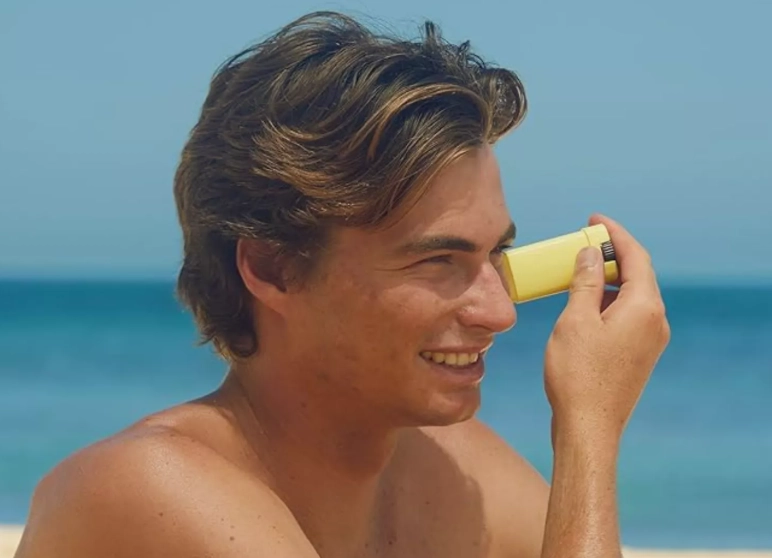
- Lotions/Creams: Best for initial, full-body application. Easy to measure the correct amount (shot glass full for body).
- Sticks: Fantastic for quick, targeted reapplication on face, ears, and backs of hands. Zero mess, TSA-friendly.
- Powders (Mineral-based): A secret weapon for reapplication over sweaty, dirty skin or on your scalp part. Use a brush applicator.
Common Camping Sunscreen Mistakes (And How to Avoid Them)
I've guided enough trips to see the same errors repeatedly. Here's where people go wrong.
1. Relying on SPF in makeup or moisturizer. It's never enough. You need dedicated, broad-spectrum sunscreen applied generously.
2. Applying once in the morning. Sunscreen degrades. Sweat, friction, and time break it down. Reapply every two hours, without fail. Set a phone reminder.
3. Missing key spots. Ears, back of neck, tops of feet, hands, and the part in your hair. I've seen more burnt scalps than I care to remember.
4. Using too little. A shot glass (1 oz) for the full body. For your face alone, think a nickel-sized dollop. Skimping cuts protection drastically.
5. Assuming cloudy days are safe. Up to 80% of UV rays penetrate clouds. If it's daylight, you need sunscreen.
How to Apply Camping Sunscreen Correctly
It sounds simple, but most people do it wrong.
- Timing: Apply 15-20 minutes before sun exposure. It needs to bind to your skin.
- Amount: More is more. For your face and neck, use about half a teaspoon.
- Rub: Don't just smear. Rub it in thoroughly until you can't see the product.
- Reapplication: Every two hours. More if swimming or sweating. A water-resistant label buys you 40-80 minutes, not a day.
- Lips & Eyelids: Use a lip balm with SPF. There are sunscreen sticks designed for the sensitive eye area.
I keep a travel-sized stick in my backpack's hip belt. When we take a break, it comes out. No excuses.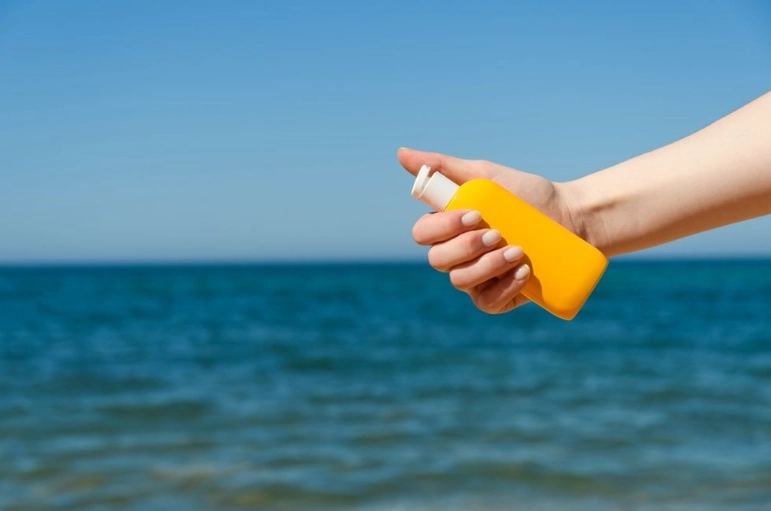
Your Sunscreen Questions, Answered
Your skin is your largest organ. Treat it like one. Finding a sunscreen you'll actually use is more important than chasing the highest SPF. A lotion you hate will stay in the bag.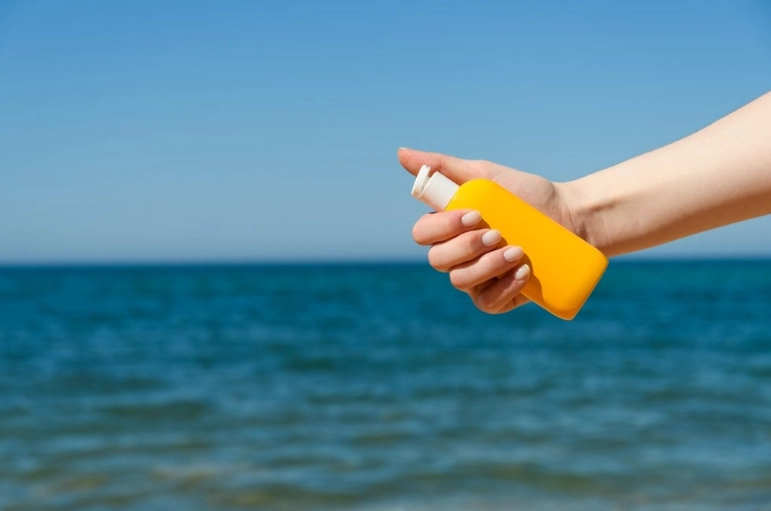
The right camping sunscreen becomes part of your routine, like filling your water bottle. It shouldn't be a greasy chore. Test different formulas before you go. Your future self will thank you.
Sun protection is the ultimate backpacking luxury. It weighs nothing and saves everything.