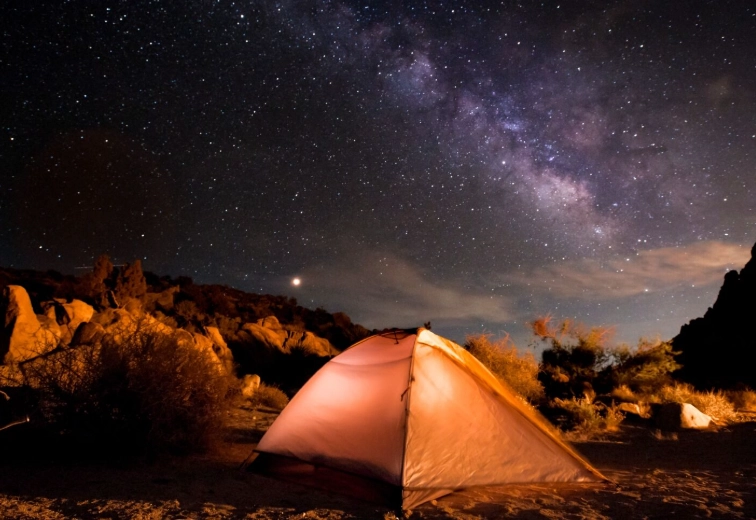
Let's be honest. The idea of camping in spring sounds fantastic. Birds chirping, wildflowers blooming, that fresh earthy smell after a rain. But then you remember the last time you tried it. Maybe you froze your toes off in a sleeping bag that promised "three-season comfort." Maybe you spent a night listening to rain pitter-patter a little too loudly on your tent fly. I've been there. Packing for a spring camping trip can feel like preparing for three different seasons in one weekend.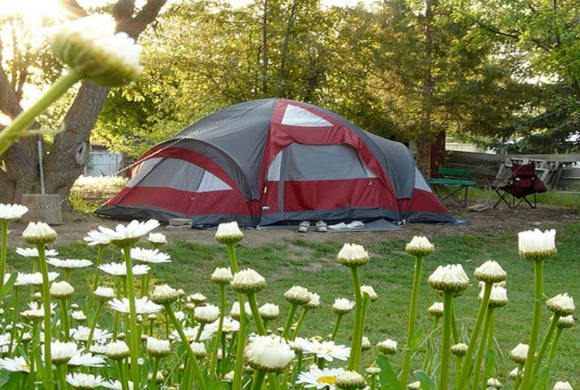
Guide Highlights
- Why Bother with Spring Camping Anyway?
- The Non-Negotiable Spring Camping Gear List
- Conquering the Spring Weather Rollercoaster
- Picking Your Perfect Spring Camping Destination
- Making Spring Camping Fun for the Whole Family
- Leave No Trace, Especially in the Spring
- Answers to Your Burning Spring Camping Questions
- Wrapping It Up: Your Spring Camping Mindset
But that's exactly why it's so rewarding when you get it right. There's a magic to spring camping that summer just can't match. The crowds are thinner, the air is crisper, and seeing nature wake up around you is pretty special. This guide isn't about selling you a dream. It's about giving you the real, practical info you need to actually enjoy your trip, based on a lot of trial and error (mostly error, on my part, in the beginning). We'll talk gear, weather, locations, and all those little things you don't think about until you're at the campsite wishing you had.
Why Bother with Spring Camping Anyway?
Before we dive into the nitty-gritty, let's talk motivation. Summer camping is easy. Spring camping is an adventure. You're trading guaranteed warmth for a shot at something more unique. The trails are quieter. You can actually get a reservation at popular spots that are booked solid by February for the summer. The light is different—softer, perfect for photography. And there's a sense of discovery, watching the landscape transform daily.
But it's not all sunshine and daisies.
The big challenge, and the reason most people hesitate, is the weather. It's famously unpredictable. You could have a sunny 65°F (18°C) afternoon and a frosty 28°F (-2°C) night. Rain showers can pop up out of nowhere. That's the core of planning a spring camping trip: preparing for this range. It's about versatility, not just slapping on a heavier coat.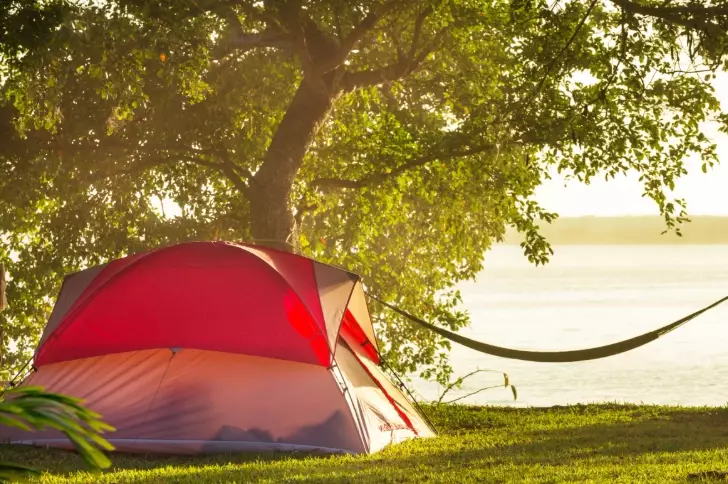
Think of spring not as a single season, but as a rapid transition from winter to summer. Your gear and mindset need to make that transition with you.
The Non-Negotiable Spring Camping Gear List
Forget the generic "10 essentials" list. Here's what you actually need to focus on for spring. The goal is staying dry and warm, not necessarily carrying the most stuff.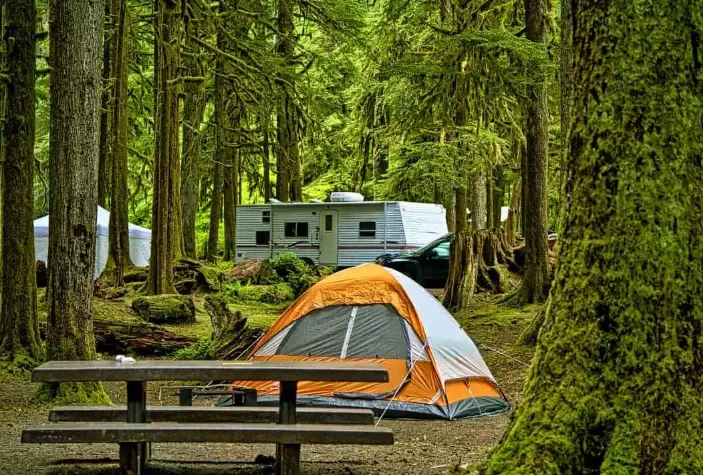
Sleep System: Your Personal Climate Bubble
This is where you can't cheap out. A bad night's sleep ruins everything. Your sleep system is three parts: pad, bag, and strategy.
First, the sleeping pad. Its R-value (insulation rating) is more important than its thickness. For spring, aim for an R-value of at least 4. I learned this the hard way with a fancy-looking inflatable pad that had an R-value of 1.5. The cold from the ground seeped right up. It was miserable. Now I use a pad with an R-4.5 rating, or I combine a closed-cell foam pad (like a classic Therm-a-Rest Z-Lite) under my inflatable one. The REI guide to sleeping pads breaks down R-values better than I can.
Next, the bag (or quilt). Look at the lower limit or comfort rating, not the "season" label. If you expect nights around 30°F (-1°C), get a bag rated for 20°F (-7°C) or lower. I'm a fan of down for its packability and warmth, but if you're expecting serious dampness, a high-quality synthetic fill might be safer—it insulates even when wet. A sleeping bag liner (fleece or silk) can add a surprising 10-15 degrees of warmth for little weight.
Shelter: More Than Just a Rain Fly
Your tent is your house. For spring, you want a good, full-coverage rain fly that reaches close to the ground to block wind-driven rain. Ventilation is the secret most people miss. Without it, your breath condenses inside the tent, and everything gets damp. Look for tents with strategic mesh panels and vents high up on the rain fly.
A footprint (a groundsheet cut to your tent's size) is crucial. It protects the tent floor from abrasion and, more importantly, provides a moisture barrier. You can buy one or use a sheet of lightweight Tyvek. I also always pack a small pack towel or shammy just for wiping down the inside of the tent if condensation does form.
The Clothing Strategy: Layering Like an Onion
Cotton is rotten. You've heard it, but in spring it's a death sentence. Once wet (from rain or sweat), it loses all insulation and takes forever to dry. Stick to synthetic fabrics (polyester, nylon) or merino wool. Merino is my personal favorite for base layers—it's warm, wicks moisture, and doesn't get stinky after multiple days.
The layering system is simple but vital:
- Base Layer: Moisture-wicking long underwear (top and bottom).
- Mid Layer: Insulation. A fleece jacket or a lightweight puffy.
- Outer Layer (Shell): A waterproof and breathable rain jacket and pants. "Water-resistant" is not enough for a spring downpour.
Always, always pack a dedicated set of dry sleep clothes. Keep them sealed in a dry bag or plastic bag until you're in the tent for the night. Putting on dry, clean clothes before bed is the single best thing you can do for warmth and morale.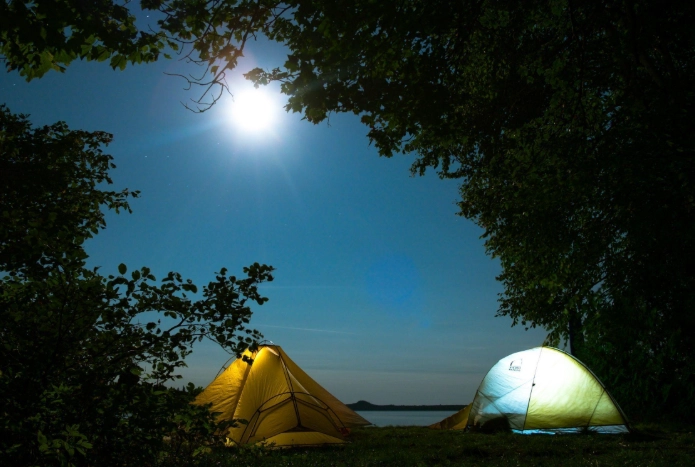
Conquering the Spring Weather Rollercoaster
Okay, you've got the gear. Now, how do you use it against spring's mood swings? Planning is everything.
Check the forecast obsessively in the days leading up to your trip, but understand its limits. Mountain and coastal weather changes fast. Look at the nighttime lows more than the daytime highs. Also, check the historical averages for your destination on sites like Weather.gov. It gives you a baseline.
Here’s a quick reference for what different temperature ranges mean for your camping in spring plans:
| Temp Range (Night Low) | What to Expect | Key Gear Focus |
|---|---|---|
| Below 20°F (-7°C) | Winter conditions. Risk of hypothermia if unprepared. Snow possible at higher elevations. | Expedition-level sleeping bag (0°F or lower), high R-value pad, heavy insulated layers, 4-season tent. |
| 20°F to 32°F (-7°C to 0°C) | Classic cold spring nights. Frost common. Ground is cold. | 20°F sleeping bag, pad R-value 4+, warm hat, insulated gloves, thermal base layers. |
| 33°F to 45°F (1°C to 7°C) | Most common spring camping range. Chilly, damp. Rain likely. | 30°F bag, good rain shell, extra socks, focus on staying dry. Firewood is a luxury. |
| 46°F to 55°F (8°C to 13°C) | Pleasant camping weather for many. Cool mornings. | Lightweight bag (40-50°F), standard 3-season gear works well. Perfect for beginners. |
Wind is the silent thief of warmth. A 20°F night with no wind is manageable. That same night with a 15 mph wind feels brutal. Always know where the prevailing wind comes from at your campsite and pitch your tent with the smallest, solid end facing it. Use natural windbreaks like trees or rocks.
Rain management is a mindset. Pack everything inside your backpack in individual waterproof stuff sacks or heavy-duty plastic bags (compactor bags are great). Have a quick-access place for your rain jacket. And honestly? Sometimes the best plan is to just embrace it. Sitting under a tarp (a "group shelter" is fantastic for this) listening to the rain with a hot drink is a core camping memory.
Picking Your Perfect Spring Camping Destination
Not all campsites are created equal in spring. A low-elevation forested site will be warmer than a beautiful, exposed alpine meadow. Here are a few factors to weigh:
- Elevation: Rule of thumb—for every 1,000 feet (305 meters) you go up, the temperature drops about 3-5°F (2-3°C). Coastal or desert sites warm up faster but can be very windy.
- Exposure: A south-facing slope gets more sun and will be drier and warmer than a north-facing one.
- Tree Cover: Trees provide wind protection and a bit of warmth. Open fields are colder and windier at night.
- Proximity to Water: Lakes and rivers create cooler, damper microclimates and attract bugs earlier.
Do your homework. Check if the campground is even open—many higher-elevation or mountain sites don't open until late spring or early summer due to snow. The Recreation.gov site for US federal lands and state park websites are your best friends for current conditions and opening dates.
Making Spring Camping Fun for the Whole Family
Camping in spring with kids is a whole different ballgame. The key is managing expectations (yours and theirs) and prioritizing comfort and fun over mileage or "roughing it."
Keep them dry and warm at all costs. Pack way more socks than you think you need. I bring two extra pairs per kid, per day. Their sleeping bags should be rated for temperatures lower than you expect. And bring familiar comforts from home—a favorite blanket, stuffed animal, or book.
Plan short, engaging activities. A scavenger hunt for signs of spring (a budding leaf, animal tracks in mud, different colored rocks) works wonders. Bring games that can be played in the tent if the weather turns. The goal is to create positive associations. If their first memory of camping is being cold and bored, it'll be their last.
Food is morale.
Pack their favorite snacks and easy, hot meals. Instant hot chocolate is a lifesaver. A simple, warm breakfast can turn a chilly morning around.
Leave No Trace, Especially in the Spring
Spring is a fragile time for ecosystems. Plants are just starting to grow, and ground-nesting animals are active. Be extra mindful.
- Stick to established trails and campsites. Muddy trails are especially vulnerable to erosion—walk through the mud, not around it, to avoid widening the trail.
- Be fire-smart. Many areas have spring fire restrictions. Always check current rules. Use a camp stove for cooking—it's more reliable in damp weather anyway.
- Pack out all trash, including biodegradable stuff like apple cores. It takes longer to decompose than you think.
The principles from the Leave No Trace Center for Outdoor Ethics are the bible here. Following them ensures these places stay beautiful for others wanting to go camping in spring.
Answers to Your Burning Spring Camping Questions
How do I deal with bugs in spring?
It depends on your location. In many areas, bugs aren't the main event until later. But near water or in wet forests, mosquitoes can emerge early. Pack a small bottle of DEET or picaridin-based repellent just in case. A head net is lightweight insurance. Treating your tent, clothes, and gear with permethrin (following label instructions carefully) before you go is the most effective, long-lasting strategy.
Is a 3-season tent enough for spring camping?
Almost always, yes. A true 3-season tent is designed for spring, summer, and fall. It should have ample mesh for ventilation and a solid rain fly. The issue arises with heavy, wet spring snow. If there's a chance of significant snowfall, that's when you'd want a 4-season (mountaineering) tent. For 99% of spring trips, your trusty 3-season is perfect.
What's the biggest mistake beginners make?
Underestimating how cold they'll get at night. They pack a summer sleeping bag and a thin pad because the daytime was nice. Or they wear cotton jeans that get damp and stay damp. Investing in a proper sleep system and synthetic/wool layers is the difference between loving and hating your first spring camping experience.
Can I rely on a campfire for warmth?
No. Never. A fire is for ambiance and cooking, not survival. It might go out. You might not find dry wood (and you shouldn't be cutting live trees). You have to leave the fire to go to sleep. Your warmth must come from your clothing, sleeping bag, and pad. A fire is a nice bonus, but treat it as such.
Wrapping It Up: Your Spring Camping Mindset
Camping in spring isn't about battling the elements; it's about dancing with them. It requires a bit more thought, a bit more preparation, and a hefty dose of flexibility. The payoff is immense: solitude, beauty, and the satisfaction of pulling off a trip in shoulder-season conditions.
Start small. Maybe your first spring camping trip is just one night at a car-accessible campground not too far from home. Test your gear. Learn what works for you. You'll quickly figure out if you need a warmer bag, a better rain jacket, or just more chocolate.
The world is waking up. It's a pretty great time to be outside. Just maybe pack an extra pair of socks.