In This Guide
Let's be honest for a second. The idea of camping with kids can sound, to put it mildly, like a lot of work. You're picturing the packing, the potential for bad weather, the complaints about being bored, and the sheer logistics of keeping everyone fed and safe away from your home's creature comforts. I get it. I've been there, standing in my garage surrounded by gear, wondering if it's all worth it.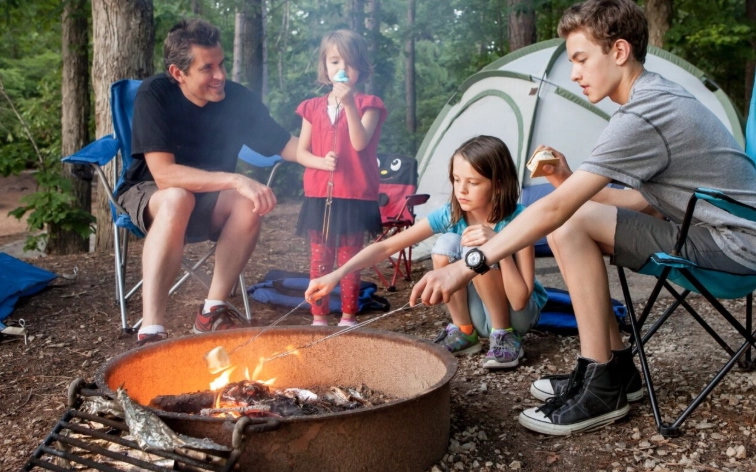
But here's the secret every camping family knows: it absolutely is. The benefits of camping with kids go so far beyond a simple weekend away. It's a reset button for your family dynamic, a classroom without walls, and an adventure that sticks with your children long after the tent is packed away. I'm not here to sell you a perfect, Instagram-filtered fantasy. It's messy, sometimes frustrating, and you will forget the salt. But the rewards? They're profound and real.
The Core Idea: Camping with kids isn't just a vacation; it's a deliberate choice to step away from the daily grind and engage with each other and the natural world in a fundamental way. The benefits touch on their physical health, emotional resilience, and your family's connection.
The Unbeatable Benefits: What Your Family Actually Gains
So, what exactly are you signing up for? Let's break down the tangible benefits of taking your kids camping. This isn't a fluffy list; these are the changes you can observe in your children and yourself.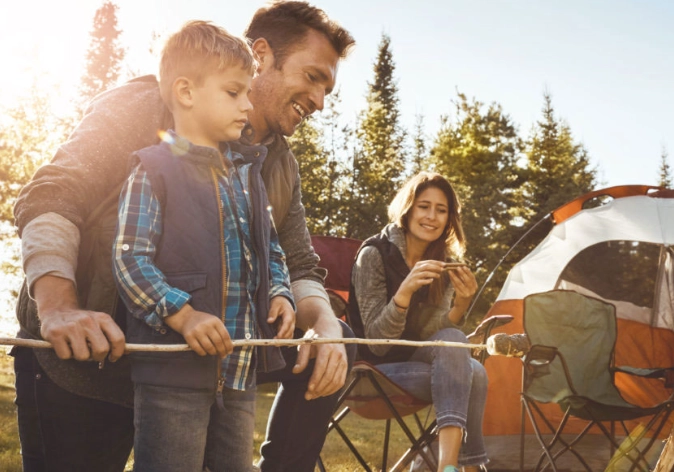
Building Resilience and Problem-Solving Skills
The modern world is pretty cushy for kids. Thermostats control temperature, food appears from the fridge, and entertainment is on-demand. Camping strips a lot of that away, and that's a good thing. When it drizzles, you problem-solve together to keep the tent dry. When the fire is stubborn, you figure it out. There's no calling maintenance.
I remember my daughter, maybe seven at the time, struggling to roll her sleeping bag. At home, she'd have asked for help immediately. At the campsite, after a minor grumble, she watched another kid do it, then plopped down on the ground and wrestled with it until she got it into a vaguely cylindrical shape. The look of pure triumph on her face was worth the lopsided result. She learned perseverance in a way no lecture could ever teach.
Camping presents manageable challenges. It's a safe space for them to experience minor frustrations and learn to overcome them, building a sense of competence that translates back home. They learn that being uncomfortable (a bit cold, a bit dirty) is temporary and survivable. That's a life skill.
Deep, Uninterrupted Family Connection (Goodbye, Screens!)
This is the big one for me. The most significant of all the benefits of camping with kids is the quality of connection it forces—in the best way possible. There are no screens vying for attention (okay, maybe a phone for emergencies, tucked away). There's no rushing to the next activity or homework deadline.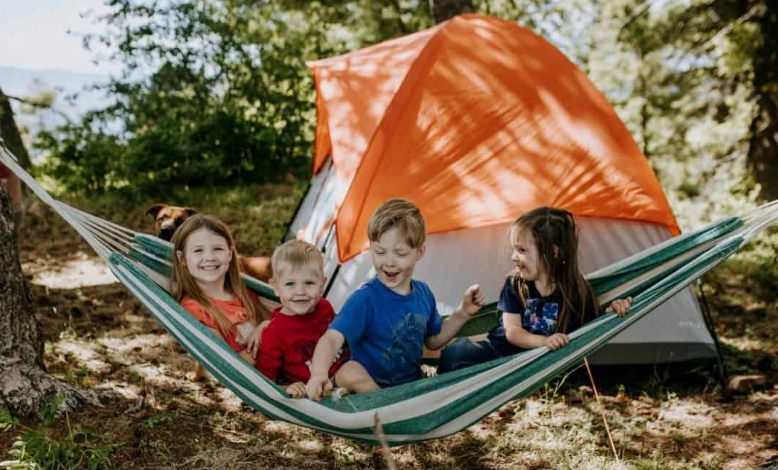
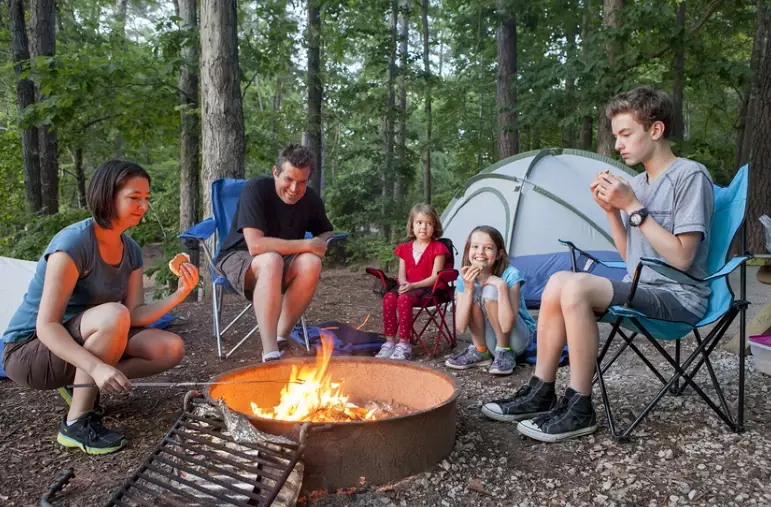
Time slows down. You talk while gathering firewood. You play card games by lantern light. You stare at the stars and actually have conversations that aren't interrupted by a notification. You're a team, working together to set up camp, cook meals, and explore. The shared experience of building a temporary home in the woods creates a powerful bond. You're not just coexisting in the same house; you're actively collaborating on an adventure.
"The conversations we have around the campfire are different. There's a vulnerability and curiosity that doesn't always surface in our busy kitchen at home. It's where my shyest kid asked his first big question about the universe." – A sentiment shared by many camping parents.
Fostering a Love for Nature and Environmental Stewardship
You can read a hundred books about ecosystems, but watching a line of ants carry food back to their mound, or hearing the different birdsong at dawn, teaches respect for nature on a visceral level. Kids who camp develop a personal connection to the outdoors. They see where their water comes from (the jug you carefully packed), they learn to respect fire, and they understand the importance of leaving no trace.
This hands-on experience is the foundation for environmental stewardship. It's harder to litter or be careless about resources when you've directly experienced the beauty and fragility of a natural place. Organizations like the National Park Service have fantastic, kid-friendly resources that emphasize this connection, and camping is the perfect practical application.
Spark Creativity and Unstructured Play
No toys? No problem. A stick becomes a sword, a fishing rod, a marshmallow roaster, and a drawing tool in the dirt. A pile of pinecones is a treasure trove. Without the structure of organized activities or digital entertainment, kids' innate creativity kicks into high gear. They invent games, build fairy houses, tell stories, and simply engage with their environment in a playful way. This kind of open-ended play is crucial for cognitive development and often gets squeezed out of modern schedules. Camping gives it center stage.
Physical Health and Sensory Engagement
Camping is naturally active. Hiking, swimming, gathering wood, setting up tents—it's all movement. The air is (usually) fresher. They're soaking up Vitamin D from sunlight. But beyond the obvious physical benefits, there's a sensory richness that's hard to find elsewhere. The feel of cool dirt, the smell of pine and campfire smoke, the taste of food cooked outdoors, the sound of crickets and wind in the trees. This full sensory immersion is calming and grounding for many kids, especially those who are constantly over-stimulated by urban environments and digital media.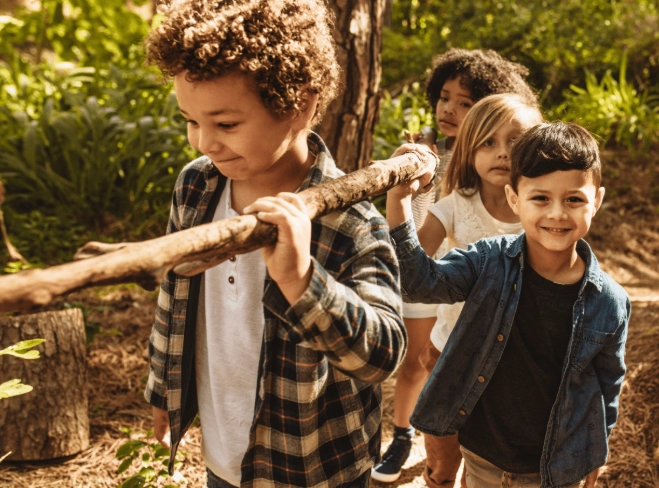
The Data Behind the Fun
Research supports what parents observe. Studies cited by the American Psychological Association have linked time in nature with reduced stress, improved mood, and better focus in children. It's not just a feeling; it's science.
Making It Happen: A Realistic Guide for Your First Trip
Convinced of the benefits but feeling overwhelmed? Let's talk logistics. The goal isn't a perfect expedition; it's a positive experience that makes you want to do it again.
Start Simple, Start Small
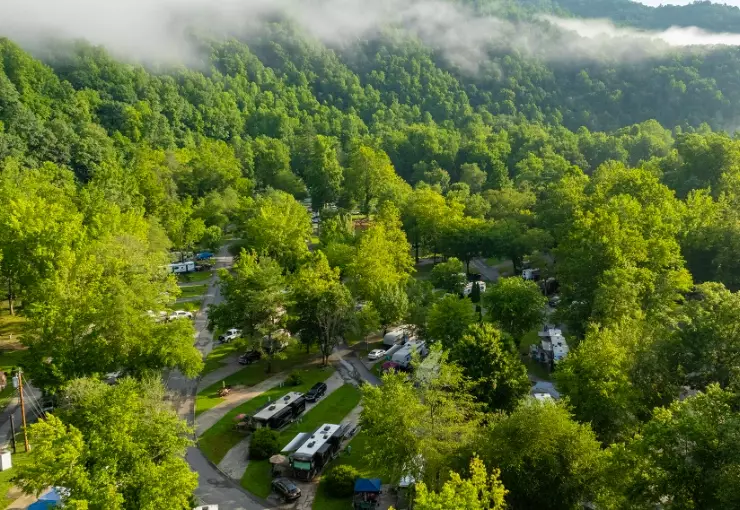
Your first trip doesn't need to be a week in the remote wilderness. Try one night at a well-maintained, family-friendly campground, often called a "car campground." These have amenities like flush toilets, potable water, and designated fire pits, which massively lower the stress barrier. You can even do a backyard campout as a trial run! The point is to succeed, not to suffer.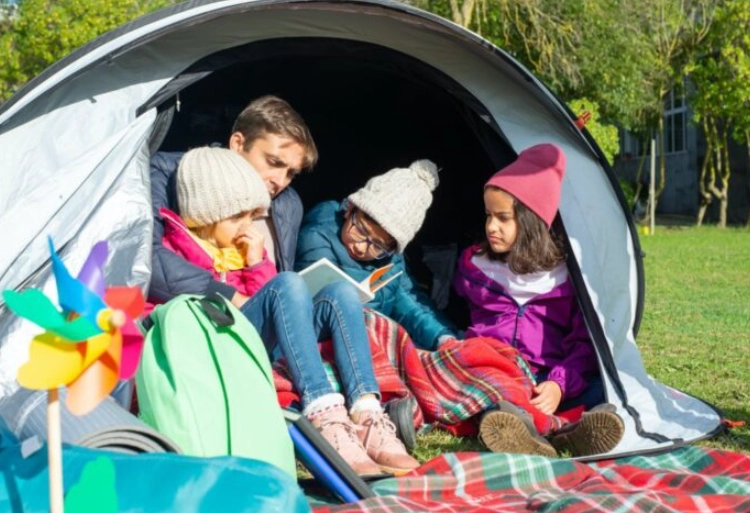
The Non-Negotiable Gear List (For Beginners)
You don't need the fanciest gear. Borrow, rent, or buy used for your first go. Focus on these essentials for comfort and safety:
| Category | Essential Items | Why It Matters |
|---|---|---|
| Shelter & Sleep | Tent (bigger than you think), sleeping bags, sleeping pads/air mattresses, pillows from home. | A good night's sleep makes or breaks the trip. Cold, hard ground leads to misery. Pads are for insulation, not just cushioning. |
| Food & Water | Cooler, simple camp stove/fire tools, easy-prep food (hot dogs, foil packets), LOTS of water, trash bags. | Keep meals stupid simple. Plan for more water than you think. Always pack out all your trash. |
| Clothing | Layers! Avoid cotton (it stays wet). Rain jackets, extra socks, sturdy shoes, hats. | Weather changes fast. Cotton kills (comfort) when it's damp. Warm, dry feet are a priority. |
| Safety & Extras | First-aid kit, headlamps/flashlights (one per person), map, sunscreen, bug spray, multi-tool. | Be prepared for minor scrapes. Headlamps are game-changers for nighttime bathroom trips. Know where you are. |
My personal rule? Pack each kid's clothing in a separate bag, and include one extra of everything. Trust me on the socks.
Involve the Kids in the Process
From the start, give them ownership. Let them help choose the campground (from a few parent-vetted options), pack their own small backpack with a toy and comfort item, and be in charge of a simple camp job like gathering kindling or handing out the plates. This investment increases buy-in and reduces resistance.
Your Top Questions, Answered (The Real Stuff Parents Worry About)
Let's tackle the common fears head-on. These are the questions that kept me up before our first trip.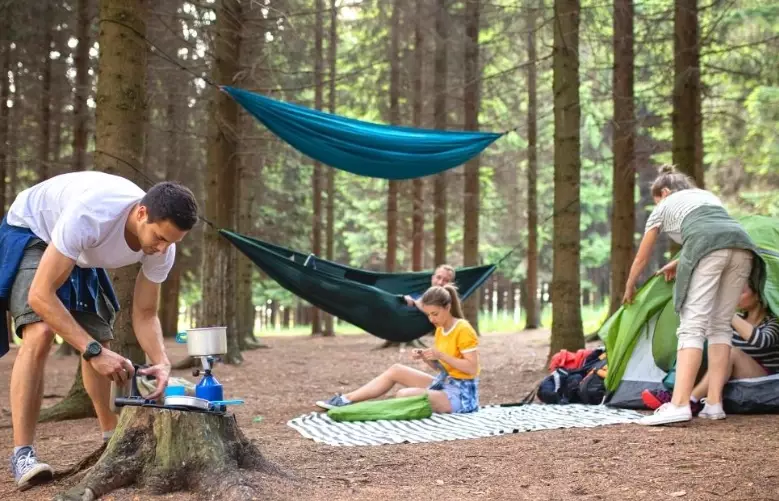
What if my kids are afraid of the dark/bugs/being outside?
This is super common. Normalize it. Talk about the sounds they might hear (owls, crickets) before you go. Bring a familiar night light for the tent. For bugs, a good repellent and knowing that most are harmless helps. Start with shorter daytime adventures to build comfort. The unfamiliar becomes familiar surprisingly quickly when you're exploring it together.
How do I keep them entertained without electronics?
You don't have to. Your job isn't to be the cruise director. Provide a few prompts—a scavenger hunt list, a magnifying glass, a guide to local rocks or leaves—and then let boredom be the mother of invention. I bring a deck of cards and a few small, open-ended toys, but often they're ignored in favor of a fascinating stick. The point is to let them find their own fun.
What's the right age to start camping with kids?
Any age! With babies, it's more about managing your own expectations and keeping them warm and safe. Toddlers love the freedom but need constant supervision near fire and water. School-age kids are prime for absorbing all the benefits of camping with kids. There's no wrong age, just different styles of trips. A toddler's trip might be 100 feet from the car to the site, and that's a huge success.
How do we handle bad weather?
First, check the forecast and be prepared to postpone. But if you get caught in a drizzle? A good rainfly and a tarp over your picnic table are lifesavers. Have a plan B: card games in the tent, reading, or a short drive to a local visitor center. Sometimes, singing in the rain in your boots is the best part. Knowing you can handle a little adversity is part of the benefit.
Pro-Tip: Food is Mood
Pack their favorite snacks. The first trip is not the time to introduce exotic new foods. Familiar, easy, and fun food (yes, lots of s'mores) keeps energy and spirits high. A hungry kid is a cranky kid, anywhere.
The Long-Term Impact: It's Not Just a Weekend
You might go for the fun, but you'll stay for the transformation. The benefits of camping with kids have a ripple effect. Kids who camp often show increased confidence in trying new things. They learn teamwork and practical skills. They develop a foundational appreciation for nature that can last a lifetime—what the Children & Nature Network calls a "nature-rich childhood."
For your family, it creates a shared bank of stories and inside jokes. "Remember when the raccoon tried to steal our chips?" becomes part of your family lore. It establishes a tradition of unplugging and being together that can anchor your family through the busy years.
Look, it won't be perfect. You'll forget something. It might rain. Someone will get a mosquito bite. But in my experience, those imperfect moments are the ones we laugh about later. The benefits of camping with kids—the resilience, the connection, the pure, muddy joy—far outweigh the hassles.
So pick a date, book a site at a local state park, and keep your expectations reasonable. Focus on being together, not on doing everything right. The wilderness isn't judging you. It's just waiting to share its quiet magic with your family. Give it a shot. You might just find that the greatest benefit of camping with kids is the family you become out there, together.