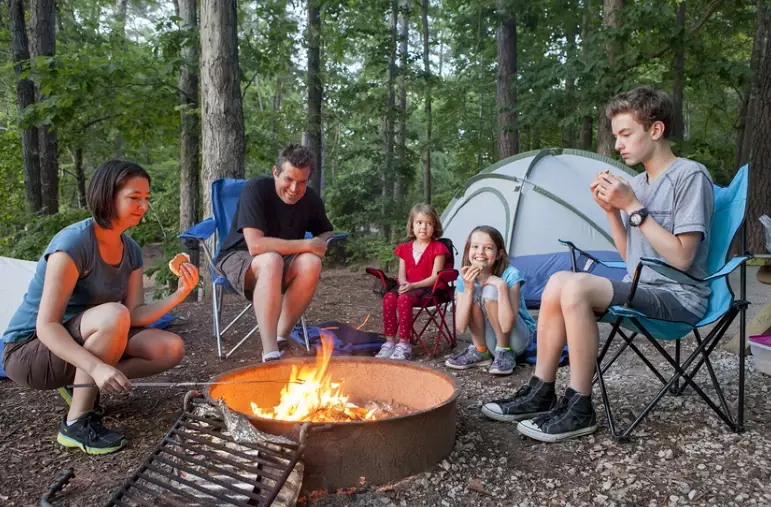
Let's be honest. The idea of sleeping on the ground in a tent loses its charm after a certain age, or after one too many rainy nights. But you still crave the campfire, the starry skies, and the freedom of the open road. That's where trailer camping slides perfectly into the picture. It's not giving up on adventure; it's upgrading your base camp. Think of it as bringing your bedroom, kitchen, and bathroom with you to the most beautiful parking spots on earth.
I remember my first trip with a borrowed 18-foot travel trailer. I was equal parts excited and terrified. Hooking it up felt like rocket science. Backing it into the site was a comedy of errors witnessed by half the campground. But once we were leveled, the awning was out, and I was sitting in a real chair drinking coffee from my own mug... I got it. This was a game-changer.
Your Quick Trail Map
What is Trailer Camping?
At its core, trailer camping or travel trailer camping involves towing a wheeled living space behind your vehicle to a campsite. It sits squarely between tent camping and driving a massive motorhome. You detach the trailer at the site, freeing up your vehicle for exploration. This is the key advantage over an RV—your "home" stays put while your "car" is ready to go.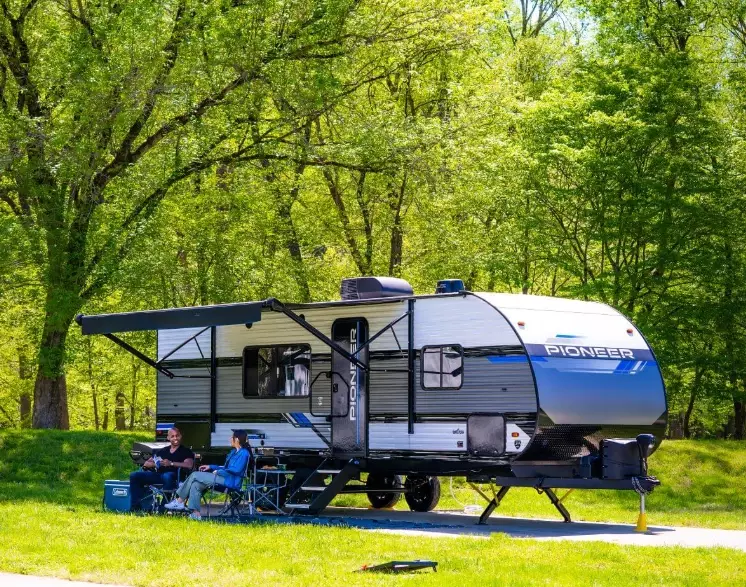
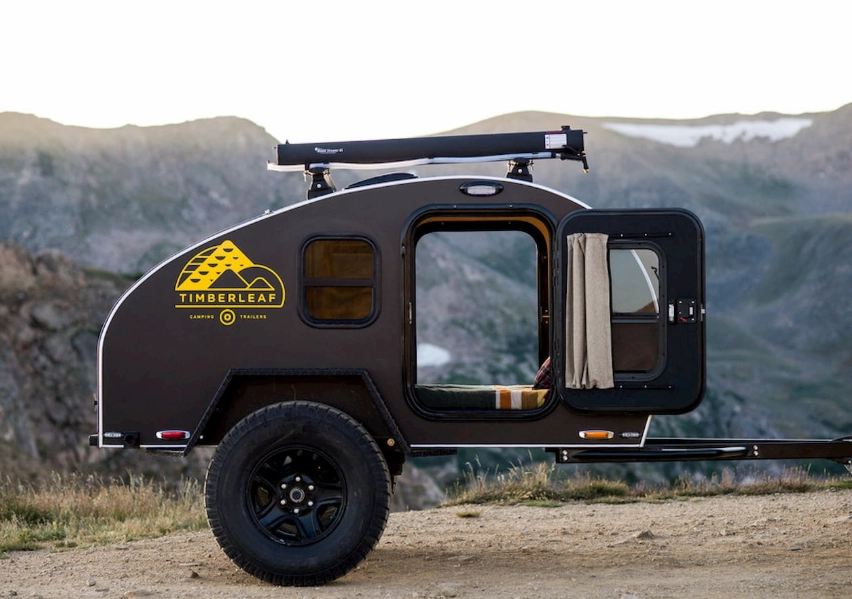
The spectrum is wide. On one end, you have tiny teardrop trailers that are basically a hard-shell bed on wheels with a small rear galley. On the other, you find massive fifth-wheels with multiple slide-outs, residential refrigerators, and washer/dryer hookups. The common thread is that you need a vehicle capable of towing it.
Why do people choose it? The reasons stack up quickly: a real bed, protection from weather and bugs, a contained space for kids and pets, a functional kitchen, onboard bathroom facilities, and significantly more storage. It makes camping accessible in shoulder seasons (spring and fall) and opens up longer trips without the hassle of packing and unpacking a tent daily.
How to Choose the Right Travel Trailer
This is the biggest decision, and everyone gets it backwards. They fall in love with a gorgeous trailer first. Stop. Your first question isn't "Which trailer?" It's "What can my vehicle SAFELY tow?"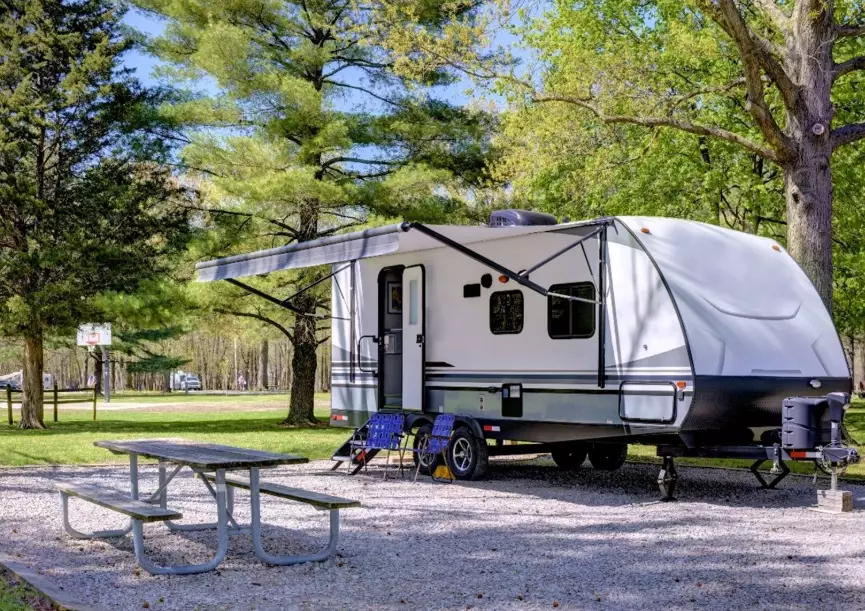
The Tow Vehicle: Your Most Critical Piece of Gear
Grab your vehicle's owner's manual. Find the maximum tow rating. This is your absolute legal and mechanical limit. Now, subtract 10-20% for a safety buffer. That's your realistic towing capacity. A Honda CR-V might manage a tiny, ultra-lightweight trailer (maybe 1,500 lbs). A half-ton pickup like a Ford F-150 can handle many mid-size trailers (up to 8,000-10,000 lbs depending on configuration). You also need to check payload capacity—the weight the truck itself can carry, which includes passengers, gear, and the hitch weight of the trailer.
Types of Trailers: A Quick Comparison
| Type | Best For | Average Length/Weight | Key Consideration |
|---|---|---|---|
| Teardrop | Solo travelers/couples, minimalists, off-grid enthusiasts. | 10-15 ft / 1,000-2,000 lbs | Very low tow vehicle requirement. Living is mostly outside. |
| Expandable (Popup) | Families on a budget, storage-limited owners. | 15-20 ft (expanded) / 2,000-3,500 lbs | Requires setup/teardown like a tent. Less insulation. |
| Lightweight Travel Trailer | Small families, SUV owners. | 17-22 ft / 3,000-5,000 lbs | Great balance of features and towability. Often has a dinette and small bathroom. |
| Fifth Wheel | Full-timers, large families, maximum comfort seekers. | 25-40 ft / 10,000-18,000 lbs | Requires a heavy-duty truck with a special hitch in the bed. More stable tow. |
My advice? Rent first. Platforms like Outdoorsy or RVshare are perfect for this. Try a small trailer for a weekend. See what you like and hate before writing a check for a new one.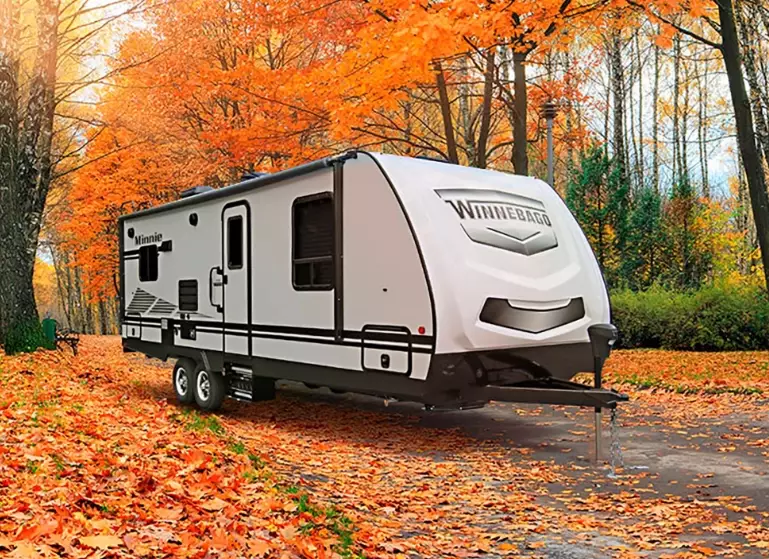
The Non-Negotiable Gear Checklist (Beyond the Trailer)
Owning the trailer is just the start. Here’s the stuff you don't realize you need until you're stuck without it.
- A Proper Hitch System: For anything but the lightest trailers, a weight distribution hitch with sway control is mandatory. It transforms the towing experience from white-knuckle to confident. This isn't an accessory; it's a safety device.
- Leveling Blocks: Campsites are rarely flat. A set of plastic leveling blocks (like LEGO for RVs) lets you quickly raise the low-side tires.
- Water Hoses & Pressure Regulator: Don't use your garden hose. Get a dedicated, drinking-water-safe hose. A pressure regulator protects your trailer's plumbing from high campground water pressure.
- Electrical Adapters: Campgrounds have different amperage outlets (30-amp, 50-amp). Your trailer has one plug type. A set of adapters ensures you can plug in anywhere.
- Wheel Chocks & Gloves: Chocks go behind the wheels BEFORE you unhitch. Gloves keep your hands clean dealing with sewer hoses (yes, that's a thing).
- Basic Tool Kit & Tire Pressure Gauge: For roadside adjustments. Check your trailer tire pressure cold, every time you head out. Underinflated tires on trailers are a leading cause of blowouts.
Finding and Booking the Perfect Trailer Campsite
A tent can be pitched on a patch of dirt. A 25-foot trailer needs a specific spot. Your search criteria change.
Key Filters to Use: Always filter for "RV Sites" or "Trailer Length." Your trailer's total length is what matters. A 20-foot trailer needs a site rated for at least 25-30 feet to account for the tow vehicle and maneuvering room.
Site Type Vocabulary:
- Pull-Through: The holy grail for beginners. Drive in one side, out the other. No backing required.
- Back-In: Standard for most RV sites. You'll get good at backing up, I promise.
- Full Hookups: The luxury option. Provides water, sewer, and electricity (30-amp or 50-amp) at your site. Ideal for first trips.
- Partial Hookups: Usually just electricity and water. You'll use your trailer's freshwater tank and need to visit a dump station to empty waste tanks later.
- Dry Camping/Boondocking: No hookups. You rely entirely on your trailer's tanks and battery. An advanced skill.
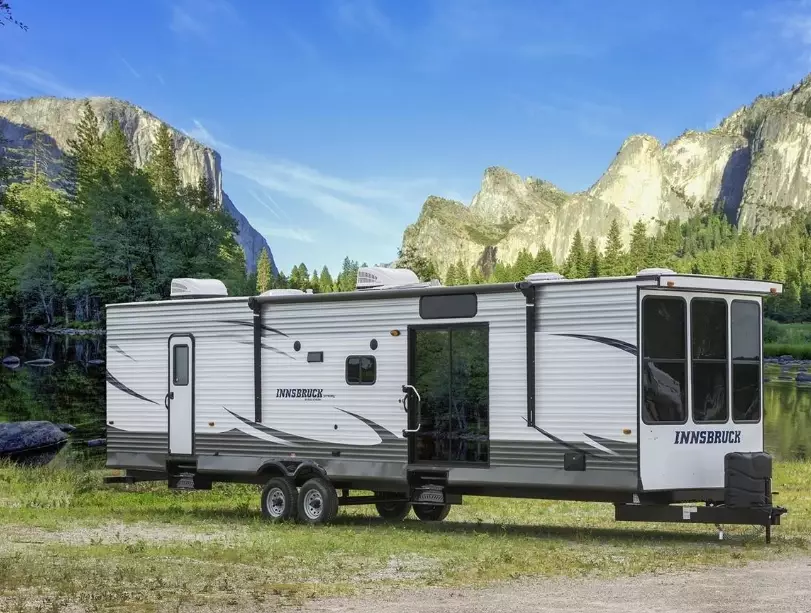
Where to Look: Recreation.gov is your portal for US federal lands (National Parks, Forests, BLM). State park websites are essential for regional gems. For private campgrounds with resort-like amenities (pools, mini-golf), check Good Sam or KOA. For unique, hipster-friendly spots on private land, Hipcamp is fantastic.
Here's a truth: the best sites in popular parks like Yellowstone, Zion, or the Florida Keys are booked the moment reservations open, often 6-12 months in advance. For spontaneous trips, look to state forests or less-famous national forests, which often have first-come, first-served sites.
Planning Your Maiden Voyage: A Sample Weekend
Let's make this concrete. Imagine you've just bought a used 19-foot lightweight travel trailer. Your tow vehicle is ready. Here’s a smart plan for your first shakedown cruise.
Goal: Keep it simple, close to home (under 2 hours drive), and choose a full-hookup site.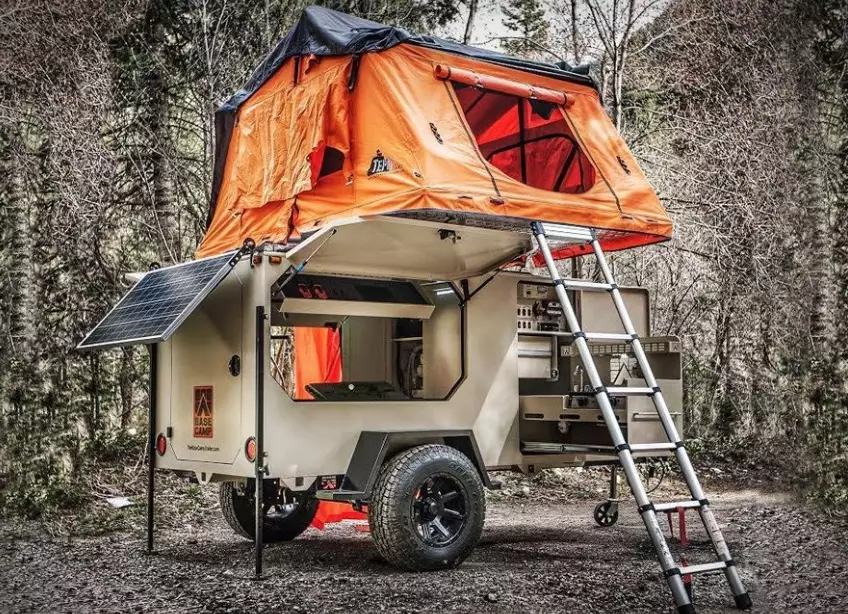
Thursday (Prep Day): Pack the trailer at home. Load clothes, non-perishable food, bedding. Fill the freshwater tank. Test all lights and brakes on the trailer. Practice hitching and unhitching in your driveway.
Friday (Travel & Setup): Leave by mid-afternoon to avoid rush hour and setup in the dark. Arrive at the campground with daylight to spare. Follow the campground's check-in procedure. Slowly pull into your assigned pull-through site. Chock the wheels, level side-to-side with blocks, then unhitch. Level front-to-back with the trailer's built-in jack. Connect your electrical cord and water hose. Put out the awning and your camp chairs. Done. Your home is set.
Saturday (Enjoyment & Learning): This is the day to test systems. Use the stove. Try the shower (short one—hot water is limited!). Figure out how the thermostat works. Take a drive in your now-free tow vehicle to a local hike or town. Have a campfire in the evening.
Sunday (Breakdown & Return): Dump your black and gray water tanks at the campground's dump station (if you used them) before you leave. Stow everything securely inside. Hitch up, do a final light check, and drive home. Unpack, clean, and note anything that needs fixing or buying for next time.
The 3 Mistakes Almost Every New Trailer Camper Makes
After a decade and helping countless friends start, I see these patterns constantly.
- Overpacking the Trailer: It's tempting to bring everything. Weight adds up fast and can exceed your trailer's max weight rating (check the sticker inside). Pack for the weather you expect, not every possible scenario. Heavy items (tools, full water tanks) should be stored low and over the axles.
- Ignoring the Pre-Trip Walkaround: A 60-second check can prevent disaster. Walk around the trailer. Check tire pressure. Ensure all doors and compartments are latched. Confirm the hitch is locked, safety chains are crossed, and the breakaway cable is connected. Look to see if the trailer lights are working.
- Not Knowing Your Rig's Height: You are now over 10 feet tall. Write your height (in feet and inches) on a sticky note on your dashboard. Look out for low-hanging tree branches at campground entrances and, most critically, drive-thru canopies at gas stations or fast-food joints. A collision with one is a rite of passage you want to skip.
Trailer camping opens a door. It's the freedom to wake up with a lake outside your window one weekend and a desert vista the next, all with your own pillow. It has a learning curve, sure. But the comfort, the convenience, and the sheer scope of adventures it enables are worth every bit of the setup.
Start with your vehicle's capabilities. Rent something small. Book a site with full hookups. You'll learn more in that one weekend than from reading a hundred articles. Then, you'll be hooked.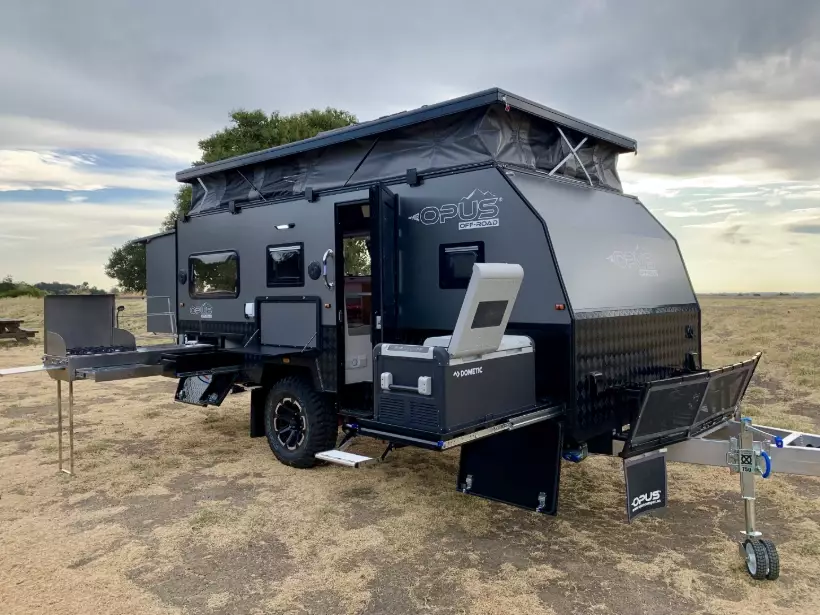
Trailer Camping Questions You Were Afraid to Ask
Can I go trailer camping with a regular SUV, or do I need a truck?
This is the most common and costly mistake. Check your vehicle's owner's manual for its maximum tow rating. Then, look at the Gross Vehicle Weight Rating (GVWR) of the trailer you want. You must have a significant safety buffer. A small teardrop or lightweight travel trailer might be fine for a robust SUV like a Ford Expedition or a Toyota 4Runner. But for most midsize and larger trailers, a half-ton truck (like an F-150 or Silverado 1500) is the realistic starting point. Never max out your tow vehicle's capacity; it's unsafe and destroys your transmission.
Where can I find trailer-friendly campsites, and how do I book them?
Not all campsites are created equal for trailers. Use filters on sites like Recreation.gov (for federal/state parks) or Hipcamp. Look for sites labeled "RV" or with "pull-through" descriptions. Always check the site details for maximum length restrictions. For your first few trips, prioritize campgrounds with full hookups (water, sewer, electric). This eliminates the stress of managing your tanks and battery right away. Booking, especially for popular parks, often needs to be done months in advance. I learned this the hard way trying to get a last-minute spot in Yellowstone.
Is trailer camping more expensive than tent camping? What are the hidden costs?
The initial investment is significantly higher, but the cost per trip can be lower over time. Beyond the trailer and tow vehicle, budget for: insurance (both trailer and potentially increased auto), annual registration, maintenance (tire rotations, bearing repacks), and storage fees if you can't keep it at home. Campsites with hookups cost more than primitive tent sites. However, you save on hotel bills, can cook all your meals easily, and the trailer itself retains some resale value. It's a different financial model—higher upfront, more convenience and comfort long-term.
What's the one piece of gear most new trailer owners forget but desperately need?
A quality weight distribution hitch with integrated sway control. Most dealers will sell you a basic hitch ball. The difference in driving stability, especially when a semi-truck passes you, is night and day. It properly distributes the trailer's tongue weight across all your vehicle's axles, preventing dangerous sagging and sway. It's not optional gear; it's essential safety equipment for anything but the smallest trailers. Installing it correctly is key, so don't be afraid to pay a professional for the first setup.