You've spent weeks planning the perfect trip. The gear is packed, the route is mapped, and you're buzzing with excitement. Now imagine this: a sudden storm floods your campsite, ruining your brand-new tent and forcing you to book a last-minute hotel. Or worse, you slip on a trail and need an airlift out of the backcountry. The excitement vanishes, replaced by a massive, unexpected bill.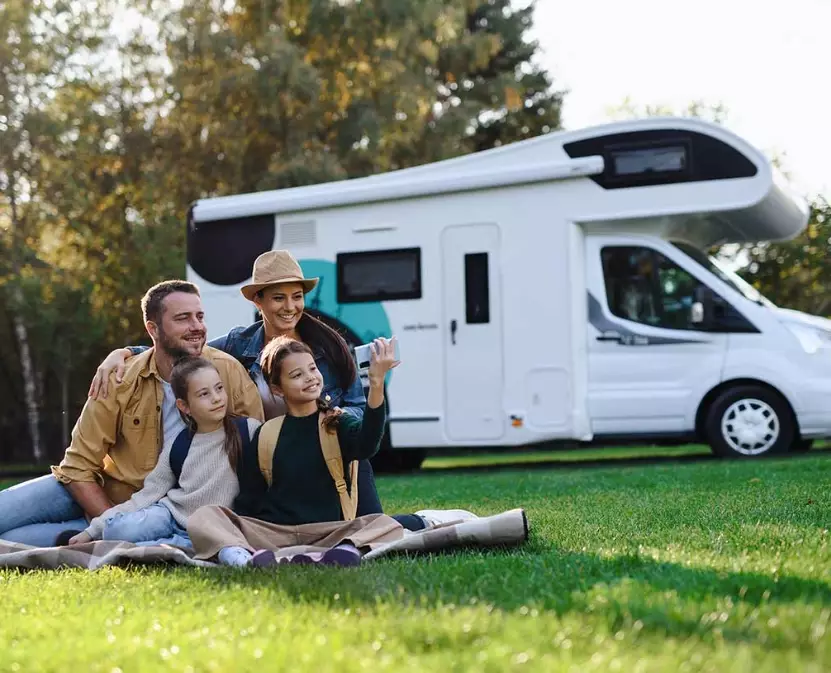
That's the gap camping insurance fills. It's not about pessimism; it's about practical protection for your investment—your time, your money, and your well-being. Most people think their auto or health insurance has them covered. I thought that too, until a friend's story about a denied claim for a stolen camping stove ("not part of the vehicle," they said) woke me up.
What's Inside This Guide?
What Does Camping Insurance Actually Cover? (The Real Details)
Think of it as a safety net with several strands. A good policy isn't one single thing; it's a bundle of protections. The core components usually fall into these categories:
| Coverage Type | What It Typically Does | Real-World Camping Scenario |
|---|---|---|
| Trip Cancellation/Interruption | Reimburses non-refundable costs if you must cancel or cut short your trip for a covered reason (illness, severe weather, job loss). | A family member gets COVID-19 the day before departure. You get back your prepaid campsite fees, tour deposits, and maybe even your RV rental deposit. |
| Emergency Medical & Evacuation | Covers medical treatment costs and the expense of getting you to adequate care, which can mean a helicopter. | You break your leg on a remote hiking trail. The policy pays for the air ambulance to the nearest trauma center and your hospital bills. |
| Baggage & Personal Gear Loss | Replaces stolen, lost, or damaged belongings, including specialized camping equipment. | Your kayak is damaged in transit on your car roof, or your backpack with a high-end sleeping bag is stolen from a campground picnic table. |
| Travel Delay | Provides funds for meals and accommodation if your journey is delayed for a set number of hours (e.g., 6+ hours). | A major wildfire closes the only highway to your destination for 12 hours. You get money for a hotel and food while you wait. |
| Accidental Death & Dismemberment | Provides a benefit in case of a fatal or severe injury during the trip. | A tragic but important consideration for any outdoor activity. |
Here's the nuance most blogs miss: the limits matter more than the categories. A policy might say it covers "medical evacuation," but the limit could be $25,000 or $500,000. A serious evacuation can easily hit six figures. Always check the dollar amounts.
Pro Tip: Look for policies that specify coverage for "sports and activities equipment" with a high sub-limit. Some standard travel insurance policies have low limits for gear ($500 total), which won't touch the sides if you lose a full camping setup. Companies like World Nomads or policies specifically marketed for adventure travel often have better terms here.
The 3 Most Common (and Costly) Camping Insurance Mistakes
After talking to dozens of campers and reading too many forum horror stories, I see the same errors popping up.
1. Assuming Your Existing Policies Are Enough
Your health insurance might have a terrible network where you're going, or no coverage at all outside the country. Your auto insurance covers the car, not the contents spilled out of it at a campsite. Your homeowner's or renter's insurance might cover theft from home, but not from a vehicle hundreds of miles away. This patchwork approach leaves massive gaps.
2. Not Declaring Your Planned Activities
This is the big one. Buying a generic policy without checking the exclusions list. Many standard policies exclude "high-risk" activities. The definition of "high-risk" can be surprisingly broad.
- Often Excluded: Rock climbing with ropes, off-roading with ATVs/UTVs, mountaineering above a certain altitude, spelunking (caving).
- Sometimes a Gray Area: Mountain biking on expert trails, whitewater rafting above a certain class, backcountry skiing.
If you get hurt doing an excluded activity, your claim is dead on arrival. The fix? Be brutally honest when you apply. If you're planning a via ferrata in Colorado, say so. It might cost a few dollars more, but it guarantees coverage.
3. Buying Too Late
Most trip cancellation benefits only cover unforeseen events. If you buy insurance after a hurricane is named and heading for your destination, it's now a "foreseen" event, and cancellation due to that storm won't be covered. A good rule is to purchase insurance within 10-14 days of making your first trip deposit (like booking your campsite). This often unlocks additional benefits like pre-existing medical condition waivers.
Watch Out: The cheapest policy is almost always the cheapest for a reason—lower limits, more exclusions, and weaker customer service. I learned this the hard way trying to get a simple baggage delay claim processed with a budget provider. It took months. Sometimes paying 20% more gets you 200% better service when you need it most.
How to Choose the Best Camping Insurance Policy for Your Trip
Stop looking for a one-size-fits-all "best" policy. Start by diagnosing your trip's specific risk profile.
Ask yourself these questions:
- How much is non-refundable? Total up prepaid campsites, rental fees, guided tour deposits, and flight costs. Your trip cancellation limit should meet or exceed this.
- How remote are you going? The more remote, the higher your emergency medical evacuation limit should be. $100,000 is a good minimum for backcountry trips; consider $250,000+ for true wilderness.
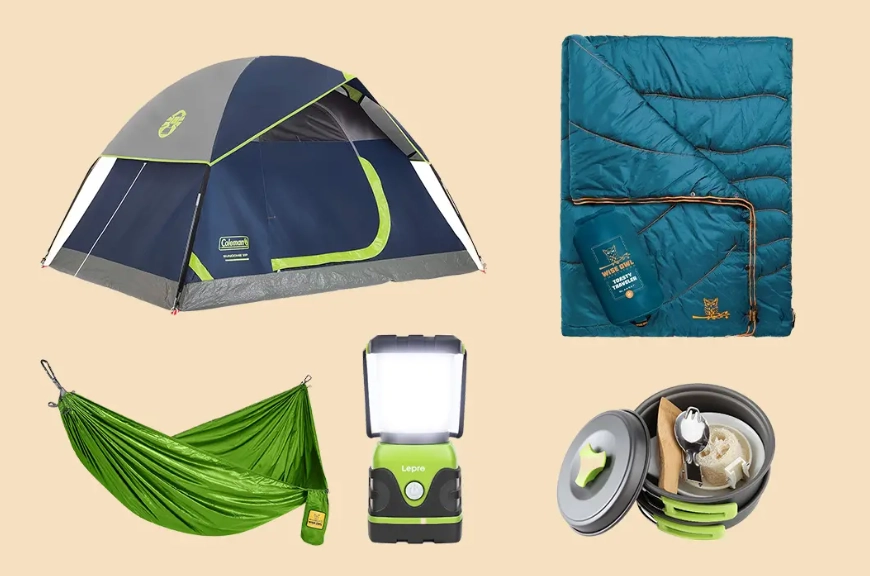
- What's the total value of the gear you're bringing? Tally it up—tent, sleeping bags, pads, stove, packs, electronics. Ensure the baggage/personal effects limit covers it.
- What activities are on the itinerary? Make a list and cross-reference with policy exclusions.
Then, use a comparison site like Squaremouth or InsureMyTrip. They let you filter by coverage limits and activities. Don't just compare price; compare the coverage details line by line.
My personal process? I call the insurer. I tell a representative exactly what I'm planning. "Hi, I'm driving an RV to Banff, plan to do some guided hiking, and might rent a canoe. Is all that covered under Policy XYZ?" Getting a verbal confirmation creates a note in your file and gives you peace of mind.
Special Considerations for RV and Campervan Owners
RVing adds another layer. You're combining a vehicle, a home, and a vacation. Your insurance needs to reflect that trifecta.
Option 1: Separate Policies. Keep your auto insurance for the vehicle liability and collision. Buy a separate travel insurance policy for your trip costs, medical, and personal belongings. This can work but requires careful coordination.
Option 2: Specialized RV Insurance Add-ons. Many RV insurance providers (like Progressive or Good Sam) offer "vacation liability" or "personal effects" coverage as add-ons. This can extend liability coverage to your campsite and provide some gear protection. However, it rarely includes robust trip cancellation or interruption benefits.
Option 3: A Comprehensive RV Travel Policy. Some companies offer policies designed specifically for RV trips. These bundle aspects of auto, travel, and roadside assistance (like for a flat tire on your RV) into one product. They understand the unique risks, like coverage for a slide-out that gets damaged on a tree branch.
For full-time RVers, the calculus changes completely. You need a full-timer's RV insurance policy, which acts more like a mobile homeowner's policy, and you must seriously consider a long-term travel medical insurance plan, as standard travel insurance is not designed for continuous, permanent travel.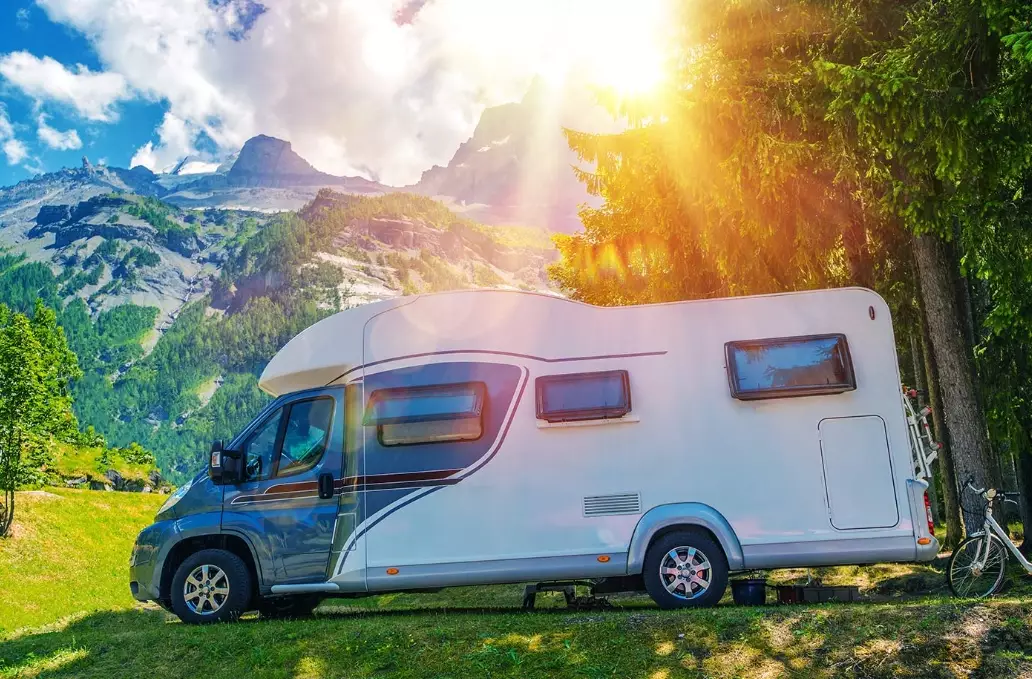
Your Burning Insurance Questions, Answered
Does my auto insurance cover accidents that happen while camping?
What's the single biggest mistake people make when buying camping insurance?
Is camping insurance worth it for a simple weekend car camping trip?
How does camping insurance work for international trips, like camping in Canada or Europe?
 Look, insurance is about managing the "what ifs" so you can focus on the "what is"—the crackle of the fire, the star-filled sky, the quiet morning by the lake. A little planning with the right camping insurance means the only surprises you get are the good kind.
Now go check those policy limits.