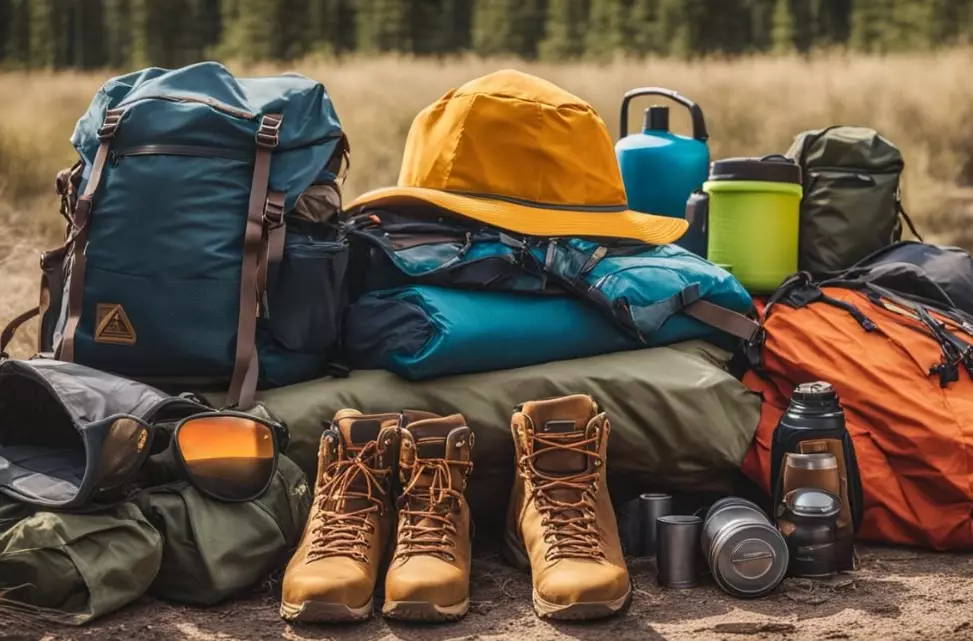
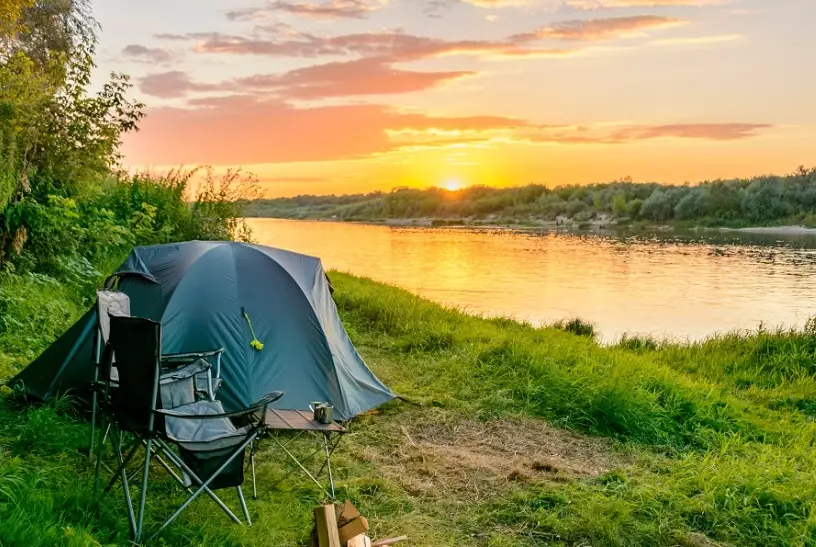
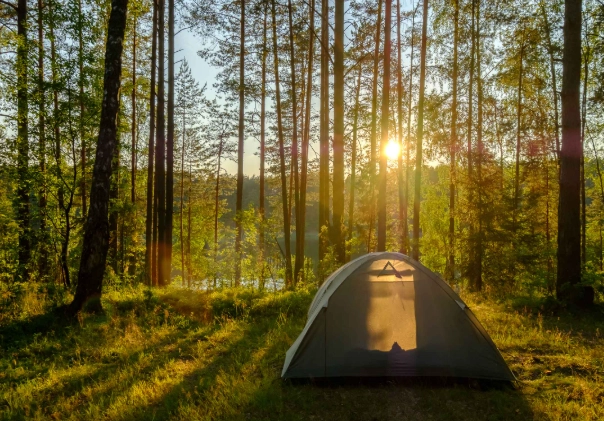
You've seen the stunning photos, you crave the fresh air, but the idea of setting up a tent in the dark or starting a fire in the rain fills you with dread. That's where camping courses come in. They're not just for hardcore survivalists; they're practical, hands-on workshops designed to turn uncertainty into confidence. I've spent over a decade guiding trips and teaching these skills, and I can tell you the biggest mistake beginners make is thinking they can just buy gear and figure it out. A good course bridges that gap between owning equipment and knowing how to use it effectively when it matters.
What's Inside This Guide
What Are Camping Courses and Who Are They For?
At their core, camping courses are structured learning experiences focused on outdoor living skills. Forget dry lectures. These are about doing: pitching a tent, purifying water, reading a topographic map, and cooking a meal on a portable stove. They're offered by outdoor schools, recreation departments, parks, and outfitters like REI.
Who needs one? Almost anyone who feels a step behind their camping ambitions.
- First-Timers & Nervous Newbies: If your only reference is movies, a course cuts through the fear. You learn what's truly essential versus what's just marketing.
- Parents Wanting Family Camping Success: A chaotic first trip can turn kids off forever. Family-specific courses teach kid-friendly routines, safety, and games that make camping enjoyable for all ages.
- Day Hikers Transitioning to Overnights: Knowing how to day hike doesn't teach you how to manage a loaded backpack or sleep comfortably off the ground. A backpacking course covers that critical transition.
- Gear Owners Seeking Mastery: Bought a fancy water filter or backpacking stove? A course ensures you use it correctly and troubleshoot issues before you're miles from help.
How to Choose the Right Camping Course for You
Picking a course isn't about finding the cheapest or closest one. It's about alignment. Here's how to think it through.
Define Your "Why"
Be brutally honest. Is your goal to safely take your toddlers camping? To finally do a 3-day backpacking trip with friends? To feel self-sufficient in a state park campground? Your goal dictates everything.
Research Providers Critically
Look beyond the flashy website. Who are the instructors? Credentials like Wilderness First Responder (WFR) or certification from bodies like the Wilderness Medicine Institute or the American Mountain Guides Association (AMGA) signal professional training. Read reviews, but look for specifics about teaching style and hands-on time.
Scrutinize the Details
Location & Duration: A local park one-day workshop is a low-commitment start. A weekend immersion in a national forest offers depth. Group Size: Ask! A ratio of 1 instructor to 6-8 students is ideal for personal attention. What's Provided: Does the fee include gear rental (tent, stove, pack)? This is a huge value for beginners. Physical Demand: A "car camping" course is sedentary compared to a "backcountry travel" course. Choose accordingly.
My advice? Call or email them. Ask, "What's the one thing students are most surprised to learn in this course?" Their answer reveals a lot about their teaching priorities.
Types of Camping Courses: From Backpacking to Family Fun
Courses specialize. Here’s a breakdown of the main categories to help you match your interest.
| Course Type | Focus & Skills Covered | Best For... | Sample Skills You'll Practice |
|---|---|---|---|
| Beginner/ Car Camping | Foundational campground skills, gear selection, camp setup, basic cooking, fire safety, leave-no-trace principles. | Absolute beginners, couples, those who want comfort and drive-to-site convenience. | Setting up a dome tent in wind, operating a propane stove, planning a simple camp menu, selecting a safe campsite. |
| Family Camping | Child-specific safety, engaging kids in camp chores, simple nature activities, managing routines, packing for a family. | Parents, grandparents, or guardians planning trips with children under 12. | Kid-friendly campfire building, turning tent setup into a game, quick and appealing camp meals for picky eaters. |
| Backpacking & Wilderness Skills | Advanced topics: packing a backpack for weight distribution, navigation with map & compass, backcountry cooking, water sourcing/purification, lightweight camping techniques. | Day hikers ready for overnights, adventurers planning multi-day treks. | Plotting a route on a topo map, hanging a bear bag, using a backcountry stove efficiently, treating blisters. |
| Specialized Skills Workshops | Deep dives into one area: wilderness first aid, advanced navigation, knot-tying, wild edible plants, or four-season camping. | Campers with basic experience wanting to level up a specific competency. | (For a navigation workshop) Taking a bearing, triangulating your position, navigating in low visibility. |
A Real-World Course Example: "Wilderness Basics Weekend"
Let's get specific. Imagine a course offered by a place like the Colorado Mountain School or a similar regional outfitter. This is a typical 2-day, 1-night immersion.
Location: Based out of a front-country campground near a national forest (e.g., Pike National Forest, CO).
Schedule:
- Day 1 (9 AM - 5 PM): Gear check and introduction, hands-on tent pitching clinic, camp kitchen setup and lunch preparation, afternoon session on firecraft and water treatment, dinner prep practice.
- Overnight: Students camp at the instructional site with instructors on-hand.
- Day 2 (8 AM - 3 PM): Breakfast breakdown, navigation basics with map and compass, hike applying new skills, "leave no trace" campsite breakdown, Q&A and trip planning discussion.
Cost: Typically $250-$400 per person, often including group gear rental (tent, stove, filter).
What makes it work: The overnight component is key. You learn a skill by day, apply it for real at night, and can troubleshoot with an expert right there. It compresses weeks of trial-and-error into one weekend.
What to Expect: A Typical Camping Course Structure
While formats vary, a quality course follows a logical progression from knowledge to application.
1. Foundation & Gear Talk: It starts not with doing, but with understanding. Instructors explain the "why" behind gear choices—tent designs, sleep system insulation, stove types. This is where you learn to think like a camper, not just follow a checklist. They'll often have a "gear cemetery" of broken or inappropriate items as examples.
2. Core Skills Rotation: This is the hands-on heart. Groups rotate through stations:
- Shelter: Erecting different tent models, troubleshooting sagging rainflies, using guylines in wind.
- Food & Water: Operating stoves safely, creating a balanced meal plan, pumping or chemically treating water from a simulated source.
- Fire & Safety: Building a responsible fire in a designated pit, using a first-aid kit for common issues, proper food storage.
3. Integration & Scenario Practice: The best courses don't let skills stay isolated. They'll give you a scenario: "A storm is rolling in. As a team, set up this shelter, secure your kitchen, and store your food properly in the next 20 minutes." This mimics real camping pressure.
4. Debrief & Personal Planning: The final segment connects the course back to your life. Instructors help you create a personalized gear list, recommend local practice spots, and discuss how to plan your first independent trip.
After the Course: Putting Your New Skills to Use
The course ends, but your learning shouldn't. Momentum is everything.
Practice Immediately: Within a week, set up your tent or tarp in your backyard or living room. Repack your backpack. Muscle memory fades fast.
Plan a Shakedown Trip: Don't aim for a remote 5-day trek. Plan an easy overnight at a well-maintained, nearby campground. Your goal is to test your systems, not your endurance. State parks are perfect for this.
Join a Community: Look for local hiking or outdoor clubs. Groups like The Mountaineers or Sierra Club often have outings for graduates of their courses. It's a low-pressure way to camp with slightly more experienced people.
Keep Learning: Bookmark resources like the National Park Service's "Plan Your Visit" pages or the REI Expert Advice library. Follow skills-focused outdoor educators on social media for continual tips.
Your Camping Course Questions Answered
 What should I absolutely pack for a weekend camping course?