Desert camping isn't just camping in a dry place. It's trading green for gold, swapping bird songs for wind whispers, and finding a profound quiet you didn't know still existed. But that silence comes with a price: extreme temperatures, relentless sun, and zero margin for error. I've spent over a decade chasing those stark landscapes, from the Joshua trees of the Mojave to the rolling dunes of the Sahara. I've made the mistakes so you don't have to. This isn't a fluffy inspirational piece—it's the gritty, practical manual you need to do this safely and unforgettably.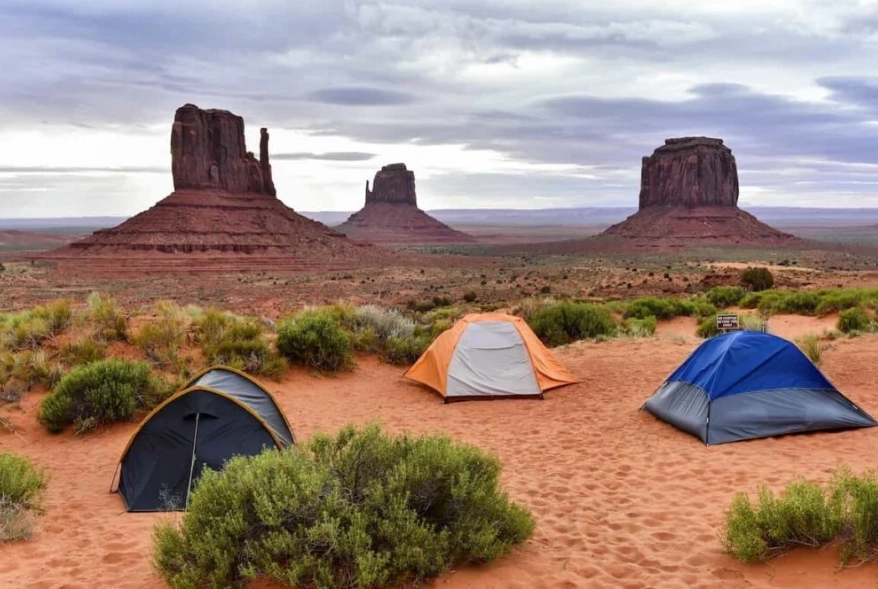
What You'll Find in This Guide
Why Go Desert Camping? Beyond the Obvious
Sure, the stars are incredible. The lack of humidity and light pollution creates a celestial dome that feels close enough to touch. But there's more.
The desert forces simplicity. There are no distractions. Your job is basic survival: stay hydrated, stay sheltered, stay on course. That focus is weirdly therapeutic. You also see landscapes that change by the hour—shadows carving canyons, colors shifting from burnt orange to deep purple at sunset.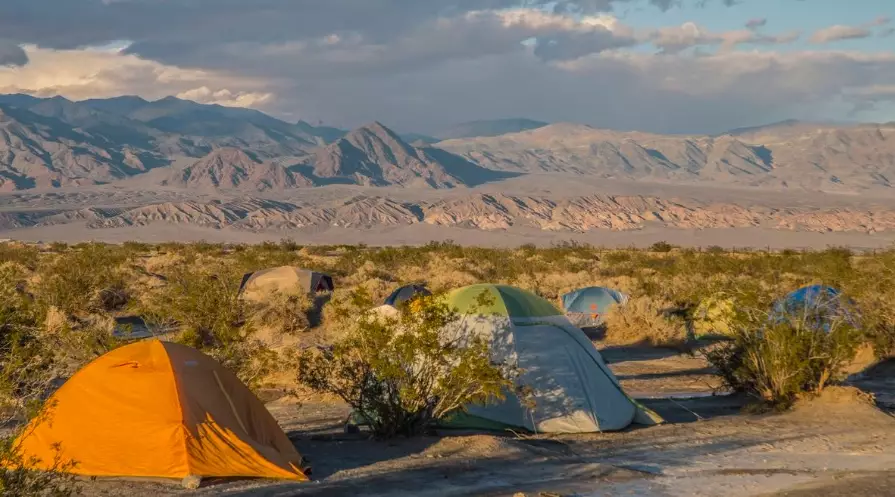
It's also surprisingly accessible. You don't need a permit for vast stretches of Bureau of Land Management (BLM) land in the US, like around Moab or the Alvord Desert in Oregon. It's often free. The challenge is logistical, not bureaucratic.
Your Desert Camping Gear: Non-Negotiables and Nice-to-Haves
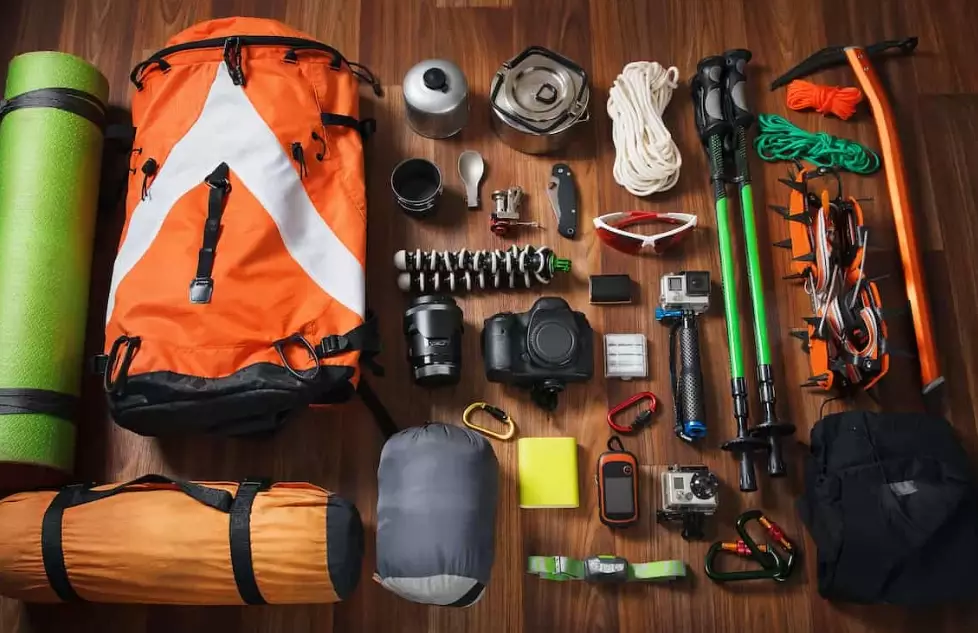
Forget your standard camping checklist. Desert gear is a specialized kit. Fail here, and your trip goes from adventure to ordeal.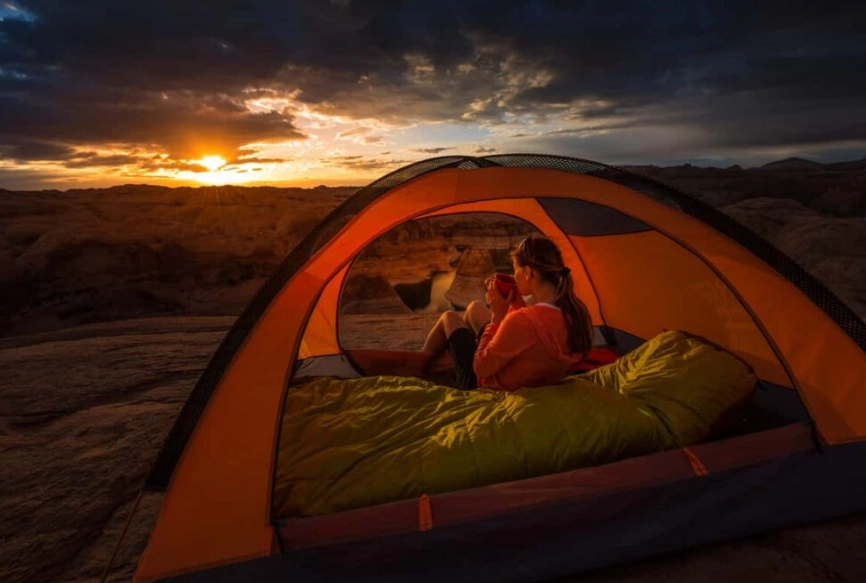
The Core Four: Shelter, Water, Sleep, Navigation
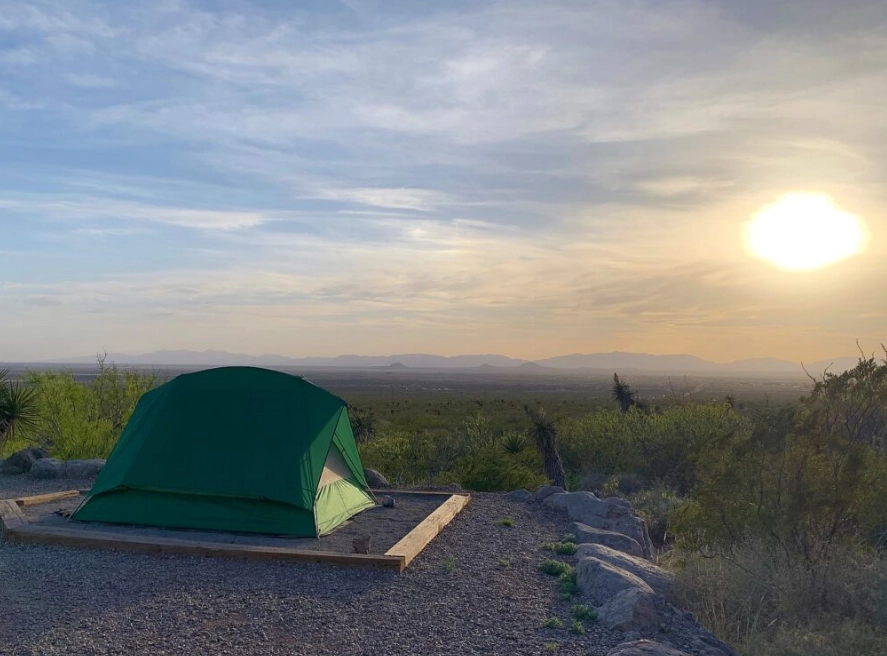
Shelter: A four-season tent is overkill, but a quality three-season with excellent ventilation is crucial. Look for a double-wall design to manage condensation. My go-to is a model with a full mesh inner and a rainfly with large vents. Color matters—lighter colors reflect heat. And practice setting it up in wind before you go.
Water: This is your lifeline. I carry a multi-system approach: hard-sided containers (like a 7-gallon Reliance Aqua-Tainer) for base camp storage, a 3-liter hydration bladder for hiking, and a backup filter or purification tablets for extreme emergencies (though most true deserts have no water sources to filter).
Sleep System: The 40-degree bag you use in the mountains will leave you shivering. Deserts easily dip into the 30s (F) at night. A 15-20 degree Fahrenheit bag is safer. Pair it with a sleeping pad with an R-value of at least 4. The cold comes from the ground as much as the air.
Navigation: Your phone will die, and GPS signals can be funky in canyons. A dedicated GPS unit (like a Garmin GPSMAP) with pre-loaded maps is best. Always, always have a physical map and compass as a backup. Know how to use them.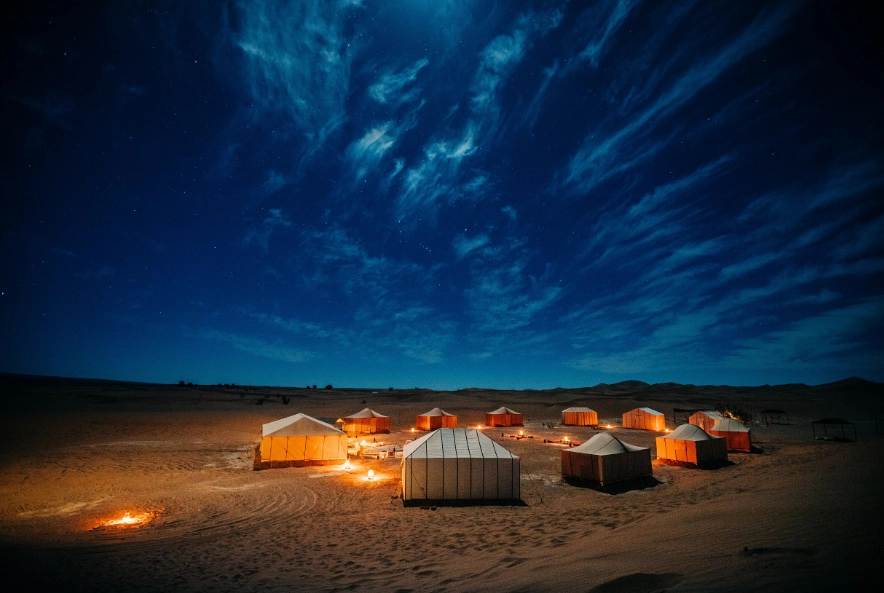
| Essential Gear | Why It's Critical | Pro-Tip / Common Pitfall |
|---|---|---|
| Wide-Brimmed Hat & Neck Gaiter | Prevents sunburn on neck/ears, reduces heat stress. | A baseball cap isn't enough. Get 360-degree coverage. |
| Sun Gloves | Protects hands during long hikes, steering wheel can burn. | Overlooked by 90% of first-timers. Driving for hours with sun on your hands is brutal. |
| Headlamp with Red Light Mode | Preserves night vision, doesn't attract bugs (few as they are). | White light ruins the stargazing for everyone. Red light is camp etiquette. |
| Small Umbrella | Creates instant personal shade on trail-less hikes. | Sounds silly until you're the only one not hiding behind a rock at noon. |
| Lip Balm with SPF | Chapped, cracked lips are a fast track to misery. | Regular chapstick won't cut it. Must have SPF 30+. |
Picking Your Desert: From Moab to the Sahara
Not all deserts are seas of sand. Your choice defines the experience.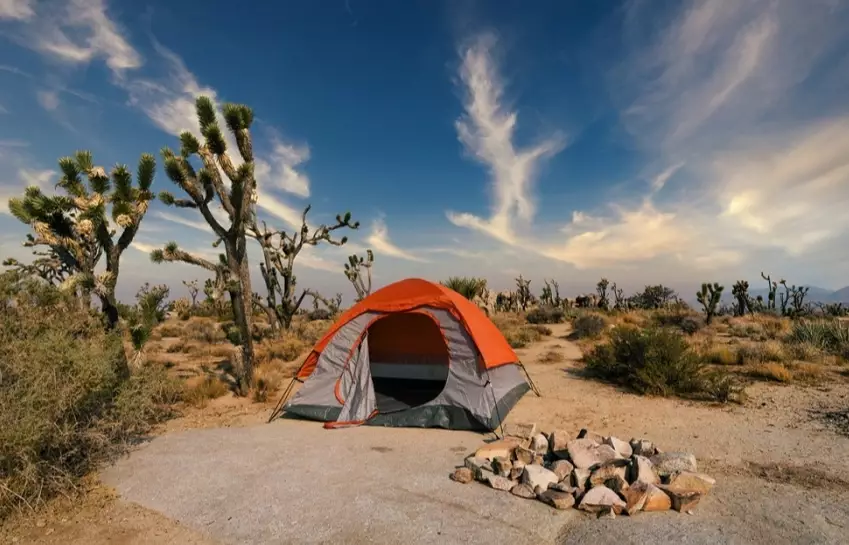
- High-Altitude Deserts (Great Basin, USA; Ladakh, India): Colder nights, often more rugged. Summers are milder, but winters are harsh. Access can be seasonal.
- Sand Dune Deserts (Sahara, Arabian Desert; Great Sand Dunes NP, USA): The classic image. Navigation is challenging (dunes shift), and walking is strenuous. The silence is absolute.
- Rock & Canyon Deserts (Mojave, USA; Wadi Rum, Jordan): My personal favorite. Offers varied terrain, incredible geology for exploration, and often more places to find wind shelter.
A Quick Comparison of Three Iconic Spots
Moab, Utah (Bureau of Land Management Land): Dispersed camping is free just outside town. You're surrounded by slickrock and canyons. Best seasons: Spring (March-May) and Fall (Sept-Oct). Summer temps soar above 100°F. It's a hub, so you can get supplies but also see other campers.
White Sands National Park, New Mexico: You can camp right on the gypsum dunes in a designated area (permit required, often sells out). It's surreal and otherworldly. The sand stays cool. Best in Fall or Winter. Spring brings fierce winds.
The Sahara (Merzouga, Morocco): Often involves a guided camel trek or 4x4 to a semi-permanent Berber camp. It's less about roughing it solo and more about the cultural immersion and vastness. Best time: October to April. Summer is lethal.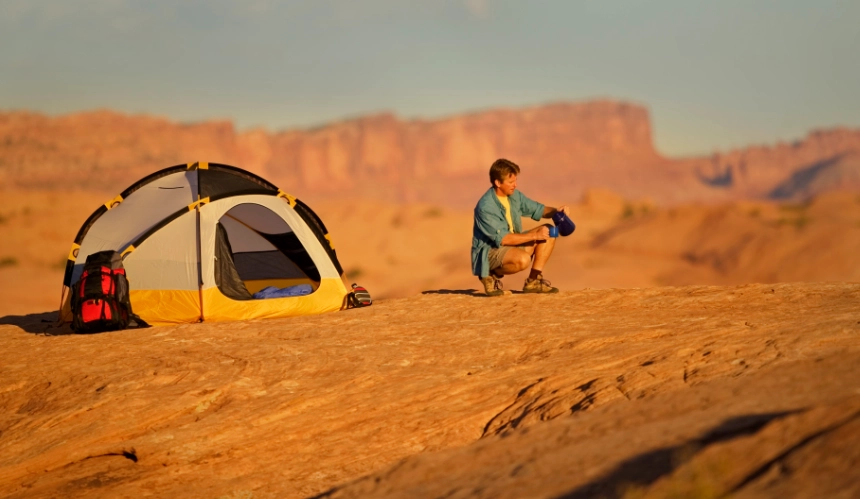
Staying Safe and Sane: Desert-Specific Strategies
Here's where experience talks. You can have all the gear and still have a bad time.
Heat Management
Hike at dawn and dusk. From 10 AM to 4 PM, your job is to be stationary in shade. Hydrate proactively, not reactively. If your urine isn't clear or very light yellow, you're behind. Electrolytes are key—add a powder to at least one water bottle per day to avoid cramping.
Sand and Wind
Everything gets sandy. Use dry bags for your clothes and electronics. Keep your tent zipped always. A small battery-powered air blower (for keyboards) is a luxury that saves your sanity when cleaning gear.
Wildlife
It's not the snakes or scorpions you see that are the problem. Shake out your shoes and clothes before putting them on. Keep your tent closed. Most creatures want nothing to do with you.
I was once in the Mojave when a sudden, unexpected sandstorm hit. Visibility dropped to zero in minutes. We had just enough time to hunker in the car. The lesson? Check the National Weather Service forecast for "haboob" warnings (dust storms) and always have a "bail-out" shelter plan.
Crafting Your Desert Itinerary: A 3-Day Sample
Let's plan a hypothetical trip to the Mojave National Preserve, a manageable and stunning intro to desert camping.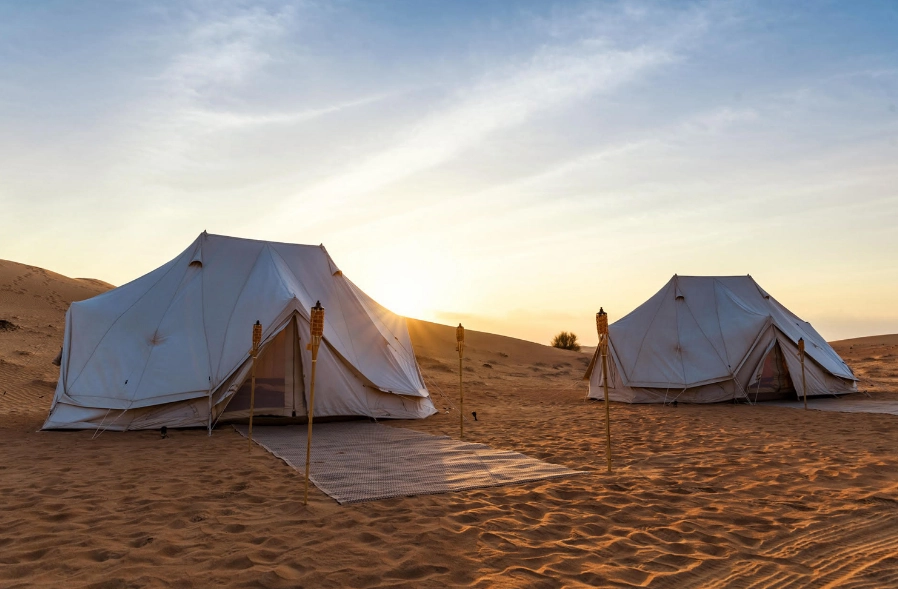
Day 1: Arrival & Acclimation
Arrive at the Kelso Dunes trailhead by 3 PM (avoiding midday heat). Set up camp in the designated area. Your only task: hike the dunes for sunset. It's a tough 3-mile round trip in sand, so take it slow. After dark, just listen. The dunes sometimes "boom" or sing when sand slides.
Day 2: Exploration
Pre-dawn wake-up. Drive to the Teutonia Peak trailhead (about 45 mins). Hike the 4-mile round trip to see the world's densest Joshua tree forest as the sun rises. Return to camp by 10 AM. Siesta. Rehydrate, read, nap. Late afternoon, drive the scenic loop to the Cima Dome. Explore the volcanic cinder cones. Another spectacular sunset.
Day 3: Departure & Leave No Trace
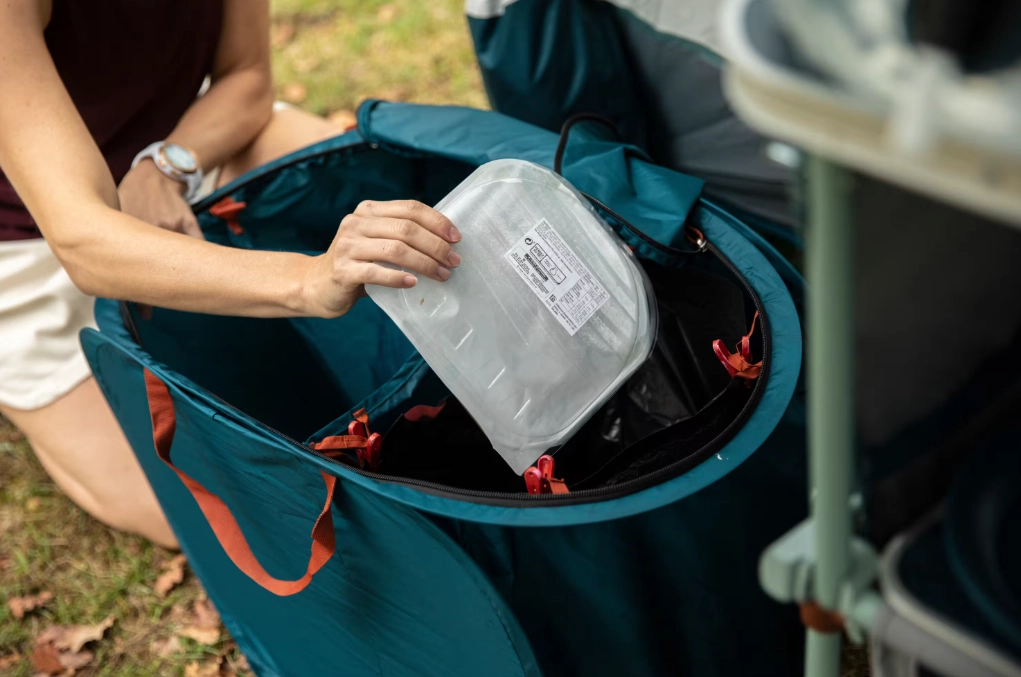
Pack up meticulously. In the desert, Leave No Trace means packing out all trash, including toilet paper (use a dedicated bag). Dismantle any rock circles you made. Drive out slowly, checking for wildlife crossing the road.