You know that feeling. You go camping to escape, but you end up bringing the noise with you—the mental checklist, the phone buzzing, the low-grade anxiety about work. The scenery changes, but your mind doesn't. Meditation camping flips that script. It’s the intentional practice of combining wilderness immersion with mindfulness to create a reset that actually sticks. It’s not about sitting perfectly still for hours; it’s about using the natural world as your anchor to quiet the internal one.
I learned this the hard way. Years ago, I packed my car with every gadget and gourmet food item I could fit, drove to a stunning lake, and spent the entire weekend stressed about setting up my elaborate camp and capturing the perfect photo. I returned home more exhausted than when I left. It took a few more trips—and a lot of intentional paring down—to realize that the goal wasn't to conquer nature, but to let it recalibrate me.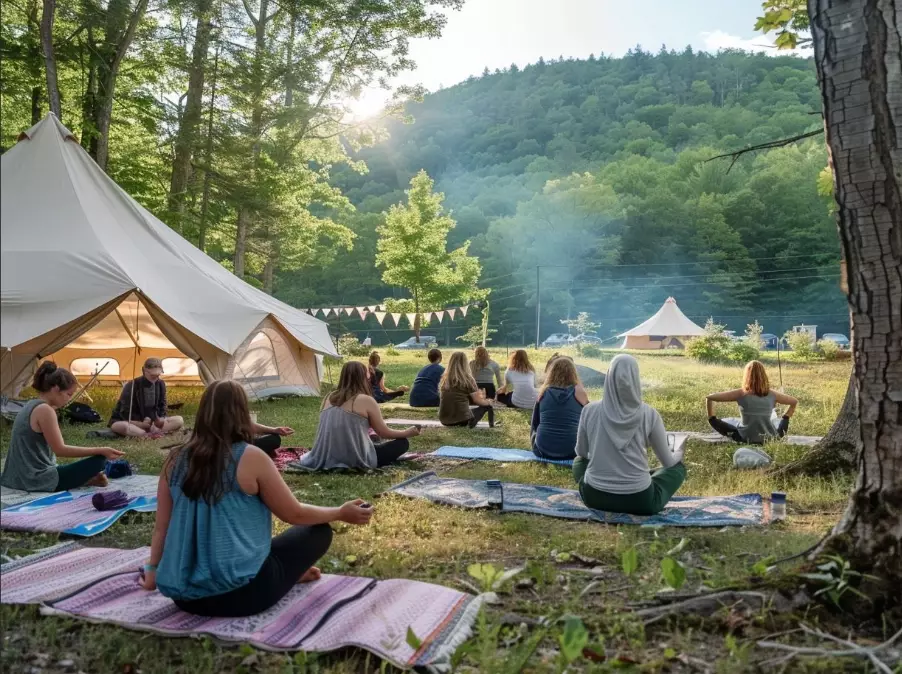
What to Expect in This Guide
What Meditation Camping Really Is (And Isn't)
Let's clear something up. This isn't a silent, ascetic vow. You can still enjoy a campfire meal and read a book. The core is intentional awareness. It's choosing to notice the weight of your pack on your shoulders during the hike in, the specific scent of pine after a rain, the pattern of bird calls at dusk—without immediately reaching for your phone to identify them.
The biggest mistake beginners make? They try to force a 30-minute indoor meditation practice onto a log in the woods. When mosquitoes buzz and their back aches, they think they've failed. The environment isn't the problem; your approach is. Outdoor mindfulness is fluid. It can be five minutes of focused breathing, an hour of quiet sitting, or a whole afternoon of attentive wandering.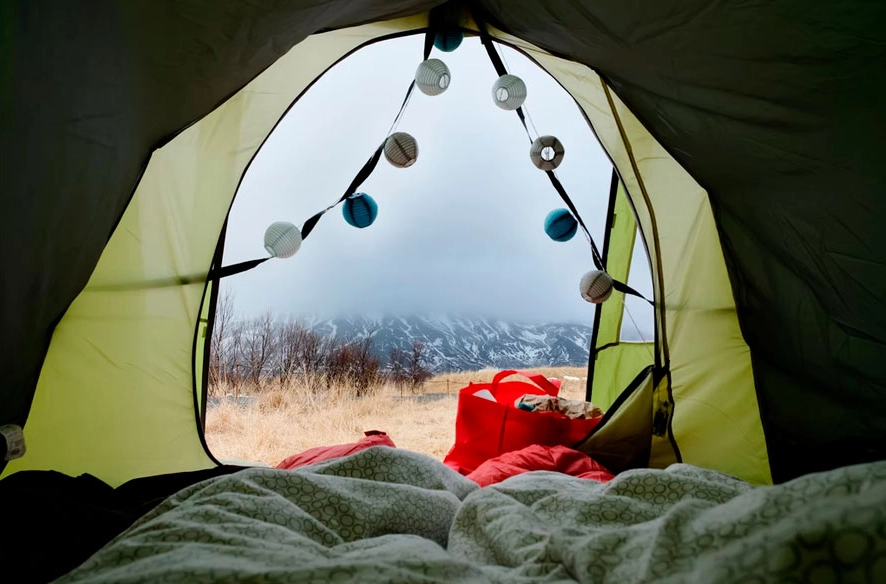
How to Choose the Right Campsite for Silence
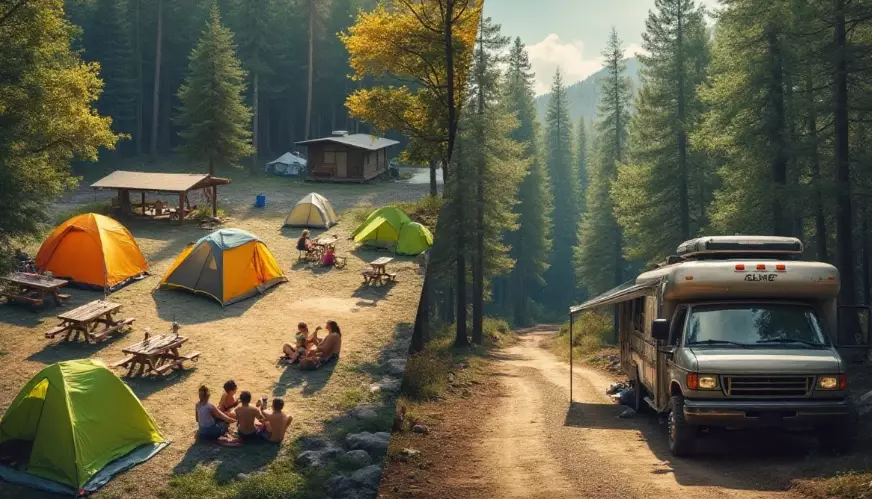
Location is everything. A crowded RV park next to a highway will sabotage your intent before you even unroll your mat. You need seclusion, but also safety and legality.
Consider these options, ranked from most accessible to most remote:
State Park Walk-in Sites: Goldmines for beginners. You park in a communal lot and carry your gear 100-500 yards to a designated site. This small barrier filters out most car campers. Sites like those at Harriman State Park in New York or many Colorado State Parks offer this perfect balance of managed safety and relative solitude.
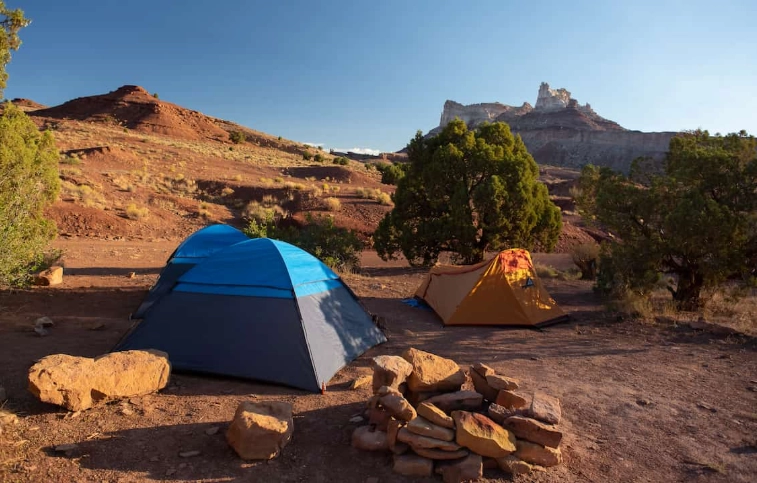
National Forest Dispersed Camping: This is public land camping outside of developed campgrounds. It's free and offers deep solitude. The catch? You must be self-sufficient (no toilets, no water) and know the specific rules for that forest. Always check the official USDA Forest Service website for the district you're targeting.
Private Land (Hipcamp): Platforms like Hipcamp connect you with landowners offering campsites. You can find incredibly unique and quiet spots—a meadow on a farm, a forest grove by a stream. Use filters for "seclusion" and read the host's description of ambient noise carefully.
The Minimalist Meditation Camping Gear List
Overpacking creates physical and mental clutter. Every extra item is a decision, a thing to worry about. Your gear should support simplicity, not complicate it. Here’s a focused list where every item has a clear purpose.
| Category | Essential Items | Why It Matters for Mindfulness |
|---|---|---|
| Shelter & Sleep | 3-season tent, sleeping bag, sleeping pad, compact pillow. | Physical comfort is non-negotiable. Being cold or sore is the ultimate distraction. A good pad provides insulation from the ground and comfort for sitting. |
| Mindfulness Kit | Closed-cell foam sit pad, lightweight shawl or blanket, simple timer (or no timer). | The sit pad is the most forgotten item. It insulates from damp/cold ground. The shawl is for warmth during morning/evening sits. Ditch the phone timer; use the sunrise or a set number of breaths. |
| Sustenance | Simple stove, fuel, pot, easy-prep meals (oatmeal, soups, noodles), water filtration, snacks. | Cooking should be simple, not a project. Pre-measure spices and ingredients at home. The act of preparing a basic meal can be a mindful practice in itself. |
| Clothing | Merino wool or synthetic layers, rain jacket, sturdy shoes, camp sandals, warm hat. | Layering lets you adapt comfortably to temperature shifts, so you're not fixated on being too hot or cold. Comfortable feet are happy feet. |
| Extras | Headlamp (red light mode), notebook & pen, physical map/compass, small first-aid kit. | The red light on your headlamp preserves night vision and is less disruptive to your own (and wildlife's) peace. A notebook is for unstructured journaling, not logging. |
What to deliberately leave behind: Bluetooth speakers, excessive cameras, elaborate cooking gadgets, and yes, your smartphone (or at least keep it in airplane mode, buried in your pack). The goal is to reduce inputs, not find new ways to curate them.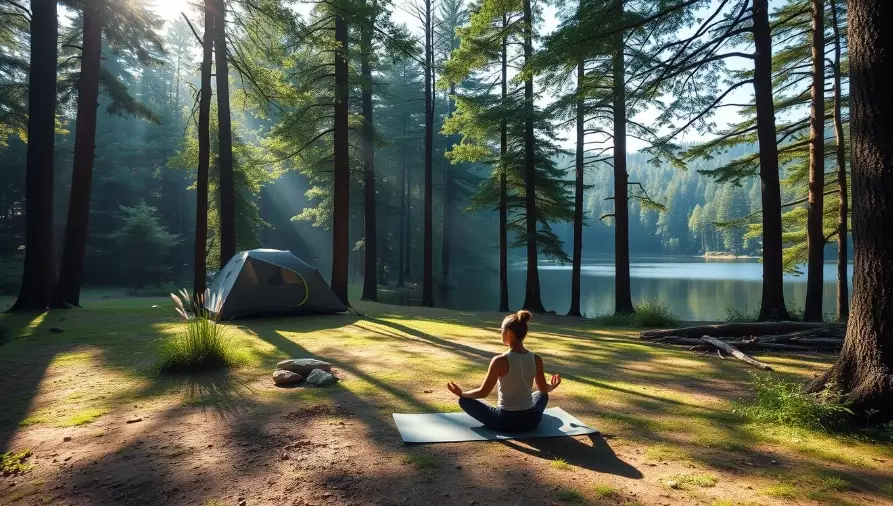
Crafting Your Daily Mindful Routine in Nature
Without a routine, time can blob into either boredom or frantic activity. Structure provides a gentle container for your retreat. This isn't a military schedule, but a rhythm.
Morning: Setting the Tone
Wake naturally if you can. Before even leaving your tent, take three deep breaths, noticing the feeling of the sleeping bag, the sounds outside. After a simple breakfast, find your sit spot. This could be 10 minutes of listening to the forest wake up, or focusing on the sensation of your breath. Don't fight the mind-wandering; just gently guide it back. That's the practice.
Daytime: Active Mindfulness
This is where meditation camping shines. Go for a walk without a destination. Practice walking meditation: slow your pace, feel the lift, move, and placement of each foot. Stop frequently. Look closely at lichen on a rock, the architecture of a spiderweb. Have lunch silently, truly tasting your food.
One of my most profound sessions wasn't sitting at all. I spent an hour watching water flow over stones in a creek, my thoughts eventually slowing to match its pace. That counts.
Evening: Integration and Release
As dusk falls, the shift is palpable. Prepare your dinner mindfully. After eating, sit by your (small, safe) campfire or just in the darkening twilight. Let the day's impressions surface without judgment. Write a few lines in your journal if it feels right, or just stare at the stars. The darkness isn't empty; it's full of subtle sounds and sensations.
Common Pitfalls and How to Avoid Them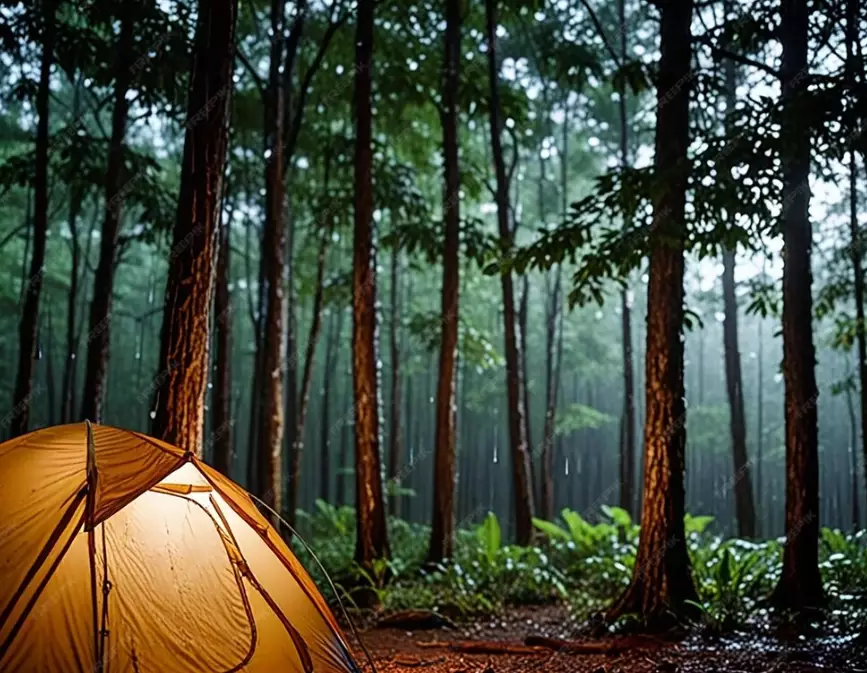
Even with the best plans, old habits creep in.
The "Productivity" Trap: You might feel you should "use the time" to solve a big problem or plan your year. Resist. This is time to be, not to do. If a great idea arises, jot it down and let it go.
Weather Obsession: Constantly checking the forecast on a satellite messenger defeats the purpose. Prepare well, then accept what comes. A rainy day in a tent, listening to the patter, can be deeply meditative.
Forcing the Experience: If sitting feels terrible, go for a walk. If walking feels aimless, sit down and sketch a tree. The practice is flexible. Your only task is to pay attention, whatever you're doing.
A Sample 2-Night Meditation Camping Itinerary
Here’s a concrete blueprint for a weekend retreat. Assume you've chosen a quiet, walk-in tent site.
Friday Afternoon: Arrive, park, and hike to your site. Set up camp with deliberate, unhurried movements. Notice the feel of the tent fabric, the sound of the poles snapping together. Once settled, take a short exploratory walk around your immediate area to get oriented. Cook a simple dinner. Spend the evening in darkness, maybe with a cup of tea. Go to bed early.
Saturday (Full Day): Wake without an alarm. Morning sit/awareness practice (15-30 mins). Simple breakfast. Pack water and snacks, embark on a 2-3 hour slow hike with no peak-bagging goal. Stop often. Find a nice spot for a long, lazy lunch. Return to camp in the early afternoon. Rest in your tent or hammock, read, or journal. Late afternoon sit. Prepare dinner. Evening fire or star-gazing session.
Sunday Morning: Morning practice. A grateful, slow breakfast. Break down camp mindfully, packing each item with care. Hike out, perhaps taking a slightly different route. The key is to carry the quiet awareness with you as you transition back.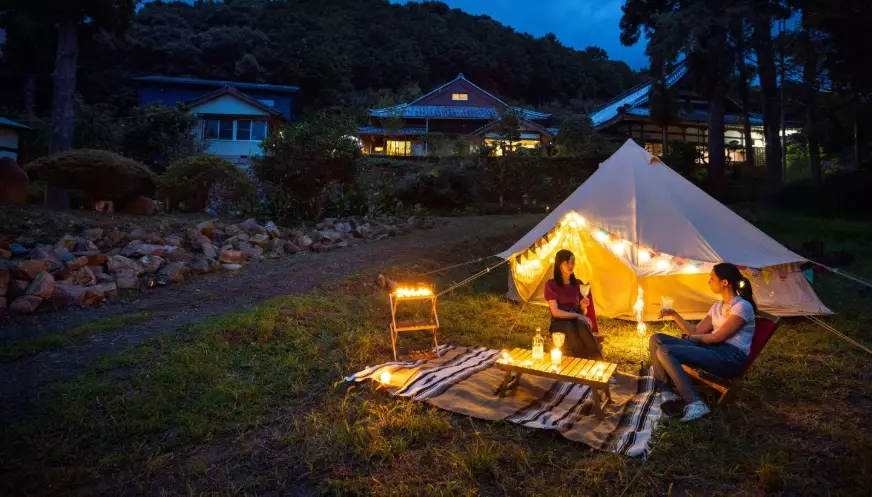
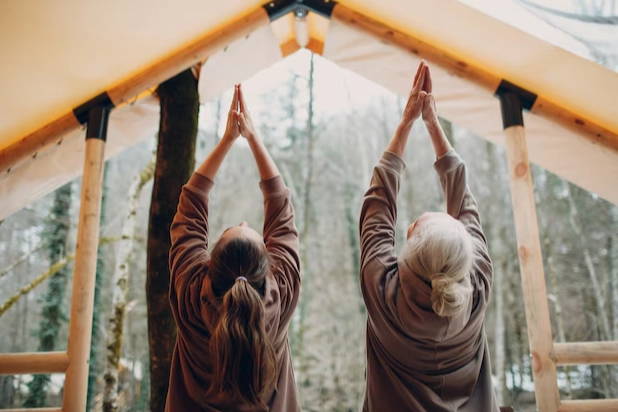 The real takeaway from meditation camping isn't a perfectly quiet mind. It's the rediscovery of a slower, more sensory way of being. You'll pack up your tent, but a bit of that forest stillness will stick with you. You'll find yourself noticing the quality of light on your commute, or taking a single deep breath before answering a stressful email. That's the true reward—not just a peaceful weekend, but a more present life.