Let's be honest. The idea of camping for kids often sounds better in theory than in practice. Visions of serene nature bonding clash with the reality of forgotten teddy bears, sudden downpours, and the eternal "Are we there yet?" But here's the secret most parenting blogs won't tell you: when done right, a family camping trip is less about survival and more about unlocking a level of childhood joy and family connection you rarely get at home. It builds independence, sparks curiosity, and creates the kind of sticky, mud-between-your-toes memories that last. Forget the perfect Instagram shot. This guide is about the real, practical, and surprisingly fun world of taking children into the outdoors.
What's Inside This Guide?
- Why Bother? The Real Benefits of Camping for Kids
- How to Choose the Perfect Kids-Friendly Campground
- What to Pack: The Realistic Family Camping Checklist
- Beyond S'mores: Kid-Centric Camping Activities That Actually Work
- Keeping It Safe: Non-Negotiable Tips for Peace of Mind
- Your Camping with Kids Questions, Answered
Why Bother? The Real Benefits of Camping for Kids
Sure, fresh air is great. But the value goes deeper. Camping forces a slow-down our over-scheduled lives desperately need. Without Wi-Fi passwords to argue over, something shifts. Kids start noticing things—the pattern on a beetle's back, the way light filters through trees, the sheer number of stars. They learn practical problem-solving (how *do* we get this tent pole to fit?), embrace manageable risk (climbing that safe, low rock), and gain a tangible sense of contribution by gathering kindling or helping cook.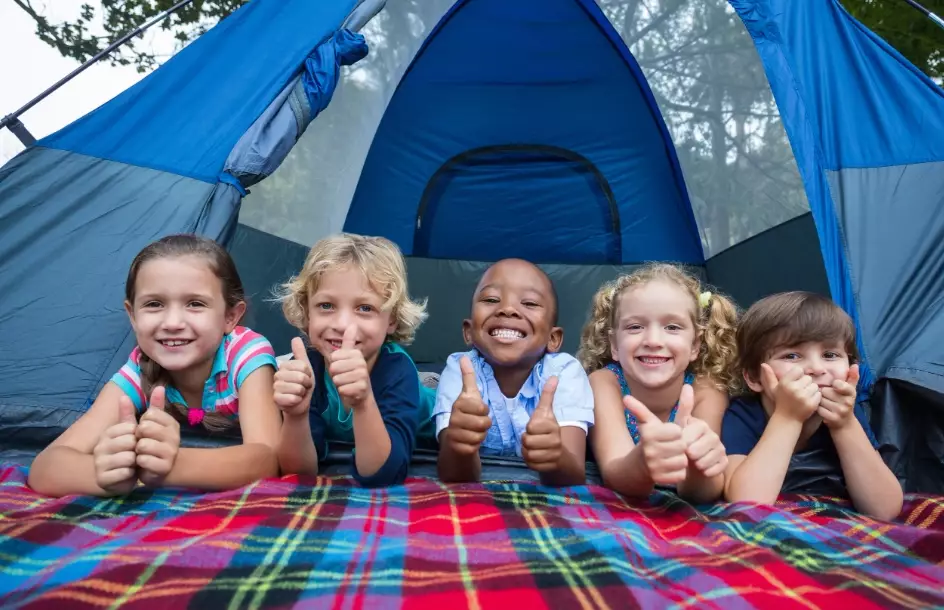
The biggest win? It builds resilient independence. In a controlled environment, they navigate small challenges. That confidence transfers back home. I've seen it with my own nieces—kids who camp regularly tend to be more adaptable, less fazed by minor inconveniences.
A common mistake is treating it as a cheaper alternative to a resort vacation. It's not. It's a different category entirely—an experience investment. You're trading poolside service for self-reliance, room service for stories around a fire.
How to Choose the Perfect Kids-Friendly Campground
Your destination can make or break the trip. For first-timers or those with young children, a "frontcountry" campground is your best friend. This means drive-up sites with amenities, not a 5-mile hike into the wilderness.
Here’s what to scan for when researching spots:
- Flush Toilets & Running Water: Non-negotiable for most families with little ones. Pit toilets are an adventure for about five minutes.
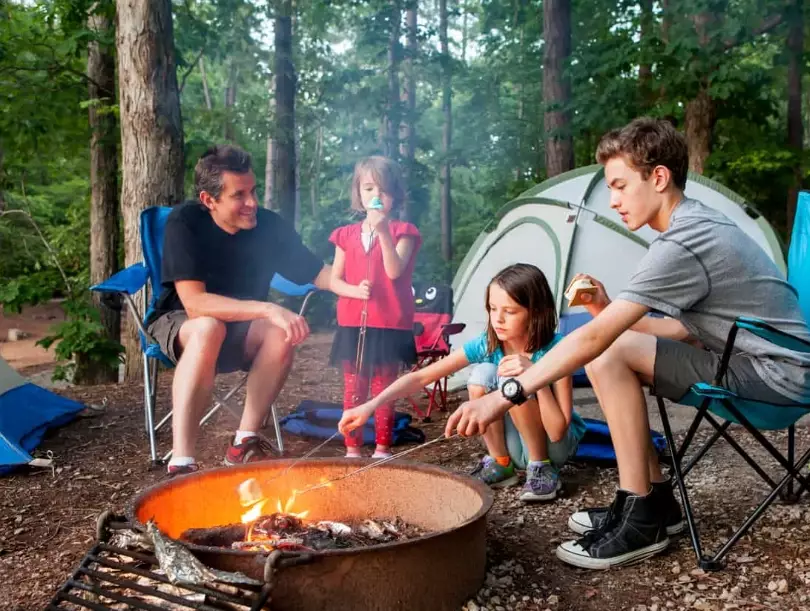
- Flat, Clear Tent Pads: Avoid rocky, sloped sites. A clean, flat area means fewer complaints and safer play.
- Proximity to Kid-Friendly Features: Look for campgrounds near easy hiking loops, shallow creeks for splashing, or visitor centers with junior ranger programs.
- A Sense of Community & Security: Well-managed state parks or private family campgrounds often have hosts, defined sites, and other families, which feels safer.
Consider starting with a local state park. Resources like the National Park Service website or Recreation.gov are fantastic for filtering campgrounds by amenities. Don't just look at photos—read recent reviews from other parents. They'll mention the real details: "Site 45 has a perfect hammock tree," or "The bathrooms by the loop were spotless."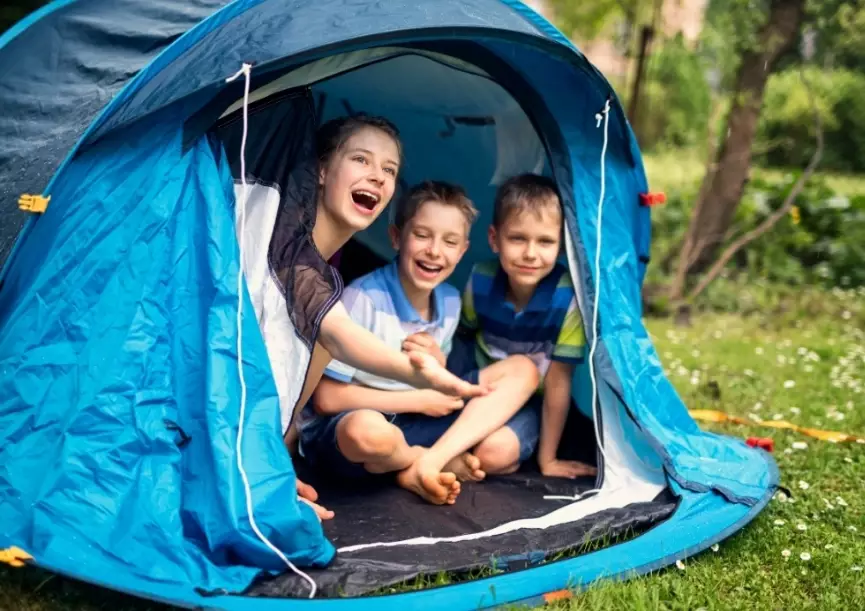
What to Pack: The Realistic Family Camping Checklist
Overpacking is the rookie error. You don't need a toy store. You need strategic comfort and backup. Here’s a pared-down, functional list focused on the "kid" variables.
| Category | Essential Items (The Non-Negotiables) | Pro-Tip / Common Mistake |
|---|---|---|
| Sleep System | Warm sleeping bag (rated 10°F lower than forecast), insulated sleeping pad, favorite small pillow & stuffed animal, headlamp for each kid. | Test the sleeping bag at home first. Many kids' bags are poorly rated. Cold kids = miserable night. The pad is as important as the bag for warmth. |
| Clothing | Merino wool or synthetic base layers, fleece, waterproof jacket & pants, 2-3 extra socks, sturdy closed-toe shoes, camp crocs/sandals, hat. | Pack by outfit in gallon bags: "Day 1" includes everything. Prevents rummaging. Cotton kills—it stays wet and cold. |
| Safety & Comfort | Child-specific bug spray & sunscreen, comprehensive first-aid kit (add kids' pain reliever & allergy meds), whistle on a lanyard for each child. | Practice the "whistle rule": blow only if lost or in real danger. Give them this tool and responsibility. |
| Kid Gear | Small backpack for hikes, magnifying glass, compact binoculars, notebook & pencil, a dedicated "camping blanket" that can get dirty. | Avoid bulky plastic toys. Nature is the toy. The tools (magnifying glass) empower exploration. |
| Food & Hydration | Their own water bottle (insulated), easy snacks (trail mix, fruit bars), mess-free breakfasts (pre-made muffins), familiar comfort foods. | Involve them in pre-making trail mix. Hydration is critical—flavor packets can help if they resist plain water. |
See that Pro-Tip column? That's where experience talks. A common unseen mistake is packing brand-new, untested boots for a trip. Recipe for blisters. Break them in beforehand.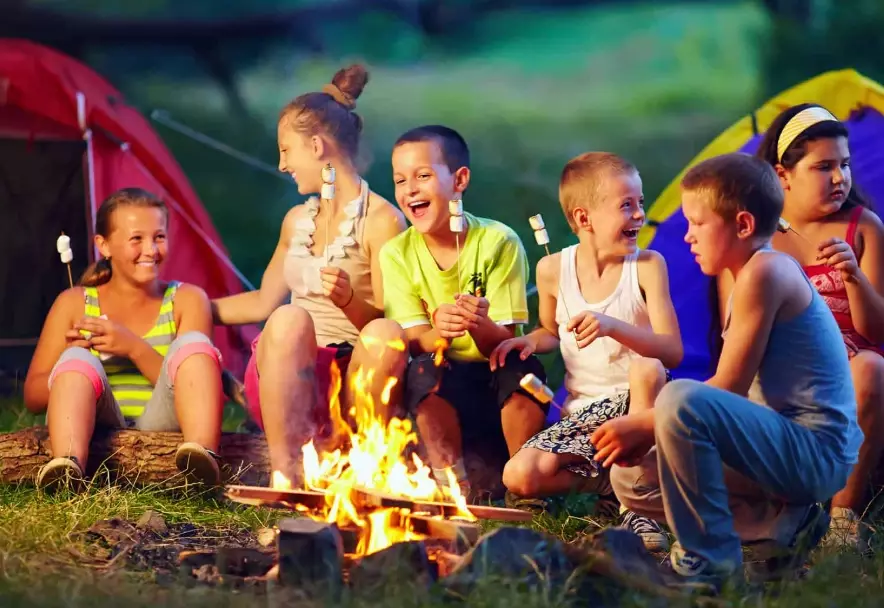
Beyond S'mores: Kid-Centric Camping Activities That Actually Work
You don't need to orchestrate every minute. In fact, boredom is a gift—it leads to invention. Provide a framework, then step back.
The "Camp Concierge" Trick
On arrival, give them a simple map of the campground (you can sketch it). Their first job is to "survey the territory"—find the water spigot, the bathroom, the trailhead. It gives immediate purpose and familiarizes them with safety landmarks.
Low-Effort, High-Reward Games
Scavenger Hunt with a Twist: Don't just list "pinecone." List textures and colors: "Find something smoother than a rock," "something brighter than green." It engages observation, not just collection.
Flashlight Tag: After dark, in a safe, open area. Pure, simple magic.
Story Stones: Paint or draw simple images on small stones before you go (sun, bear, tent, lightning). Around the fire, take turns drawing a stone and adding a sentence to a collective, silly story.
Let them help with real camp chores. A 5-year-old can't build a fire, but they can be the "Kindling Manager," responsible for collecting small, dry sticks. A 7-year-old can wash vegetables in a collapsible basin. Frame it as a crucial job, not a chore.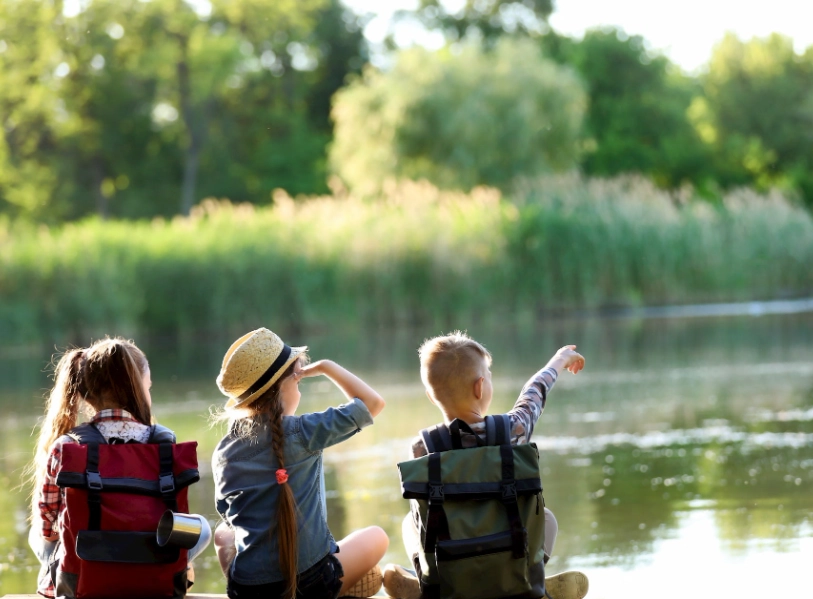
Keeping It Safe: Non-Negotiable Tips for Peace of Mind
Safety is the foundation of fun. Go over these rules as a family before you even leave the driveway.
The Boundary Rule: Upon arrival, define clear, visible boundaries. "You can go as far as that big red tent, but not past it." Walk the perimeter with them.
The Water Rule: No one goes near any water (lake, stream) without an adult. Period.
The Fire Circle Rule: A wide circle of rocks or a defined ring is the "hot zone." Only walking feet, no running, ever, inside that zone.
The Wildlife Rule: We look with our eyes, not our hands. All food and scented items (toothpaste!) stay in the car or the provided bear locker at night.
Do a campsite hazard sweep when you arrive. Look for poison ivy, large ant hills, or uneven ground. A headlamp for every kid isn't just for fun—it makes them visible after dark.