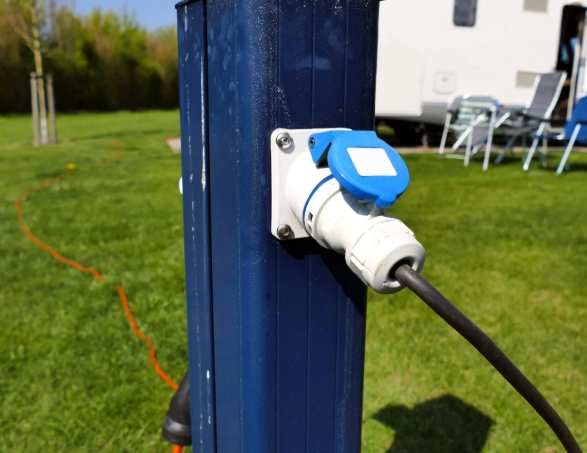
Let's cut to the chase. Boondocking, dry camping, dispersed camping—it all means one thing: camping in your RV without any hookups for water, sewer, or electricity. No crowded campgrounds, no nightly fees, just you and a vast, quiet piece of public land. Sounds perfect, right? It can be, but it's not just parking anywhere you please. It's a skill. After a decade of chasing solitude from the deserts of Arizona to the mountains of Colorado, I've learned that success comes down to preparation and respecting the land. This guide will walk you through the how, where, and what-not-to-do.
Quick Navigation
What is Boondocking, Really?
Forget the romantic Instagram shots for a second. At its core, boondocking is self-contained camping. Your RV is your island. All the water you'll use, all the power you'll consume, and all the waste you'll produce has to be managed within your rig until you move to a dump station. The appeal isn't just saving $50 a night. It's waking up to a view that's yours alone, with no generator hum from the next site over.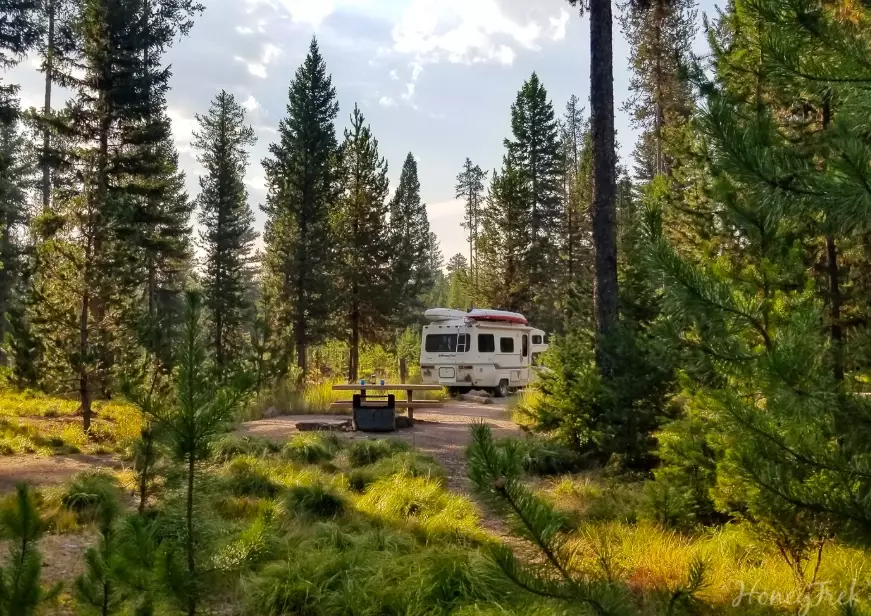
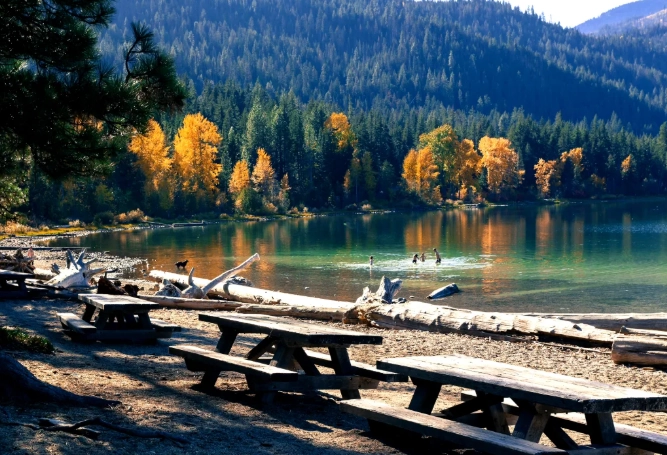
But here's the non-consensus part everyone glosses over: boondocking isn't inherently "wild." The best, most accessible spots are often just a few miles down a well-maintained gravel road on Bureau of Land Management (BLM) or USDA Forest Service land. You're not necessarily forging a new path. You're using a publicly-owned resource with specific, if sometimes loosely enforced, rules.
How to Find Boondocking Spots (Legally)
This is the biggest hurdle. You can't just pull over anywhere. Public lands are your best friend, but you need to know how to read them.
Public Land 101: Your Free Camping Backyard
In the Western U.S., vast tracts of land are managed for public use. The rules are generally similar: you can camp for free in most areas, but you must move every 14 days (sometimes 16) and camp at least 100-200 feet from any water source or developed recreation site. Always check the specific BLM or Forest Service district office website for local restrictions, like fire bans or vehicle length limits.
I rely on a layered approach:
- Big-Picture Planning: Use the interactive visitor maps on the BLM and Forest Service websites to identify general areas that allow "dispersed camping."
- Crowd-Sourced Intel: Apps like Campendium and iOverlander are fantastic for finding specific pull-offs or clearings others have used. Filter for "free" and "public land." Read the recent reviews—they'll tell you if the road has washed out or if cell service exists.
- The Reality Check: Never, ever rely solely on an app pin. Use satellite view in Google Maps to scout the area. Look for established fire rings or multiple vehicle tracks converging. When you arrive, look for posted signage. If you see a "No Camping" or "Day Use Only" sign, that app pin is wrong. Leave.
| Land Type | Best For | Key Consideration | Example Area |
|---|---|---|---|
| BLM Land | Desert landscapes, long stays, solitude. | Roads can be soft sand or rough. Check vehicle clearance. | Quartzsite, AZ (in season), surrounding areas. |
| National Forest | Mountain/forest settings, cooler temps. | Often more tree cover (blocks solar). May have more specific site designations. | Dispersed sites along forest roads in Colorado or Montana. |
| Wildlife Management Areas (WMA) | Birdwatching, nature immersion. | Rules vary wildly by state. Often shorter stay limits (e.g., 3 days). | Check individual state's Department of Natural Resources website. |
My personal rule? Have a backup spot in mind within 30 minutes of driving. Nothing worse than arriving at sunset to find your dream spot occupied or closed.
The Non-Negotiable Boondocking Gear List
You can't just take your city RV habits off-grid. Your systems become your lifeline. This isn't about buying the most expensive gear; it's about smart priorities.
The Core Four Systems
1. Power (The Silent Killer): Your factory RV battery might last one night. You need capacity. The modern gold standard is a lithium iron phosphate (LiFePO4) battery bank. Why? They can be discharged nearly completely without damage, charge faster, and last years longer. A 200Ah lithium battery is a game-changer. Pair it with a solar panel kit (at least 200 watts) and a decent inverter (2000W is a good start) to run AC outlets.
But here's the expert secret everyone is shy to admit: a quiet inverter generator (like a Honda or Yamaha) is still the most reliable and flexible power source for most people. Solar is fantastic when the sun shines. A generator works at night, in the rain, and under dense trees. A combo of solar and a generator is ideal.
2. Water (Your Most Precious Resource): You'll be shocked how fast it goes. Calculate 2-3 gallons per person per day for strict conservation (drinking, cooking, a sponge bath). A full fresh tank and a couple of portable jugs for extra are wise. Get a water flow regulator for your showerhead and practice "navy showers" (wet down, turn off water, soap up, rinse quickly).
3. Waste (The Glamorous Part): Your black and gray tanks are your limit. Use RV-specific toilet paper. Consider a composting toilet if you're serious about long-term boondocking—it virtually eliminates black tank concerns. For gray water, use biodegradable soap and scatter it widely over vegetation, well away from camp, only if local regulations permit. Many areas require you to pack it out.
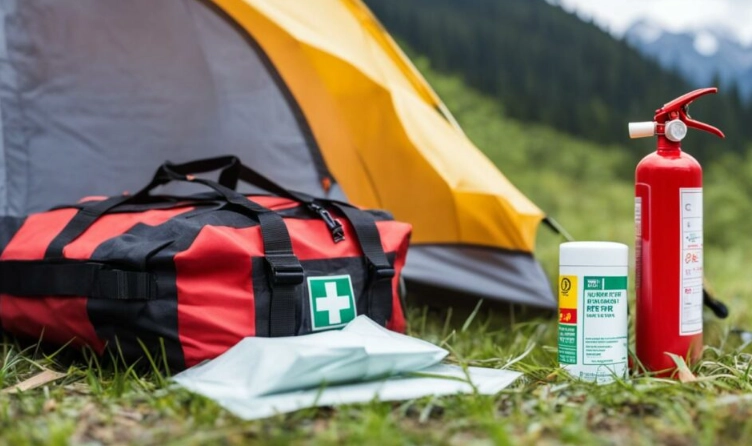
4. Connectivity & Safety: Assume you'll have no cell service. A cell signal booster (WeBoost is the industry leader) can pull in a weak signal. For true off-grid, a satellite communicator like a Garmin inReach is essential for emergencies. Tell someone your plans.
First-Timer Tips: Avoiding the Classic Pitfalls
Your first trip shouldn't be a two-week expedition into the unknown. Start small.
Do a Shakedown Weekend: Go to a familiar state park or even a friend's property where you can camp without hookups but have a safety net. Live exactly as you would off-grid. Monitor how fast your batteries drain with the fridge on. See how many gallons of water a real day uses. This boring exercise is more valuable than any blog post.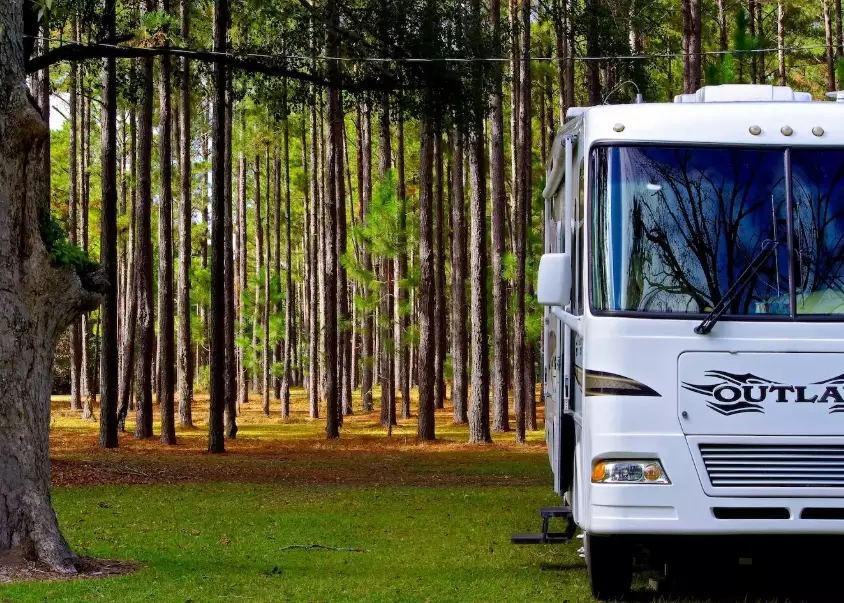
Arrive Early, Scout in Daylight: Never try to find a boondocking spot after dark. You risk getting stuck, missing "No Camping" signs, or picking a spot that's awful in the morning light. Aim to be parked by 3 PM.
Community Etiquette Matters: Give other campers plenty of space—at least 100 yards if possible. Keep noise down (generator hours are typically 8 AM to 8 PM, but be even more conservative). Pack out all trash, including micro-trash like bottle caps. The community polices itself, and a few bad apples ruin spots for everyone.
My biggest early mistake? I didn't level my rig properly on a slight slope. Woke up in the night to the fridge erroring out because it wasn't level. Simple thing, huge consequence.
Boondocking unlocks a version of RVing that feels authentic and free. It demands more from you, but the rewards—the stars, the silence, the self-reliance—are worth every bit of the planning. Start small, respect the land, and you'll be hooked.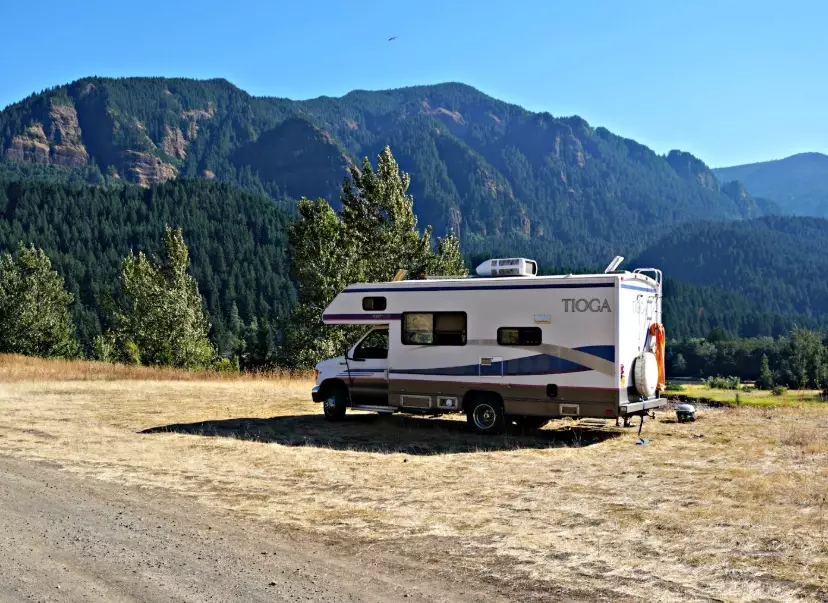
Questions You're Probably Asking
How do I find safe and legal boondocking spots?
Start with public lands managed by the Bureau of Land Management (BLM) and the USDA Forest Service, which often allow dispersed camping for free. Use apps like Campendium and iOverlander, but cross-reference with official agency maps. A common mistake is trusting a single app pin; always look for posted signage (like '14-day stay limit' signs) and check the agency's website for specific area restrictions. Don't camp within 100-200 feet of water sources or developed areas.
Is boondocking safe for solo travelers or families?
Generally, yes, but situational awareness is key. Choose spots that are known and occasionally frequented by other responsible campers, especially when starting out. Avoid isolated areas if you're new. Inform someone of your plans. The perceived risk is often higher than the actual risk; most issues come from poor preparation (like running out of water) rather than security. Trust your instincts—if a spot feels off, leave.
What's the single biggest mistake new boondockers make?
Overestimating their battery capacity and underestimating their water usage. People watch a fridge and lights for a night and think they're fine, then their batteries are dead by morning on day two. Similarly, a 'quick shower' can use 5 gallons. Before a big trip, do a weekend shakedown close to home to track real consumption. It's boring but saves a lot of stress.
Can I boondock without a huge investment in solar panels?
Absolutely. Solar is fantastic, but a properly sized battery bank (like 200Ah of lithium) and a quiet inverter generator (like a Honda EU2200i) is a more flexible and often more affordable starter setup. You can run the generator for a few hours to recharge batteries and run high-draw appliances. Many seasoned boondockers still carry a generator as a backup, even with large solar arrays.