Let's be honest. The idea of a camping adventure is almost always better than the reality of planning one. You picture crackling fires and starry skies, but then you're hit with a wave of questions. What gear do I actually need? Where should I go? How do I not forget the can opener again? I've been there—standing in a downpour at midnight because I didn't know how to properly seam-seal my tent. After years of trial, error, and pure joy in the outdoors, I've learned that the magic happens when the planning is solid. This guide cuts through the noise. We're not just listing gear; we're building a system for reliable, unforgettable trips.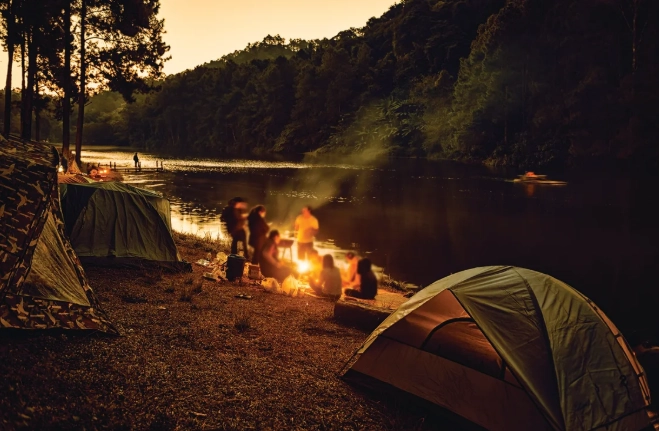
Your Quick Trail Map
Jump straight to what you need:
Pick Your Camping Adventure Style
Not all camping is the same. Your gear, location, and mindset change completely based on your goal. Picking the wrong style is like bringing a road bike to a mountain trail.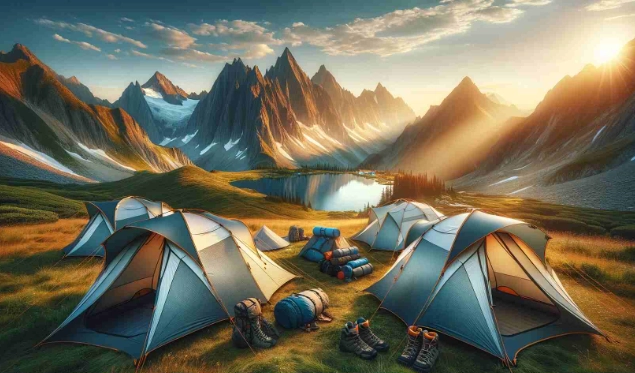
| Type | Best For | Gear Level | My Personal Take |
|---|---|---|---|
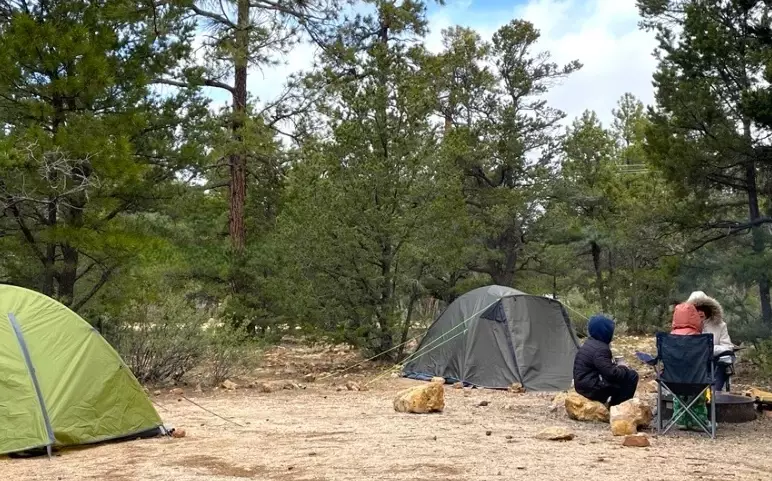
| Car Camping | Families, beginners, comfort-seekers. You park right at your site. | Heavier, more luxurious. Coolers, large tents, camp chairs. | This is where memories are made with friends. Don't feel guilty for bringing the air mattress. |
| Backpacking | Solitude, challenge, covering distance. You carry everything on your back. | Ultralight & essential. Every ounce matters. | The ultimate reset button for your brain. The pain of the climb is always worth the view. |
| Dispersed Camping | Experienced campers seeking solitude outside official campgrounds. Often on public land. | Self-sufficient. You need everything, including a way to manage waste. | True freedom, but with big responsibility. Finding a spot feels like a secret victory. |
| Overlanding | Vehicle-based exploration for multiple days. The vehicle is your lifeline. | Rugged vehicle gear, recovery equipment, long-term food/water storage. | More about the journey than the destination. It's a mix of camping and automotive adventure. |
Most people start with car camping. It's the forgiving sandbox where you learn what you actually like about sleeping outside.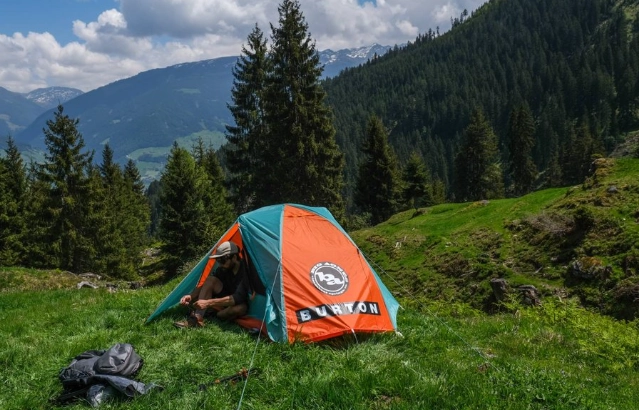
How to Find the Perfect Spot
Location is everything. A crowded, noisy site next to the bathrooms can ruin a trip. A serene spot by a lake defines it.
For your first few trips, I strongly recommend reservable campsites in state or national parks. They have amenities (water, bathrooms, often a ranger station) that provide a safety net. Use Recreation.gov for federal lands and state park websites for state reservations. Book months in advance for popular parks like Yosemite or the Great Smoky Mountains.
What to look for in a listing:
- Site Photos: Is it shaded or exposed? Is the ground rocky or soft?
- Privacy: Does the description mention vegetation between sites?
- Access: Is it a walk-in site (short carry from car) or direct drive-in?
- Rules: Check fire restrictions (increasingly common) and bear locker requirements.
Gear That Works, Not Just Looks Good
You don't need the most expensive gear. You need reliable, functional gear. Here's a breakdown of the non-negotiables, based on the system I've refined over a decade.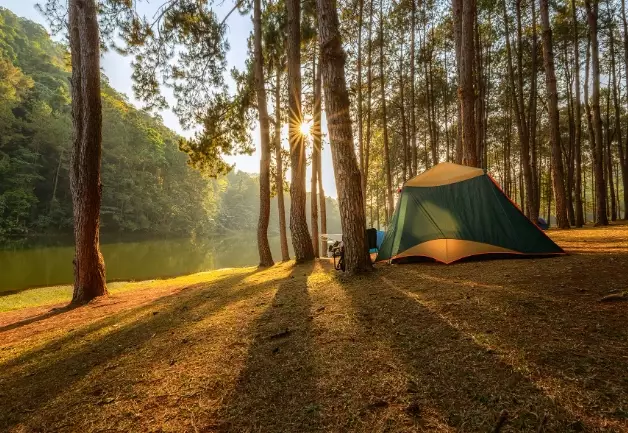
The Core System Checklist
Think in categories, not just a random list:
- Shelter & Sleep: Tent (with footprint!), sleeping bag rated for temps colder than you expect, sleeping pad (insulation is key), pillow.
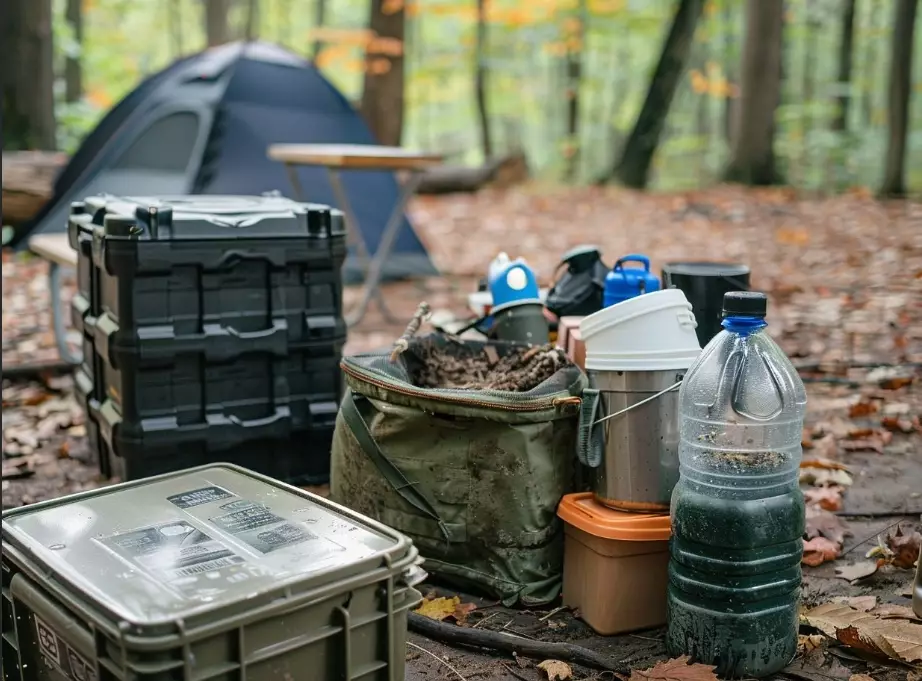
- Kitchen & Food: Stove + fuel, lighter/matches, pot/pan, spatula, bowl/mug/spork, biodegradable soap, small towel, bear-resistant food canister if required.
- Clothing: Synthetic or wool layers (NO cotton jeans!). Rain jacket, warm hat, extra socks. Pack for variable weather.
- Essentials: Headlamp (with extra batteries), first-aid kit, map/compass/GPS, multi-tool, water bottles + filtration system (like a Sawyer Squeeze), duct tape.
The biggest mistake I see? Overpacking clothes and under-packing light. You really don't need a new outfit every day. You will need a good headlamp when you're fumbling with a tent zipper at night.
Invest first in a great sleeping pad and bag. A cold, sleepless night makes everything else miserable. My first big purchase was a quality insulated pad, and it changed camping from an endurance test into something I looked forward to.
Building Your Adventure Plan
A plan isn't a rigid schedule; it's a scaffold that holds your relaxation up. Let's build a sample 3-day car camping plan for a fictional couple in a national park.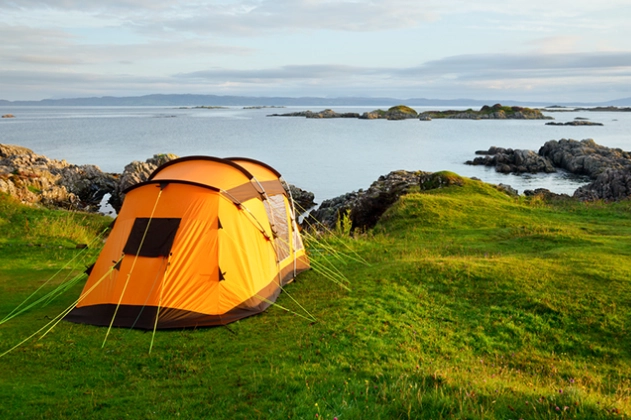
The Scenario: Lakeside Relaxation & Day Hikes
Campsite: Pine Grove Campground, Lake Region National Park (Booked 4 months ago, Site #24 for more privacy).
Day 1 (Arrival & Setup):
2 PM: Arrive, check in at kiosk, set up tent immediately. This is rule number one—never leave it until later.
4 PM: Set up kitchen area, organize gear. Inflate sleeping pads, unroll bags to loft.
6 PM: Easy first-night dinner: pre-made chili reheated on the stove.
Evening: Short lakeside stroll, star gazing from the camp chairs.
Day 2 (Adventure Day):
7 AM: Coffee and oatmeal.
9 AM: Drive to trailhead for the 4-mile Lakeshore Loop (packed lunch, water, rain shells).
1 PM: Return to camp, relax, maybe swim if it's warm.
6 PM: Cook dinner (fresh food tonight: burgers and foil packet veggies).
Evening: Campfire (if allowed), s'mores, planning the next day.
Day 3 (Departure):
Leisurely breakfast. Break down camp, following Leave No Trace principles: pack out all trash, sweep site for micro-trash, ensure fire is DEAD OUT.
One last short hike or visitor center stop before driving home.
The Unwritten Rules: Camp Etiquette
This is what separates a good camper from a great one. It's about respect.
- Noise: Observe quiet hours (usually 10 PM - 6 AM) religiously. Keep voices low. Your music is for your headphones only.
- Light: Use red-light mode on headlamps at night to preserve everyone's night vision (and sanity). Don't shine lights into other sites.
- Space: Don't cut through other people's campsites. It's their temporary home.
- Cleanliness: Store all food, trash, and scented items (toothpaste!) in a locked car or bear locker. Always. This protects wildlife and prevents pests.
- Leave It Better: If you see trash, pick it up. It takes two seconds and makes the place better for everyone.
Following these isn't just polite; it creates a better experience for you, too. A quiet, respectful campground is a peaceful one.
Your Burning Camping Questions
Here are the real questions I get asked most, beyond the basic checklist.