Essential Insights
- Before You Even Leave Home: The Planning Phase
- Setting Up Camp: Your Home Away From Home
- Fire Safety: The Heart of Camp, The Biggest Risk
- Food and Wildlife: You're in Their House
- Weather and Getting Lost: The Unpredictables
- First Aid and Hygiene: Handling the Inevitable Bumps
- Leaving No Trace: Safety for the Environment (and Future You)
- Your Camping Safety Questions, Answered
Let's be honest. When you think about camping, you picture crackling fires, stunning sunsets, and that incredible feeling of quiet. Safety? It might pop into your head as a brief afterthought. I get it. I used to be the same way. I'd throw my tent in the car with more excitement about the escape than about the preparation. That changed after a few close calls—a sudden storm that soaked everything because I didn't check the weather properly, and a creepy midnight rustling by the food bag that turned out to be a very determined raccoon. Not fun.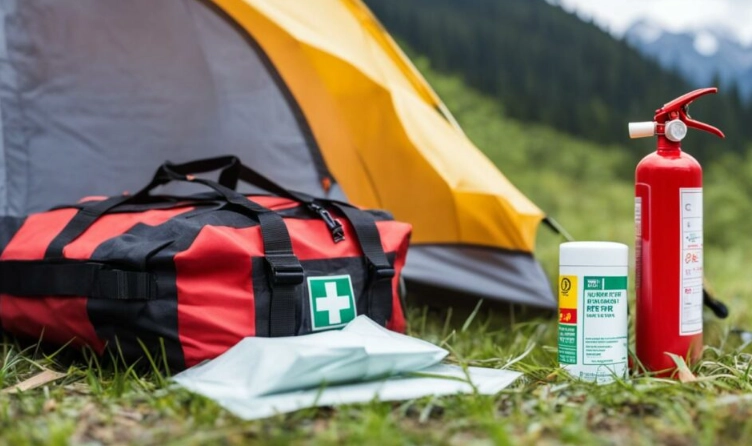
That's why I'm writing this. Camping safety isn't about wrapping yourself in bubble wrap and missing the point of adventure. It's the exact opposite. It's the framework that lets you relax completely, knowing you've got the basics covered. Good camping safety practices are what turn a potentially stressful situation into a minor hiccup, and a great trip into an unforgettable one. They're the difference between a story you laugh about later and one you'd rather forget.
This guide is everything I wish I'd known when I started. We'll walk through the whole process, from the moment you start planning to the moment you shake the pine needles out of your socks back home.
Before You Even Leave Home: The Planning Phase
Most camping safety mistakes are made before you hit the road. Rushing leads to forgetting, and forgetting in the woods is a bigger deal than forgetting at the mall.
Research is Your First Line of Defense
Don't just book a site because it has a nice photo. Dig a little. What are the specific rules of the campground or wilderness area? Some have strict bear-proof container requirements. Some ban certain types of fires altogether, especially during dry seasons. A quick visit to the official managing agency's website is gold. For national parks in the U.S., that's the National Park Service (NPS). For national forests, it's the U.S. Forest Service. These sites have the most current alerts on trail closures, fire bans, wildlife activity, and weather hazards.
Check the weather, but not just for the day you arrive. Look at the trends for the entire period and a few days before. A clear forecast for Saturday doesn't help if a storm on Friday turned the trail into a mudslide.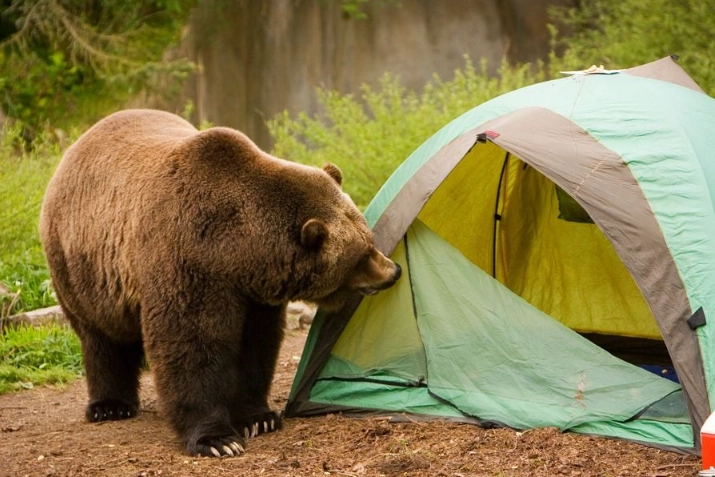
The Almighty Checklist (And Telling Someone Where You're Going)
I'm a checklist person now. It feels nerdy, but it banishes that "did I pack the..." anxiety. Your list will be personal, but it must cover shelter, sleep system, cooking, water, clothing, navigation, light, and a first-aid kit.
More important than the checklist, though, is your trip plan. Always, and I mean always, tell a reliable person back home your detailed plan. Where exactly are you going (campsite number or trailhead name)? What is your route? When do you expect to return? And crucially, when should they call for help if they haven't heard from you? Leave a copy of this plan on your dashboard at the trailhead too. It's not morbid; it's responsible. Search and rescue teams call this information the single most helpful factor in a successful outcome.
Here’s a quick table breaking down the non-negotiable items, ranked by how essential they are for basic camping safety. Think of this as your core survival kit.
| Item | Essential For... | Why It's Non-Negotiable |
|---|---|---|
| Reliable Water Purification (filter/tablets) | Hydration & Health | Prevents waterborne illnesses from streams/lakes. Dehydration is a fast track to bad decisions. |
| Headlamp (with extra batteries) | Navigation & Safety at Night | Hands-free light for cooking, bathroom trips, emergencies. Prevents trips and falls in the dark. |
| Detailed Map & Compass (and knowing how to use them) | Navigation | Electronics fail. A paper map doesn't run out of battery. This is your backup to GPS. |
| Comprehensive First-Aid Kit | Medical Response | To address cuts, blisters, burns, allergies, and pain immediately, preventing small issues from becoming big ones. |
| Fire-Starting Tools (lighter, matches in waterproof case) | Warmth, Signaling, Cooking | For emergency warmth, purifying water (by boiling), and signaling for help if needed. |
| Emergency Shelter (space blanket/bivy) | Protection from Elements | Weighs nothing but can save your life if you're stranded or your tent fails, providing critical hypothermia protection. |
Setting Up Camp: Your Home Away From Home
You've arrived. The urge is to just plop the tent down in the first flat spot you see. Resist it. Where and how you set up is a huge part of proactive camping safety.
Site Selection Wisdom
Look up. I mean it. Scan the trees for dead branches (called "widowmakers") that could fall in a windstorm. Avoid setting up in the bottom of a valley or a dry creek bed—these are natural drains for rainwater and can flash flood. A slightly elevated, flat spot is ideal.
Your proximity to water is a trade-off. Close enough for convenience (like 200 feet), but not right on the bank. This protects water quality from contamination and keeps you away from insects and animals that use the shore as a highway. Most public lands have regulations about camping a certain distance from water sources—follow them.
Consider the sun. Where will it rise? A morning sun spot can dry a dew-soaked tent nicely. Where's the prevailing wind? Don't put your tent door or fire pit directly downwind of your bathroom area.
The Tent and Kitchen: A Safe Layout
Think of your campsite in zones. This is a game-changer for organization and safety.
- Sleeping Zone: Just for tents and sleeping. Keep it clean, food-free, and smell-free.
- Cooking/Eating Zone: Downwind from your tent. This is where you'll have your stove, prep area, and where people eat.
- Food Storage Zone: The most critical. This should be 100 feet downwind from your sleeping and cooking zones if in bear country. Use a bear-resistant container or a proper bear hang. For car camping, a locked car trunk (not the cabin!) can work, but know that some clever bears have learned to break into cars.
- Fire Zone: In an existing fire ring if possible. Clear a 10-foot radius of all leaves, twigs, and flammable material. Keep a large pot of water or a shovel and dirt right next to it before you light the fire.
Fire Safety: The Heart of Camp, The Biggest Risk
A campfire is magical. It's also one of the most common sources of camping accidents and wildfires. Respect is key.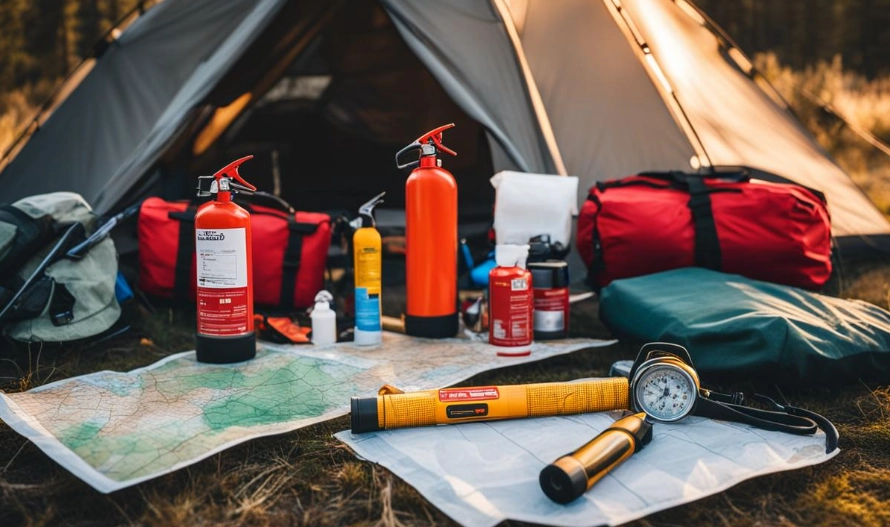
First, know the current fire restrictions. Is there a burn ban? Are only contained propane fire pits allowed? This information changes daily based on conditions. Ignoring it is irresponsible and often carries huge fines.
Keep your fire small and manageable. A massive bonfire is dangerous, hard to control, and wasteful. Use only local, dead-and-down wood. Never cut live trees or branches. Before you light it, have your extinguishing materials (water, dirt) ready.
The golden rule: the fire is never out until it's cold to the touch. Drown it with water, stir the ashes with a stick, drown it again. Feel the ashes with the back of your hand. If it's warm, it's not out. Embers can smolder for days and reignite. As the Smokey Bear campaign has reminded us for decades, only you can prevent wildfires. It's not a slogan; it's a fact.
Food and Wildlife: You're in Their House
This is where a lot of first-timers get nervous. The goal isn't to be terrified of wildlife, but to be smart and avoid attracting it in the first place. Proper food storage is 95% of wildlife safety.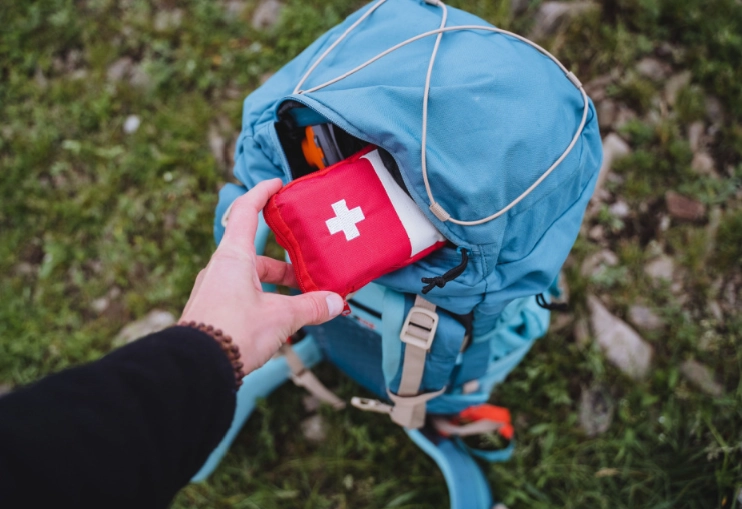
The Sacred Rule: No Food in the Tent
Not even a single granola bar. Not even gum or mints. Not even toothpaste or deodorant that smells fruity or sweet. A tent is a flimsy barrier to a hungry animal with a good nose. A mouse chewing through your tent for a snack is a nuisance. A bear doing it is a catastrophe.
Clean up thoroughly after every meal. Wash your dishes immediately (straining food particles out of the wastewater and packing them out with trash). Wipe down your table. Change out of the clothes you cooked in before going to bed—hang them in a bag with your food. Your sleeping zone should smell like nothing but you and nylon.
Dealing with Encounters
Most animals want to avoid you. Make noise on the trail to avoid surprising them. If you see one, enjoy it from a distance. Never approach, especially to feed it. Feeding wildlife teaches them to associate people with food, which almost always ends badly for the animal.
For specific animals:
- Bears: Make yourself look big, speak in a firm, calm voice, and back away slowly. Never run. Carry bear spray in known bear country and know how to use it (it's not like bug spray—you spray it as a cloud between you and the charging bear). The NPS bear safety page is an excellent resource.
- Snakes: Give them space. Most bites occur when people try to handle or kill them. Watch where you step and put your hands.
- Insects: Use repellent, check for ticks nightly, and know the signs of allergic reactions.
Weather and Getting Lost: The Unpredictables
Weather in the mountains or wilderness can change in an instant. Hypothermia can occur even in temperatures above freezing if you're wet and windy.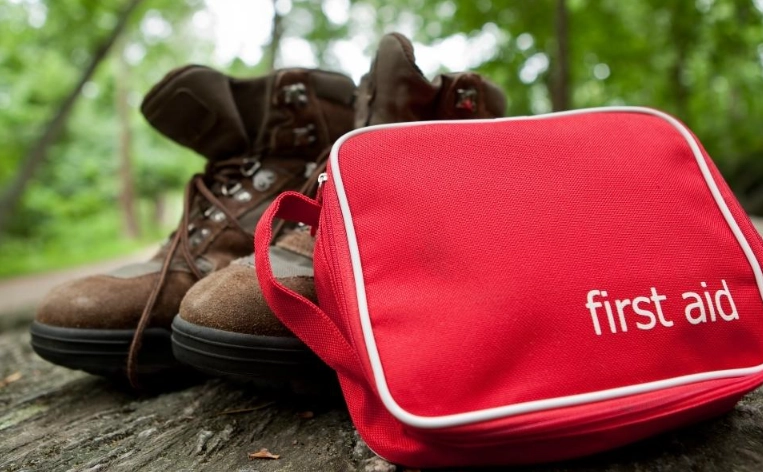
The solution? Layers. A moisture-wicking base layer, an insulating mid-layer (like fleece), and a waterproof/windproof outer shell. Avoid cotton—it holds moisture and sucks heat from your body when wet. Wool or synthetics are your friends.
If you get caught in a thunderstorm, avoid open ridges, tall isolated trees, and water. Get into a low area like a forest of smaller, uniform trees.
And what if you get lost? Stop. Just stop moving. Panic is your worst enemy. Remember the acronym S.T.O.P.: Sit down, Think, Observe, Plan. Use your whistle (you packed one, right? Three short blasts is the universal distress signal). Stay put if you have shelter. It's much easier for rescuers to find a stationary person than one wandering in circles.
First Aid and Hygiene: Handling the Inevitable Bumps
You will get a cut, a blister, or a burn. It's part of being active outdoors. A good first-aid kit and knowing how to use it turns a trip-ender into a minor footnote.
Your kit should address:
- Cuts/Scrapes: Antiseptic wipes, antibiotic ointment, various bandages, gauze, medical tape.
- Blisters: Moleskin or blister-specific pads. Treat them the moment you feel a hot spot.
- Burns: Aloe gel or burn cream.
- Pain/Allergies: Pain relievers (ibuprofen, acetaminophen), antihistamines for allergic reactions.
- Tools: Tweezers (for splinters/ticks), scissors, safety pins.
Take a basic first-aid course. The American Red Cross offers them widely. Knowing how to properly clean a wound or recognize signs of heat exhaustion is real-world knowledge.
Hygiene is also part of health. Use hand sanitizer before eating or after using the bathroom. Bury human waste in a cathole 6-8 inches deep and at least 200 feet from water, trails, and camp. Pack out all toilet paper and hygiene products in a dedicated bag—yes, really. It keeps the woods clean for everyone.
Leaving No Trace: Safety for the Environment (and Future You)
Good camping safety isn't just about you. It's about the place you're visiting. The principles of Leave No Trace are essentially safety guidelines for the ecosystem.
Pack out every single thing you pack in. All trash, including food scraps and biodegradable items like orange peels (they take years to decompose and aren't native). Leave rocks, plants, and historical artifacts where you find them.
Stay on designated trails to prevent erosion. Camp on durable surfaces. By minimizing your impact, you keep the land healthy and safe for the wildlife that lives there and the people who visit after you. It's the ultimate act of respect and ensures these places remain safe and beautiful for future adventures.
Your Camping Safety Questions, Answered
Look, camping safety isn't a buzzkill. It's your ticket to deeper relaxation and more confident exploration. When you know you've prepared well, you can truly let go. You can sit by that fire and listen to the loons call without a nagging worry in the back of your mind. You've earned that peace. So plan smart, pack thoughtfully, and respect the rules—both written and unwritten—of the wild places you visit. Your future self, enjoying the memories of a perfect, safe trip, will thank you.
Now go enjoy the fresh air. You've got this.