Let's be honest. The idea of cooking in the woods can be intimidating. Visions of burnt sausages, cold beans from a can, and a cooler full of soggy, leaking food bags. I've been there. After a decade of camping trips that ranged from gourmet successes to utter culinary disasters, I've learned that the difference between a good trip and a great one often boils down to one thing: your food prep at home.
Good camping food prep isn't just about what you eat. It's about saving time when you'd rather be hiking, minimizing waste and mess, and most importantly, ensuring you have the energy to enjoy your adventure. This guide will walk you through the entire process, from the first scribble on a notepad to the last ember of your campfire.
Your Camping Food Prep Roadmap
Step 1: Planning Your Camping Menu
Jumping straight to recipes is the first mistake. Start with the context of your trip.
Ask Yourself These Questions First
How many people are going? What's the weather forecast (hot, cold, rainy)? What cooking equipment will you have access to? A full propane stove, just a campfire ring, or are you backpacking with a tiny burner? Is there a bear locker or will you need a bear canister? This last one drastically changes what you can bring.
My rule of thumb: complexity decreases as distance from your car increases. Car camping? Go wild. Backpacking? Think simple, lightweight, and hydratable.
The Golden Ratio of Camping Meals
Balance is key. Aim for a mix of:
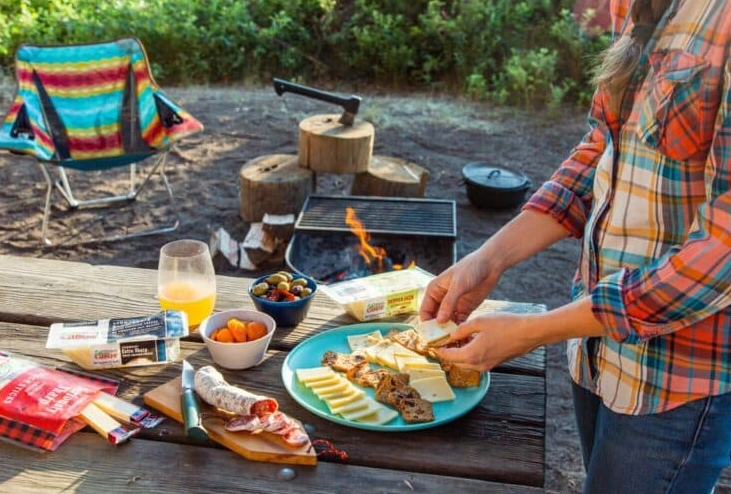
- No-Cook Meals: Lunch is prime for this. Wraps, pre-made pasta salad, charcuterie.
- One-Pot Wonders: Dinners like chili, stew, or jambalaya. Less cleanup, more flavor melding.
- Heartier Cooked Breakfasts: Fuel for the day. Oatmeal is fine, but a veggie and cheese scramble feels luxurious.
- Snacks & Hydration: Trail mix, jerky, dried fruit, electrolyte powders. Don't underestimate this.
Pro Tip Everyone Misses: Plan one dinner that can be eaten cold in a pinch. If you roll into camp late, exhausted, and it's pouring rain, the last thing you want to do is struggle with a stove. A pre-cooked, vacuum-sealed curry or stew that you can just warm in its bag (or even eat at ambient temp) is a trip-saver.
Step 2: The Home Kitchen Prep Session
This is where the magic happens. A 90-minute session at home saves you hours of fuss and mess at the campsite.
Chop, Marinate, Pre-Cook
Wash and chop all vegetables. Onions, bell peppers, zucchini, potatoes – do it all at home. Store them in reusable containers or zip-top bags. Marinate your proteins in a sealed bag. You can even pre-cook certain items. Par-boil potatoes or pasta. Pre-cook rice or quinoa 90% of the way. It will finish cooking quickly in your camp meal, saving fuel and time.
I'm a huge advocate for pre-making dry mixes. Combine the dry ingredients for pancakes, biscuits, or your favorite spice blend for fajitas in a jar. Just add water or oil later. It feels like wizardry.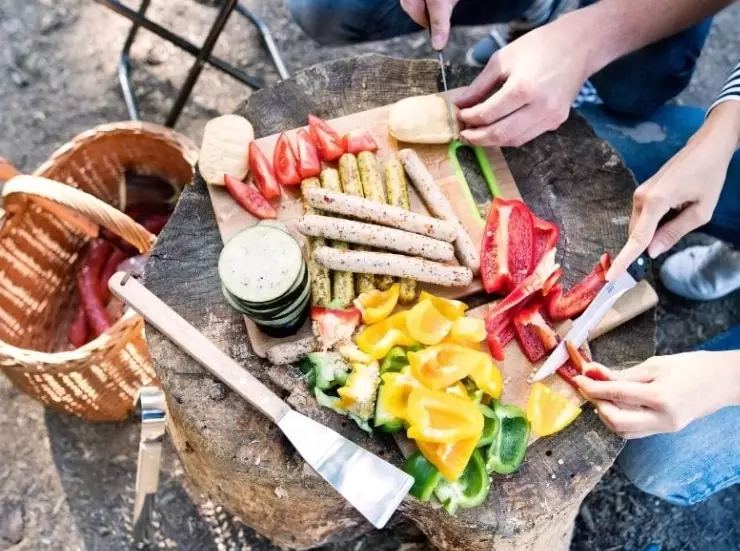
Portion Control is Everything
Don't bring the whole bottle of olive oil or the giant sack of rice. Portion everything out for each meal. I use small Nalgene bottles for oils and sauces, and small bags for spices. It keeps your pack organized and prevents the “oh no, I spilled the entire cumin container into the dirt” tragedy.
Food Safety Reality Check: The U.S. Department of Agriculture (USDA) emphasizes the "danger zone" for bacterial growth is between 40°F and 140°F. Your goal is to keep cold food below 40°F and hot food above 140°F. That cooler is your lifeline for car camping – pack it right with frozen water bottles acting as both ice and drinking water later.
Step 3: Packing and Transporting Your Food
Organization isn't just nice; it's necessary. Use a system.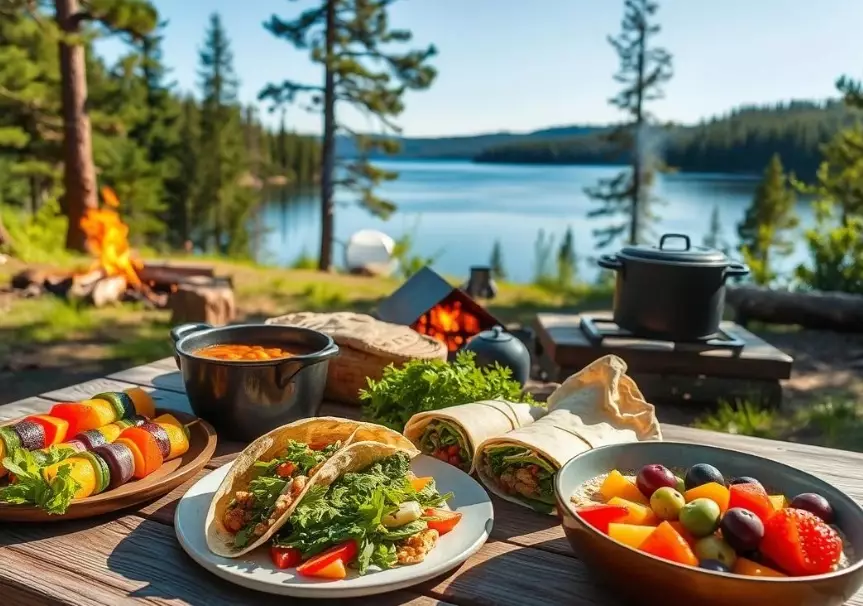
The “Meal Bag” Method
This changed my camping life. Pack a single, sturdy bag (like a reusable grocery tote) for each meal. Inside that bag: all the non-perishable ingredients, spices, oils, and even a notecard with the cooking instructions. All the perishables for that meal go together in the cooler. When it's time for dinner, you grab one bag and the corresponding cooler items. No more rummaging through five different boxes while hungry.
Cooler Packing Strategy
Start with a block of ice or frozen gel packs at the bottom. Then pack in order of use: items for your last meals go in first, at the bottom. First meals go on top. Keep drinks in a separate cooler if possible, as it's opened frequently. Pre-chill your cooler with a bag of ice for an hour before packing.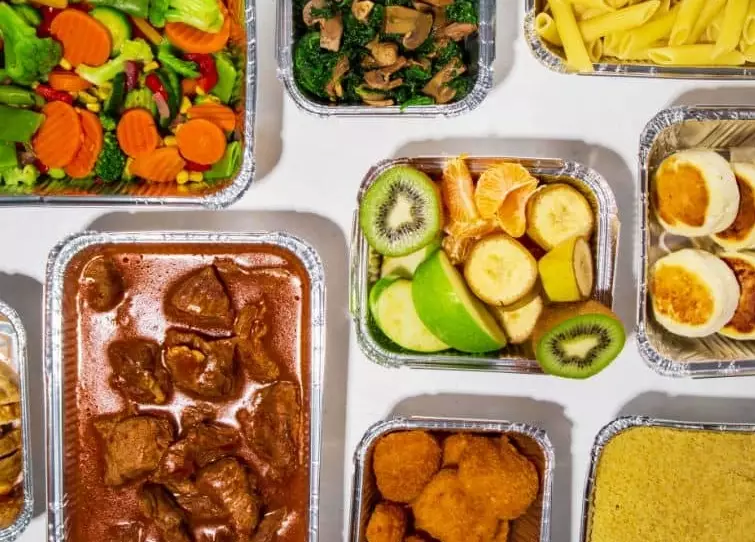
| Storage Method | Best For | Biggest Pitfall to Avoid |
|---|---|---|
| Hard-Sided Cooler | Car camping, base camps, long trips with perishables. | Letting water from melted ice pool at the bottom, soaking everything. Use a rack or drain plug. |
| Soft Cooler / Insulated Bag | Day trips, short overnighters, supplementing a main cooler. | Overestimating its capacity. They lose cold fast. Use them for the first 12-24 hours only. |
| Bear Canister / Bear-Proof Locker | Mandatory in many backcountry areas. Also great for smellables. | Not practicing opening/closing it at home. They can be fiddly. Also, pack it strategically (dense food at bottom). |
| Dry Bags / Zip-Top Bags | Backpacking, organizing meal components, preventing leaks. | Using flimsy bags that puncture. Double-bag anything oily or saucy. |
Essential Camp Cooking Tools (And What to Skip)
You don't need a full kitchen. This is my curated, battle-tested list.
The Non-Negotiables: A sturdy stove (test it at home!), fuel, a reliable lighter/matches, one good 10-inch cast iron or non-stick skillet, one 2-3 quart pot with a lid, a sharp knife (in a sheath!), a long-handled metal spatula/spoon, a compact cutting board, a small scrubby and biodegradable soap, a small roll of aluminum foil, and a quick-dry camp towel.
What You Can Probably Skip: That giant camp kitchen kit with 50 pieces. A dedicated egg holder. A special camping coffee percolator (a simple pour-over or French press is easier). Excessive single-use plates and cutlery – go durable and reusable.
My personal luxury item? A small, collable silicone kettle for boiling water quickly for coffee, oatmeal, or cleaning. It's faster and more fuel-efficient than a pot.
A Real-World Sample Menu for a Weekend Trip
Let's make this concrete. Here’s what I might prep for a 2-night, 3-day car camping trip for two.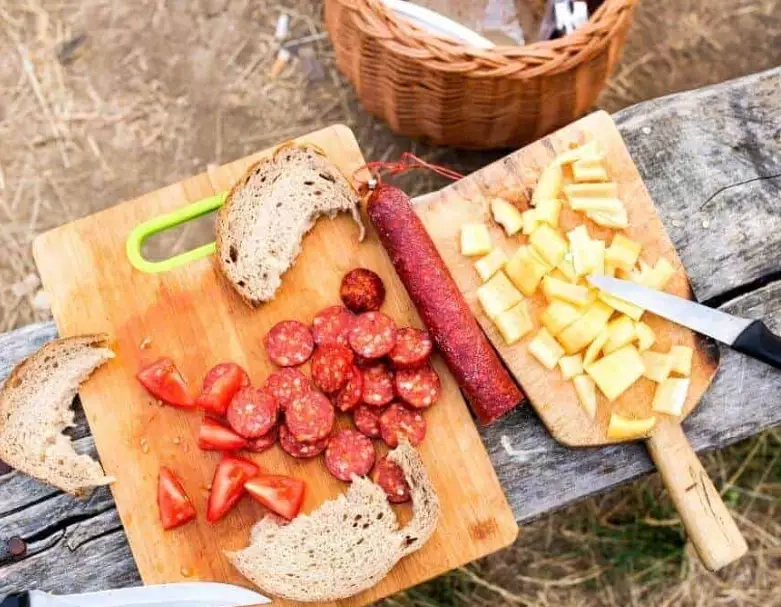
Friday Dinner: Campfire Foil Packet Fajitas
Home Prep: Slice 2 bell peppers and 1 onion. Marinate 1 lb of chicken strips or portobello mushrooms in fajita seasoning and lime juice in a zip-top bag. Pre-shred cheese. Pack tortillas, salsa, and avocado (packed firm, to ripen).
At Camp: Divide veggies and protein onto heavy-duty foil sheets. Drizzle with oil, seal packets tightly. Cook on campfire coals or grill grate for 15-20 mins, flipping once. Serve in tortillas.
Saturday Breakfast: No-Bowl Breakfast Burritos
Home Prep: Scramble 6 eggs with diced pre-cooked potatoes, black beans, and cheese. Cook fully, let cool. Spoon mixture onto tortillas, roll tightly, wrap individually in foil.
At Camp: Place foil-wrapped burritos on the edge of the fire or on a skillet over low heat for 5-7 mins per side until warmed through. Eat out of the foil – zero cleanup.
Saturday Lunch & Sunday Breakfast
Lunch is a no-cook build-your-own wrap station (pre-sliced cucumbers, hummus, turkey, tortillas). Sunday breakfast is instant oatmeal with pre-measured add-ins like nuts and dried berries – quick fuel before packing up.
Snacks fill the gaps: apples, peanut butter, beef jerky, dark chocolate.
Your Camp Kitchen Questions Answered
The goal isn't to replicate your home kitchen in the woods. It's to eat delicious, satisfying food with minimal stress, so you can focus on the stars, the stories, and the silence. A little planning goes a ridiculously long way. Now get out there and eat well.