Let's be honest. The idea of a family camping trip can spark two simultaneous thoughts: visions of laughing kids roasting marshmallows under a starry sky, and a nagging anxiety about forgotten tent poles, mid-night bathroom runs, and the potential for a meltdown (yours or theirs). I've been guiding families into the outdoors for over a decade, and I can tell you the secret isn't in having the fanciest gear. It's in a shift of mindset—from a tightly scheduled vacation to a flexible, curiosity-driven adventure.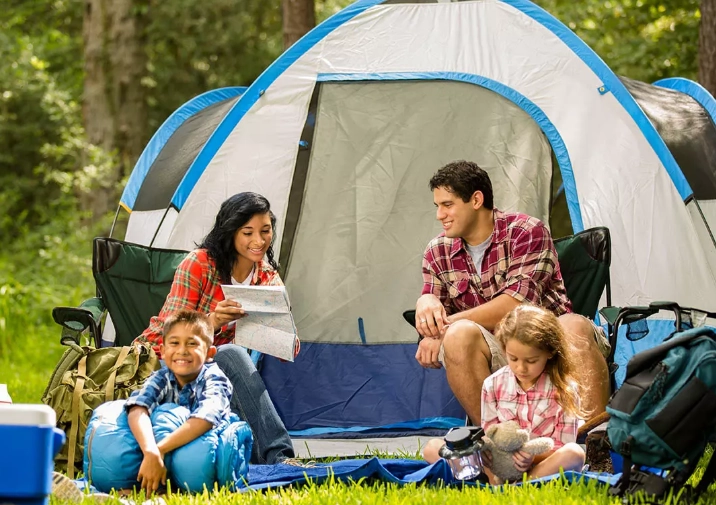
The magic happens when you stop trying to replicate home in the woods and start letting the woods become your home, even just for a weekend. This guide cuts through the generic advice. We're going to talk about the stuff that actually matters when you're out there with your crew.
What's Inside: Your Camping Trip Roadmap
The Non-Negotiable Family Camping Checklist
Forget those 100-item lists. Focus on these categories. A common rookie mistake is packing for every hypothetical disaster, leaving no room for the kids' favorite stuffed animal. Pack smart, not heavy.
| Category | Essential Items (The Must-Haves) | Pro-Upgrade / Nice-to-Have |
|---|---|---|
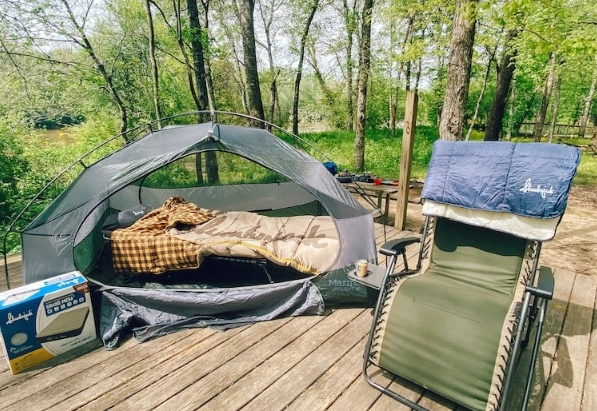
| Shelter & Sleep | Tent (size up!), sleeping bags, sleeping pads, mallet, ground tarp. | Camping cot for parents, battery-powered fan for summer, extra tent stakes. |
| Kitchen & Food | Stove/fuel, lighter, pot/pan, spatula, plates/cups (non-breakable), cooler, water jug, trash bags. | Collapsible sink, pour-over coffee setup, cast iron skillet, bear-proof canister if required. |
| Clothing | Layers! Base/mid/outer, rain jackets, extra socks (x3), sturdy shoes, camp shoes/sandals, hat. | Merino wool base layers, dedicated "camp pajamas" that stay clean. |
| Health & Safety | First-aid kit, headlamps/flashlights (one per person), map, whistle, multi-tool, sunscreen, bug spray. | Personal locator beacon (for remote trips), electrolyte packets, tick removal tool. |
| Kid-Specific | Comfort item, small backpack, water bottle, binoculars, nature journal/colored pencils. | Glow sticks for tent/trails at night, kid-sized headlamp, compact magnifying glass. |
Here's my non-consensus take: Do a trial run in your backyard. Pitch the tent, cook a meal on the camp stove, sleep outside. You'll discover that the sleeping pad valve leaks or that you really do need a better lantern. This practice run is worth more than any blog post.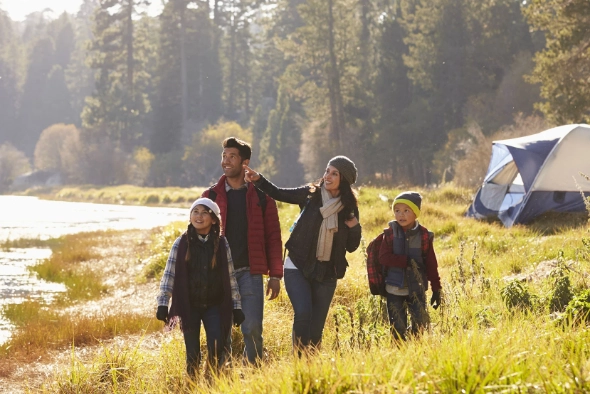
How to Choose the Perfect Family Campsite
Scrolling through photos of majestic vistas is tempting, but with kids, practicality wins. A "perfect" site balances beauty with function.
When booking on Recreation.gov or a similar site, don't just look at the star rating. Read the most recent reviews and search for keywords like "family," "flat," "shade," and "bathroom proximity." A reviewer mentioning "our 5 and 7-year-old loved the little stream nearby" is pure gold.
My 5-Point Campsite Selection Criteria:
- Flat & Clear: Enough space for your tent and a small play area free of major roots and rocks.
- Shade vs. Sun: Morning sun is great to dry dew; afternoon shade is crucial in summer.
- Proximity to Water & Bathrooms: Being a 1-2 minute walk from potable water and clean restrooms is a luxury that pays off a dozen times a day.
- Natural Boundaries: A site naturally bordered by logs or slight elevation helps contain toddlers and define your space.
- Cell Service (Be Honest): If you need a lifeline, some sites have it, some don't. Know before you go.
Keeping Kids Engaged (Without an iPad)
The goal isn't to entertain them every second. It's to facilitate discovery. On our trips, I've seen kids spend an entire morning building a "fairy house" from pinecones. That's a win.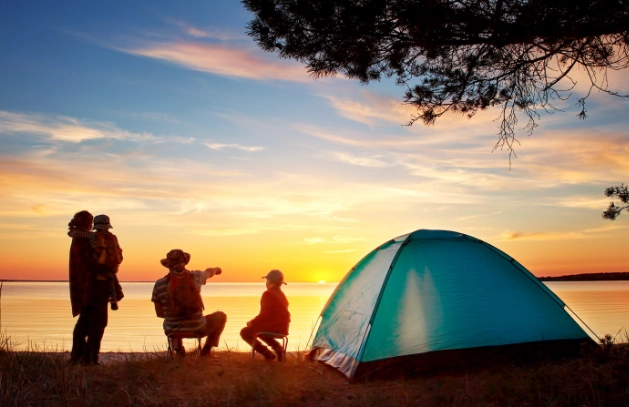
Let them pack their own small adventure bag. Fill it with a notebook, colored pencils, a small magnifying glass, and a cheap digital camera. This gives them agency.
Pro Tip: The "I Spy" Scavenger Hunt. Don't print a generic list. Create one specific to your campground the night before. Include things like "a pinecone bigger than your hand," "a rock with three colors," "evidence of an animal (track, feather, scat)," "a mushroom." It turns a walk into an expedition.
Embrace dirt, skip a few baths, and let bedtime be flexible to watch for shooting stars. The structure you're breaking from is part of the point.
Camp Kitchen Mastery: Easy & Fun Meals
Complex recipes fail when you're hungry and the sun is setting. Keep it simple, involve the kids, and always have a backup (like pasta).
Breakfast: Pre-mixed pancake batter in a squeeze bottle is genius. Add blueberries or chocolate chips. Oatmeal with dried fruit and nuts is a foolproof, warm option.
Lunch: This is for on-the-go. Wraps, peanut butter sandwiches, fruit, and bars. Don't cook lunch—go explore.
Dinner (The Main Event):
- Foil Packets: Let each kid assemble their own with sliced potatoes, carrots, onions, and a pre-cooked sausage. Wrap tightly and toss in the coals.
- Campfire Pizzas: Use pre-made naan or pita bread, spread with sauce, cheese, and toppings. Heat in a pan over the stove or on a grill grate.
- One-Pot Wonders: Chili, soups, or jambalaya made at home and simply reheated taste incredible outdoors.
Always pack more snacks than you think you'll need. Hunger hits fast after swimming or hiking.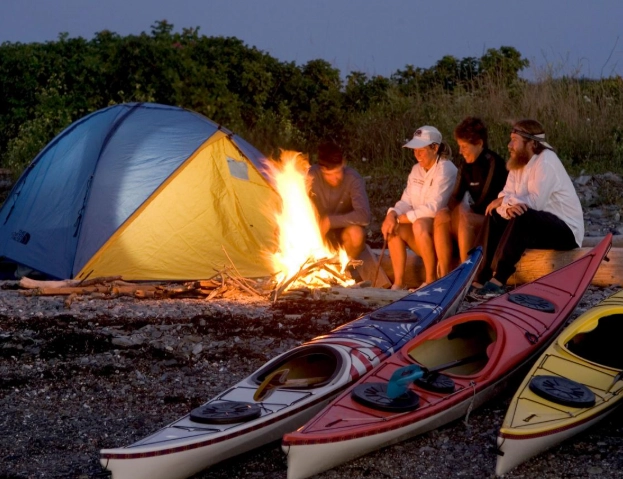
Safety and Comfort: The Expert's Edge
This is where experience speaks. Safety isn't about fear; it's about preparedness that lets you relax.
Wildlife: In most family campgrounds, your main concern is raccoons and squirrels, not bears. Still, practice clean camping. Keep all food, trash, and scented items (toothpaste, sunscreen) locked in your car or a provided storage locker at all times. Never eat in the tent.
The U.S. Forest Service has excellent, region-specific wildlife safety tips. Check them before you go.
Weather: Check the forecast, but prepare for it to be wrong. That rain jacket is essential even under a "sunny" forecast. Know the signs of heat exhaustion and hypothermia.
Comfort Hack: Bring a cheap, lightweight outdoor rug (like a grass mat) for the tent vestibule. It's a designated "no-shoes" area and keeps an incredible amount of dirt out of your sleeping space.
3 Top-Tier Family Camping Destinations in the U.S.
These spots are renowned for being accessible, well-managed, and packed with kid-approved activities. Book early—they sell out fast.
1. Yosemite National Park (California)
Why it's great: Iconic views, easy access to epic sights like Glacier Point and Yosemite Falls, and ranger-led junior ranger programs that are second to none.
Best Family Campground: Lower Pines or North Pines in Yosemite Valley. You're in the heart of it all. Flush toilets, tap water, shuttle bus access.
Need to Know: Reservations on Recreation.gov are extremely competitive. They open months in advance. Have a plan and be online right when they drop.
2. Acadia National Park (Maine)
Why it's great: Ocean meets mountains. Kid-friendly hikes like Ocean Path, tide pooling, and the carriage roads are perfect for family biking.
Best Family Campground: Blackwoods Campground. Centrally located, wooded sites, and a short drive or shuttle ride to Bar Harbor for an ice cream treat.
Need to Know: Summer can be foggy and cool. Pack those layers. The Park Loop Road is stunning but can be busy; use the Island Explorer shuttle system—it's free.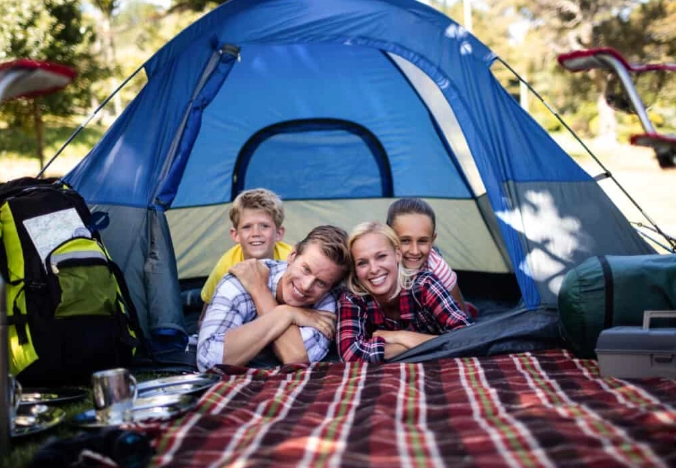
3. Great Smoky Mountains National Park (Tennessee/North Carolina)
Why it's great: No entrance fee! Diverse activities from historic cabins (Cades Cove) to waterfall hikes (Laurel Falls) and a high chance of seeing wildlife like elk and black bears (safely from your car).
Best Family Campground: Elkmont Campground. Large, well-spaced sites near a river. It feels deep in the woods but has modern amenities.
Need to Know: This is the most visited national park for a reason. Visit on weekdays if possible. The synchronous firefly viewing in late spring is a magical, ticketed event.
Your Burning Questions, Answered
The best family camping trips aren't the ones where everything goes perfectly. They're the ones where you laugh when the marshmallow catches fire, where you huddle together telling stories during a brief rain shower, and where your kid points out a constellation you've never noticed before. It's about connection—with nature and with each other. Start simple, pack your patience, and just go. The woods are waiting.