There's a magic to backpacking that car camping just can't touch. It's the silence a mile from the trailhead, the view earned with sweat, and the profound simplicity of everything you need being on your back. But that simplicity is a lie if your pack is a disorganized, heavy mess. A dialed-in backpacking camping setup isn't about buying the most expensive gear; it's a system. It's the thoughtful selection and organization of equipment that lets you move efficiently, sleep comfortably, and eat well, all while carrying as little weight as possible. After a decade of trips from weekend overnights to week-long treks, I've learned that most guides miss the point. They just list gear. Let's talk about how it all works together.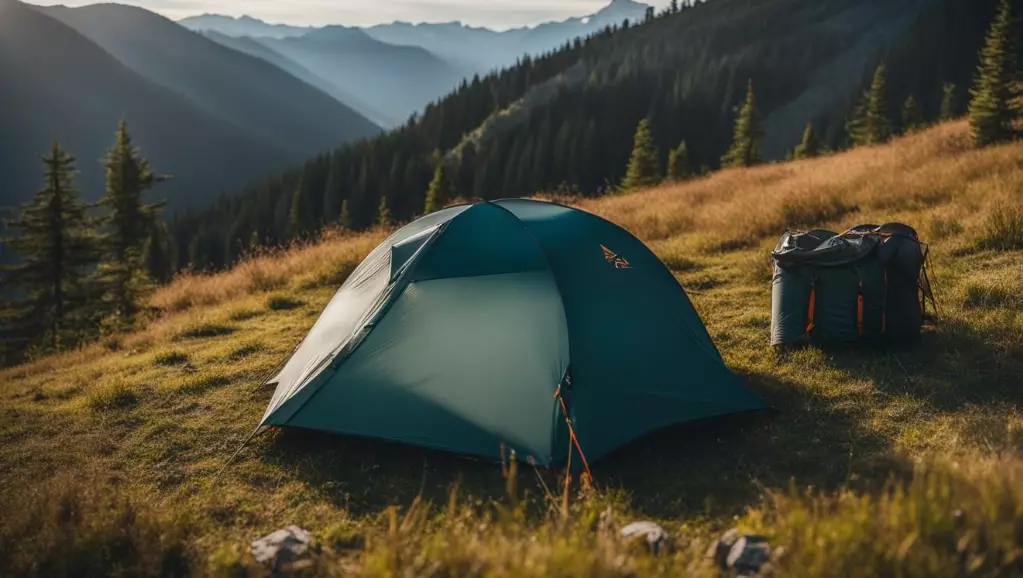
Your Quick Trail Guide
The Backpacking Mindset: Less is More (Philosophy)
Before we look at a single item, get this: every ounce counts, but not every ounce is created equal. The goal isn't minimalism for its own sake. It's conscious weight investment.
You're trading weight for comfort, safety, or capability. A heavier, warmer sleeping bag is a good trade on a cold-weather trip. A second pair of socks is a great trade for foot health. That giant hardcover book? Probably not. Most beginners pack their fears. They bring "just in case" items that never get used, adding pounds for no benefit. A seasoned backpacker packs for probability, not possibility.
Here’s a non-consensus view: the most important piece of gear isn't in your pack; it's between your ears. It's the willingness to leave the non-essential behind. Start by laying out everything you think you need. Then, critically, remove at least three items. You won't miss them.
The Backpacker's Core Gear Checklist
This is the foundation. Think of these ten categories as your system's pillars. Forget one, and the whole thing wobbles.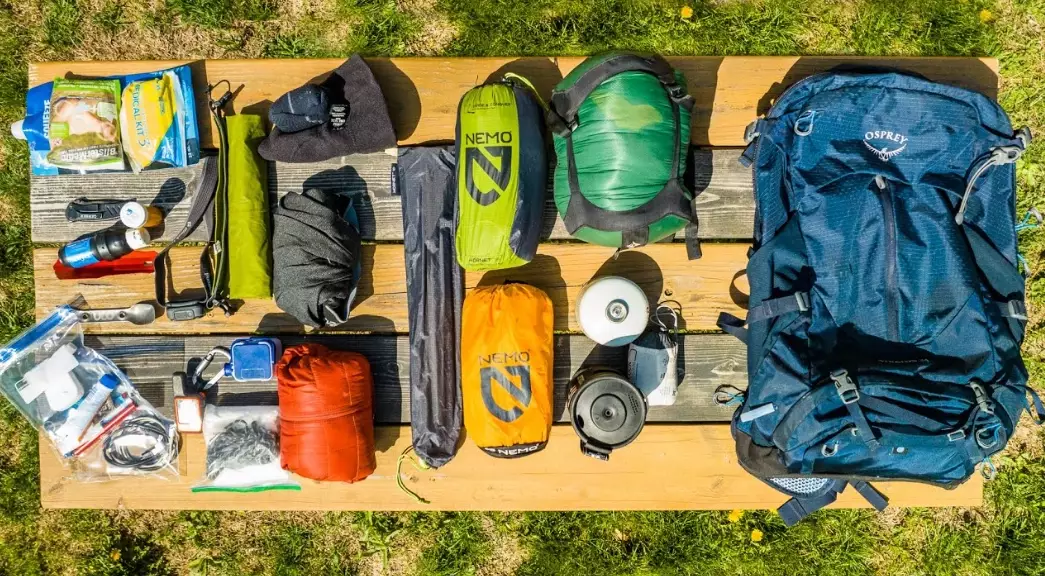
| Item | Key Considerations & The "Why" |
|---|---|
| Backpack | Fit is EVERYTHING. Get measured at a shop (like REI). Capacity: 50-65L for multi-day. Look for a good hip belt and frame. |
| Shelter | Tent, hammock, or tarp? For most, a lightweight 2-person tent (even solo) offers best weather protection. Check packed size. |
| Sleep System | The duo you can't cheap out on. A sleeping bag's temperature rating is for survival, not comfort. Add 10°F to your expected low. A sleeping pad provides insulation (R-value) AND comfort. |
| Cooking System | Stove, fuel, pot, spork, lighter. Canister stoves are simplest. Calculate fuel: ~30 mins burn time per 100g canister. |
| Water System | Filtration (Sawyer Squeeze or Katadyn BeFree) + containers (smartwater bottles are light & durable). Always have a backup purification method (tablets). |
| Navigation | Paper map & compass (and know how to use them). GPS/Phone (Gaia GPS app) is a supplement, not a replacement. Download maps offline. |
| Clothing & Rain Gear | Merino wool or synthetic base/mid layers. Puffy jacket for camp. RAIN JACKET (non-negotiable). Quick-dry pants/shorts. No cotton. |
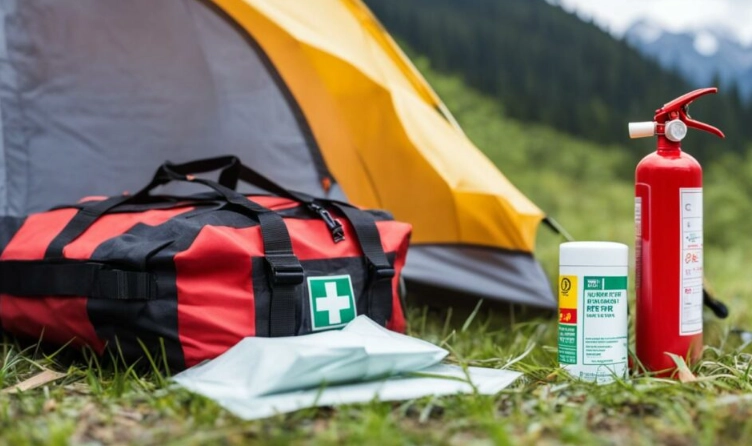
| First Aid & Repair | Build your own kit: leukotape (for blisters), ibuprofen, antihistamine, gauze, duct tape wrapped on trekking pole. |
| Illumination | Headlamp (with red light mode to preserve night vision). Extra batteries. |
| The "Big Three" Extras | 1. Trekking Poles: Save your knees, aid balance. 2. Knife/Multi-tool: Basic Leatherman. 3. Bear Protection: Bear canister or bag + rope, REQUIRED in many areas. |
That table is your shopping list core. But buying it is only step one. How you pack it is step two, and it's just as critical.
How to Pack Your Backpack Like a Pro
Packing isn't just stuffing. It's weight distribution and access. A poorly packed bag pulls you backwards, swings side-to-side, and makes you miserable.
Bottom of the Pack: Your Sleep System
Your sleeping bag and pad (if not strapped outside) go here first. They're light for their volume and you won't need them until camp. This creates a stable, cushioned base.
Core of the Pack (Against Your Back): Heavy Density Items
This is the most important zone. Place your heaviest items here—stove, fuel, water reservoir (if full), bear canister. You want the weight centered close to your spine and between your shoulder blades. This keeps the load from pulling you backward. A common mistake is putting the tent here; it's often too bulky and light, creating a "barrel" effect that pushes you off balance.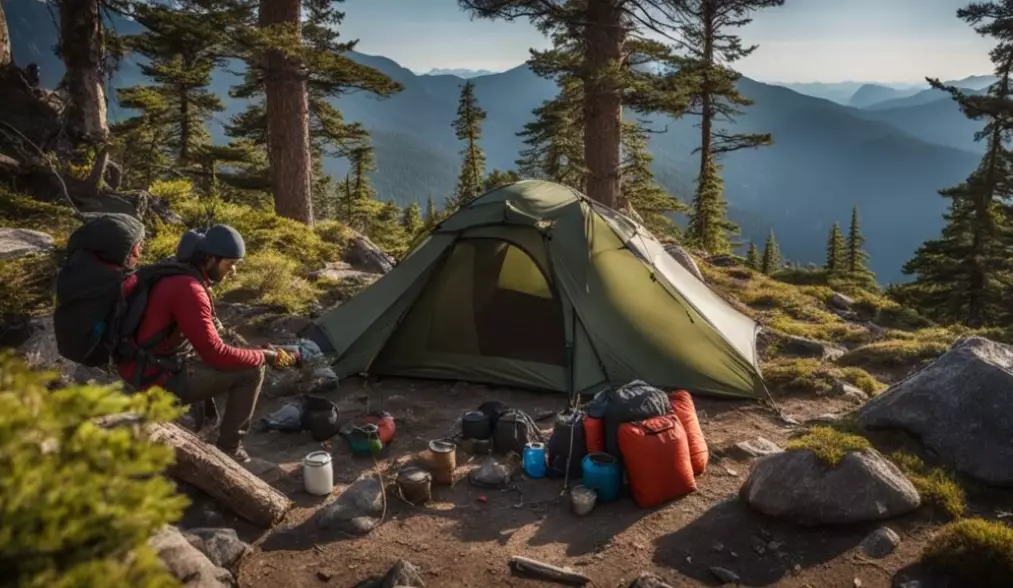
Middle & Top of the Pack: Medium Weight & Camp Needs
Surround the heavy core with lighter, bulkier items: your food bag, clothing, and tent (body/fly). The top of the pack is for items you might need during the day: puffy jacket, first aid kit, rain gear.
External & Access Pockets: The "Grab-and-Go" Zone
This is for constant needs: water filter and bottle, map, snacks, headlamp, sunscreen, bug spray, knife. Your hip belt pockets are gold—perfect for phone, snacks, and lip balm.
Pro tip: Line your pack with a heavy-duty trash compactor bag. It's a foolproof, cheap waterproof liner. Stuff sacks are optional and can create dead space; often, just stuffing items loose is more efficient.
Dialing In Your Setup: A Weekend Trip Scenario
Let's make this concrete. You're planning a 2-night, 3-day loop in the Sierra Nevada in July. 25 miles total, highs of 75°F, lows of 40°F. Here’s how your setup thinking goes beyond the generic list.
The Shelter Choice: You know weather is stable, so you might choose a single-wall tent or even a trekking pole tent to save a pound. But you also know mosquitoes are fierce, so a full bug net is non-negotiable. The Zpacks Duplex (a popular cottage industry brand) fits the bill.
The Food & Water Plan: You study the map. There are streams every 4-5 miles. So, you only need to carry 1 liter of water at a time, not 3, saving over 4 pounds! Your meals: oatmeal (breakfast), tortillas with peanut butter & salami (lunch), dehydrated backpacking meal (dinner). Total food weight: ~1.5 lbs per day.
The Clothing Reality: You're wearing hiking pants and a sun shirt. In your pack: one pair of socks and underwear to sleep in, one lightweight fleece, your puffy, rain shell, and a beanie. That's it. No spare pants, no extra t-shirts.
The Navigation Specifics: You download the CalTopo map for the region on your phone in Gaia GPS. You also print the relevant section of the USGS topo map as a backup. You note two key trail junctions you don't want to miss.
See the difference? The gear list comes alive with the trip's specific demands.
Advanced Tips & The Weight Weenie Trap
Once you have the basics, you can optimize. Swap out a Nalgene for a Smartwater bottle (saves 5 oz). Use a small dropper bottle for soap. Cut your toothbrush handle in half. This is where you get into "ultralight" territory.
But here's the trap I see all the time: people become weight-obsessed at the expense of safety, comfort, or ethics. They leave behind a first aid kit or rain jacket to hit some arbitrary base weight. That's stupid, not smart. The goal is a lighter, smarter pack, not a dangerous one. Your safety items are the last things you should cut.
A better focus is on multi-use items. Your trekking poles become tent poles. Your puffy jacket is a pillow when stuffed in a stuff sack. Your pot is your bowl. This mindset reduces weight more effectively than just buying the most expensive titanium gadget.
Your Backpacking Setup Questions, Answered
 How do I choose a backpacking tent for two people that isn't ridiculously heavy?