You've decided to go camping. Maybe it's a weekend to disconnect, a budget-friendly family trip, or a test run for bigger adventures. The idea is great—fresh air, stars, campfires. The reality for first-timers can be a soggy, cold, or frustrating mess if you wing it. I've spent over a decade guiding trips and learning from my own mistakes (like the time I used a summer sleeping bag in fall and spent the night wearing every piece of clothing I brought). This guide isn't about surviving; it's about enjoying yourself out there.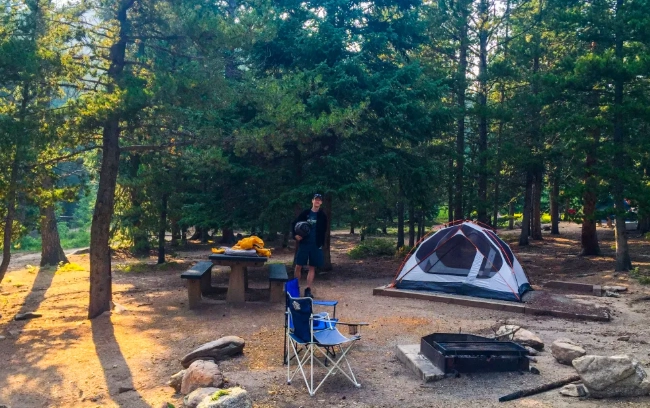
Your Quick Camping Trip Blueprint
How to Plan Your Camping Trip
Jumping straight to gear is tempting, but the plan comes first. A good plan turns anxiety into anticipation.
Step 1: Decide on Your Camping Style. This dictates everything. Are you driving right up to a paved site with bathrooms (car camping), hiking a mile or two to a primitive spot (backpacking), or something in between? For your first few trips, I strongly recommend car camping at an established campground. The convenience factor is huge.
Step 2: Choose Your Destination and Book. Popular parks like Yosemite or the Great Smoky Mountains book up months in advance on Recreation.gov. Don't get discouraged. Look at state parks or national forests—they're often less crowded, equally beautiful, and more affordable. When researching, note:
- Amenities: Does it have potable water, flush toilets, showers, a camp store?
- Site Specifics: Is it shaded? Near the restroom (convenient but busy)? Does it have a picnic table and fire ring?
- Regulations: Firewood rules (always buy local to prevent pest spread), quiet hours, pet policies.
Step 3: Check the Weather, Then Prepare for Worse. Mountain and coastal weather is fickle. Look at the forecast, but pack as if it will be 10 degrees colder and wetter than predicted. A common rookie error is trusting a sunny forecast completely.
Essential Camping Gear Checklist
You don't need the most expensive gear. You need the right gear, reliable and suited to the conditions. Here’s a breakdown of the core categories.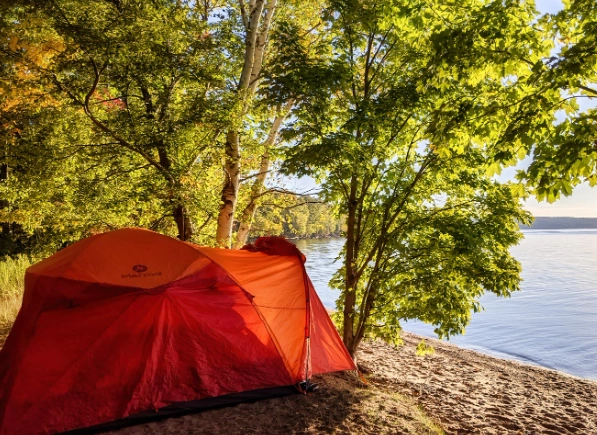
The Big Three: Shelter, Sleep, Pack
For car camping, your "pack" is your car. Focus on shelter and sleep.
| Item | What to Look For | Beginner Tip / Common Pitfall |
|---|---|---|
| Tent | Size rated for 1-2 more people than your group (a "4-person" fits 4 tightly). Waterproof rating (hydrostatic head) of at least 1500mm for the rainfly. | Practice setting it up at home first. The most common mistake is not using all the guylines in wind—your tent will flap loudly and can collapse. |
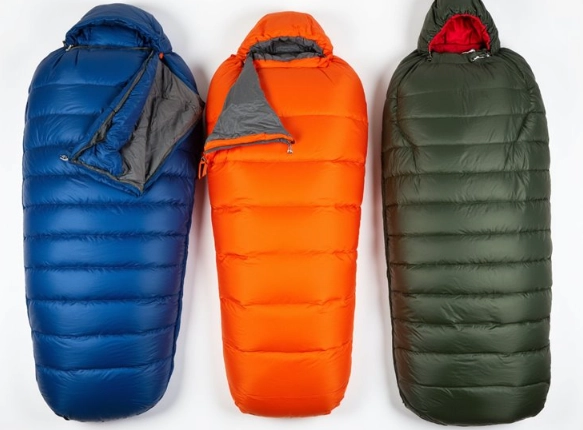
| Sleeping Bag | Check the temperature rating ("comfort" rating, not "limit"). Synthetic fill handles dampness better; down is warmer for its weight. | If you sleep cold, get a bag rated 10°F lower than the expected low. You can always unzip it. |
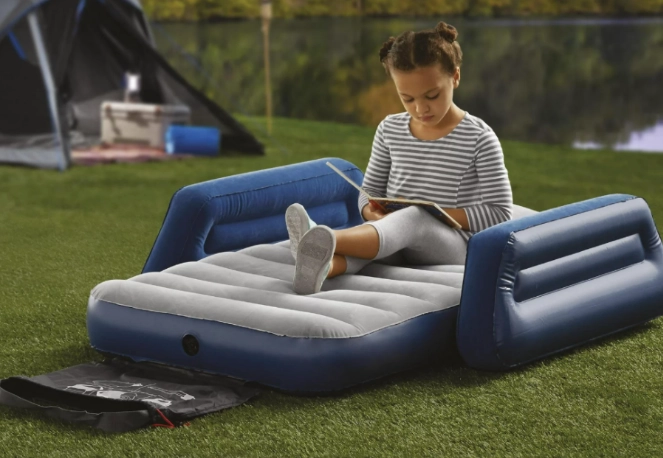
| Sleeping Pad | This is for INSULATION, not just comfort. Look for the R-value: 2+ for summer, 4+ for spring/fall. | This is the most overlooked item. An air mattress with no R-value will make you cold from the ground, even in a great bag. |
The Kitchen Box
Keep a plastic bin dedicated to camp kitchen stuff. It saves packing time. Essentials include:
- Stove: A basic 2-burner propane stove is perfect for car camping. Don't forget fuel.
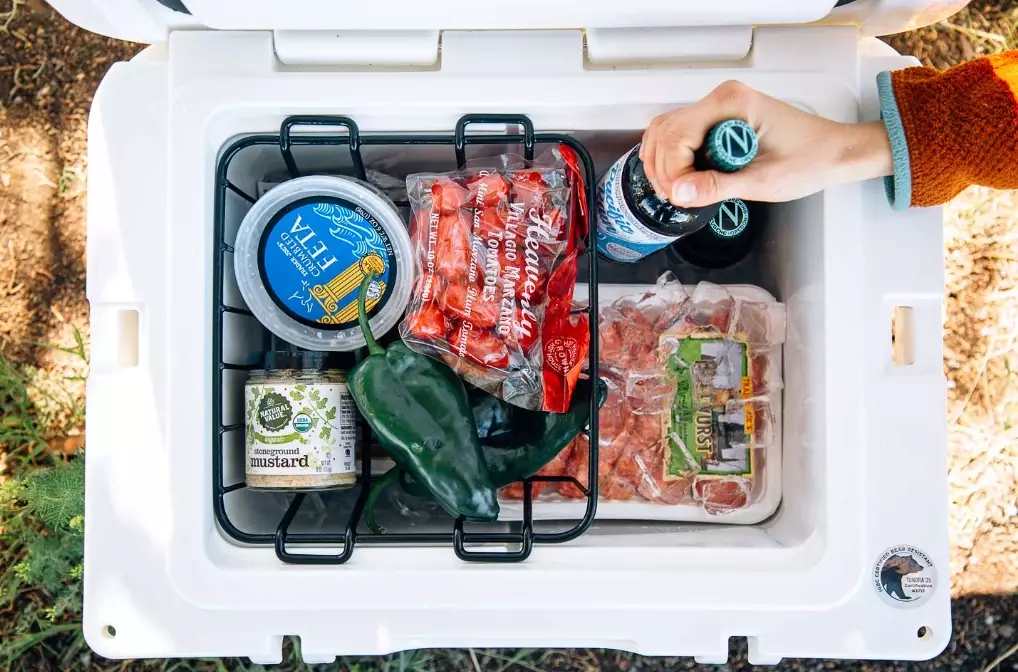
- Cooler: A quality cooler (like an Igloo or RTIC) pre-chilled with block ice lasts days. Tip: Drain the water daily.
- Utensils & Cookware: A cast iron skillet, a pot with a lid, a sharp knife, a long-handled spatula, plates/bowls/cups (not glass!).
- Water: Bring more than you think. A 5-gallon jug with a spigot is ideal for camp.
- Headlamp: Not a flashlight. You need your hands free to cook or set up in the dark.
Clothing & Personal Items
Cotton kills—it absorbs moisture and loses insulating power. Stick to synthetics (polyester, nylon) or wool.
- Layering System: Base layer (wicking), mid-layer (fleece or puffy for warmth), outer shell (rain jacket/windbreaker).
- Footwear: Sturdy shoes for camp, plus sandals for showers.
- Extras: Hat, sunglasses, extra socks (always), a warm beanie for nights.
Picking and Setting Up Your Campsite
You arrive, you see your site. Now what?
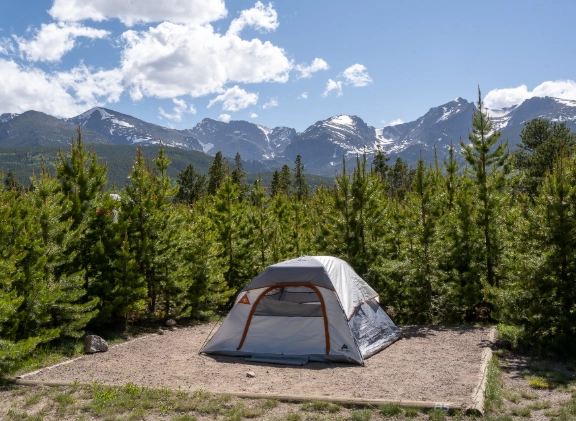
First, look up. Are there dead branches hanging overhead ("widowmakers")? Avoid pitching underneath them. Look at the ground. Is it level and free of large rocks and roots? Is it the low point of the site where water will pool if it rains? Aim for high, flat ground.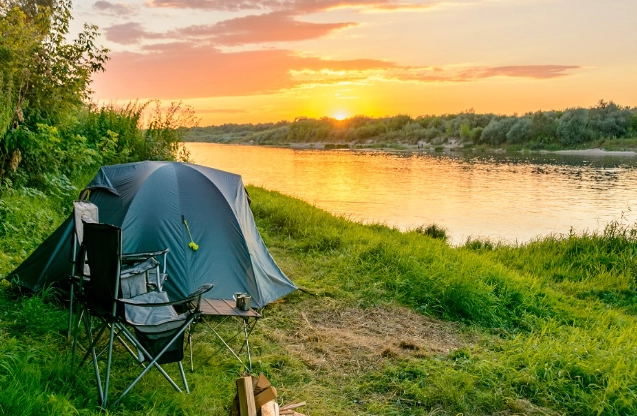
Set up your tent first. Lay down a footprint (a tarp cut slightly smaller than your tent floor) to protect it. Assemble the poles, thread them through, and stake out the corners before raising it fully. Then attach the rainfly, making sure it's taut and covers the tent body completely. Stake out the rainfly's guylines—this is what gives the tent stability in wind.
Organize your camp into zones: sleeping zone (tent), kitchen/cooking zone (away from the tent, downwind if possible), and food storage zone. Keeping cooking smells away from your sleeping area is a key animal safety practice.
Camp Cooking Made Simple
Forget complex recipes. Think one-pot meals. My first-night staple is pre-made chili, reheated in a pot. It's hearty and requires zero prep after driving.
Breakfast: Oatmeal with dried fruit and nuts. Or pre-scrambled eggs kept cold in a bottle, poured into a hot pan.
Lunch: Sandwiches, wraps, or snack plates (cheese, crackers, salami).
Dinner: Foil packet meals (protein + chopped veggies + seasoning), pasta with jarred sauce, or quality dehydrated meals from brands like Mountain House.
Cleanup: Use biodegradable soap sparingly and scatter wash water at least 200 feet from any water source. Strain food particles out and pack them as trash.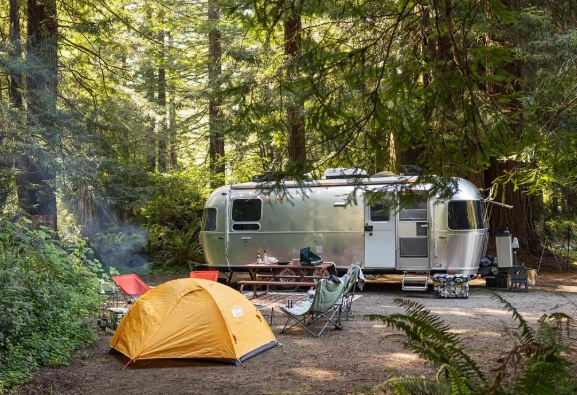
Safety and Leave No Trace
Respecting the outdoors and others is part of the deal.
Fire Safety: Only have fires in established rings. Keep it small. Never leave it unattended. Drown it with water until it's cool to the touch—not just when the flames are gone. Check for local fire bans.
Wildlife: Observe from a distance. Never feed animals. Store food properly. Know what to do if you encounter common local wildlife (e.g., for black bears, make yourself look big, speak firmly, back away slowly).
Leave No Trace Principles: The goal is to leave the site looking untouched.
- Plan ahead and prepare.
- Travel and camp on durable surfaces (stay on trails, use established sites).
- Dispose of waste properly (pack out all trash, including food scraps).
- Leave what you find (no picking flowers or taking rocks).
- Minimize campfire impacts.
- Respect wildlife.
- Be considerate of other visitors (keep noise down, especially at night).
You can learn more about these principles from the official Leave No Trace Center for Outdoor Ethics.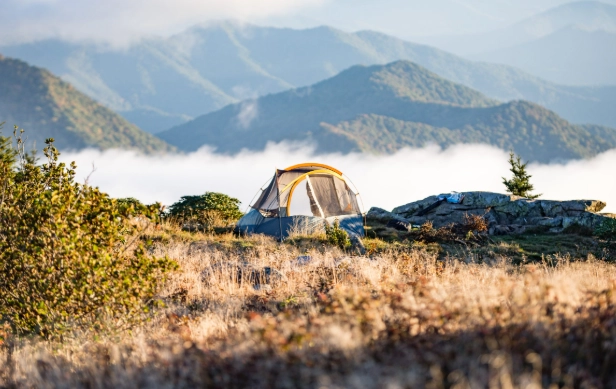
Your Camping Questions Answered
What is the biggest mistake first-time campers make when packing?
How can I feel safe camping alone as a beginner?
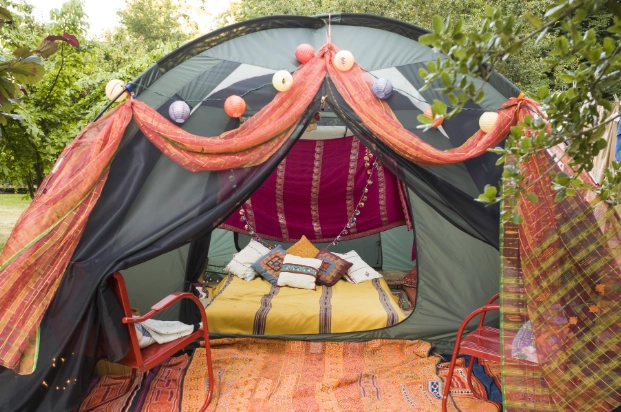
What's one piece of gear that's often overlooked but crucial for comfort?
Is it okay to camp if I don't have a high-end, waterproof tent?
How do I deal with bugs without dousing myself in chemicals?
The best camping trips come from good preparation. Start simple, learn what you like and dislike, and build from there. The goal isn't a perfect Instagram photo; it's the feeling of satisfaction when you boil water for your morning coffee, sitting in a chair you set up, listening to the woods wake up. That's the real reward. Now get out there.