Quick Guide
- Beyond the Bell Tent: A Tour of Glamping Styles
- Glamping vs. Camping: What Are You Actually Paying For?
- How to Pick Your Perfect Glamping Spot (And Not Get Duped)
- The Glamping Packing List: What You Actually Need
- Your Glamping Questions, Answered (The Real Stuff)
- Making the Most of Your Glamping Trip
Let's be real, the idea of 'roughing it' isn't for everyone. The thought of sleeping on the hard ground, battling with tent poles in the wind, and that... distinctive campground bathroom aroma? It can be a hard pass. But what if you could have the crackle of a campfire, the starry night sky, and the sound of a river nearby without sacrificing a real bed, clean sheets, and maybe even a hot shower?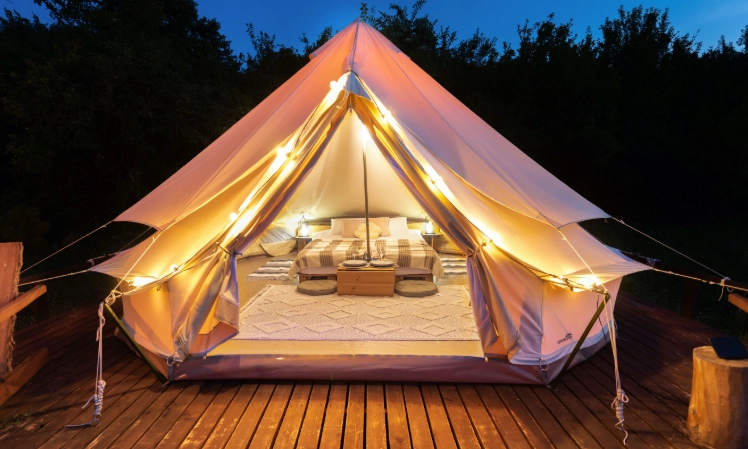
That's the whole point of glamping. It's not just camping for people who don't like camping. It's a bridge. A beautifully constructed, often Instagram-worthy bridge between the raw beauty of the outdoors and our very human desire for comfort.
I remember my first proper glamping trip. It was in a geodesic dome perched on a hillside. One whole wall was clear plastic. I woke up to mist rolling through a pine forest, completely dry and warm in my king-sized bed. I made coffee in a proper kitchenette. It felt like cheating, but in the best way possible. I was immersed in nature, but I wasn't miserable. That's the magic.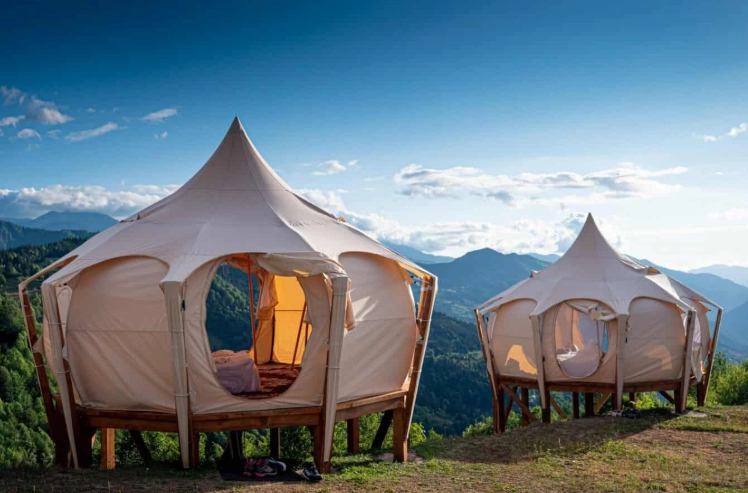
So, what is glamping, really? Let's strip away the marketing fluff. At its core, glamorous camping is about accessible outdoor immersion. It removes the major barriers—discomfort, lack of knowledge, and gear anxiety—that keep people from spending nights under the stars. It's for couples wanting a romantic getaway, families who don't own a truckload of equipment, or anyone who just wants to hit pause in a beautiful place without the logistical headache.
Think of it as a hotel experience, but the walls are thinner and the view is infinitely better.
Beyond the Bell Tent: A Tour of Glamping Styles
The word 'glamping' might conjure images of a fancy safari tent, and that's certainly a classic. But the world of luxury camping has exploded. The accommodation itself is a huge part of the adventure. Here’s a breakdown of what you might actually book.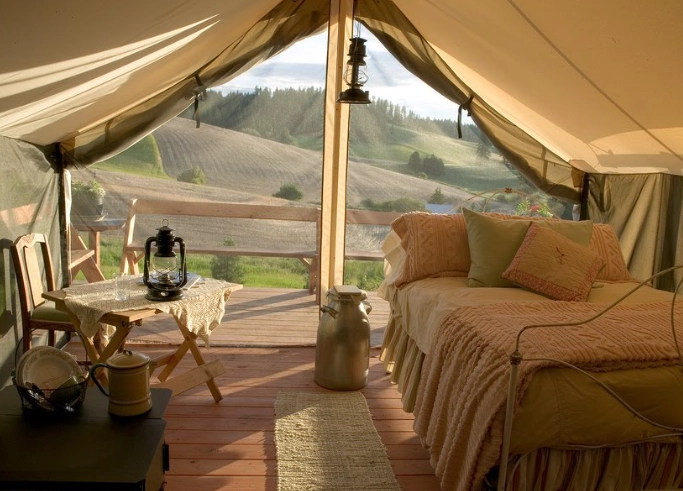
The Classics (With a Twist)
Safari Tents & Bell Tents: The OGs. These are spacious canvas structures, often on permanent wooden platforms. The best ones feel like a proper room—think proper beds with memory foam mattresses, rugs on the floor, battery or solar-powered lighting, and tasteful furniture. The canvas walls mean you still hear the rain and the owls, which is the point.
Yurts: My personal favorite for colder climates. These circular, felt-covered structures from Central Asia are incredibly insulated and cozy. A wood-burning stove in the center of a yurt on a chilly night? Unbeatable. They feel ancient and sturdy, a real escape from right angles.
The Modern & Quirky
Geodesic Domes: Like my first experience. These futuristic-looking spheres, often with transparent sections, are all about the panoramic view. Lying in bed and watching the clouds or stars is a surreal experience. They can be hot in direct summer sun, though—good shading is key.
Tiny Cabins & A-Frames: The line between a 'cabin' and 'glamping' is blurry here. If it's small, stylish, off-grid or semi-off-grid, and prioritizes the outdoor connection (big decks, outdoor baths, huge windows), it counts. These often have the most solid construction, which is great in windy areas.
Treehouses & Stilted Pods: For the kids and kids-at-heart. Elevating your stay literally changes your perspective. Falling asleep to the gentle sway of a tree (in a safely engineered structure!) or looking out over a canopy is unforgettable.
Converted Vehicles & Unique Structures: This is where it gets fun. Think vintage airstreams polished to a mirror shine, shepherd's huts with cast-iron stoves, or even converted grain silos. The uniqueness is the main attraction.
Glamping vs. Camping: What Are You Actually Paying For?
Let's break down the real differences. It's not just about a nicer bed.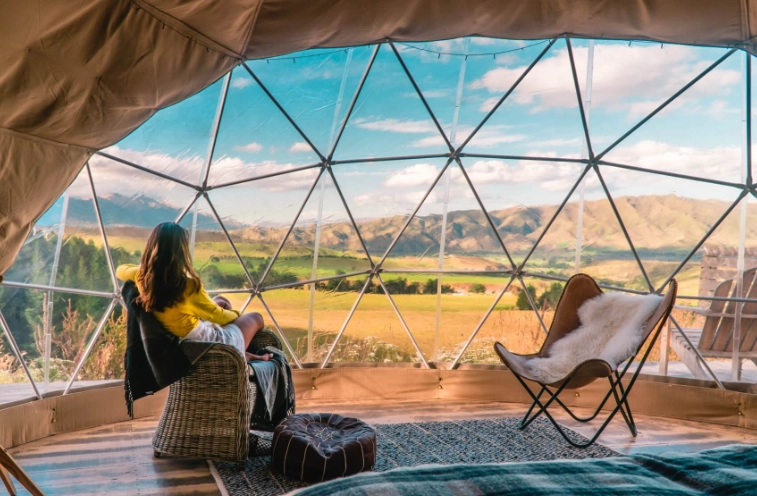
| Factor | Traditional Camping | Glamping |
|---|---|---|
| Setup | You do it all. Site selection, pitching tent, unpacking gear. | It's ready when you arrive. Just unlock the door. |
| Sleeping | Sleeping pad & bag on the ground. Highly weather-dependent. | Actual bed (often queen/king) with linens, pillows, and blankets. |
| Shelter | Your tent. Protection from elements varies wildly with gear quality. | A permanent or semi-permanent structure designed for comfort and stability. |
| Amenities | What you bring. Cooking on a camp stove, lanterns, maybe a solar shower. | Varies widely: from simple (bed, cooler) to full (kitchenette, private bath, electricity). |
| Connection to Nature | Direct and raw. You feel every weather change. | Curated and comfortable. Large windows and sounds, but with a buffer. |
| Skill Required | Moderate to high for a comfortable experience. | Very low. It's about arrival and enjoyment. |
| Cost | Lower upfront site fee, but requires investment in quality gear. | Higher nightly rate, but no gear investment needed. |
I'll be honest, after a long day of hiking, the thought of crawling into a pre-made bed under a canvas roof sounds infinitely better than wrestling with a tent pole in the dark. The value in glamping is the time and mental energy you save. You trade money for convenience and guaranteed comfort.
How to Pick Your Perfect Glamping Spot (And Not Get Duped)
Not all glamping sites are created equal. A beautiful website can hide a multitude of sins. Here’s my process for vetting a place, born from both great stays and a few disappointments.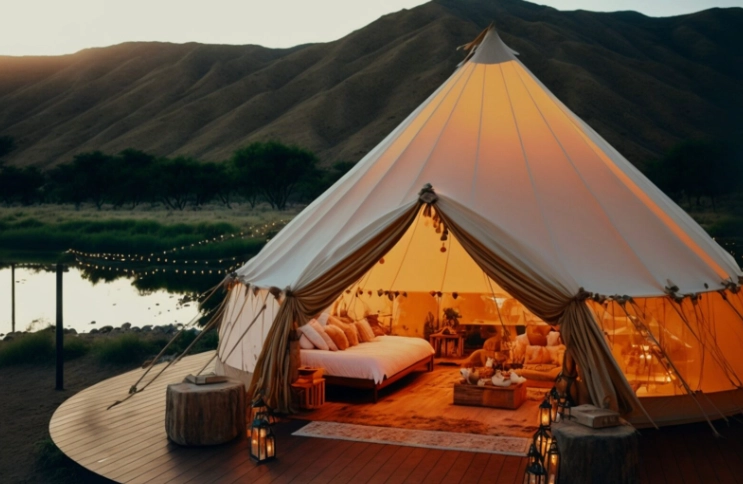
Location & Setting: The Non-Negotiables
Ask yourself: What do I want to wake up to? A mountain view? Forest silence? The sound of ocean waves? The setting is 70% of the glamping experience. Don't just pick a region, look closely at the specific property map. Is it tucked away, or are there ten other domes right next to it? Privacy varies massively.
Consider access. Is it a rough dirt road requiring 4WD? That can add adventure but also stress. Does the host provide clear instructions? This is crucial.
The Accommodation Details: Read Between the Lines
This is where you become a detective. The listing will say "fully equipped kitchen." Does that mean a two-burner propane stove and a cooler, or a mini-fridge, sink, and microwave? Assume nothing.
Bathroom Situation: This is the big one. Is it a private ensuite bathroom (the holy grail), a private bathroom a short walk away, or a shared communal block? Shared isn't always bad—some high-end sites have stunning, spa-like shared facilities—but you need to know what you're signing up for.
Power & Lighting: Off-grid doesn't mean dark. Good sites use solar systems with battery packs for lights and USB charging. Some have full electrical hookups. If you need a CPAP machine or want to run a hair dryer, this is critical intel.
Heating/Cooling: A wood stove is romantic, but who chops and provides the wood? Is there a backup heater? For summer, is there shade, ventilation, or even a fan? A glass dome with no shade in July is an oven.
The Host & Sustainability
A responsive, local host makes all the difference. I favor places where the owners live on or near the property. They know the area, can give you the secret hiking trail tip, and fix things if they go wrong.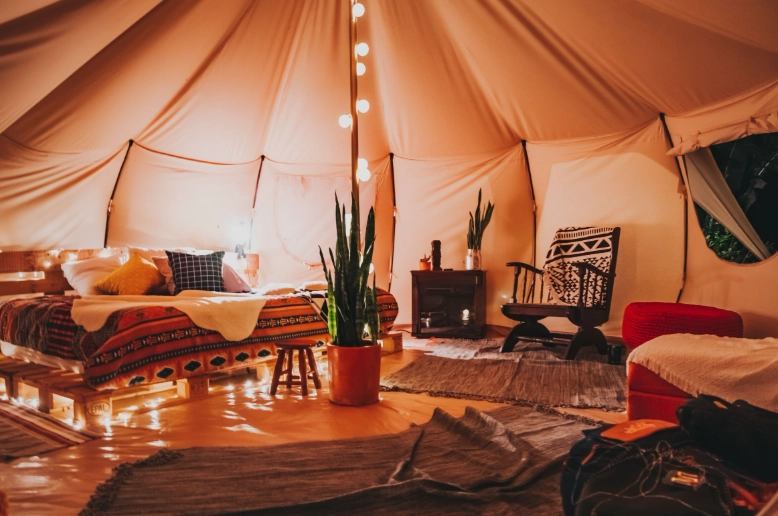
More of us are thinking about our travel footprint. Does the glamping site walk the talk? Look for mentions of:
- Solar power and rainwater collection.
- Composting toilets or low-flow systems.
- Local, natural building materials.
- A "Leave No Trace" ethos for guests.
Some sites are guilty of 'greenwashing' – slapping on a 'eco-friendly' label without real action. Details in the description or reviews will tell you more. Organizations like the Leave No Trace Center for Outdoor Ethics provide great resources on what responsible outdoor recreation should look like, a good benchmark for any glamping operator.
A good glamping host doesn't just rent you a cute space; they curate an experience.
The Glamping Packing List: What You Actually Need
One of the joys is packing light, but 'light' doesn't mean 'nothing.' Here’s a realistic list, divided by category. Always, always check what your specific site provides first—this list assumes a mid-range setup with basics.
Clothing & Personal (The Layer Game)
Forget fashion, think function. Temperatures swing wildly outdoors.
- A warm layer: A quality fleece or puffy jacket, even in summer. Evenings get cold.
- A waterproof/windproof shell: A lightweight rain jacket is non-negotiable.
- Comfortable, quick-dry pants & tops: Think hiking attire or comfortable athleisure.
- Sturdy footwear: Hiking boots or trail shoes for exploring, plus camp shoes (sandals, slip-ons) for around your site.
- Hat & sunglasses: Sun protection is real.
- A beanie and gloves: Sounds extreme for summer, but you'll thank me at 3 AM.
Gear & Essentials (The 'Just In Case' Kit)
- Headlamp or flashlight: More important than your phone. Hands-free light for nighttime bathroom trips is essential.
- Power bank: For charging phones/cameras if power is limited.
- Reusable water bottle: Stay hydrated.
- Basic first-aid kit: Band-aids, antiseptic wipes, pain relievers, blister patches.
- Bug spray & sunscreen: The two great defenders.
- Multi-tool or pocket knife: Surprisingly handy.
- Small backpack: For day hikes or carrying stuff around the property.
The Comfort & Vibe Enhancers
- Your favorite snacks and drinks: Especially if the site is remote.
- A good book or journal: Unplugging is easier with analog entertainment.
- Portable speaker: For music around the fire (at a respectful volume!).
- Binoculars: For birdwatching or stargazing.
- A cozy blanket: For extra warmth by the fire, even if bedding is provided.
Your Glamping Questions, Answered (The Real Stuff)
Let's tackle the common worries and curiosities head-on.
Making the Most of Your Glamping Trip
You've booked it, you've packed. Now, how do you shift gears from everyday life to glamping life?
Embrace the Slow Pace: This isn't a city break jam-packed with sights. The activity is often... relaxing. Read that book. Watch the clouds. Have a long, meandering conversation. The destination is the state of mind.
Get Outside Your Structure: Don't just sit inside your beautiful pod all day. Explore the property. Go for the recommended walk. Sit by the fire pit in the evening. The glamping site is your basecamp for connecting with the outdoors.
Disconnect to Reconnect: Wi-Fi is often spotty or non-existent. See this as a feature, not a bug. Tell people you'll be offline. Use your phone for photos and music, not scrolling. The mental detox is a huge part of the benefit.
Respect the Place: Follow the host's rules. They're usually about protecting the land and the experience for everyone. Pack out what you pack in, keep noise down, and be mindful of resources like water and power if you're off-grid.
So, is glamping for you? If the idea of nature sounds good in theory but your past camping experiences were damp, cold, or frustrating, then yes, absolutely give it a shot. It's a gateway. It might just be the perfect way to discover that you love falling asleep to the sound of crickets—as long as you're doing it on a memory foam mattress.
The industry is growing because it meets a real need. According to market research from sources like Glamping Hub, people are seeking more meaningful, sustainable, and comfortable ways to travel. Glamping sits right at that sweet spot.
Start simple. Manage your expectations (it's still the outdoors, not a five-star resort). Do your research. And then go. Unzip that tent flap or dome door, step outside, and take a deep breath of that fresh, unfiltered air. You might find it's your new favorite way to escape.