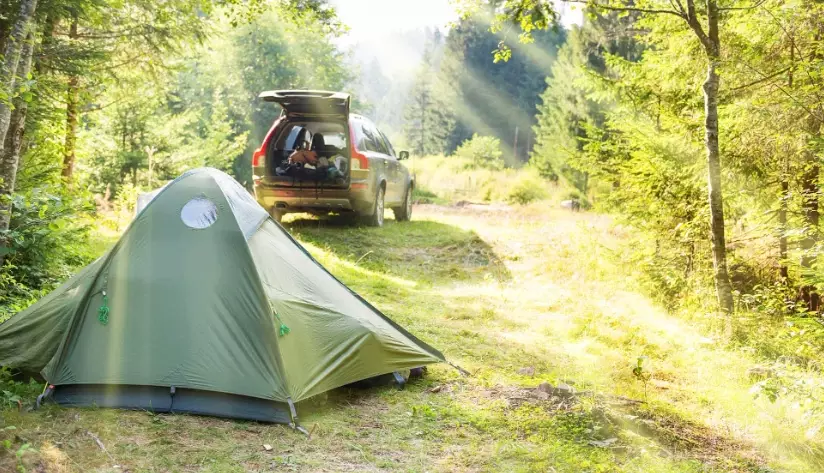
Let's be honest. The best camping trips aren't just about sitting by the fire. They're about waking up, lacing up your boots, and stepping right onto a trail that leads somewhere amazing. Camping with hiking trails built right in is the holy grail for outdoor lovers. It cuts out the driving, maximizes your time in nature, and lets you experience a place deeply. But finding those perfect spots and planning the trip can feel overwhelming. Where do you even start? I've spent over a decade chasing this combination, from crowded national parks to hidden forest service gems. I've also made every mistake in the book so you don't have to.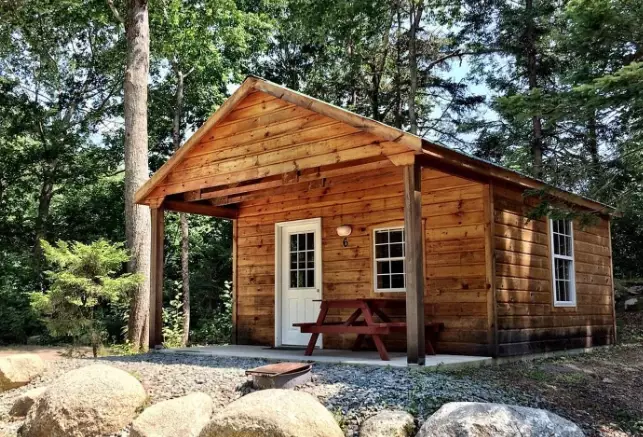
Your Trailside Companion
How to Find the Perfect Campground with Hiking Trails
This is the first hurdle. You can't just google "camping with good hiking" and expect great results. The key is to search like a pro, using the right tools and asking the right questions.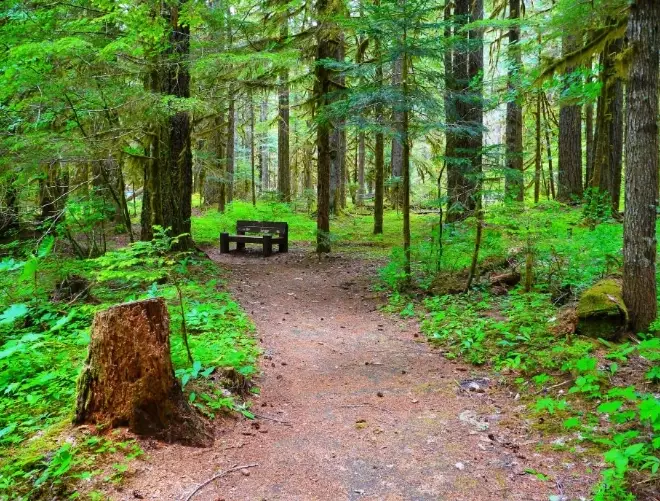
Method 1: Leverage Reservation Platforms (The Obvious, but Powerful, Start)
Sites like Recreation.gov (for US federal lands) and ReserveAmerica are your best friends. Here's the trick everyone misses: Don't just search by location. Dig into the campground details page. Look for the "Activities" or "Facilities" section. If it lists "Hiking" or has a trailhead symbol, you're on the right track. Then, cross-reference. I'll search for a campground, note its name, and then open a new tab to search "[Campground Name] hiking trails AllTrails". This two-step process confirms the quality and accessibility of the trails directly from your site.
For example, searching for "Yosemite National Park campgrounds" on Recreation.gov will show you options. Lower Pines Campground lists "Hiking" as an activity. A quick separate search confirms it's a short walk from the Mist Trail and John Muir Trailheads. That's a winner.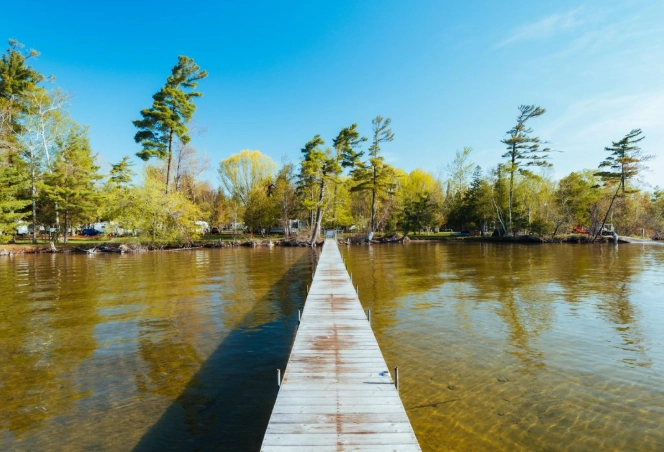
Method 2: Work Backwards from the Hike
Sometimes you have a dream hike in mind. Find the trail first on AllTrails or a hiking guidebook. Once you've identified the trailhead, look at the map around it. Are there campground icons nearby? Zoom out. Often, national forests or state parks adjacent to major hiking areas have first-come, first-served or reservable sites that are quieter and cheaper than the famous park campgrounds. This is how I found a stunning, nearly empty Forest Service campground just 15 minutes from a packed Rocky Mountain National Park trailhead.
Method 3: Embrace the "Walk-In" or "Backcountry" Option
If you're willing to carry your gear a short distance (think 0.5 to 2 miles), a world of opportunity opens up. Many parks have "walk-in" campgrounds or backcountry sites that are only accessible by trail. These offer immense solitude and a true wilderness feel. The hike in is part of the adventure. Check park websites for "backcountry camping" or "hike-in campgrounds." Great Smoky Mountains National Park, for instance, has excellent backcountry shelters and campsites along its major trails. You need a permit, but the trade-off is incredible.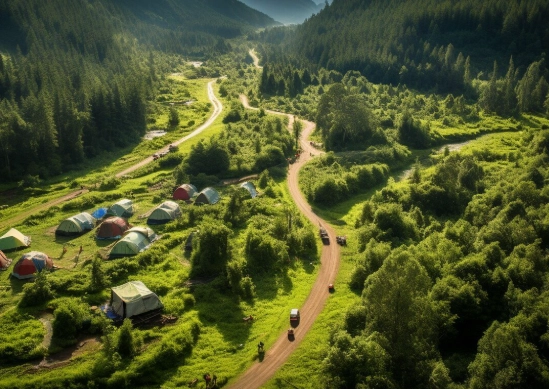
Pro Tip Most Blogs Miss: Everyone talks about checking for water and bathrooms. But a crucial, often-overlooked detail is campground elevation relative to the trailhead. If your campground is at 8,000 feet and the hike starts at 6,500 feet, you're looking at a brutal, sweat-drenched climb just to get back to your car after a long day on the trail. Try to camp at or near the elevation of your planned hikes, or ensure you have a shuttle plan.
How to Plan Your Hiking Itinerary
You've secured the campsite. Now, what about the hikes? This is where trips go from good to legendary. Randomly picking trails can lead to frustration.
First, check the weather obsessively. Not just the day before, but understand the patterns. Afternoon thunderstorms are common in mountains. Plan to summit peaks early. Hiking in a coastal redwood forest? Rain is likely, so pack the right gear.
Second, research the trail specifics. Don't just look at distance and elevation gain. Read recent reviews on AllTrails. People will report on trail conditions—"river crossing was knee-high," "snowpack still covering last mile," "mosquitoes were horrific." This is intel you can't get from an official park brochure. I once avoided a supposedly "moderate" hike that recent reviews revealed had a washed-out, dangerous section. I chose a different trail and had a perfect day.
Third, factor in permits and parking. For popular trails, the trailhead parking lot may fill by 7 AM. Do you need to take a shuttle? In places like Zion's Angels Landing or Half Dome in Yosemite, you need a permit just to do the hike, separate from your camping reservation. Factor this into your booking timeline. The National Park Service website is the authoritative source for this.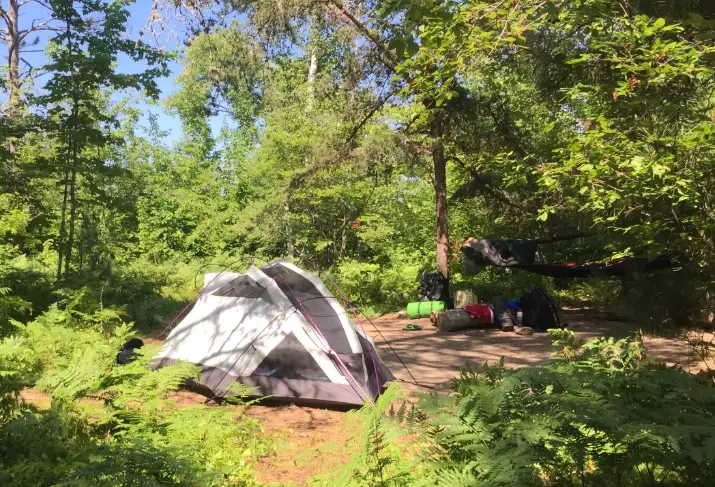
Here's a simple framework for a 3-day camping trip with hiking:
- Day 1 (Arrival/Shakedown): Arrive, set up camp. Choose a shorter, easier hike close to camp to stretch your legs and acclimate. This helps you check your gear and get a feel for the area.
- Day 2 (Main Event): Tackle your big, dream hike. Start early. Pack a hearty lunch. Give yourself plenty of time to enjoy the views without rushing.
- Day 3 (Variety or Relaxation): Either explore a different type of trail (a lakeside stroll vs. a mountain summit) or use the morning for a short hike before breaking camp and heading home.
Always, always have a backup hike in mind. Weather changes. You might feel more tired than expected. A lower-elevation forest hike can be a great Plan B if the alpine route is socked in with clouds.
What Should You Pack? The Trail-to-Camp Checklist
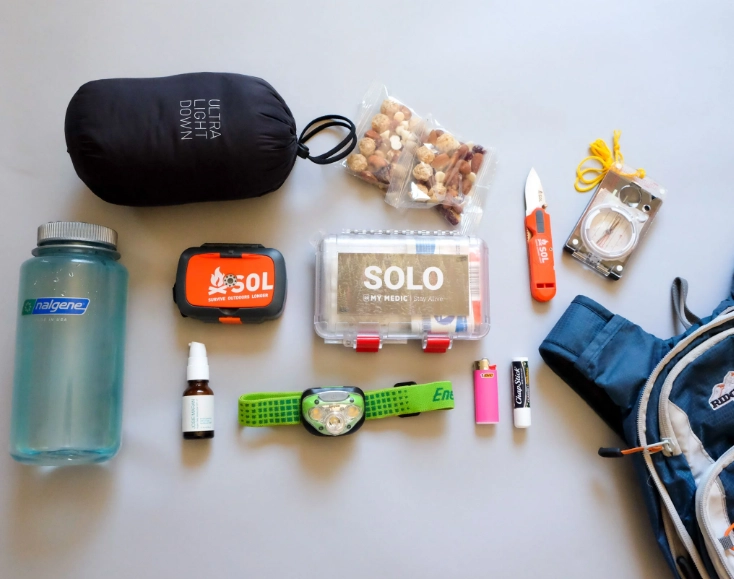
Packing for camping with hiking is a dual mission. You need camp comfort and trail efficiency. The biggest mistake is bringing your entire closet. Pack items that pull double-duty.
| Item | For the Trail | For the Campsite | Pro Tip |
|---|---|---|---|
| Layers (Merino Wool or Synthetic) | Moisture-wicking base layer, insulating mid-layer, waterproof shell. | Same layers for chilly evenings. A dedicated cozy camp sweater is a luxury worth the space. | Avoid cotton entirely. It's useless when wet and slow to dry. |
| Footwear | Broken-in hiking boots or shoes with good tread. | Camp shoes (sandals or lightweight sneakers). Your feet will thank you. | Never hike in brand-new boots. Blisters can ruin a trip. |
| Backpack | Daypack (20-30L) with water reservoir/bladder, snacks, first-aid. | Not needed at camp, but keep it organized for quick morning pack-ups. | Use a rain cover or liner bag. Sudden showers happen. |
| Hydration | Water filter or purification tablets for long hikes away from sources. | Large water jug to refill bottles and use for cooking/cleaning at camp. | Know your water sources on the trail map. Don't run out. |
| Navigation | Phone with offline maps (Gaia GPS), physical map & compass as backup. | Use phone to check weather updates (if you have service). | Download maps at home. Cell service is unreliable on trails. |
| Lighting | Small headlamp in case your hike runs long. | Headlamp for hands-free camp tasks, lantern for ambient light. | Pack extra batteries. Test your headlamp before you go. |
The "double-duty" mindset is key. Your puffy jacket keeps you warm at the summit and at the campfire. Your headlamp lights the path back from the bathroom at night. Packing this way saves space and weight.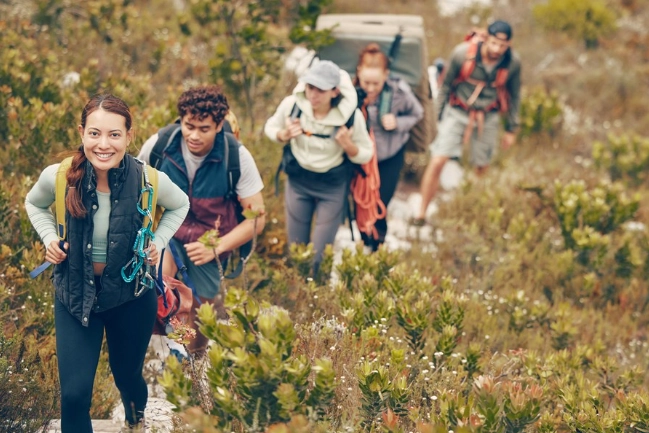
One specific item most people forget: a small microfiber towel. It's for wiping dew off your tent, drying your feet after a stream crossing, or giving yourself a quick sponge bath at camp. It weighs nothing and is endlessly useful.
Essential Safety and Etiquette for Trailside Camping
Being a good steward ensures these places stay beautiful for everyone. It also keeps you safe.
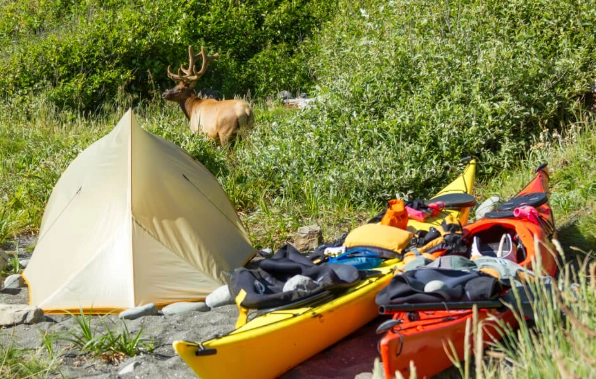
Leave No Trace isn't just a slogan. Pack out all trash, including food scraps and toilet paper (use a zip-lock bag). Stay on designated trails to prevent erosion. Observe wildlife from a distance—never feed animals. Feeding a chipmunk seems harmless, but it teaches them to associate people with food, which can be deadly for them.
Food storage is non-negotiable. In bear country, use the provided bear-proof lockers or bring a certified bear canister. Even in areas without bears, raccoons, mice, and squirrels are expert food thieves. Never, ever leave food unattended at your picnic table. A single incident can ruin your trip and teach animals bad habits. The National Park Service has strict guidelines for each park.
Tell someone your plans. Before you head out on a hike, tell a friend or family member your intended route and expected return time. Write it down on a note in your car if you're solo. Park rangers recommend this simple step—it's the first thing they look for if someone goes missing.
Weather can turn fast. If the sky looks ominous, turn around. Getting to the summit isn't worth the risk of lightning or hypothermia. I've turned back a mile from a summit more than once. The mountain will still be there another day.