Camping in the USA isn't just about pitching a tent—it's a doorway to epic landscapes, from redwood forests to desert canyons. But let's be real: without the right info, your dream trip can turn into a hassle of missed reservations or wrong gear. I've spent over a decade exploring these spots, and here's the straight talk you need to plan a smooth adventure.
What You’ll Find in This Guide
Top Camping Destinations in the USA
Picking where to camp in the USA can feel overwhelming—there are over 400 national park sites alone. I'll break it down by region with specifics so you can decide fast. Forget vague lists; here are spots I've personally tested, with details you can use to book today.
West Coast Wonders: California to Washington
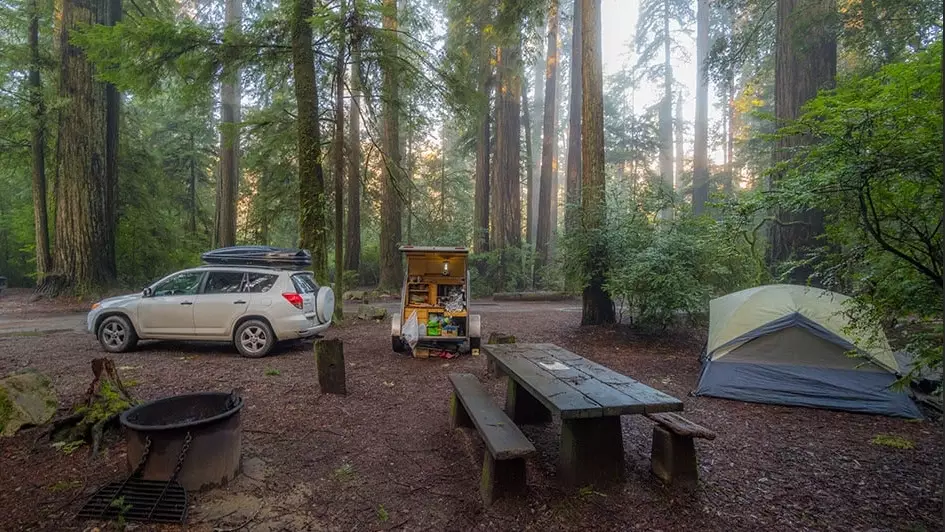
The West Coast offers diversity that's hard to beat. In California, Yosemite National Park is a classic, but don't just head to the crowded Valley. Try Tuolumne Meadows for quieter sites. Address: Yosemite National Park, CA 95389. Entrance fee: $35 per vehicle (valid 7 days). Open year-round, but some campgrounds close in winter. From San Francisco, it's a 4-hour drive via CA-120. Reservations? They vanish months ahead—book on Recreation.gov the minute slots open.
Up in Washington, Olympic National Park has rainforests and coastlines. Kalaloch Campground is my go-to for ocean views. Address: 157151 Highway 101, Forks, WA 98331. Fee: $24 per night. Open all year, but winter storms can be fierce. From Seattle, take US-101 west for about 3 hours.
East Coast Escapes: Maine to Florida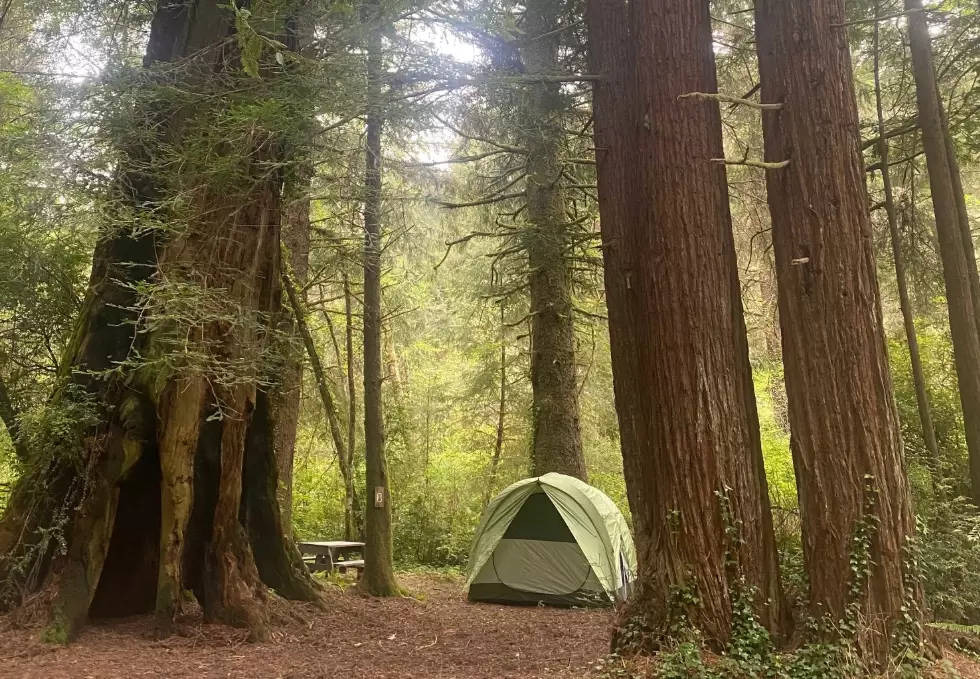
If you prefer coastal vibes, Acadia National Park in Maine is stunning. Blackwoods Campground puts you near hiking trails. Address: Route 3, Bar Harbor, ME 04609. Fee: $30 per night. Open May to October. From Boston, it's a 5-hour drive via I-95. Pro tip: Visit in September to avoid summer crowds.
For something warmer, Florida's Everglades National Park offers unique wildlife. Long Pine Key Campground is basic but immersive. Address: 40001 State Road 9336, Homestead, FL 33034. Fee: $20 per night. Open year-round, but mosquitoes are brutal in summer—pack repellent. From Miami, it's an hour's drive south.
Heartland Havens: National Parks and Beyond
The heartland is where USA camping shines with raw beauty. Yellowstone National Park, spanning Wyoming and Montana, is iconic. Address: Yellowstone National Park, WY 82190. Entrance fee: $35 per vehicle. Open year-round, but most campgrounds operate May to October. From Bozeman, MT, it's a 2-hour drive to the north entrance. I made the mistake of not booking early and ended up outside the park—lesson learned.
Another gem: Great Smoky Mountains National Park in Tennessee/North Carolina. Cades Cove Campground is perfect for families. Address: 10042 Campground Drive, Townsend, TN 37882. Fee: $25 per night. Open year-round. From Knoxville, TN, take US-321 south for an hour. No entrance fee here, which is rare for national parks.
Quick comparison: Use this table to decide based on your style.
| Destination | Best Time to Visit | Fee (Per Night) | Reservation Difficulty |
|---|---|---|---|
| Yosemite NP, CA | May-September | $26-$36 | High—book 5 months ahead |
| Yellowstone NP, WY | June-September | $20-$30 | High—book 6-12 months ahead |
| Acadia NP, ME | June-October | $30 | Medium—book 2-3 months ahead |
| Everglades NP, FL | November-March | $20 | Low—often first-come, first-served |
Essential Camping Gear for USA Adventures
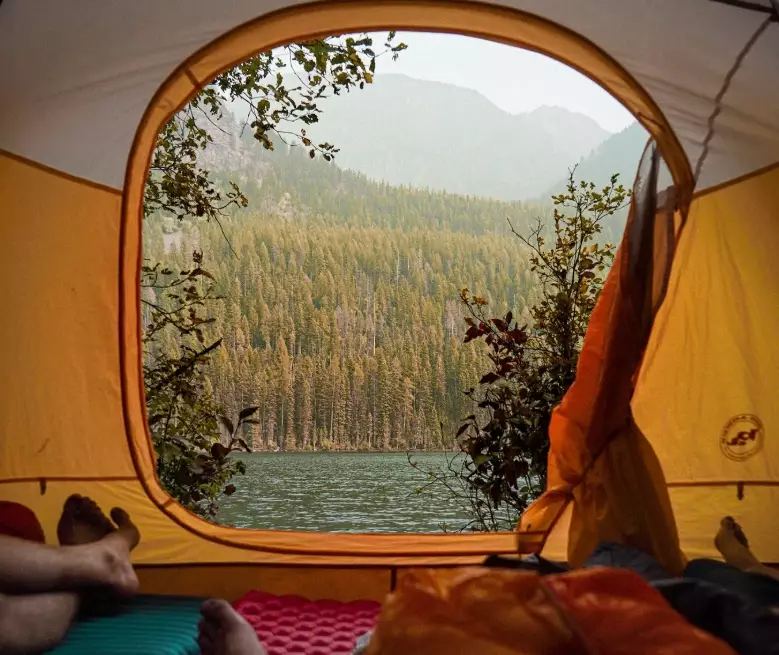 Gear can make or break your trip. I've seen too many campers bring bulky tents that are a pain to set up or skimp on sleeping bags and freeze at night. Let's cut to the chase: here's what you actually need, based on climate zones.
For most USA camping, start with the basics:
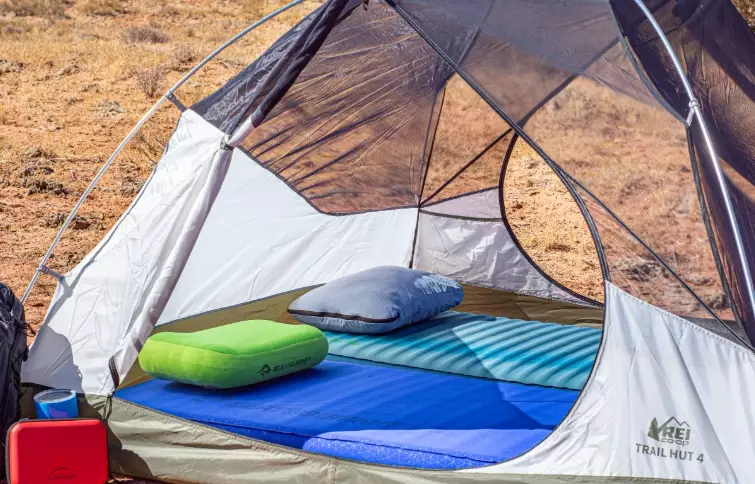
- Tent: A 3-season tent works for 90% of trips. I use a Marmot Tungsten 3P—it's durable and easy to pitch. Don't buy a cheap one; rain leaks are miserable.
- Sleeping bag: Temperature rating matters. In the Rockies, a 20°F bag is essential. I learned this after shivering in a 40°F bag in Colorado.
- Sleeping pad: Not optional. A Therm-a-Rest NeoAir provides insulation and comfort. Ground cold seeps up fast.
- Stove: A portable canister stove like the MSR PocketRocket 2 is reliable. Check fire regulations; some parks ban open fires in dry seasons.
- Navigation: GPS is great, but always carry a paper map and compass. Cell service drops in remote areas like Utah's canyonlands.
Seasonal tweaks: For summer in the Southwest, add a sun shade and extra water containers. For fall in New England, pack layers—merino wool base layers saved me in Vermont.
How to Plan Your USA Camping Trip
Planning a USA camping trip isn't just picking a spot; it's a logistics game. Here's a step-by-step approach I've refined over years.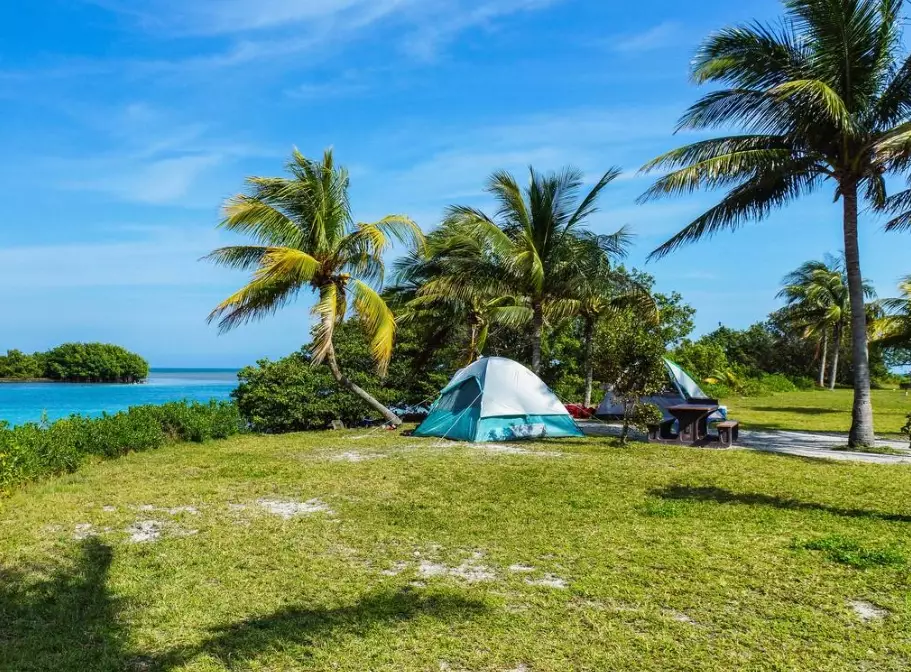
Step 1: Choose Your Destination and Timeframe
Match your interests. Want solitude? Consider less-visited parks like North Cascades in Washington. For families, Shenandoah National Park in Virginia has easy trails. Check seasonal closures—some mountain passes close in winter.
Step 2: Book Campsites Early
This is critical. Popular parks like Zion or Glacier release sites 6 months ahead on Recreation.gov. Set a calendar reminder. If booked out, look at nearby national forests—they often have first-come, first-served sites.
Step 3: Plan Your Route and Permits
Map your drive using tools like Google Maps, but download offline maps. For backcountry camping, permits are required in many parks. Apply early through the National Park Service website. I once forgot this in Grand Teton and had to change plans last minute.
Step 4: Pack and Prep
Use a checklist. Include food that doesn't need refrigeration—think dehydrated meals from brands like Mountain House. Practice setting up your tent at home; it's not fun in the dark.
Step 5: Safety and Contingencies
Check weather forecasts, but assume they'll change. Tell someone your itinerary. Pack a first-aid kit and know basic emergency procedures.
Common Mistakes to Avoid When Camping in the USA
Even experienced campers slip up. Here are subtle errors I've seen—and made myself—that can ruin a trip.
Overlooking Microclimates: In places like California, coastal areas can be foggy while inland is hot. I packed for heat in Big Sur and ended up chilly at night. Research microclimates on sites like Weather.gov.
Ignoring Leave No Trace Principles: It's not just about trash. Camp at least 200 feet from water sources to protect ecosystems. I've seen campsites degraded by poor practices—follow guidelines from the Leave No Trace Center.
Underestimating Driving Distances: USA parks are huge. Driving from one Yellowstone attraction to another can take hours. Plan short daily itineraries to avoid burnout.
Relying Solely on Technology: GPS fails, and phone batteries die. Always have a paper map—rangers at visitor centers can provide them.