Your Sleep Guide
- What Makes a Great Camping Mattress Cot? The Core Components
- Types of Camping Mattress Cots: Finding Your Match
- The Buyer's Checklist: How to Choose Your Camping Mattress Cot
- Setting Up and Using Your Cot Mattress Like a Pro
- Care, Maintenance, and Making It Last
- Answering Your Camping Mattress Cot Questions
Let's be honest. Waking up with a sore back after a night in a tent can ruin a whole camping trip. You toss and turn on a thin pad, feel every rock and root, and the cold from the ground just seeps right in. I've been there more times than I care to remember. For years, I juggled a flimsy sleeping pad and a low-slung cot, never quite getting it right. Then I discovered the magic of a proper camping mattress cot. It wasn't just an upgrade; it felt like discovering camping all over again.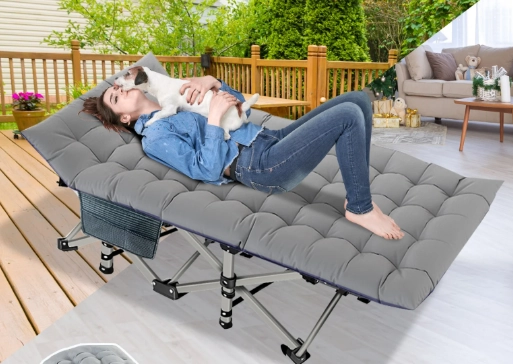
So what is it? Simply put, a camping mattress cot is an integrated sleep system. It's a sturdy, elevated camping cot frame with a dedicated mattress built right in or designed to perfectly fit. This combo tackles the two biggest sleep thieves outdoors: hard, uneven ground and lack of cushioning. The cot gets you off the floor, and the mattress cradles your body. Together, they're a game-changer.
This guide isn't just a list of products. It's everything I wish I'd known before buying my first one. We'll break down the different types, help you figure out which one is right for your style of camping, and give you the real-world tips you need to set it up, use it, and make it last.
What Makes a Great Camping Mattress Cot? The Core Components
Not all camping cots with mattresses are created equal. To make a smart choice, you need to understand what you're looking at. The quality boils down to two main parts: the frame and the sleeping surface.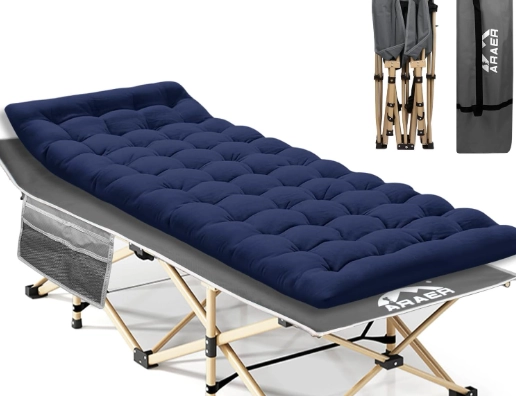
The Cot Frame: Your Foundation
This is the skeleton. Most modern frames are made of aluminum or steel. Aluminum is the winner for backpacking or anyone counting ounces—it's incredibly light and resists rust. Steel is tougher and often cheaper, but it's heavy. For car camping, steel is usually just fine. Look at the leg design. X-leg designs are common and stable, but some newer models use a wishbone or square frame that can feel more solid on uneven terrain.
Then there's the fabric. It's usually a tough polyester or nylon. A higher denier number (like 600D or 1000D) means a thicker, more durable fabric. This is what holds you up, so don't skimp here. The best portable cot mattress systems have frames that fold down small. The folding mechanism should feel robust, not flimsy. A wobbly joint is a nightmare.
Weight capacity is a big one. Always check the manufacturer's limit and then add a buffer. If you're 180 pounds, don't buy a cot rated for 200. Aim for at least 50 pounds over your weight for a margin of safety and longevity.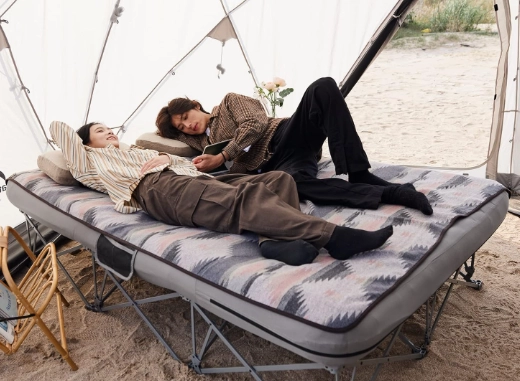
The Mattress: Where Comfort Lives
This is the heart of the system. The mattress is why you're buying this instead of a plain cot. You'll find three main types:
- Foam Mattresses: These are simple, reliable, and silent. No pumping, no leaks. Memory foam or high-density foam contours to your body. The downside? They can be bulky to pack and might sleep warm. They also don't insulate you from cold air circulating under the cot as well as an air chamber can.
- Air Mattresses (Inflatable): These pack down super small and let you adjust firmness. Great for side sleepers who need that sink-in feel. But—and this is a big but—they can leak, they can be noisy, and they lose air as the temperature drops at night. A good integrated air mattress for a camping mattress cot will have a reliable, maybe even double-action, pump.
- Hybrid/Self-Inflating Mattresses: My personal favorite for balance. They have open-cell foam inside an air chamber. You open the valve, the foam expands and draws in air, then you top it off with a few breaths. They offer great insulation (R-value), comfort, and are less prone to catastrophic failure than a pure air mattress. More expensive, though.
Thickness matters. A 2-inch pad on a cot feels very different from a 4-inch one. More thickness usually means more comfort, especially for side sleepers, but also more packed size and weight.
Types of Camping Mattress Cots: Finding Your Match
Your camping style dictates the gear. A backpacker's needs are worlds apart from a car camper's. Here’s a breakdown to help you see where you fit.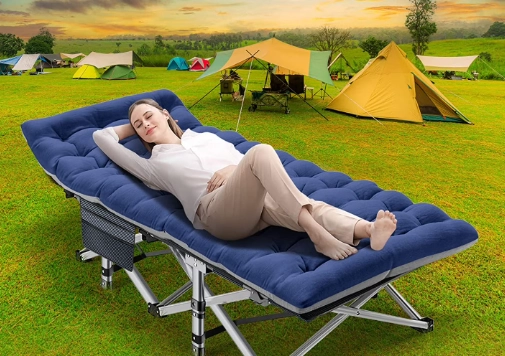
| Type | Best For | Key Features | Pros | Cons |
|---|---|---|---|---|
| Backpacking / Ultralight Cot Mattresses | Long-distance hikers, bikepackers, minimalists. | Extremely lightweight (often under 5 lbs), compact packing size (like a sleeping bag), minimalist low-profile frames. | Weight savings is huge. Gets you off wet/rocky ground. Easier to find a flat spot. | Less comfortable than heavier options. Lower weight limits. Can be expensive for the features. |
| Car Camping / Family Cot Mattresses | Drive-in campgrounds, family trips, base camps. | Heavier, more robust frames. Thicker, wider mattresses (some double-width). Higher weight capacities. Often include headrests. | Maximum comfort and space. Very stable. Often easier to set up. More features. | Bulkier and heavier to transport. Takes up more space in the vehicle. |
| Overlanding / Truck Bed Cot Mattresses | Vehicle-based adventurers, truck campers. | Designed to fit specific truck beds or SUV cargo areas. Often low to the bed floor. Heavy-duty materials. | Turns your vehicle into a instant, level sleeping platform. Excellent insulation from vehicle floor. | Not versatile. Only works in your specific vehicle. Can be a complex install. |
| Double / Queen Cot Mattresses | Couples camping, those who want room to sprawl. | Wide sleeping surface, sometimes two linked single cots. Central support legs are critical. | No more separate sleeping setups. Maintains intimacy and warmth of a shared bed. | Very bulky and heavy. Can be tricky to fit through tent doors. A sagging middle is a common complaint on poor models. |
See where you land? Most people looking for a camping bed with mattress are in that car camping category. You want comfort, but you're not carrying it on your back for miles.
The Buyer's Checklist: How to Choose Your Camping Mattress Cot
Walking into a store or browsing online can be overwhelming. Use this list to filter your options. Ask yourself these questions before you click "buy."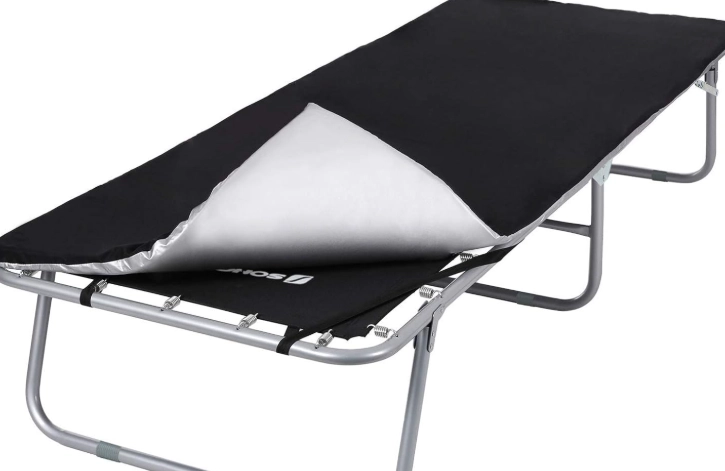
1. Where and How Do You Camp? This is question zero. Car camping from your SUV? Look at the robust, comfy models. Flying to a destination and renting gear? A compact, travel-friendly portable cot mattress might be key. Backyard snoozing? Maybe size and weight don't matter at all.
2. Who's Sleeping on It? Consider weight, height, and sleeping style. A tall person needs length. A side sleeper needs cushioning. A restless sleeper needs stability. If you share with a partner or a kid, width matters.
3. What's Your Comfort vs. Portability Trade-Off? This is the eternal outdoor gear struggle. A 6-inch thick memory foam topper will feel like your bed at home but will fill half your trunk. A sleek, self-inflating 2.5-inch pad packs small but might not be plush enough. You have to find your line.
4. What's the Setup Like? Watch a video review. Does it look like a 5-minute puzzle or a 30-second flip-open? After a long day of hiking or driving, you don't want a complicated assembly. Some of the best camping cot mattress designs are brilliantly simple.
5. How is the Insulation (R-Value)? If you camp in cool or cold weather, this is critical. The cot elevates you into colder air. A mattress with a high R-value (like 4 or above) will trap your body heat. A simple summer air mattress might have an R-value of 1, leaving you cold. The REI guide to sleeping pad R-values is an excellent resource for understanding this technical but vital spec.
6. What's the Real Packed Size and Weight? Don't just read the specs. Look at pictures of it in its carry bag next to a person or a common object. That "compact" bag might be much bigger than you imagine.
Material & Durability Deep Dive
Let's talk about what these things are made of, because it affects feel, durability, and price.
- Frame Materials: Aluminum alloy (6000 or 7000 series) is the gold standard for strength-to-weight. Steel is strong and cheap but corrodes if the finish chips. Look for powder-coated or painted steel.
- Mattress Fabrics: TPU (Thermoplastic Polyurethane) laminated fabrics are top-tier for air mattresses—they're stretchy, quiet, and durable. PVC is cheaper but can be crinkly and less eco-friendly. Nylon or polyester tops are common for foam mattresses.
- Mattress Fill: For foam, memory foam offers pressure relief but can sleep hot. Open-cell foam (in self-inflaters) is springier and insulates well. Some brands use proprietary fills like AirSense or Fusion foam, which are often marketing terms for customized open-cell foams.
A good warranty is a sign of confidence. A 1-year warranty is basic. Two to five years is better. It tells you the company expects their camping mattress cot to last.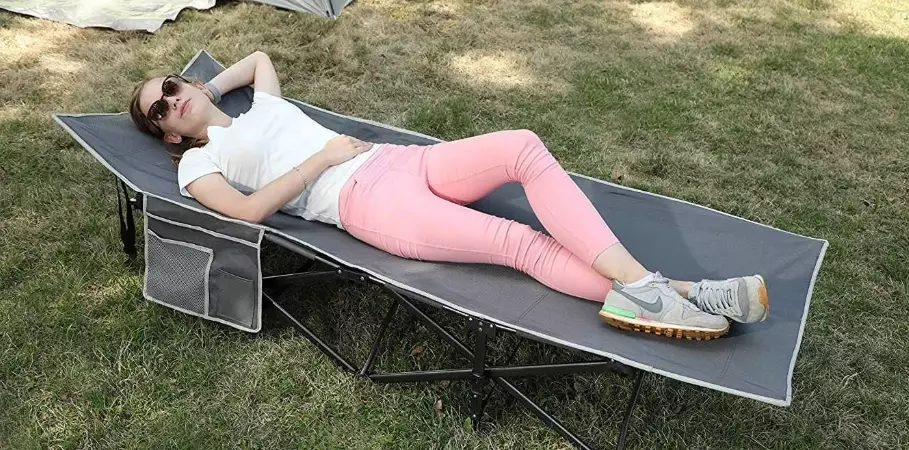
Setting Up and Using Your Cot Mattress Like a Pro
You've got it. Now let's make sure you get the best sleep out of it. Here are the steps and tricks that aren't always in the manual.
First-Time Setup (Do This at Home!): Never, ever take a new camping cot with mattress straight to the woods. Unpack it in your living room or backyard. Practice assembling it. Inflate the mattress (if applicable) and let it sit for a few hours to stretch out. Check for any manufacturing defects, missing parts, or leaks. This saves you from a miserable discovery at the campsite.
Finding the Perfect Spot in Your Tent: Clear the ground of sharp sticks and stones first. Even though you're elevated, a sharp rock under a leg can be a problem. Position the cot so you're not touching the tent walls—contact causes condensation to wet your sleeping bag. If you have a double, center it. Think about where you'll get in and out.
Inflation Tips for Air Mattresses: If it has a built-in pump, great. If it's manual, a separate foot or battery pump is worth every penny. Inflate it until it's firm, then lie on it for a minute. Get off and add a few more breaths. The initial pressure will drop as the material stretches. In cold weather, slightly under-inflate. The air inside will contract and lose pressure as it cools; starting a bit soft prevents it from becoming over-taut and stressful on the seams.
Sleeping Bag or Blankets? A sleeping bag can slide around on a slick mattress surface. Use a fitted sheet (they make them for camping pads) or a non-slip blanket underneath your bag. Or, just use regular blankets and a pillow—one of the joys of a wide, stable camping bed with mattress is that it feels more like home.
Care, Maintenance, and Making It Last
Treat this gear well, and it'll be your camping sleep buddy for a decade.
Cleaning: For the mattress, a damp cloth with mild soap is almost always enough. Never use harsh chemicals, bleach, or abrasive scrubbers on the waterproof surface. For the cot frame, wipe down dirt and moisture, especially if it's steel, to prevent rust. If the fabric detaches, check if it's machine washable (usually cold, gentle cycle, air dry).
Drying: This is the most important step after a trip. Never pack away a damp camping mattress cot. Inflate the mattress and let it air dry completely, inside and out. Wipe down the frame. Moisture left inside an air mattress or on a steel frame is the #1 cause of mold and corrosion.
Storage: Store it loosely, not compressed. If it's an air mattress, store it partially inflated or completely rolled with the valve open. Compressing foam long-term can damage its bounce-back ability. Keep it in a cool, dry place out of direct sunlight, which degrades fabrics and plastics.
Minor Repairs: For small punctures in an air mattress, a repair kit is essential. They usually include patches and adhesive. Clean and dry the area thoroughly before applying. For a wobbly joint on the frame, sometimes just tightening a bolt or screw fixes it. Don't force anything.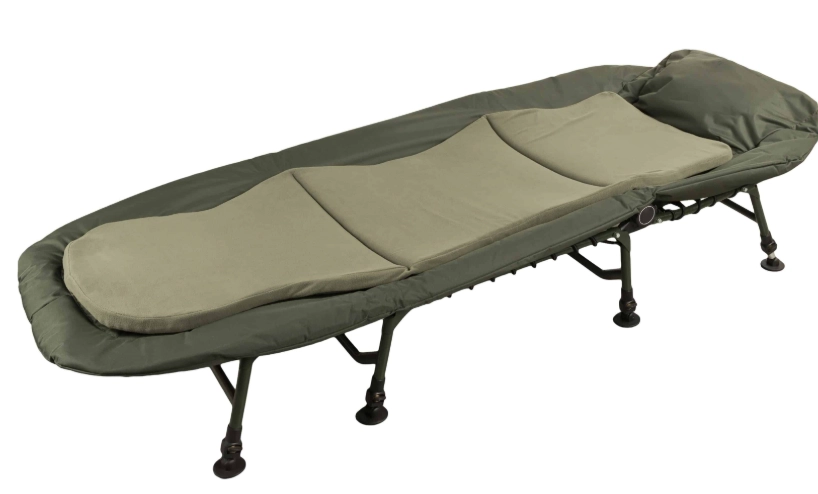
Answering Your Camping Mattress Cot Questions
Is a camping mattress cot comfortable for side sleepers?
How do I stop feeling cold on an elevated cot?
Can I use my regular sleeping pad on a camping cot?
What's the weight limit I should actually look for?
Are they really worth the money compared to a simple mat?
Look, camping is about connecting with nature, not battling discomfort. Aching joints and cold shoulders distract from that. A well-chosen camping mattress cot solves those problems. It's not just a piece of gear; it's a ticket to actually waking up refreshed, ready to hike that trail or enjoy that sunrise coffee.
Start with your camping style, be honest about your comfort needs, and use the checklist. Don't just buy the cheapest or the first one you see. A little research leads to years of better sleeps under the open sky. Trust me, your back will thank you.
Now, go find your perfect off-the-ground bed.