There's nothing quite like watching your kids' faces light up as they toast their first marshmallow over a campfire, or the quiet awe of spotting a deer at dawn. Family camping builds those stories. But let's be honest—picking the wrong spot can turn a dream trip into a stressful slog. A great family campground isn't just about pretty views; it's about bathrooms that don't scare the kids, activities that keep them engaged, and a vibe that lets parents relax too.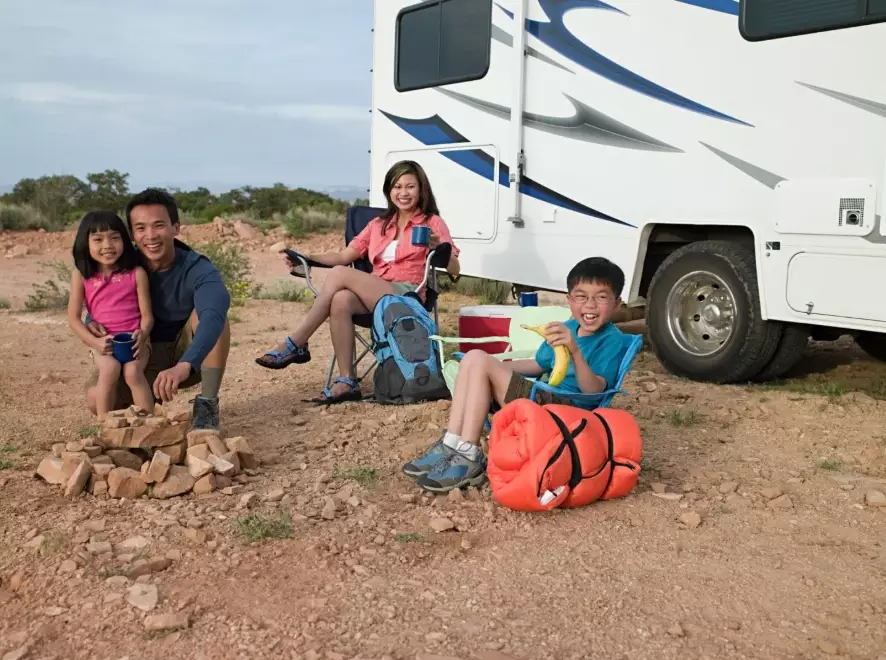
I've spent over a decade camping with my own family, from toddler tantrums in the tent to triumphant teenage-led hikes. The secret isn't finding the "best" campground in some abstract sense, but the right one for your family's unique stage and style. This guide cuts through the noise to show you real destinations that work, and more importantly, how to think about choosing them.
Your Quick Guide to This Article
How to Choose the Right Family Camping Destination
Forget just googling "family-friendly camping." You need a filter. The biggest mistake I see new camping families make is choosing a destination based on Instagram photos alone, without considering the logistics that make or break a trip with kids.
Ask yourself these three questions first:
- Kid Ages & Temperament: A toddler's needs (flat ground for toddling, proximity to naptime refuge) are worlds apart from a teenager's (Wi-Fi for socials, challenging hikes). A child who gets bored easily might need a campground with a structured activity program.
- Your Family's Travel Style: Are you rugged adventurers happy to hike a mile to a primitive site, or is this your first trip where a camp store for forgotten marshmallows is a safety net? Be real about your comfort zone.
- Budget & Booking Timeline: Popular national park sites sell out 6 months in advance. Spontaneous trip? Focus on first-come, first-served state parks or larger private campgrounds with more availability.
To make it visual, here's a breakdown of the main campground types and who they suit best: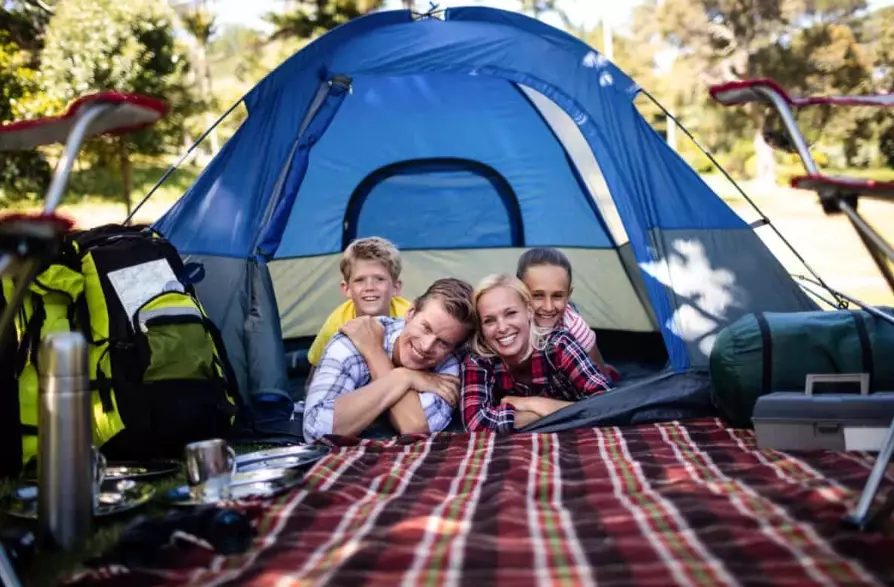
| Campground Type | Best For Families Who... | Typical Amenities | Booking Notes |
|---|---|---|---|
| National Parks | Want iconic scenery, ranger programs, and well-maintained infrastructure. Don't mind crowds or planning far ahead. | Flush toilets, potable water, fire rings, picnic tables. Sometimes showers (extra fee). | Book on Recreation.gov up to 6 months ahead. Highly competitive. |
| State Parks | Seek great value, diverse landscapes (beaches, forests, lakes), and often more space than national parks. | Varies widely. Often have flush toilets, water, some have rental cabins or yurts. | Book on state park websites. Timeline varies (3-12 months), some have good first-come sites. |
| Private/Franchise (KOA, Jellystone) | Prioritize amenities, activities, and convenience. Ideal for first-timers or those wanting a "resort" feel. | Full hookups, pools, playgrounds, game rooms, Wi-Fi, stores, planned activities. | Book directly via campground website. Usually more availability, even for last-minute trips. |
| Forest Service/BLM (Dispersed) | Have older kids, seek solitude and adventure, are self-sufficient and experienced in Leave No Trace. | None. True primitive camping. You pack everything in and out. | First-come, first-served. Free or low-cost. Requires research and self-reliance. |
My non-consensus tip? Don't be afraid to mix types on one trip. Maybe start with a night at a comfortable KOA to shake down gear and build confidence, then move to a more rustic state park. It eases everyone in.
Top National Park Destinations for Families
National parks are the classic choice for a reason. The scenery is unbeatable, and the Junior Ranger programs are a genius way to engage kids. But not all park campgrounds are created equal for families.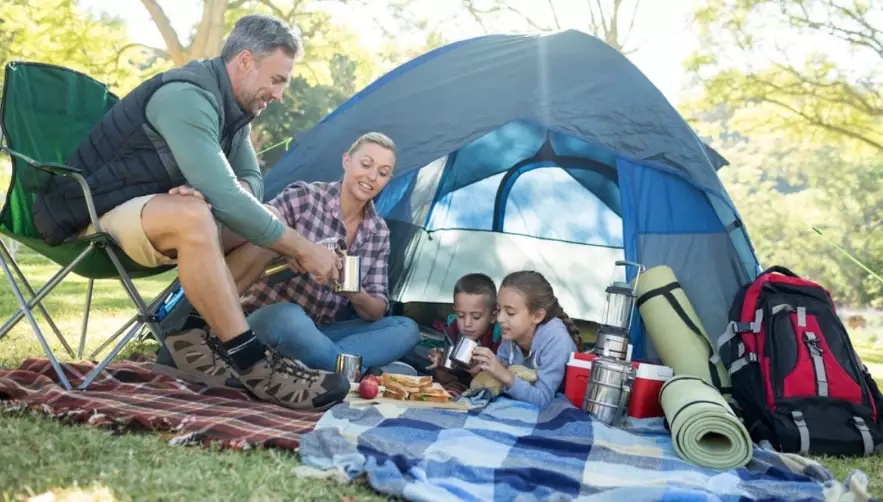
Yosemite National Park, California
Yosemite is pure magic, but the valley floor in summer is also pure chaos. For families, I recommend aiming for the Lower Pines or North Pines campgrounds if you can snag a reservation. They put you right in the heart of the valley, a flat, bike-friendly area with iconic views of Half Dome and Yosemite Falls right outside your tent flap.
Need-to-Know Details:
- Address/Area: Yosemite Valley, Yosemite National Park, CA.
- Booking: Recreation.gov. Reservations open on the 15th of each month, 5 months in advance at 8:00 AM PST. They sell out in minutes. Set a calendar alert.
- Best For: Families with kids who can bike or be in a stroller. The valley trails are paved and manageable.
- Family Activity Tip: Rent bikes at Curry Village. The car-free paths are a game-changer. The free ranger-led "Starry Night Skies" talk at Glacier Point (summer) is mesmerizing for all ages.
- My Take: It's crowded, yes. But the convenience of rolling out of bed and onto the trail to Mirror Lake outweighs the hustle for me. Just go in May or September if you can—July and August are intense.
Great Smoky Mountains National Park, Tennessee/North Carolina
This is the most visited national park, and its family-friendly reputation is earned. It's free to enter, has tons of wildlife (elk! black bears!), and the mountains feel ancient and cozy, not intimidating.
The Elkmont Campground is a fantastic base. It's large, feels deep in the forest, and is close to the popular Laurel Falls trail (a paved, moderate hike perfect for little legs) and the mesmerizing Cades Cove loop for wildlife viewing.
Need-to-Know Details:
- Address: 107 Park Headquarters Road, Gatlinburg, TN 37738.
- Booking: Also on Recreation.gov. Reservations are essential from May through October.
- Kid-Friendly Hike: The Cataract Falls trail near the campground is a short, easy 1.1-mile roundtrip to a cute waterfall—a great first hike.
- Proximity to Services: You're about a 30-minute drive from Gatlinburg, which has every grocery store, restaurant, and kitschy attraction imaginable. This is a huge plus if the weather turns or you need a break from camp cooking.
Booking Hack: For popular parks, if you can't get your ideal dates, check the reservation site religiously about 1-2 weeks before your desired trip. That's when cancellation penalties kick in and people start dropping spots. I've snagged Yosemite sites this way more than once.
State Park Gems Perfect for Kids
State parks are the unsung heroes of family camping. They're often less crowded, more affordable, and just as beautiful as their national cousins, with a focus on regional flavor.
Deception Pass State Park, Washington
This place has it all: old-growth forests, rugged cliffs, sandy beaches, and the jaw-dropping Deception Pass bridge. It's like three vacations in one. The Cranberry Lake campground area is particularly good for families, offering a more sheltered feeling than the windier beach sites.
Need-to-Know Details:
- Address: 41229 State Route 20, Oak Harbor, WA 98277.
- Booking: Washington State Parks website. Reservations open 9 months in advance and are a must for summer weekends.
- Campground Vibe: The sites are wooded and private. You can walk to the freshwater Cranberry Lake for swimming or paddling.
- Can't-Miss Activity: Walk across the Deception Pass bridge (hold little hands tight) for unforgettable views. At low tide, explore the tidepools at Rosario Beach.
- Price Point: Around $30-45 per night for a standard site, which is a steal for this location and quality.
Hunting Island State Park, South Carolina
Want a beach camping trip where you can literally fall asleep to the sound of waves? Hunting Island's oceanfront campsites are legendary. It's a more rustic, natural beach experience than the developed resorts nearby, with a historic lighthouse you can climb and miles of driftwood-strewn shore.
Need-to-Know Details:
- Address: 2555 Sea Island Pkwy, Hunting Island, SC 29920.
- Booking: South Carolina State Parks website. The oceanfront sites (like spots 40-60) book up the instant reservations open (11 months out).
- Be Aware: This is a true maritime forest. Bugs can be fierce in summer—pack serious repellent. The beach erosion is also dramatic, so the landscape changes yearly.
- Family Bonus: The nature center has touch tanks and programs, and the lagoon is great for beginner kayaking away from the ocean surf.
Private & Franchise Campgrounds: Stress-Free Comfort
Sometimes, you just want to know exactly what you're getting. Private campgrounds, especially franchises like KOA (Kampgrounds of America) or Jellystone Park, specialize in predictability and kid-centric fun. Purists might scoff, but when you have a 4-year-old, a clean pool and a Saturday morning pancake breakfast can feel like paradise.
KOA Journey/Holiday Campgrounds
Think of KOAs as the reliable chain hotel of camping. There are different "tiers": Journey (basic stopovers), Holiday (destination with amenities), and Resort (full-blown amenities). For a multi-day family trip, aim for a "Holiday" or "Resort."
Take the Santa Cruz / Monterey Bay KOA Holiday in California.
- Address: 1186 San Andreas Rd, Watsonville, CA 95076.
- Booking: Directly on the KOA website.
- What You Get: A heated pool, mini-golf, jumping pillow, bike rentals, and organized activities like movie nights. They have cabins if you're not ready to tent it, and the sites are big-rig friendly (which means easy pull-through for your minivan).
- Location Perk: It's a 20-minute drive to the Santa Cruz Beach Boardwalk and 30 minutes to the Monterey Bay Aquarium. You get the fun of the campground plus world-class day trips.
- The Trade-off: You're camping near other families, not in wilderness solitude. The sounds are kids laughing and bikes whizzing, not just birds. For many families, that's a feature, not a bug.
The hidden advantage of these places? They're fantastic for meeting other camping families. Kids make instant friends on the playground, and parents can swap stories and tips. It builds community.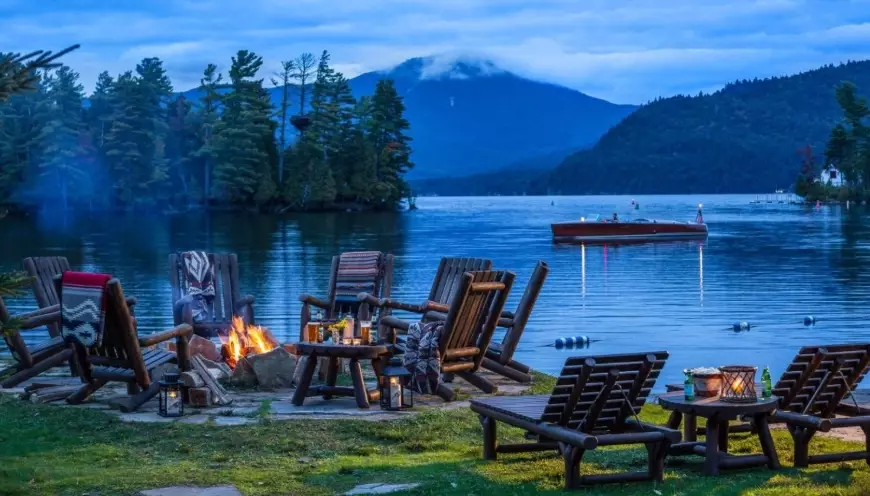
Practical Tips for a Successful Family Camping Trip
Destination is half the battle. The other half is execution. Here are field-tested tactics that go beyond the standard "bring a first-aid kit" advice.
Pack a "Kid Comfort Kit": Beyond clothes and sleeping bags, have a dedicated box with: headlamps for each child (they feel empowered and it prevents tripping), a favorite stuffed animal for bed, a small pack of wet wipes (always), and a surprise "rainy day" bag with a new card game or coloring book. This box stays accessible, not buried.
Embrace the Picnic Table: The campsite picnic table is your kitchen, dining room, and craft station. Bring a vinyl tablecloth and binder clips to secure it. Instant clean surface. I also pack a small plastic caddy to hold spices, utensils, and soap—it keeps the table organized and can be carried to the water spigot.
Food Strategy: Keep meals stupid simple. Foil packet dinners (chicken, potatoes, veggies) cooked on the coals are easy and fun. Pre-make and freeze chili or pasta sauce—it acts as extra ice in the cooler and is an easy heat-and-eat meal. For breakfast, instant oatmeal packets and fruit are zero-fuss.
The First Night Rule: Always plan to arrive with enough daylight to set up camp and eat dinner before dark. Trying to pitch a tent for the first time with headlamps and hungry kids is a recipe for meltdowns (yours included).
Involve Them in the Rhythm: Give kids campground jobs: collecting kindling (with rules on size), pumping water, holding the tent pole. It gives them ownership. Let them pick one short hike or activity. Their buy-in is crucial.
Your Family Camping Questions, Answered
How do I keep my kids entertained on a rainy camping day?
What's the most overlooked essential for first-time camping with a toddler?
Are private campgrounds like KOA "real" camping, or are we cheating?
 The perfect family camping destination is out there. It might be under the giant trees of a national park, on the sandy edge of a state beach, or at a campground with a silly weekend pirate party. The common thread isn't the amenities list—it's a place that matches your family's pace and sparks a sense of wonder. Start with one of the spots here, use the tips to smooth the edges, and go make some noise in the great outdoors. Those marshmallows aren't going to toast themselves.