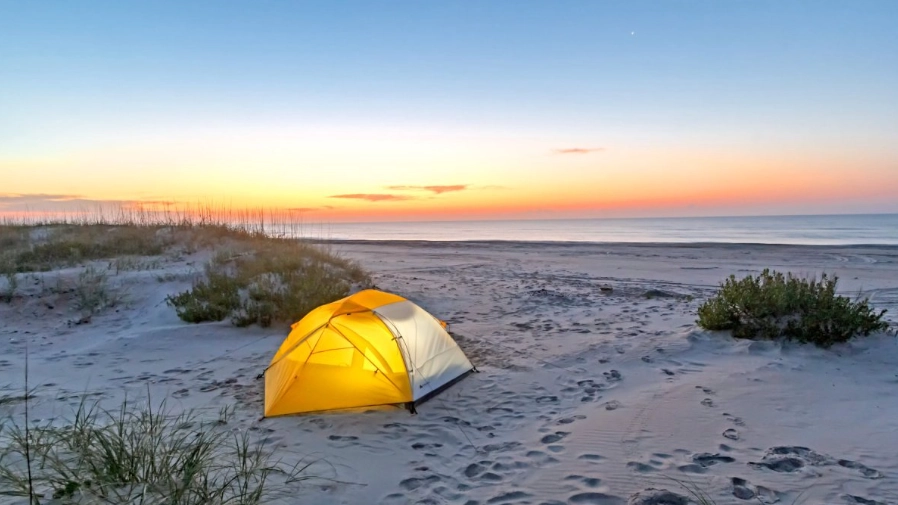
You've seen the photos. Waking up to the sound of waves, brewing coffee as the sun rises over the water, the whole beach seemingly to yourself. Beach camping promises that magic. But here's the truth most glossy articles don't mention: it can also be a gritty, windy, sand-in-everything ordeal if you're not prepared. I learned this the hard way years ago on a trip to Big Sur, where my beautiful ocean-view tent site turned into a damp, salty wind tunnel by midnight.
This guide isn't just another list of pretty spots. It's the manual I wish I'd had. We'll move past the dream and into the practical: how to actually find and book those elusive beachfront sites, what gear truly matters (and what's overhyped), and the subtle mistakes that separate a memorable adventure from a miserable one.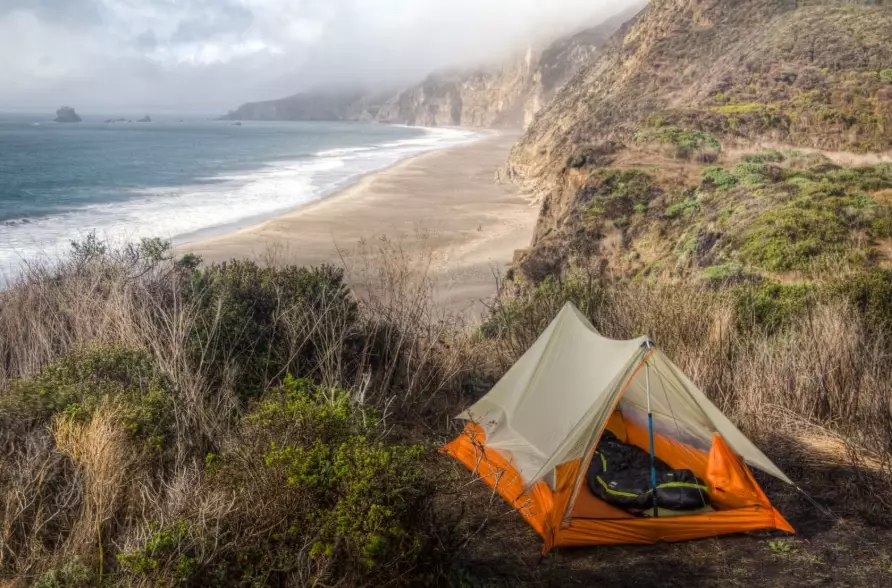
What's Inside This Guide
- How to Find the Perfect Beach Camping Site
- Essential Gear for Beach Camping (Beyond the Tent) - The Sand-Free Tent System
- A Look at Top Beach Camping Sites in the USA
- Planning & Logistics: Rules, Reservations, and Etiquette
- Expert Tips for Your First Beach Camping Trip
- Your Beach Camping Questions Answered
How to Find the Perfect Beach Camping Site
Forget just searching "beach camping near me." The best sites are hidden behind specific terms and managed by different agencies. Your search strategy is everything.
Start with the type of experience you want. Are you looking for a drive-in campground with hot showers and a camp store, or a remote hike-in spot where you'll be truly alone? This decides where you look.
- State Parks & National Parks: These often have the most iconic, well-maintained coastal campgrounds. Think California State Parks (like those in Big Sur), Florida State Parks (like Bahia Honda), or National Seashores (like Cape Hatteras or Point Reyes). Amenities vary, but reservations are competitive. Use Recreation.gov for federal sites and state-specific park reservation portals.
- Bureau of Land Management (BLM) & National Forests: This is where you find more rustic, often less crowded options, particularly on the West Coast. Dispersed camping might be allowed on some beaches, but always verify current regulations. The BLM website is your best friend here.
- County & Regional Parks: Don't overlook these! Local park districts often manage fantastic beachfront campgrounds that fly under the national radar. They can be gems with easier booking windows.
Pro Search Tip: Instead of just "beach camping," use these LSI keywords in your searches: "oceanfront campground," "coastal tent camping," "beachfront RV sites," "dunes camping," or "walk-to-beach campsites." Mix and match with your desired location (e.g., "Oregon coast walk-to-beach campsites").
Decoding the Campsite Description
"Ocean view" does not mean "oceanfront." A site with a "partial glimpse of water through trees" is very different from "steps from the sand." Read the descriptions and look at the map closely.
Here’s what I prioritize, in order:
- Protection from Wind: Is there a natural windbreak like a dune, bluff, or trees between the site and the open water?
- Ground Surface: Is it sand, grass, or a gravel pad? Sand is softer but harder to stake in and gets everywhere.
- Proximity to High Tide Line: Check tide charts for the area. A site that's 100 feet back is safer and drier than one that's 30 feet back.
- Then, the View: The view is the bonus, not the primary feature for a good night's sleep.
Essential Gear for Beach Camping (Beyond the Tent)
You know you need a tent, sleeping bag, and cooler. Let's talk about the specialized stuff that addresses the unique beach environment: wind, sand, salt, and sun.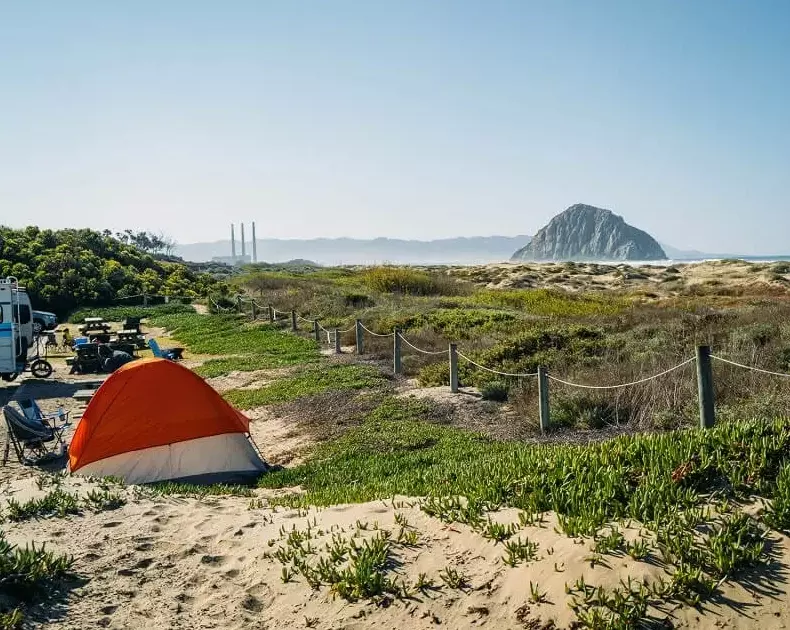
Wind & Anchor System: Standard tent stakes are useless in loose sand. You need sand stakes or deadman anchors (like burying a stuff sack filled with sand tied to your guyline). Bring more guylines than your tent includes. A sturdy mallet is non-negotiable.
Sun & Rain Protection: A standalone canopy or large tarp with poles is arguably more important than your tent. This creates a shaded, dry living area outside your tent, protecting it from UV degradation and giving you a sand-managed zone.
The Sand Management Kit:
A heavy-duty doormat (the kind with stiff bristles).
A small hand broom and dustpan dedicated to the tent.
Multiple five-gallon buckets with lids. These are for washing sandy feet, carrying gear, and storing things off the ground. Versatile and cheap.
The Sand-Free Tent System (As Much As Possible)
This is my personal non-negotiable setup, born of frustration:
- Set up your main sleeping tent.
- Immediately set up a larger shade tent or tarp over it or immediately adjacent to create a vestibule.
- Place the coarse doormat at the entrance of this outer zone.
- The rule: No shoes past the doormat. Everything gets brushed off. The outer zone takes the brunt of the sand.
This two-layer system reduces the sand inside your sleeping area by about 90%. Trust me.
A Look at Top Beach Camping Sites in the USA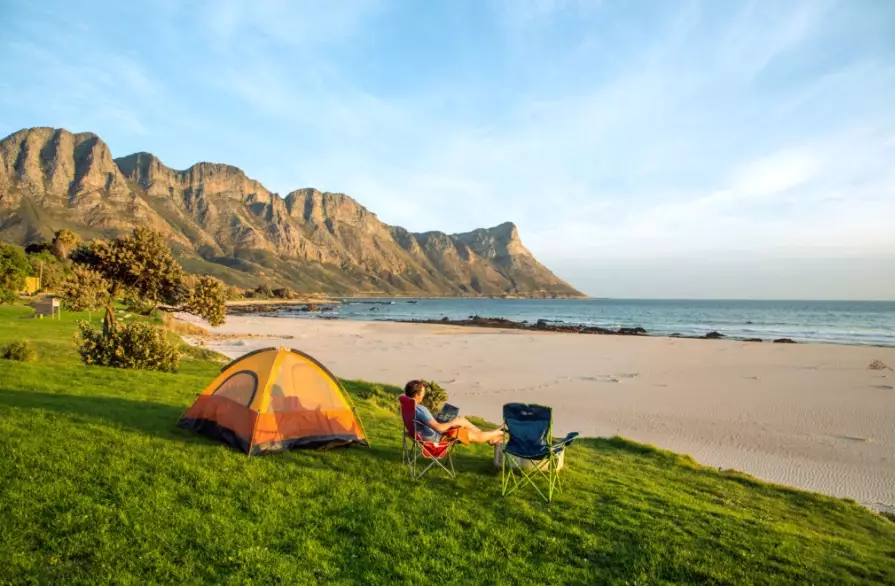
To give you a concrete idea, here are three distinct examples of fantastic beach camping sites, each offering a different flavor. This isn't just a list; it's a breakdown of what makes each one work.
1. Kirk Creek Campground, Big Sur, California (Los Padres National Forest)
Address: Highway 1, Big Sur, CA 93920. Sites are literally on a bluff 100 feet above the Pacific.
The Vibe: Dramatic, iconic California coast. No direct beach access from camp (a steep trail leads down), but the views are unbeatable.
Key Details: No hookups, no showers. Pit toilets only. This is about the view and the sound. Extremely windy—your anchoring system will be tested. Bookable via Recreation.gov. Opens 6 months in advance; sells out instantly for summer.
My Take: It's stunning, but not for beginners. The wind and exposure are real. Come prepared for rustic conditions and you'll be rewarded.
2. Bahia Honda State Park, Florida Keys
Address: 36850 Overseas Hwy, Big Pine Key, FL 33043.
The Vibe: Tropical paradise with calm, clear water and sandy beaches right from your site.
Key Details: Some sites are right on the sand (like the famed Sandspur area). Full amenities: restrooms, showers, a camp store, kayak rentals. Mosquitoes can be fierce; bring a screened canopy. Reservations through the Florida State Parks reservation system 11 months in advance. Competition is fierce.
My Take: This is beach camping with training wheels—in the best way. Great for families or those who want comfort with their ocean views.
3. Cape Lookout National Seashore, North Carolina (Long Point Cabins & Camps)
Address: Access is by ferry from Harkers Island or Davis, NC.
The Vibe: Remote, wild, and vehicle-accessible on the beach itself (4x4 required for most areas).
Key Details: This is true beachfront camping where you can drive and camp on the sand in designated areas (with a permit). Primitive camping: no facilities, pack in/pack out everything. You must bring your own water and manage all waste. Permits and ferry info are on the National Park Service site.
My Take: For the adventurous and self-sufficient. The logistics are more complex, but the reward is unparalleled solitude on a massive, undeveloped shore.
Planning & Logistics: Rules, Reservations, and Etiquette
This is where trips fall apart. Beach ecosystems are fragile, and rules are strict for a reason.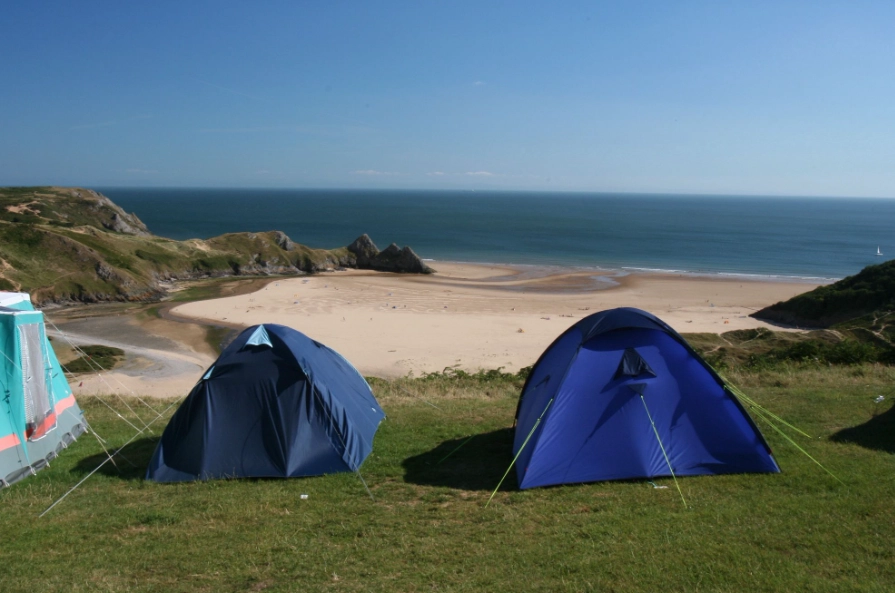
The Reservation Race: For popular spots, you must know the booking window. It might be 6 months at 8 AM PST, or 12 months at midnight EST. Set an alarm. Have your account created, payment info saved, and backup site choices ready.
Critical Rules to Check:
Fire Regulations: Beach fires are often prohibited or restricted to provided rings. Never assume you can dig a pit. Driftwood collection may also be illegal.
Food Storage: In many coastal areas, raccoons are clever, and foxes are bold. Use animal-proof lockers (provided) or a hard-sided cooler you can secure in your vehicle. Never leave food out.
Tide & Wash Risks: Know the tide schedule. Never set up below the high tide line. A rogue wave can come in faster than you think.
Leave No Trace: This is paramount. Pack out all trash, including micro-trash like bottle caps and twist ties. Disturb dunes as little as possible—they are vital habitat and storm protection.
Expert Tips for Your First Beach Camping Trip
Here’s the condensed wisdom from a decade of salty, sandy nights:
- Embrace the Damp: Coastal air is humid. Your tent, shoes, and gear will feel damp in the morning. A small microfiber towel to wipe down surfaces and shaking out your sleeping bag in the sun helps.
- Zipper Maintenance: Sand is the enemy of zippers. Keep them clean. A tiny brush (like a paintbrush) can help clear grit before it jams.
- Lighting Matters: Solar-powered string lights or lanterns are great. Avoid bright white lights that kill night vision and attract bugs. Red light mode is your friend.
- The “One More Layer” Rule: Even in summer, coastal nights can get chilly with the breeze. Bring a warmer sleeping bag or more layers than you think you need.
- Go Beyond the Campground: The beach is your front yard. Plan activities: tidepooling at low tide, beachcombing at dawn, stargazing on a clear night (minimal light pollution).
Beach camping isn't just a place to sleep; it's a full-sensory immersion. A little grit is part of the deal, but with the right preparation, it won't be in your toothbrush.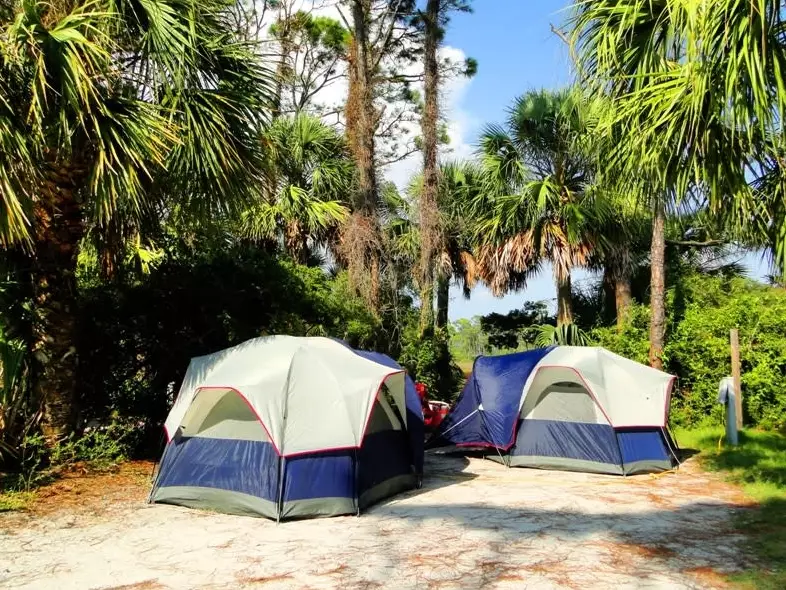
Your Beach Camping Questions Answered
What is the biggest mistake first-timers make when choosing a beach camping site?
Is a regular tent okay for beach camping, or do I need a special one?
 How far in advance do I need to book popular oceanfront campgrounds?
What's one piece of gear most lists forget for a beach campsite?