I remember my first multi-day backpacking trip clearly. I packed out all my trash, felt pretty good about myself, and then got home to realize my "recycling" bag was a contaminated mess of half-rinsed tuna cans, sticky plastic wrappers, and a paper towel covered in dirt. It all went straight to the landfill. That's when it hit me: camping recycling isn't just a feel-good afterthought. It's a system you need to plan for, just like your meals or your route. Done wrong, it's pointless. Done right, it significantly cuts your impact and makes post-trip cleanup a breeze. Let's ditch the vague advice and build a practical, no-nonsense system for managing waste in the wild.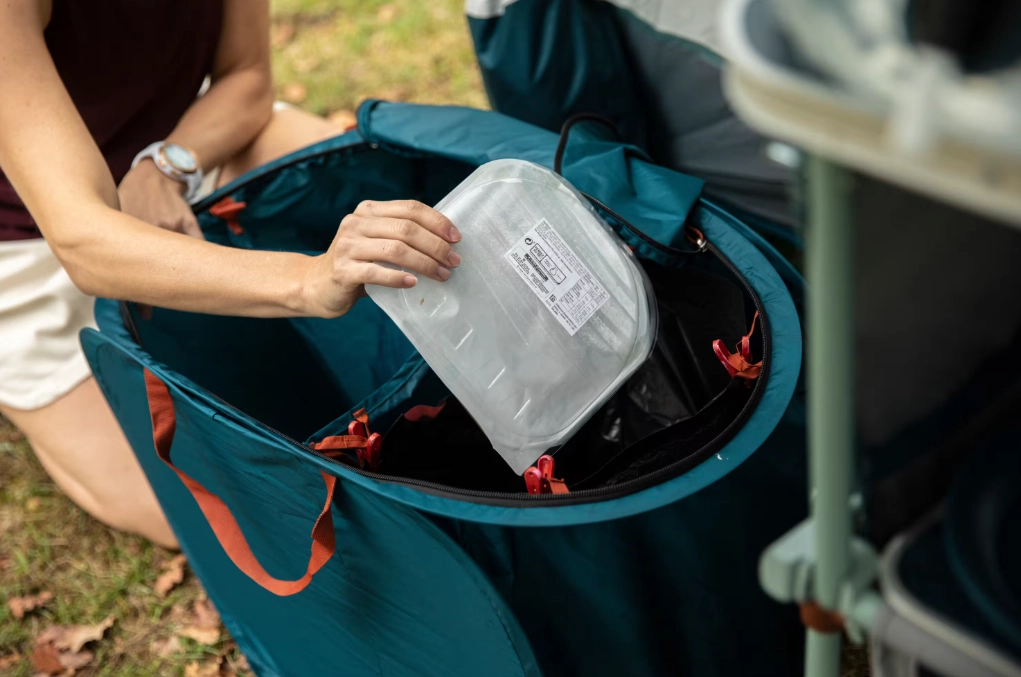
What You'll Learn in This Guide
- Beyond "Pack It Out": The Real Meaning of Camping Recycling
- How to Set Up Your Camp Kitchen Recycling Station
- The Tricky Items Guide: Food Scraps, Hygiene Products & Fuel
- 3 Common Camping Recycling Mistakes (And How to Fix Them)
- Reuse Before You Recycle: Extending the Life of Your Camping Gear
- Your Camping Recycling Questions, Answered
Beyond "Pack It Out": The Real Meaning of Camping Recycling
Most articles stop at "pack it out," which is the bare minimum. True camping recycling integrates the full Leave No Trace principle of "Dispose of Waste Properly" but applies the "Reduce, Reuse, Recycle" hierarchy to your entire trip. Think of it in three layers:
Layer 1: Reduce (The Most Important). This happens at home, during packing. Can you repackage food into reusable containers instead of single-serve wrappers? Can you choose a bar soap over bottled body wash? Every item you don't bring is an item you don't have to manage later.
Layer 2: Reuse & Repurpose. At camp. That zip-top bag from your trail mix? It's now your trash bag for the day. The water from rinsing your bowl? Use it to douse your campfire ashes (once completely cold!).
Layer 3: Recycle & Dispose. The final step. This is where a clear sorting system comes in, ensuring what can be recycled actually gets recycled, and what's trash is contained properly.
Ignoring the first two layers puts all the pressure on the third, making it messy and inefficient. The goal isn't just to haul garbage home; it's to generate as little of it as possible and handle the remainder intelligently.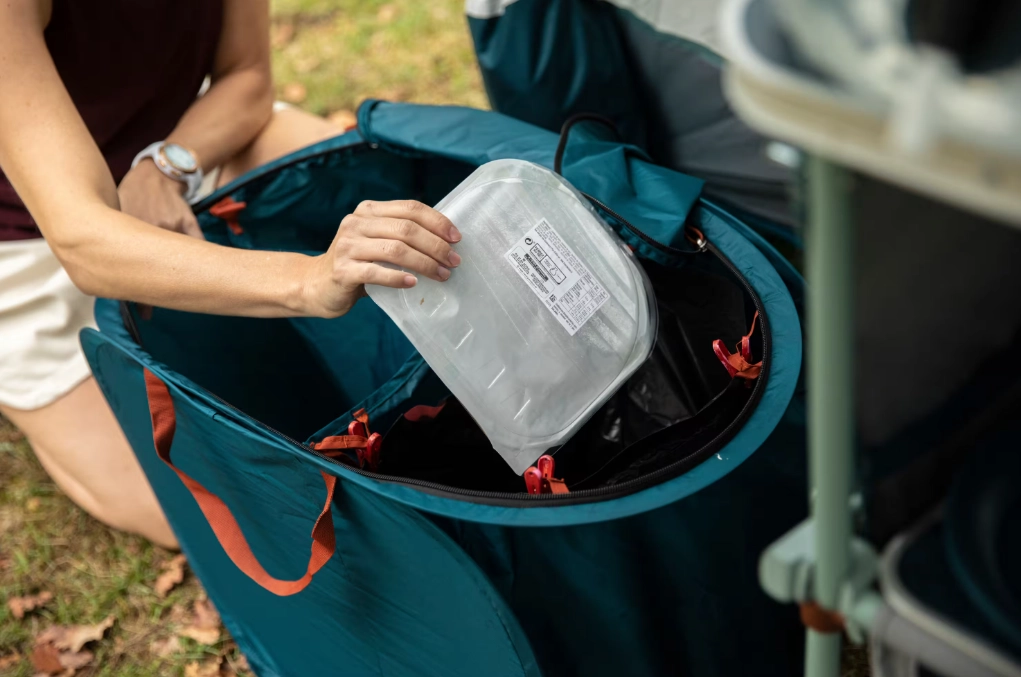
How to Set Up Your Camp Kitchen Recycling Station
Chaos leads to contamination. Set up a simple, dedicated waste zone about 10 meters downwind of your cooking and sleeping area. Here's a kit that works for car camping and can be adapted for backpacking with lighter bags.
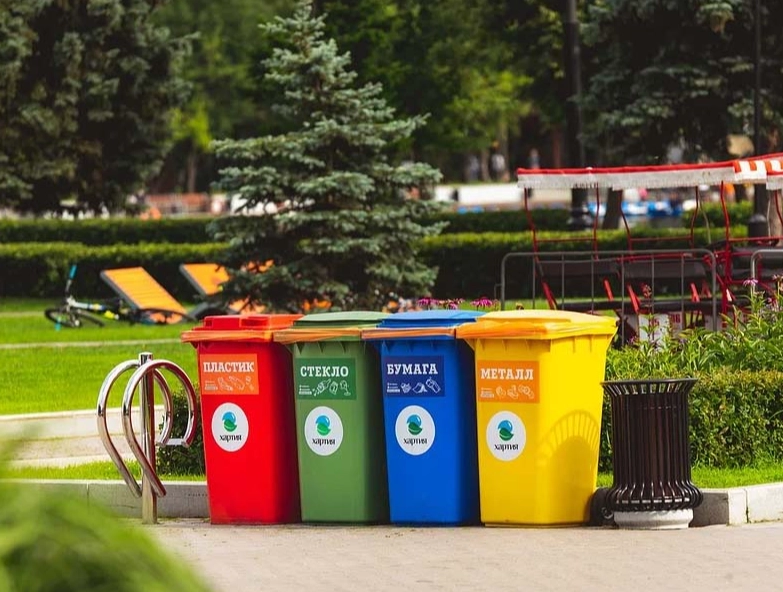
The 3-Bag (or Can) System:
- Bag 1: Clean Recyclables. This is for rinsed metal cans (beans, tuna), clean aluminum foil, and plastic bottles #1 & #2. Key: Rinse at the water source before putting them in.
- Bag 2: Non-Recyclable Trash. This is for plastic wrappers, chip bags, used wet wipes, and anything soiled with food that can't be cleaned. Use a sturdy bag and tie it shut at night.
- Bag 3: Compostables/Food Waste. A smaller bag for apple cores, banana peels, coffee grounds. Critical note: Only pack these out if you're in bear country or an area where scattering is prohibited. In many backcountry areas, you can scatter small amounts of fruit and vegetable scraps widely away from camp and trails.
The Tricky Items Guide: Food Scraps, Hygiene Products & Fuel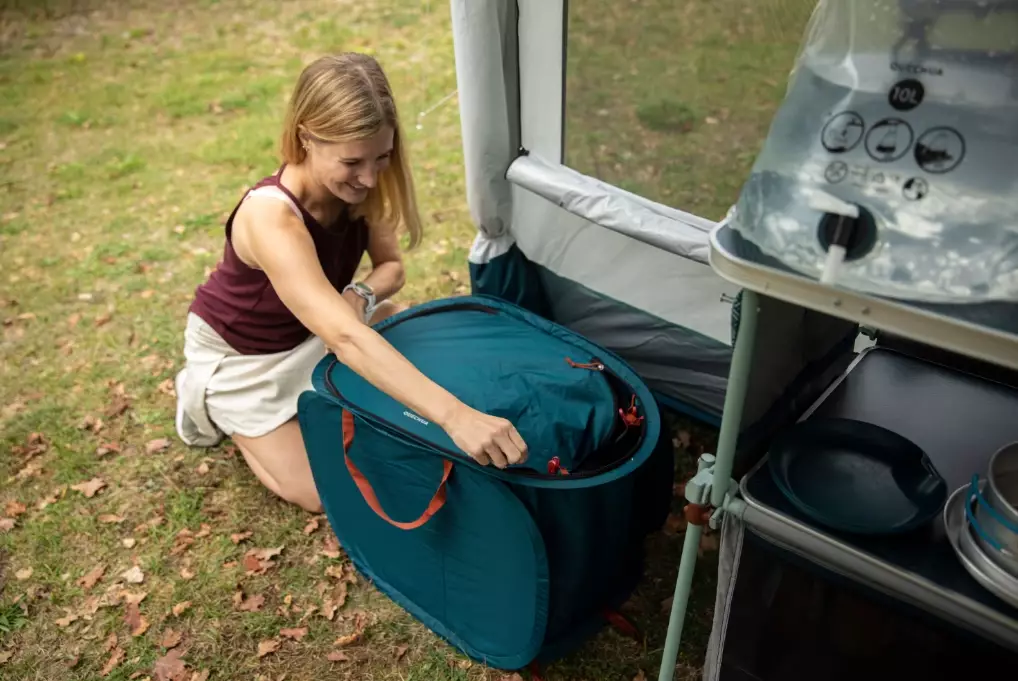
This is where most systems break down. Let's get specific.
| Item | Category | How to Handle It at Camp | Disposal/Recycling Back Home |
|---|---|---|---|
| Used Cooking Grease/Oil | Hazardous Waste | Let it cool completely. Pour into a small, sturdy, leak-proof container you brought for this purpose (an old plastic bottle). Never pour on ground or into water. | Take to a household hazardous waste (HHW) collection facility. Do not pour down any drain. |
| Empty Fuel Canister (Isobutane) | Special Recycling | Ensure it's fully empty by attaching your stove and burning until flame dies. Puncture it with a canister punch tool to prove it's empty for transport. | Check with local HHW or metal recyclers. Some outdoor retailers like REI have take-back programs. |
| Biodegradable Wet Wipes | Trash | Treat as regular trash. "Biodegradable" only works in industrial composting facilities, not in nature. They do not decompose quickly in a landfill pack-out bag. | Landfill. Do not flush. |
| Glass Bottles | Recycle (Heavy!) | Best avoided. If you have one, rinse and pack with extreme care to avoid breakage. The weight and risk often aren't worth it. | Standard curbside recycling if intact. |
| Paper Towels/Napkins with Food | Trash or Burn* | If slightly soiled, they can be completely burned in a hot campfire (*where fires are permitted and safe). Greasy or heavily soiled paper goes in the trash bag. | Landfill. Food contamination makes them non-recyclable. |
3 Common Camping Recycling Mistakes (And How to Fix Them)
After guiding trips for years, I see the same errors repeatedly.
Mistake 1: The "Everything Bag." Tossing all waste into one sack. At the end of the trip, it's a smelly, un-recyclable mess. Fix: Commit to the 3-bag system from the moment you generate waste. It takes two seconds to drop a rinsed can into the right bag.
Mistake 2: Not Checking Local Rules. Assuming your hometown recycling rules apply everywhere. Fix: A quick web search for "[Park Name] recycling guidelines" or a call to the ranger station before you go is crucial. Some remote parks have no recycling facilities, so you must be prepared to haul everything home. The Leave No Trace Center for Outdoor Ethics is a great resource for foundational principles.
Mistake 3: Forgetting About Micro-Trash. Those tiny bits of plastic from a torn wrapper, a twist tie, or a bottle label. They're easy to drop and ignore. Fix: Do a daily "micro-trash sweep" of your camp area. Run your hand over the ground where you cooked and packed. Those small pieces are just as harmful to wildlife as big ones.
Reuse Before You Recycle: Extending the Life of Your Camping Gear
Recycling is the last resort for gear. First, try to keep it out of the waste stream entirely.
Got a tent with a broken pole? Don't junk the whole tent. Companies like Tent Pole Technologies sell replacement sections. A leaky sleeping pad? Many brands offer patch kits, and some, like Therm-a-Rest, have excellent repair programs. Worn-out hiking socks? Cut them up for reusable cleaning rags for your camp kitchen.
Before a trip, I do a gear audit. I clean and re-waterproof my rain jacket instead of buying a new one. I repair loose stitching on my backpack. This isn't just frugal; it's the core of sustainable camping. The most eco-friendly piece of gear is the one you already own.
And when gear is truly beyond repair, look for specialized recycling. Some companies, like Patagonia (through their Worn Wear program) and The North Face, take back their own worn-out garments for recycling into new materials.
Your Camping Recycling Questions, Answered
What's the best way to deal with leftover pasta water or dishwater with food bits?
Strain it. Use a fine mesh strainer or even a bandana over your sink bucket to catch all solid food particles. Those solids go in your trash or compost bag. The strained grey water can then be scattered widely over bare soil, at least 70 big steps (about 200 feet) from any water source, camp, or trail. This allows soil to filter it naturally. Never dump soapy or food-laden water directly into a lake or stream.
Is it okay to burn my trash in the campfire to avoid packing it out?
Almost never. Burning plastic releases toxic fumes into the air you and others are breathing. It also rarely burns completely, leaving melted plastic residue and foil bits in your fire pit for the next camper. Food scraps like orange peels and nut shells burn poorly and create smoldering, smelly fires. The rule is simple: if you packed it in, pack it out. Fire is for warmth and ambiance, not waste disposal.
 How do I handle recycling on a long backpacking trip where I'll be days from a proper bin?
Compress and contain. Rinse and crush aluminum cans and plastic bottles flat. This saves massive space in your pack. Designate one side pocket or the very top of your pack for your clean recyclables bag so it's easy to access and doesn't get crushed by other gear. For a two-week trip, the weight of a few crushed cans is negligible compared to the environmental cost of tossing them in with trash. The key is maintaining the discipline to keep them clean and separate, even on day 10 when you're tired.
My camping buddies think this is all overkill. How do I get them on board without being the "eco-preacher"?
Lead by example, not lecture. Set up the 3-bag system casually when you make camp. When you finish a can of beans, walk to the water, rinse it, crush it, and drop it in the blue bag without making a speech. Often, others will just naturally start using the system because it's there and it's logical. If they ask, explain the practical benefit: "It keeps the smell down in the main trash bag" or "Makes unpacking the car back home way faster." Framing it as a convenience hack rather than a moral duty is often more effective.