In This Guide
You're staring at your dog, who's staring at you with those "don't you dare leave me" eyes. The tent is packed, the car is half-loaded, and that big question is bouncing around your head: is it a good idea to take dogs camping?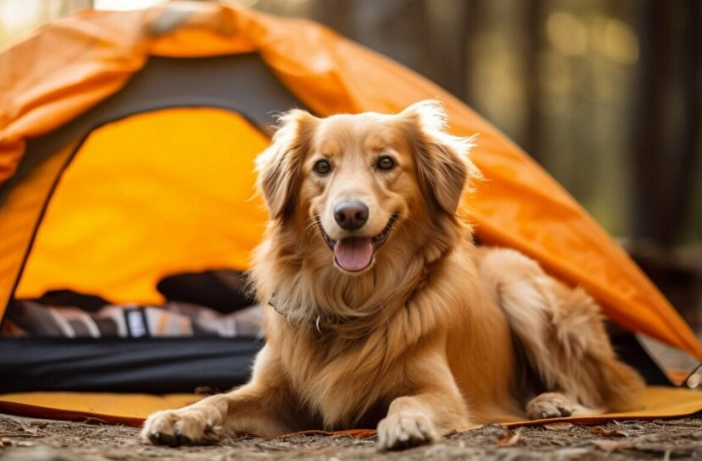
Honestly, it's not a simple yes or no. For some people and some pups, it's the best adventure you'll ever have. For others, it can be a stressful, muddy nightmare. I've been on both sides of that coin. My first time camping with my anxious terrier mix, Max, was... educational. Let's just say more time was spent calming him down than enjoying the campfire. But with my current, more easygoing lab, it's pure joy.
So, let's ditch the generic advice and talk about the real stuff. This isn't just about throwing a dog in a car and heading to the woods. It's about making a smart decision for you and your four-legged family member. We'll walk through what you need to consider before you go, what you absolutely must do while you're there, and how to handle the aftermath. By the end, you'll know if taking your dog camping is a brilliant idea or one you should maybe reconsider.
The Big Decision: Is YOUR Dog a Camper?
This is the most important part. Asking "is it a good idea to take dogs camping?" in general is useless. You need to ask if it's a good idea for YOUR specific dog. Here's how to figure that out.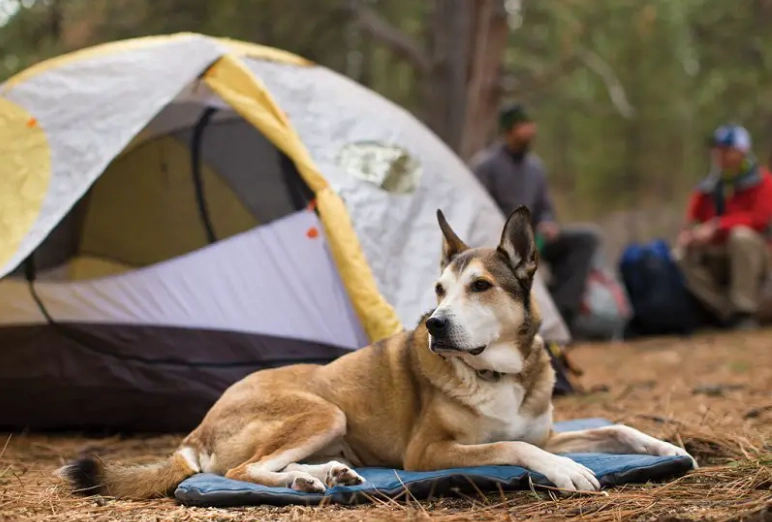
Your Dog's Personality and Temperament
Some dogs are born for the outdoors. Others are couch connoisseurs. Be brutally honest with yourself.
- The Adventurer: Loves new smells, is confident in unfamiliar settings, recovers quickly from surprises (like a deer running past). This dog will likely thrive.
- The Anxious Soul: Gets nervous on car rides, barks at unfamiliar sounds, sticks to you like glue in new places. Camping might be overwhelming. My Max fell here.
- The Hunter/Chaser: Has a high prey drive for squirrels, rabbits, birds. This requires extreme vigilance and likely a long leash at all times in unfenced areas.
- The Social Butterfly or Grump: How does your dog react to other people and dogs? Campgrounds often have both in close quarters.
A quick test? Try a long, leashed hike in a somewhat busy natural area first. See how they handle it.
Health and Physical Condition
This seems obvious, but we often overlook it. A weekend of hiking and exploring is demanding.
Is your dog up-to-date on all vaccinations? The American Veterinary Medical Association (AVMA) stresses the importance of core vaccines, especially when traveling. Rabies tags should be on their collar, no question.
What about flea, tick, and heartworm prevention? Ticks are no joke in the woods. You need a solid, vet-recommended preventative. I learned this the hard way after finding a tick on my dog's eyelid. Not fun.
Consider their age and joints. A senior dog with arthritis might struggle with uneven ground and a thin sleeping pad. A brachycephalic (short-nosed) breed like a pug or bulldog can have serious trouble regulating temperature and breathing if it's too hot or the hiking is too strenuous.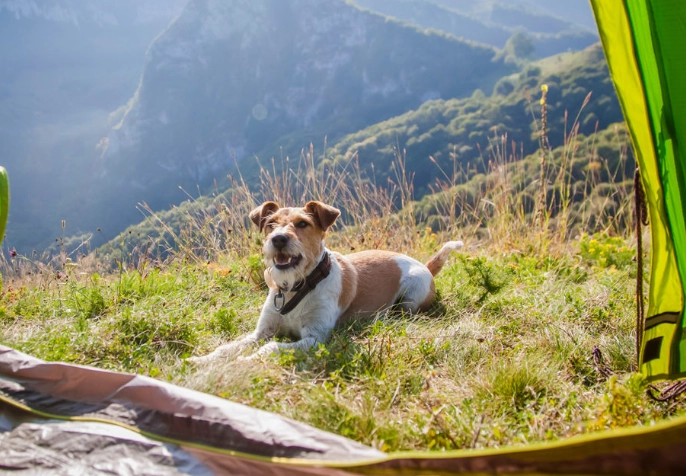
Training Level (The Non-Negotiables)
You don't need a trick champion, but you do need rock-solid basics for safety.
They should also be comfortable being tethered or in a portable crate at the campsite. You can't hold their leash every second while you're cooking or setting up the tent.
And let's talk about barking. A few alert barks are normal. Constant, reactive barking at every neighboring camper will ruin your trip and everyone else's. It's a surefire way to get complaints and make the whole idea of taking dogs camping look bad for everyone.
Gearing Up: What You Actually Need (And What You Don’t)
Forget the fancy Instagram setups. Here's the practical gear list that matters. I've organized it by priority because you don't need to buy everything at once.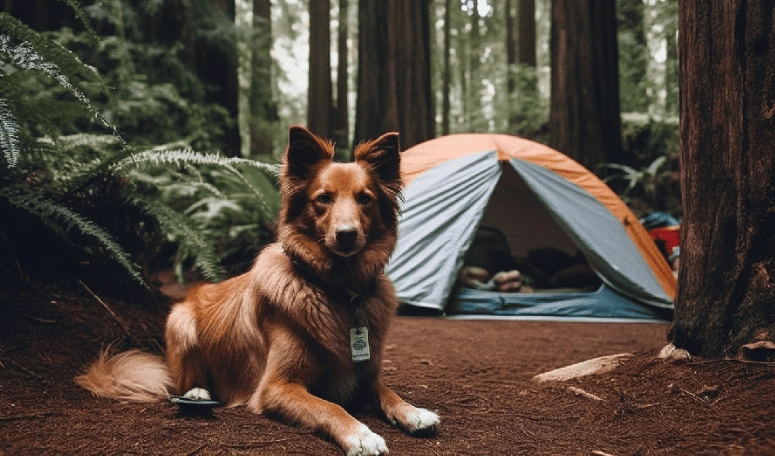
| Item | Category | Why It's Essential & Notes |
|---|---|---|
| Sturdy Leash (6-ft) & Long Line (15-30 ft) | Safety & Control | The short leash is for walks near roads/crowds. The long line gives them exploring freedom at the site while you're still in control. Never off-leash in an unsecured area. |
| Well-Fitted Harness or Collar with ID | Safety | A harness is often safer for active dogs. Tags MUST have your cell number, not just your home phone. Consider a microchip as a backup. |
| Portable Water & Bowl | Health | Never assume natural water sources are safe. Giardia and other parasites are real. Bring more water than you think you need. |
| Dog First-Aid Kit | Health | Tailor it: tweezers for ticks, vet wrap, antiseptic wipes, paw balm, any regular meds. Know basic first aid. |
| Comfortable Sleeping Setup | Comfort | A closed-cell foam pad or a dedicated dog sleeping bag. Don't make them sleep on the cold, hard ground. Bring their familiar blanket. |
| High-Value Treats & Regular Food | Nutrition | Pack extra food—they'll burn more calories. Use smelly, amazing treats for recalls and rewarding calm behavior. |
| Poop Bags & Trowel (for backcountry) | Etiquette | Pack it in, pack it out. Always. No one wants to find your dog's mess. Follow Leave No Trace principles. |
| Light-Up Collar or Clip | Safety | For nighttime. Lets you see where your black dog is in the dark around the fire. A simple, cheap lifesaver. |
| Dog Towel & Brush | Clean-up | Mud, sand, water, burrs. You will need these. A dedicated microfiber towel is a game-changer. |
| Portable Crate or Tethered Stake | Control | Gives them (and you) a safe, defined space to relax. A ground stake with a tie-out cable works for many dogs. |
You can add fun stuff later—doggy backpack, life jacket for canoe trips—but nail this list first.
Choosing the Right Spot: Not All Campgrounds Are Created Equal
This can make or break your trip. Doing your homework here is key to answering is it a good idea to take dogs camping at a specific place.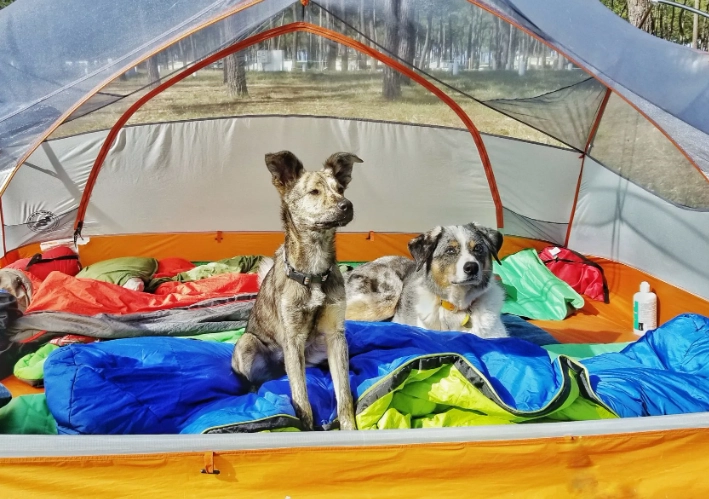
Always, always check the rules before you book. Look beyond the "pets allowed" checkmark.
- Leash Rules: Most public campgrounds (like those run by the National Park Service or US Forest Service) have a strict 6-foot leash rule at all times. No exceptions.
- Breed or Size Restrictions: Some private campgrounds have them. Know before you go.
- Are There Designated Dog Areas or Trails? Some parks prohibit dogs on certain trails to protect wildlife. Respect these rules.
- What's the Environment? Is it a rocky, exposed area with little shade? Is there a lake or stream for them to cool off? Are there known dangers like porcupines, rattlesnakes, or thick patches of foxtails (those nasty grass seeds that burrow into skin)?
I personally lean towards state forests or Bureau of Land Management (BLM) land over crowded national park campgrounds for dog trips. They often have more space and slightly more flexibility, but the rules still apply.
The Camping Trip Itself: A Play-by-Play
Setting Up Camp
First thing: set up their "home base." Attach the long line to a sturdy tree or your car's tow hitch (not a door handle!), and give them their bed or pad. This is their safe zone. It helps them understand the boundaries and relax.
Do a quick safety sweep of your site. Look for broken glass, old food scraps, fishing hooks, mushrooms, or anything else they might try to eat. Dogs are curious, and the woods are full of interesting, dangerous snacks.
Hiking and Exploring
Keep them on that short leash on trails. It's for their safety (cliffs, wildlife) and for the safety of others (not everyone loves dogs, and some are fearful).
Take frequent water breaks. Offer water even if they don't seem thirsty. Watch for signs of overheating: excessive panting, bright red gums, lethargy. Paw check often for cuts, cracks, or lodged debris.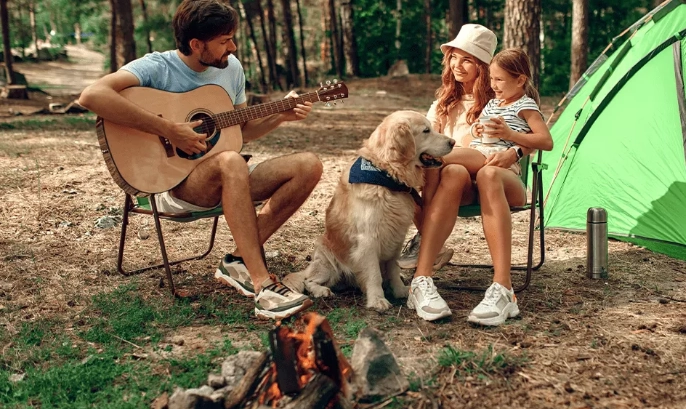
What about wildlife encounters?
This is a major concern. Teach yourself what to do. Generally, keep your dog close and calm, back away slowly from animals like bears or moose. Do NOT let your dog chase. It can trigger a deadly attack. A dog running back to you with an angry bear behind it is the worst-case scenario.
Campsite Life and Etiquette
This is where being a good ambassador matters. Keep your dog's barking in check. If they start up, figure out why (are they tied up and frustrated?) and address it. A tired dog is a quiet dog, so plenty of exercise helps.
Always ask before letting your dog approach another person or dog. "Is it okay if my dog says hello?" goes a long way.
Store your dog food exactly like you store your human food—in a bear-proof container or locked in your car. You don't want to attract wildlife to your tent.
Coming Home: The Aftermath
The trip isn't over when you pull into your driveway.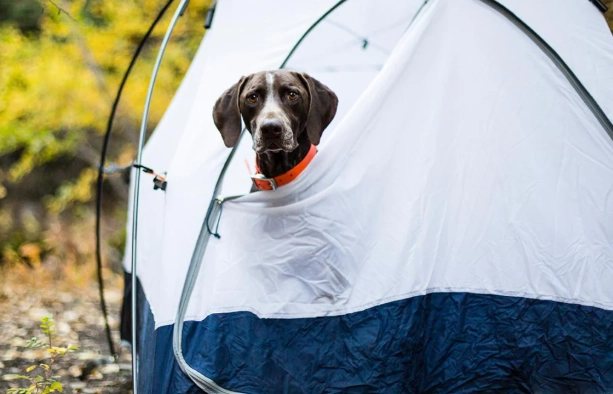
Do a thorough tick check. Feel all over their body, especially in ears, armpits, between toes, and around the groin. Remove any ticks properly with tweezers.
Give them a good bath or at least a thorough brushing. This gets rid of dirt, allergens, and any remaining hitchhikers. Check their paws again for cuts or soreness.
Just watch them. Are they excessively tired for days? Limping? Scratching a lot? A successful camping trip shouldn't leave them wrecked. If they seem off, a vet visit is smart.
So, Is It a Good Idea? Let's Answer Your Questions.
Let's get into some specific stuff people worry about. These are the questions I get asked all the time.
The Final Verdict
Look, is it a good idea to take dogs camping? It can be one of the best ideas you ever have. The shared adventure, the tired, happy dog snoozing by the fire, the memories—it's unbeatable.
But it's only a good idea if you're honest about your dog's limits, if you prepare relentlessly, and if you prioritize their safety and comfort over your own desire for the perfect trip. It requires more work, more stuff, and more vigilance than camping alone.
If your dog is healthy, reasonably calm, and trained on basics, and if you're willing to do the prep work, then go for it. Start small. Learn as you go. You'll figure out what works for your team.
If your dog is very old, very young, sick, extremely anxious, or untrained, then maybe the answer is not right now. There's no shame in that. A stressed dog isn't having fun, and neither are you. Maybe a long day hike is a better first step.
For me now, with a dog suited for it, it's a resounding yes. But I'll never forget those sleepless nights with Max, reminding me that the dog's needs come first. Always. Do that, and you'll probably find that taking your dog camping isn't just a good idea—it's a great one.