Quick Guide
- The Heart of the Matter: Emotional and Bonding Benefits
- Learning That Doesn't Feel Like School
- A Prescription for Health (Without the Co-Pay)
- The Practical Perks (Yes, Including Your Wallet)
- Making It Happen: Your Blueprint for a Successful Trip
- Navigating the Common Hurdles
- Answering Your Burning Questions
- The Takeaway: It's an Investment in Your Family's Story
Let's be honest for a second. The idea of packing up the car, herding the kids, and leaving behind Wi-Fi and running water for a patch of dirt can feel less like a vacation and more like a recipe for stress. I used to think that too. My first attempt at camping with my family involved a forgotten can opener, a sudden downpour that turned our site into a mud pit, and a toddler who declared the whole experience "boring" after about twenty minutes. We were ready to pack it in and never look back.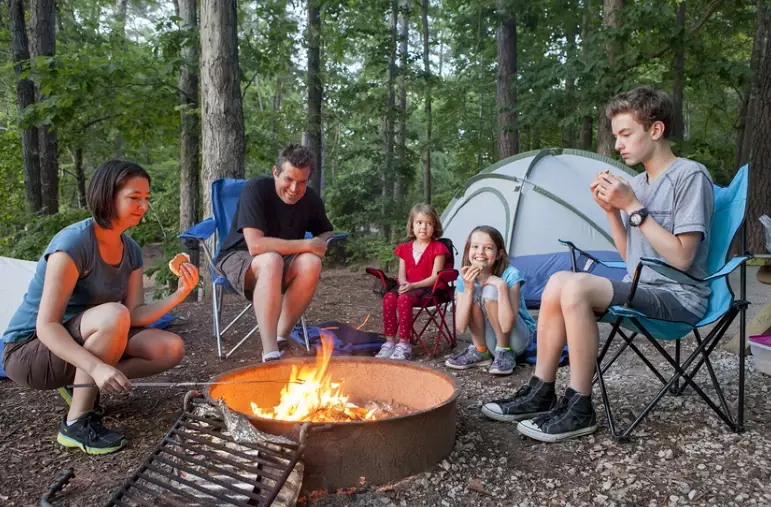
But something kept pulling us back. Maybe it was the memory of roasting marshmallows, even in the rain. Or the way we all actually talked, without phones buzzing. We tried again, a bit wiser, and that's when the magic started to happen. Now, after more trips than I can count, I'm convinced that the benefits of camping with family aren't just some cliché you read about in outdoor magazines. They're real, tangible, and frankly, life-changing in small, quiet ways.
This isn't about becoming a survival expert or buying the fanciest gear. It's about what happens when you step outside the normal routine together. So, if you're on the fence, wondering if all the effort is worth it, let me walk you through why the answer is a resounding yes.
The Heart of the Matter: Emotional and Bonding Benefits
This is the big one, the reason that keeps families coming back year after year. You strip away the distractions, and what's left? Each other.
Unplugging to Reconnect (For Real This Time)
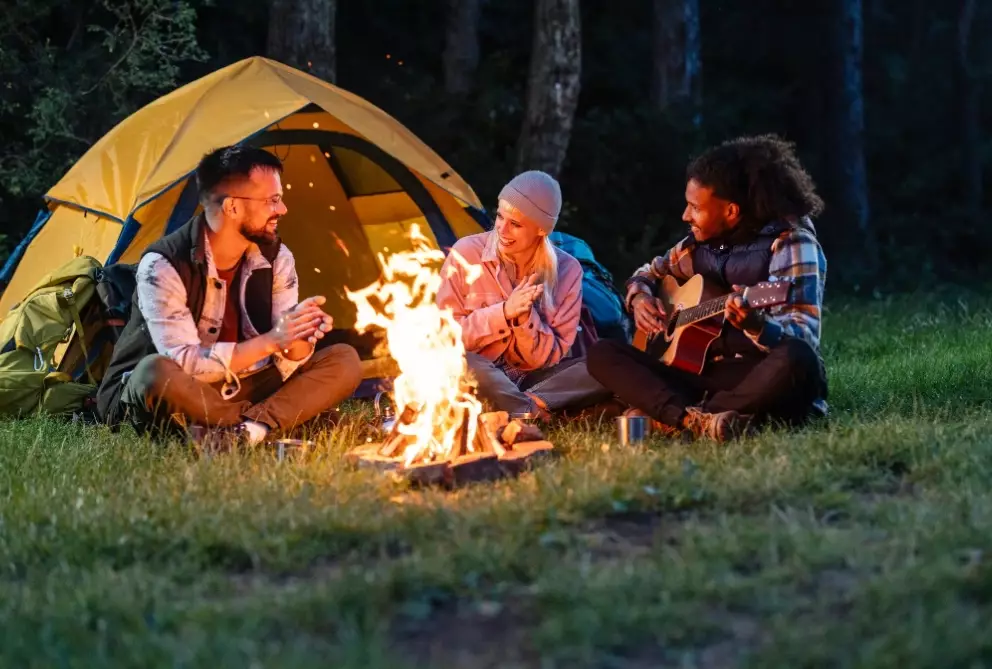
We all say we need to put our phones down. Camping forces your hand. Without the constant ping of notifications, conversations stretch longer. You play cards by lantern light. You stare at the stars and actually point out constellations. You work together to pitch a tent or start a campfire. These shared tasks, even the frustrating ones, create a unique kind of teamwork and inside jokes that become part of your family's story. It’s collaborative problem-solving in its purest form. The National Park Service doesn't just preserve land; it provides the backdrop for these irreplaceable moments of family unity, which is a huge part of the benefits of camping with family.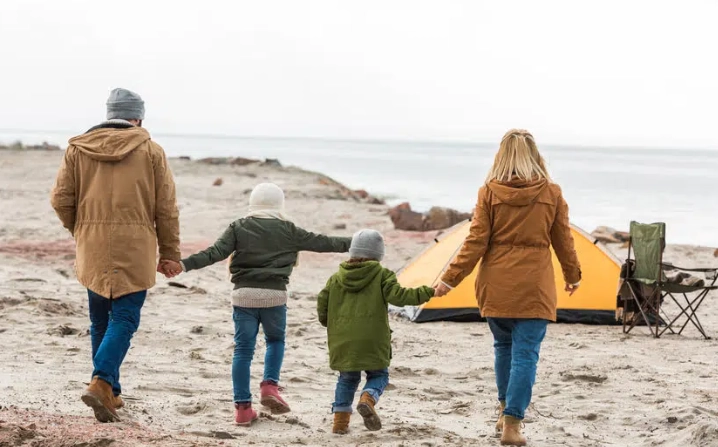
Building Resilience and Confidence, One Marshmallow at a Time
Kids see their parents in a new light outdoors. Maybe you're not a whiz with a spreadsheet, but you can get a fire going in the damp. That's a different kind of cool. And for the kids? The pride in carrying their own small backpack, helping gather kindling, or identifying a bird is immense. They learn that being a little uncomfortable (like when it's cold at night) is okay, and they can handle it. They learn to adapt. This builds a quiet self-reliance that translates back home. It’s one of the most powerful, long-term benefits of family camping trips.
My own daughter, who used to be afraid of bugs, now carefully examines spiders (from a slight distance!) and reports her findings. That shift didn't happen in our living room.
Learning That Doesn't Feel Like School
Forget textbooks. The natural world is the ultimate interactive classroom.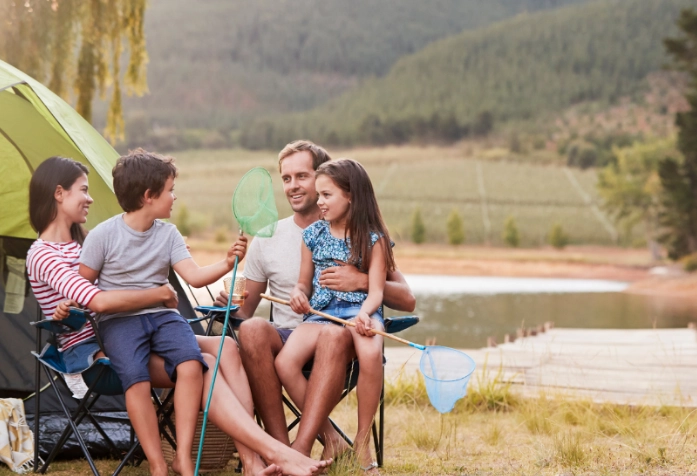
Science Class Comes Alive
Where does the sun set? Why do leaves change color? What animal made those tracks? Camping turns curiosity into a hands-on investigation. You're not just reading about ecosystems; you're sitting in the middle of one. Identifying plants, watching weather patterns roll in, understanding why you store food properly to avoid wildlife visits—it's all practical, applied science. Organizations like the Leave No Trace Center for Outdoor Ethics provide fantastic frameworks for teaching kids about conservation and stewardship in a way that feels immediate and important, not abstract.
Life Skills 101
Budgeting for the trip, reading a map (or a GPS), basic first aid, cooking a meal without a microwave, tying secure knots. These are tangible skills. I remember teaching my kids how to properly secure a rain fly before a storm. The focus on their faces was intense. It mattered. They were learning to solve a real, impending problem. That's a level of engagement you rarely get from a chore chart.
A Prescription for Health (Without the Co-Pay)
The physical and mental health perks are staggering, and they apply to parents just as much as kids.
First, the obvious: you move more. Hiking, gathering wood, setting up camp. It's functional exercise that doesn't feel like a workout. Then there's the sleep. Yes, sleeping on a pad isn't as cushy as your mattress, but the combination of physical activity and the natural dark/light cycle of the sun often leads to deeper, more restful sleep for everyone. The air is cleaner, and the stress of deadlines and traffic simply evaporates. There's a reason "forest bathing" is a thing. Being immersed in nature lowers cortisol levels. You can feel your shoulders drop after a day in the woods.
For kids especially, the unstructured playtime—climbing on logs, skipping stones, building forts out of sticks—is crucial for motor development and creativity. It's the opposite of the highly structured, screen-based entertainment they usually get.
The Practical Perks (Yes, Including Your Wallet)
Let's talk logistics. One of the unsung benefits of camping with family is its affordability. Compared to flights, hotels, and restaurant meals for a whole family, camping is a budget-friendly adventure. A yearly park pass is one of the best entertainment investments you can make.
It also teaches resourcefulness and simplicity. You learn to pack what you truly need, to conserve water, to make a meal with limited ingredients. It's a reset for the "I want it now" mentality. Kids start to appreciate simple pleasures—a warm sweater, a cup of hot chocolate, a dry pair of socks. That perspective is priceless.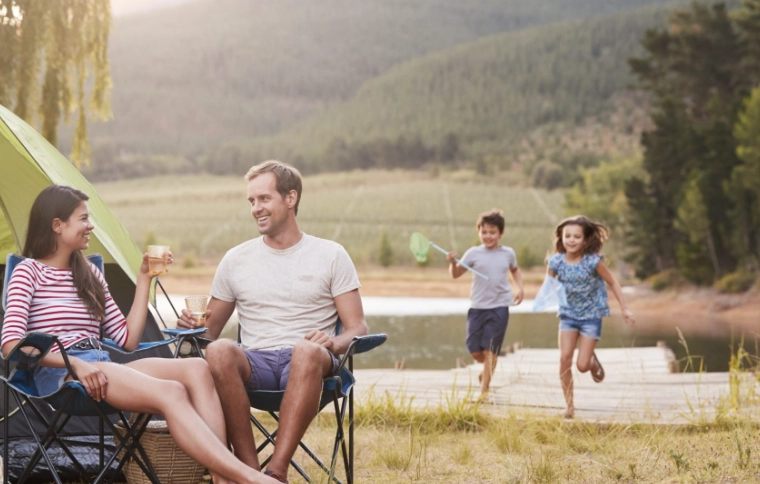
Making It Happen: Your Blueprint for a Successful Trip
Okay, you're convinced of the benefits. How do you actually do it without losing your mind? Start small. Your first trip doesn't have to be a week in the remote backcountry.
Choosing Your Adventure Style
Not all camping is the same. Picking the right style for your family's comfort level is key to enjoying the benefits of family camping.
| Camping Style | Best For | What to Expect | Effort Level |
|---|---|---|---|
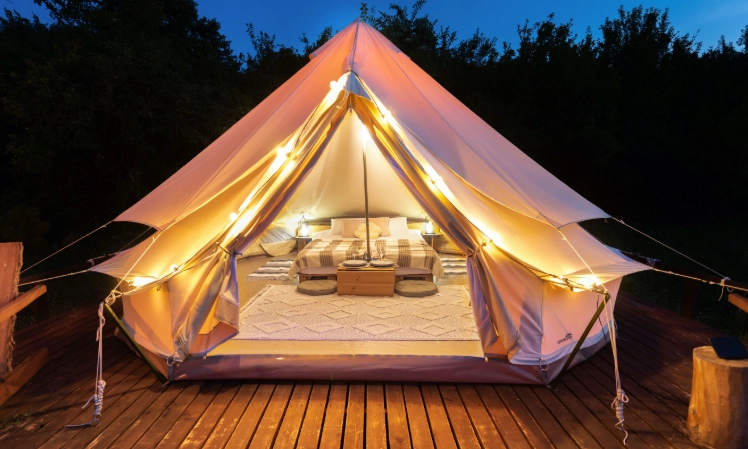
| Car Camping | First-timers, families with young kids, those who want comfort. | Drive to your site. Can bring more gear (coolers, chairs, air mattresses). Often has amenities like bathrooms and water. | Low |
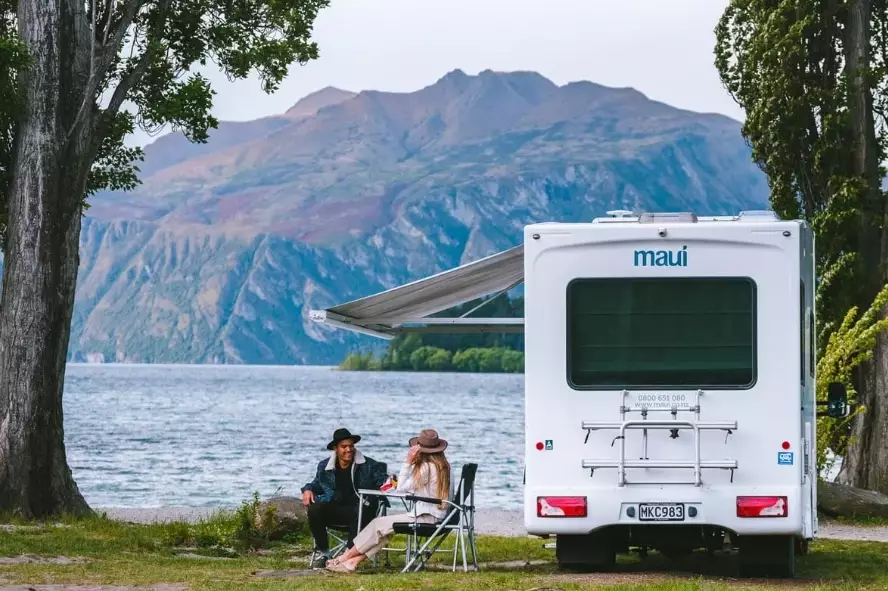
| Campground Camping | A balance of nature and community. Good for social kids. | Designated sites in a managed park. Facilities vary (from rustic to full hookups). More people around. | Low to Medium |
| Backpacking | Older kids/teens, adventurous families seeking solitude. | Carry everything on your back to a remote site. Minimal facilities. Maximum immersion. | High |
| "Car-lite" or Walk-in | Those wanting a step up from car camping without full backpacking. | Park and walk a short distance (5-15 mins) to a site. Fewer people than main campgrounds. | Medium |
For a first trip, I cannot stress this enough: pick a campground close to home (under 2 hours drive). If everything goes sideways, you can bail without a huge sense of failure.
The Non-Negotiable Gear List (Without Breaking the Bank)
You don't need the top-of-the-line stuff. Borrow, rent, or buy used for your first go. REI's used gear site and rental program are excellent resources for trying things out. Focus on the essentials:
- Shelter: A tent rated for more people than you have (a 4-person tent for a family of 3 is wise).
- Sleeping: Sleeping bags appropriate for the season's nighttime lows, and pads for insulation/comfort.
- Cooking: A simple camp stove (a basic propane burner is perfect), fuel, a pot, plates/bowls, utensils.
- Light: Headlamps for everyone! Hands-free light is a game-changer.
- Clothing: Think layers. Avoid cotton (it stays wet). Synthetic or wool base layers, a warm mid-layer, and a rain shell.
Planning Your Days (and Embracing the Unplanned)
Have a loose plan, but hold it lightly. Maybe a morning hike, lazy afternoons at the campsite with books and games, and an evening campfire. Involve the kids in planning an activity. The goal isn't to be busy every second; it's to be together. Some of the best benefits of camping with family emerge during the unstructured downtime—the silly conversations, the cloud-watching, the quiet moments just listening to the wind.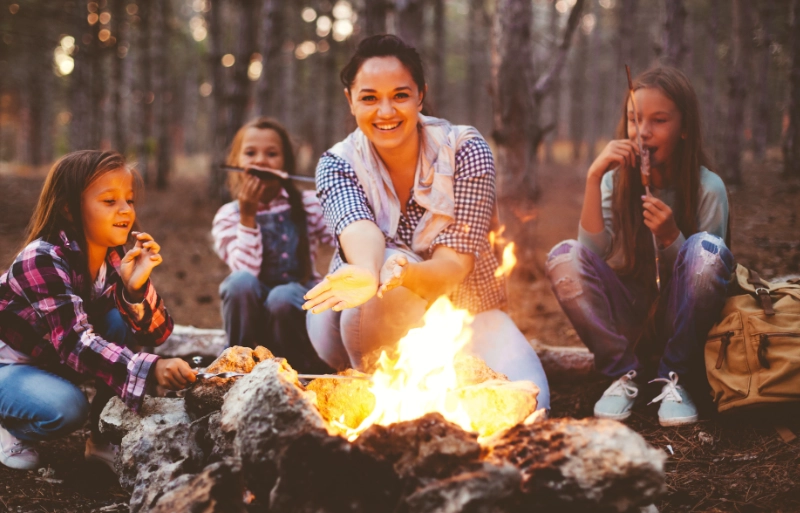
And pack the snacks. All the snacks. Hungry kids are the quickest way to derail a good time.
Navigating the Common Hurdles
Let's address the elephants in the campsite.
Weather: Check the forecast, but be prepared for it to change. Good rain gear and a positive attitude turn a rainy day into an adventure (card games in the tent, listening to the patter on the fly).
Boredom: This usually means they haven't switched into "nature mode" yet. Don't default to handing over a tablet. Instead, suggest a scavenger hunt, give them a camera, challenge them to build the best stick fort, or start skipping stones by the water. Boredom is often the precursor to creativity.
Safety: This is paramount. A quick family briefing on campsite rules (fire safety, staying within sight, what to do if you see wildlife) sets clear expectations. Always have a basic first-aid kit and know the location of the nearest ranger station or emergency services.
Answering Your Burning Questions
The Takeaway: It's an Investment in Your Family's Story
When you look past the gear lists and the planning, the true benefits of camping with family are about writing a shared story. It's the story of the time you got caught in the rain, or saw a bear from a safe distance, or finally got that perfect fire going. These stories become part of your family's identity, a reservoir of shared experience that strengthens your bond long after you've unpacked the dusty tent.
It teaches resilience, fosters wonder, and carves out sacred, undistracted time in a world that's constantly pulling you in different directions. The laundry will be worse when you get back. You'll be tired. But you'll also be refreshed in a way that a regular vacation rarely provides.
So, maybe this weekend, instead of another trip to the mall or another movie marathon, look up a nearby state park. Pack the essentials, keep the expectations simple, and just go. You might just discover that the greatest benefit of camping with your family is the family you become out there, together.
Trust me, it's worth the effort. Even if you forget the can opener.