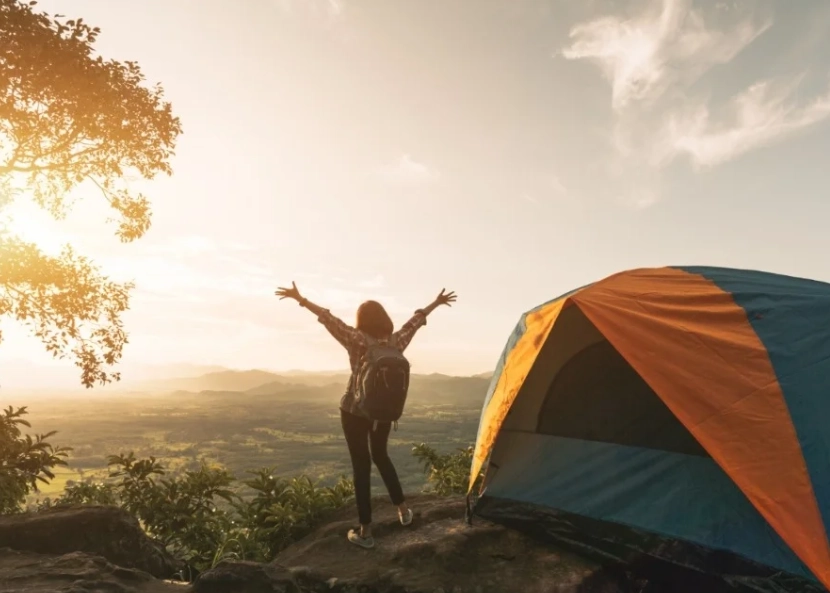
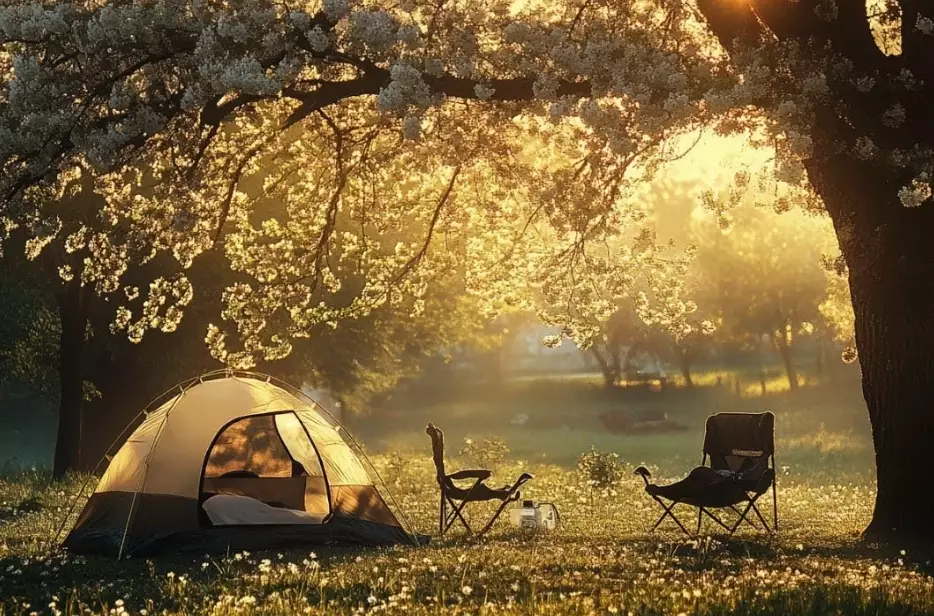
Let's be honest. When most people think about camping, they picture saving a few bucks on a hotel or a fun weekend adventure. That's the surface-level story. After spending over a decade leading trips and talking to hundreds of campers, I've seen the real transformation. The true camping benefits are a quiet revolution for your mind, body, and social life. It's less about the gear you pack and more about what you unpack within yourself.
Your Quick Guide to Camping's Biggest Rewards
The Tangible Health Benefits of Camping
You don't need a gym membership. Nature provides the ultimate functional fitness studio. The physical perks go far beyond just "getting some fresh air."
Sleep That Actually Restores You
This is the big one everyone feels but rarely talks about. Our bodies are hardwired to sync with the sun. Artificial light, especially the blue glow from screens, wrecks our natural melatonin production. A study published by the National Institutes of Health has shown that exposure to natural light cycles can rapidly reset our circadian rhythms.
On a camping trip, you're up with the sunrise and winding down as darkness falls. The result? Deeper, more restorative sleep. I've had clients with chronic insomnia report their first full night's sleep in years after just two nights in a tent. It's not magic; it's biology. You're giving your internal clock what it evolved to expect.
Movement Without the Monotony
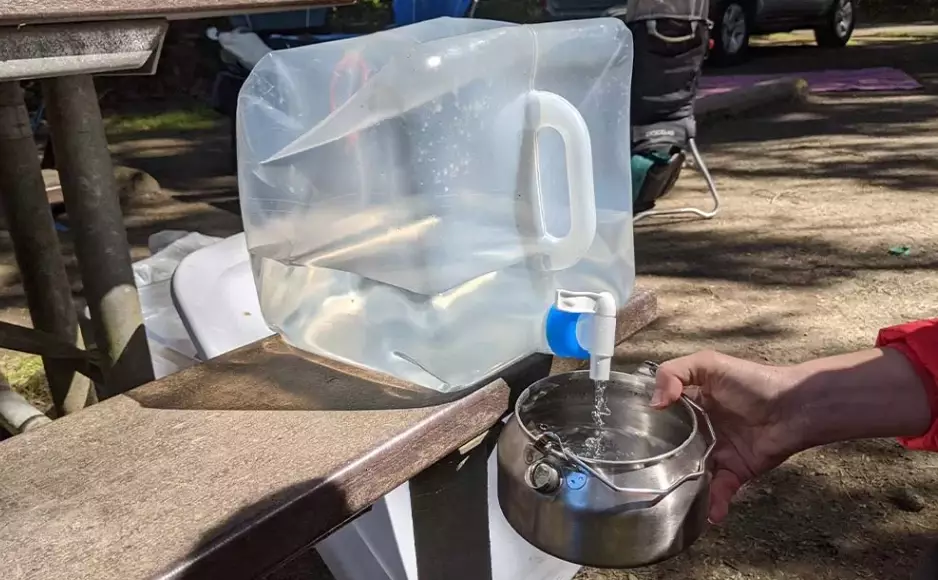
Think about a typical day at a campground. You're gathering firewood, hiking to a viewpoint, pumping water, setting up your shelter. This is natural movement. It's varied, functional, and engages different muscle groups than a repetitive treadmill session. You're not counting reps; you're accomplishing tasks. This incidental exercise boosts cardiovascular health, builds strength, and improves flexibility, all while your mind is focused on the environment, not the clock at the gym.
Air Quality and Immune System Nudges
Forest air isn't just "fresh." It contains phytoncides, natural oils released by trees. Research from organizations like the American Psychological Association suggests breathing these in can boost our white blood cell activity, enhancing our immune system's ability to fight off illness. Compare that to the recycled, often polluted air of urban and indoor environments. Your lungs and immune system get a mini-vacation too.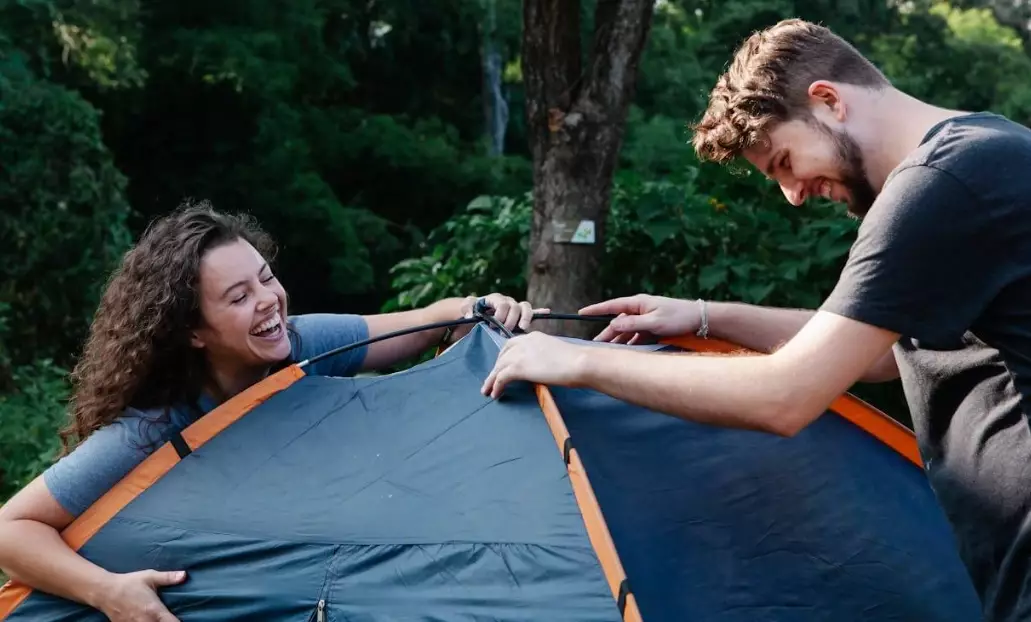
Here’s a quick look at the before-and-after of a typical weekend camper:
| Aspect | Before Camping (Urban Weekend) | After Camping (48 hours outdoors) |
|---|---|---|
| Sleep Quality | Fragmented, screen-delayed, often insufficient. | Deeper, aligned with natural light, more restorative. |
| Physical Activity | Intentional (maybe a gym session) or sedentary. | Constant, varied, functional natural movement. |
| Stress Hormones | Elevated cortisol from constant notifications and urban noise. | Markedly reduced, replaced by calming nature sounds. |
| Lung & Immune Exposure | Recycled air, indoor pollutants, germs. | Phytoncide-rich air, natural immune boosters. |
How Does Camping Improve Mental Health?
If the body benefits are clear, the mental benefits are profound. This is where camping shifts from a hobby to a form of therapy.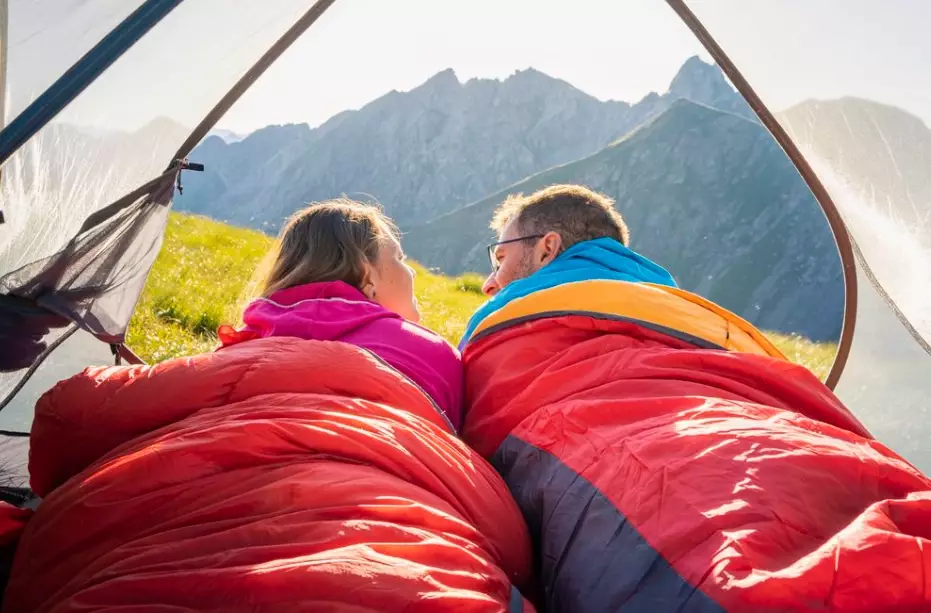
The Ultimate Digital Detox (Without Even Trying)
You can't force yourself to not check your phone at home. The ping is too tempting. But when you're three miles down a trail with no signal, the decision is made for you. This forced disconnect is a gift. The constant drip of emails, social comparison, and news cycles stops. Your brain's default mode network—responsible for self-reflection and creativity—finally gets a chance to activate without competition. The anxiety that comes from perpetual connectivity begins to fade within hours.
Stress Reduction Through Nature Immersion
It's called the Stress Reduction Theory. Simply put, natural environments engage our attention in a gentle, effortless way (think watching clouds or a flowing stream), which allows our directed-attention muscles, fatigued by modern life, to recover. The sounds of wind, water, and birdsong lower blood pressure and cortisol levels more effectively than most ambient noise machines. It's a sensory bath for a frazzled nervous system.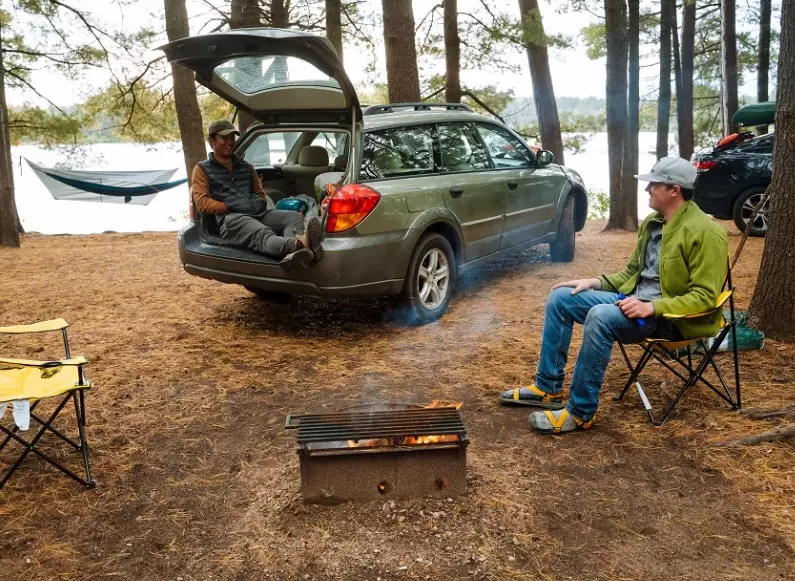
Perspective and Problem-Solving
Stuck on a work problem or a personal dilemma? The trail provides perspective. The scale of nature—ancient trees, vast skies—has a way of shrinking our daily worries to a manageable size. Furthermore, the mild, solvable problems of camping (setting up a tent in the wind, figuring out how to hang a bear bag) rebuild a sense of competence. You succeed at small things, and that confidence leaks back into your everyday life.
The Unmatched Social and Bonding Perks
Forget forced team-building exercises. Camping is the original social network.
Family Bonding Without Distractions
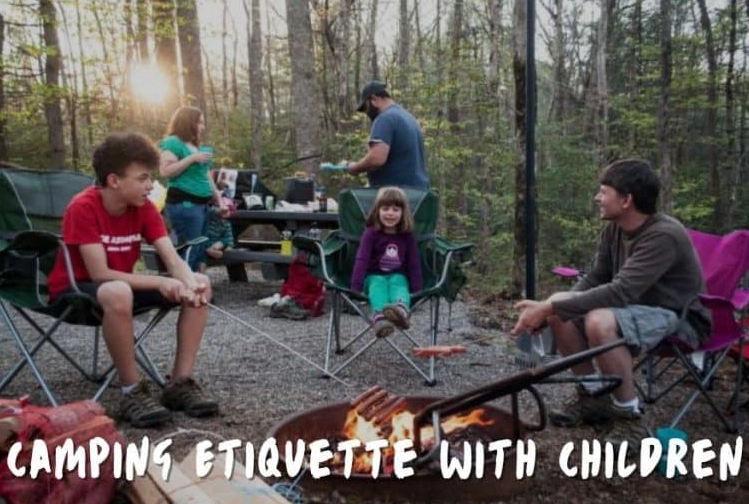
At home, everyone scatters to different screens. At the campsite, you're a team working on shared goals: building a fire, cooking a meal, exploring a trail. Conversations happen naturally. I've watched teenagers who are monosyllabic at home open up over a camp stove. You're creating shared memories and inside jokes that last far longer than any material gift. The absence of Wi-Fi forces presence, and presence is the foundation of real connection.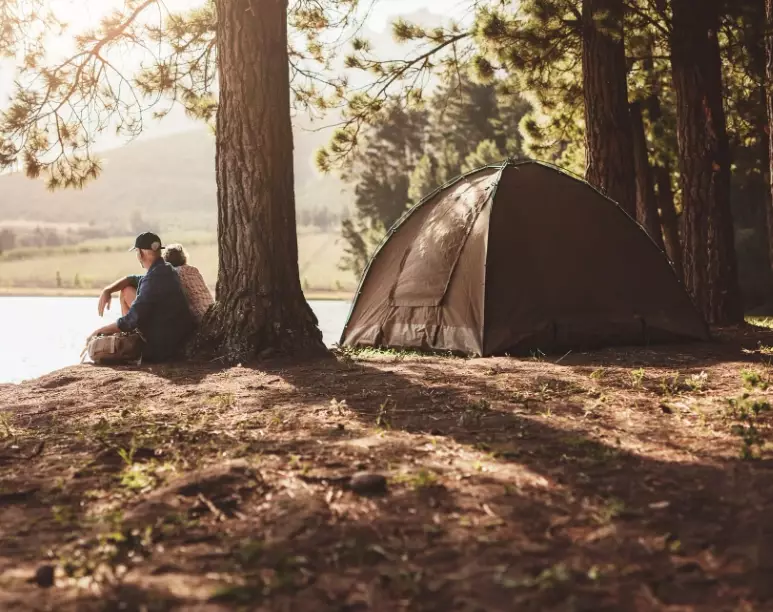
Building Friendships and Community
There's a unique camaraderie among campers. You're more likely to offer help to a neighbor struggling with their tent peg or share a lighter. Campgrounds are inherently communal spaces. I've made some of my closest friends not at a bar or party, but at a shared picnic table under a string of lanterns, talking about the best local trails. The shared experience of simplicity breaks down social barriers faster than anything in the city.
Unexpected Personal Growth and Life Skills
Beyond fun, camping builds resilience and self-reliance.
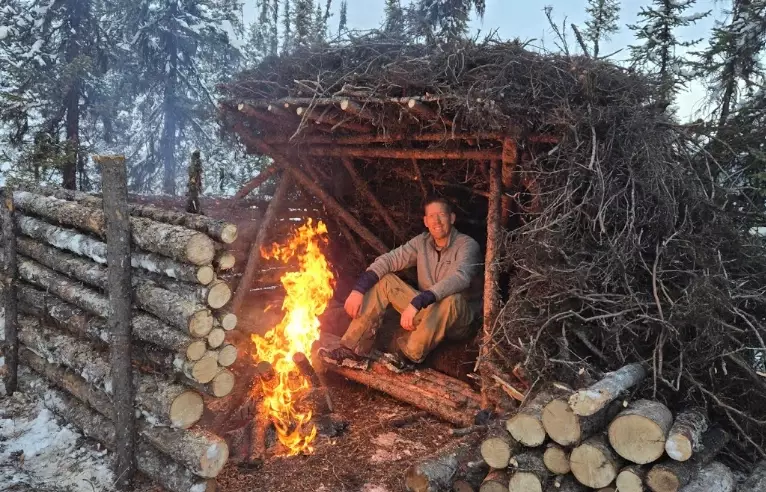
Resourcefulness: You learn to make do, to improvise. That rain tarp can be a shelter, a windbreak, or a gear cover. This mindset of creative problem-solving is directly transferable to professional and personal challenges back home.
Appreciation for Simplicity: A warm meal, a dry sleeping bag, a stunning sunset—these become the highlights. Camping strips away the noise of consumerism and re-acquaints you with the satisfaction of basic needs met. You often return home wanting less, not more.
Environmental Stewardship: When you sleep in the woods, you see the impact of litter, pollution, and erosion firsthand. This fosters a powerful, personal connection to Leave No Trace principles. You become an advocate for the places you love, not just a passive visitor.