Oregon is camping heaven if you know where to look. Forget the generic lists—I’ve spent over a decade exploring every corner, from soggy coastlines to dusty desert trails. The secret? It’s not just about picking a pretty spot. You need to match your gear to the microclimates, book sites before they vanish, and avoid the rookie mistakes that ruin trips. Let’s cut to the chase: here’s everything I wish I’d known before my first Oregon camping trip.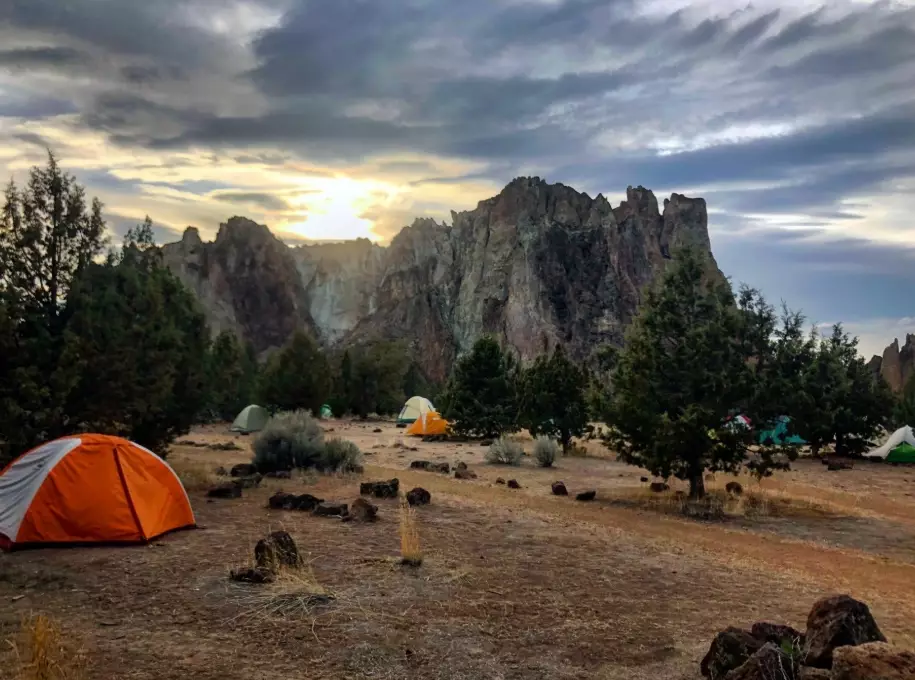
Jump Straight to What Matters
Top Campgrounds You Should Book Now
Oregon has hundreds of campgrounds, but these five stand out for accessibility, scenery, and that “wow” factor. I’ve included the nitty-gritty—prices, exact locations, and how to get there—so you can actually use this info.
Cape Lookout State Park: Where the Forest Meets the Sea
Nestled on a sand spit between the Pacific Ocean and Netarts Bay, this place is magic. Wake up to ocean waves, hike through old-growth spruce, and maybe spot a whale. But here’s the catch: it books up six months in advance. I learned that the hard way last summer.
Address: 13000 Whiskey Creek Rd, Tillamook, OR 97141. Fees: $21–$31 per night for tents, $31–$48 for RVs (hookups extra). Open: Year-round, but some loops close in winter. Getting there: From Portland, take US-26 W to OR-6 W, about 1.5 hours. Watch for fog on the coast highway—it can slow you down.
Crater Lake National Park: Blue Beyond Belief
Yes, it’s crowded. Yes, it’s worth it. The lake’s depth and clarity hit you like a punch. Mazama Campground is the main spot, but if you want solitude, try Lost Creek Campground (first-come, first-served). Pro tip: visit in late September. The crowds thin, and the fall colors are insane.
Address: Mazama Campground, Crater Lake, OR 97604. Fees: $21–$42 per night, plus a $30 park entrance fee per vehicle. Open: Late June to early October, weather permitting. Getting there: From Medford, take OR-62 N for about 1.5 hours. The road can have snow into June, so check conditions on the National Park Service website.
Here’s a quick comparison to help you decide:
| Campground | Region | Best For | Booking Window | Pet-Friendly? |
|---|---|---|---|---|
| Cape Lookout State Park | Coast | Families, beach lovers | 6 months ahead | Yes, on leash |
| Crater Lake Mazama | Southern Oregon | Hikers, photographers | Up to 1 year ahead | |
| Wallowa Lake State Park | Northeast | Mountain scenery, fishing | 9 months ahead | Yes |
| Smith Rock State Park | High Desert | Rock climbers, stargazers | First-come, first-served | Yes |
| Trillium Lake Campground | Mount Hood | Views of Mount Hood | 6 months ahead | No |
Wallowa Lake is my personal favorite for alpine vibes—think Switzerland but with more bears. Smith Rock? Bring extra water; the desert sun is no joke.
How to Plan Your Oregon Camping Trip
Planning isn’t just picking dates. Oregon’s diversity means you could be sweating in the desert while it’s drizzling on the coast. Start by deciding your priority: ocean, mountains, or desert. Then, work backwards.
Booking windows vary wildly. State parks like Cape Lookout open reservations six months out at 6 AM PST on ReserveAmerica. National forests like Deschutes often use Recreation.gov. Set a calendar reminder. I missed a prime weekend at Trillium Lake because I overslept by an hour.
For a sample 4-day trip: Day 1, arrive at Cape Lookout, settle in, beach walk. Day 2, drive to Mount Hood (about 3 hours), hike around Trillium Lake. Day 3, head east to Smith Rock (2.5 hours), climb or watch climbers. Day 4, loop back via Portland. It’s ambitious, but doable if you pack light.
Transportation: Oregon’s roads are generally good, but rural areas like Steens Mountain have gravel roads. A sedan works for most campgrounds, but for dispersed camping in the Ochoco National Forest, high clearance helps. Check trip reports on the Oregon Department of Transportation site for updates.
Essential Gear for Oregon’s Mood-Swing Weather
Oregon weather changes faster than a toddler’s mood. On the coast, you might get sun, rain, and fog all in one afternoon. In the high desert, days scorch and nights freeze. Your gear list needs to reflect that.
Start with shelter. A 3-season tent is fine for summer, but if you’re camping near Mount Hood in September, bring a 4-season or at least a rainfly that doesn’t leak. I learned this after a sleepless night in a puddle at Timothy Lake.
Clothing layers are non-negotiable. Think moisture-wicking base, insulating mid (fleece or puffy), and waterproof outer. Avoid cotton—it stays wet and chills you. For footwear, waterproof hiking boots for trails, camp shoes for lounging.
Here’s a quick pack list based on region:
- Coast: Rain jacket, quick-dry pants, extra socks, sandals for beach, binoculars for whale watching.
- Mountains: Warm sleeping bag (rated 20°F or lower), insulated pad, bear canister (required in some areas), headlamp.
- Desert: Sun hat, sunscreen, 3+ liters of water per person per day, lightweight long sleeves for sun protection.
Food storage is huge. In bear country like the Eagle Cap Wilderness, use bear canisters or hang food properly. Raccoons at coastal sites are clever—double-bag your snacks. I once had a raccoon unzip my cooler. Not fun.
Common Mistakes Even Experienced Campers Make
Everyone talks about bringing enough water, but here’s a subtle one: underestimating driving times. Oregon’s roads wind through mountains and forests. That 100-mile drive might take three hours, not two. Add buffer time, especially with kids.
Another mistake is ignoring dispersed camping rules. Yes, you can camp for free in national forests, but you must be 100-200 feet from water sources, and often need a fire permit. I’ve seen folks fined for camping too close to streams, harming fragile ecosystems.
Fire safety is big. Oregon has strict burn bans in summer. Check with the Oregon Department of Forestry before you go. Use established fire rings, keep fires small, and drown them completely. A smoldering ember can spark a wildfire.
Lastly, overpacking. I used to bring a giant cooler, extra chairs, you name it. Now I go minimalist. It saves space and reduces setup time. Focus on essentials: shelter, sleep system, food, water, first aid.
Your Burning Questions Answered
 Oregon camping is about adapting. Whether you’re a rookie or a seasoned pro, the key is preparation mixed with flexibility. Use this guide as a starting point, then get out there and make your own stories. And hey, if you see a raccoon eyeing your cooler, shoo it away fast.