Your Camping Roadmap
- Why Bother? The Real Benefits of Getting Outside
- Gear Up: What You Actually Need (And What You Can Skip)
- Finding Your Perfect Spot: Campsite Selection 101
- The Art of Setting Up a Happy Camp
- Campfire Cooking: Going Beyond Hot Dogs
- Staying Safe and Sound: It's Not Just About Bears
- Leaving No Trace: The Camper's Code
- Answering Your Big Camping Questions
Let's be honest. The idea of outdoor camping sounds amazing—until you actually start planning it. Suddenly you're drowning in lists of gear you've never heard of, worrying about bears (probably more than you need to), and wondering if you're the kind of person who can actually sleep on the ground. I get it. My first trip was a comedy of errors involving a tent I couldn't figure out and a can of beans I forgot a can opener for.
But here's the thing. Once you get past that initial hurdle, outdoor camping unlocks something simple and real. It's not about being an extreme survivalist. It's about fresh air, the sound of a creek instead of traffic, and food that tastes better because you cooked it over a fire. This guide is here to strip away the overwhelm and give you the straight talk you need to get out there, whether it's your first time or you're looking to up your game.
Why Bother? The Real Benefits of Getting Outside
We all see the perfect Instagram shots, but the true value of outdoor camping goes way deeper than a nice photo. Sure, there's the obvious stuff like disconnecting from screens. Your brain gets a chance to reset when it's not constantly pinged by notifications. The physical activity—even just gathering firewood or hiking to a viewpoint—feels different than a gym workout. It has a purpose.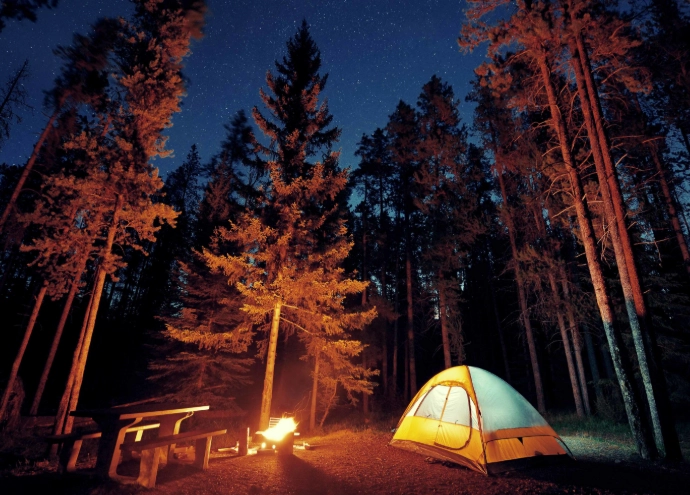
Then there's the mental shift. There's a unique problem-solving mode you switch into when you're setting up camp. It's satisfying in a way that finishing a work report just isn't. You also learn to appreciate small comforts. A warm sleeping bag, a hot drink, a dry pair of socks—these become minor luxuries. It recalibrates your sense of what you actually need to be happy. For families, it's forced, unplugged quality time. For solo travelers, it's profound peace. The National Park Service highlights numerous studies on the psychological and physical health benefits of spending time in nature, and camping is one of the most immersive ways to do it.
But it's not always zen. Sometimes it rains for two days straight. Sometimes the mosquitoes are relentless. I once spent a night convinced every rustle was a raccoon planning a heist on my cooler. The benefits aren't automatic; they're earned through a bit of planning and a willingness to embrace the unpredictable.
Gear Up: What You Actually Need (And What You Can Skip)
This is where most beginners freeze. The gear lists are endless and expensive. But you don't need the top-of-the-line, mountaineering-grade everything for a weekend at a local state park. Let's break it into absolute essentials and nice-to-haves.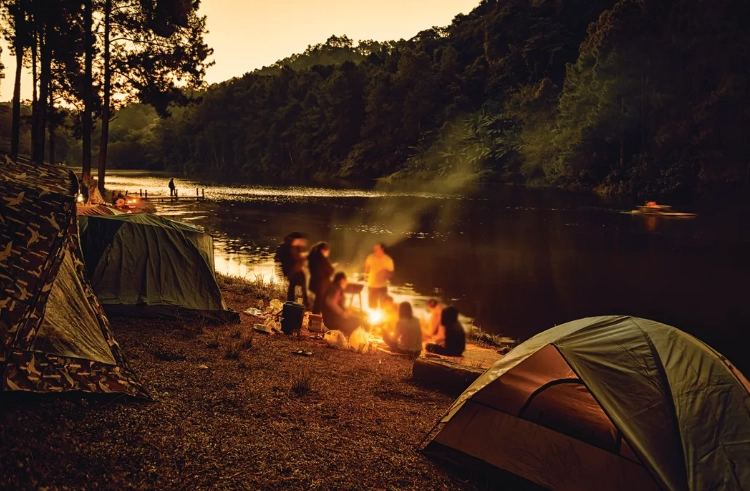
The Non-Negotiable Core Four
For any outdoor camping trip, these four items are your foundation. Get these right, and you'll be comfortable enough to enjoy yourself.
- Shelter: A tent, hammock, or sleeping shelter. For tents, focus on "3-season" models. Pay attention to the "capacity"—a 2-person tent is cozy for two people and their gear. I'd often size up. Don't forget a ground tarp (footprint) to protect the tent floor.
- Sleep System: This is a two-parter. First, a sleeping bag rated for the lowest temperature you expect. A 20°F (-7°C) bag is versatile for most summer/fall trips. Second, a sleeping pad. This isn't just for comfort; it's crucial for insulation from the cold ground. Inflatable pads offer great comfort, foam pads are reliable and cheap.
- Lighting: A headlamp is king. It keeps your hands free for cooking or setting up in the dark. Always pack extra batteries. A small lantern for inside the tent is a nice bonus.
- Backpack (for backpacking) or Storage (for car camping): If you're hiking to your site, a properly fitted backpack is essential. For car camping, large plastic bins are perfect for organizing gear and keeping critters out.
The Kitchen and Comfort Add-Ons
Once the core is covered, you can think about food and making life easier. A simple camp stove (like a canister stove) is far more reliable and Leave-No-Trace friendly than always building a fire. A basic cookset, a durable water bottle, and a cooler are key. A comfy camp chair is the difference between enjoying the fire and going to bed early because your back hurts.
| Essential Gear | Why It's Important | Budget-Friendly Tip |
|---|---|---|
| Sleeping Pad | Insulates you from cold ground, prevents a miserable night. | Start with a closed-cell foam pad. They're cheap, durable, and never pop. |
| Headlamp | Hands-free lighting is crucial for safety and camp chores after dark. | Many affordable models from hardware stores work perfectly well for camping. |
| First-Aid Kit | For treating minor cuts, scrapes, blisters, and headaches. | Assemble your own with bandages, antiseptic wipes, pain relievers, and blister pads. |
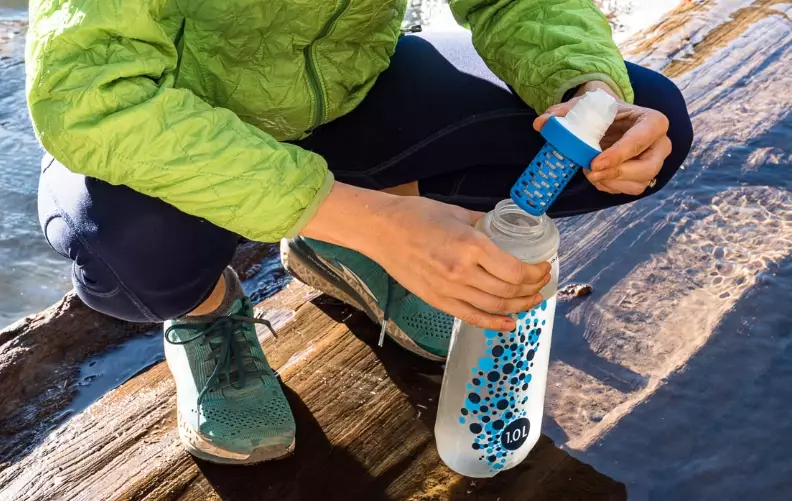
| Water Storage & Treatment | Dehydration is a real risk. You must have a plan for clean water. | For car camping, bring large jugs. For backpacking, a Sawyer Squeeze filter is a great value. |
| Weather-Appropriate Clothing | Cotton kills (it holds moisture). Synthetics or wool dry fast and keep you warm. | Check thrift stores for wool sweaters and synthetic base layers. |
But really, what's the one thing people always forget? A roll of duct tape. Wrap some around your water bottle or trekking pole. It can fix a torn tent, a broken strap, or a leaky air mattress. It's magic.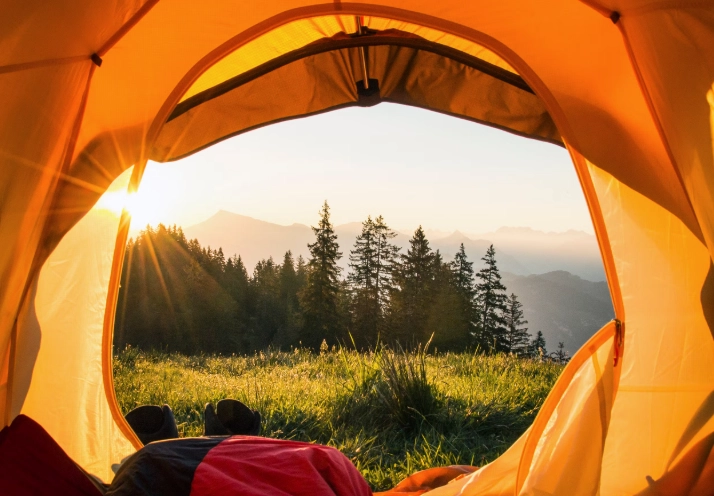
Finding Your Perfect Spot: Campsite Selection 101
Not all campsites are created equal. A bad location can turn a great trip sour. The goal isn't just to find a flat spot; it's to find a good flat spot.
First, you need to know what kind of outdoor camping you're doing. Are you driving right up to your spot (car camping), or hiking your gear in (backpacking)? Car camping at established campgrounds, often run by Recreation.gov or state parks, is the easiest entry point. They usually have amenities like picnic tables, fire rings, and sometimes even showers. For a more remote experience, you look for dispersed camping on public lands managed by the U.S. Forest Service or Bureau of Land Management. These sites have no facilities, which means more solitude and more responsibility.
When you're scanning a potential spot, think like a scout. Look for high, flat ground to avoid puddles if it rains. Check overhead for dead branches ("widowmakers") that could fall. Consider the wind direction—you don't want your tent door or cooking area facing into the prevailing wind. Is there a natural windbreak like trees or a rock face? For backpacking, proximity to a water source is key, but camp at least 200 feet away from lakes and streams to protect the shoreline and follow Leave No Trace principles.
My personal checklist when I roll into a potential site: Flat? Check. Good drainage? Check. Safe overhead? Check. Good vibe? Check. That last one is unscientific, but you know it when you feel it.
The Art of Setting Up a Happy Camp
You've arrived. Now what? Rushing to pitch the tent leads to mistakes. Take ten minutes first. Walk around. Get a feel for the space.
Establish zones. Think of your campsite as having a kitchen, a bedroom, a living room, and a bathroom (well, the path to the latrine or your designated spot). Keep your cooking and food storage area downwind from your sleeping area. This is critical in bear country, but it's just good practice everywhere to avoid attracting smaller critters near your bed. Store all food, trash, and scented items (toothpaste, deodorant) in a bear-resistant container or your car. If you're backpacking, you'll need to hang a bear bag or use a bear canister.
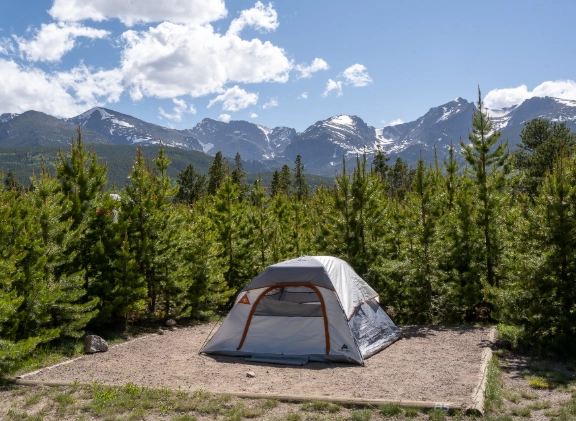
Pitching your tent is the main event. Lay out your ground tarp first, then your tent on top. Assemble the poles—they usually only fit one way. Feed them through the sleeves or attach them to the clips. Start with the corners, then raise the ends. A taut rainfly is your best friend against weather. Once it's up, get your sleep system inside immediately. It makes the tent feel like home.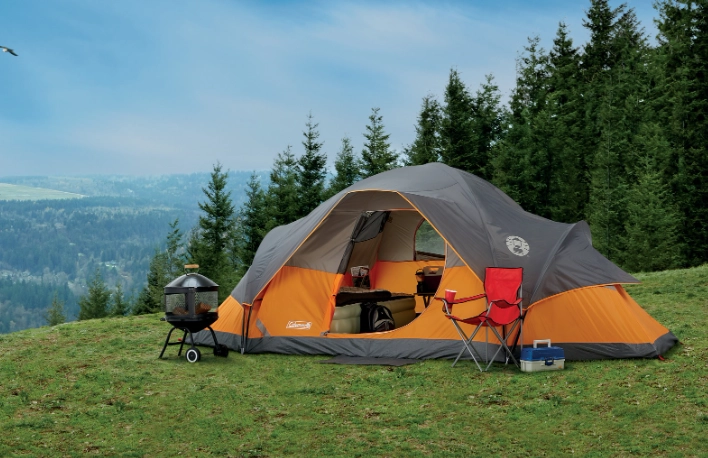
Campfire Cooking: Going Beyond Hot Dogs
Food is a huge part of the outdoor camping experience. It doesn't have to be complicated to be delicious. The key is prep work at home.
Chop your veggies, pre-mix your spices, and pre-cook ingredients like rice or pasta at home. Pack them in reusable containers or zip-top bags. This turns camp cooking from a chore into a quick assembly job. For breakfast, oatmeal with dried fruit and nuts is foolproof. For dinner, one-pot meals like chili, stews, or pasta are winners. Foil packet meals—fish, potatoes, and veggies with lemon and herbs—cooked in the coals are easy and create no mess.
But let's talk about the campfire itself. Building a good fire is a skill. Start with tinder (dry grass, birch bark, commercial fire starters). Add small kindling in a teepee or log cabin structure. Light it, and gently add larger fuel wood as it catches. Keep it to a manageable size. A roaring bonfire is wasteful and dangerous. Always have water or a shovel nearby to fully extinguish it. The rule is: drown, stir, feel. Drown the ashes, stir them around, feel for any heat. Repeat until it's cold to the touch.
And please, only burn local, dead wood. Transporting firewood can spread invasive insects that destroy forests. Buy it near your campsite or gather it responsibly if allowed.
Staying Safe and Sound: It's Not Just About Bears
Safety is about smart habits, not paranoia. Wild animals are a concern, but usually, they want your food, not you. Proper food storage is 99% of wildlife safety. In many areas, raccoons and mice are a bigger nuisance than bears.
Weather is the variable that can change everything. Check the forecast, but be prepared for it to be wrong. Pack layers. A sudden rainstorm or temperature drop is common in many outdoor camping areas. Hypothermia can happen even in mild temperatures if you're wet and windy. Know the signs: uncontrollable shivering, slurred speech, confusion.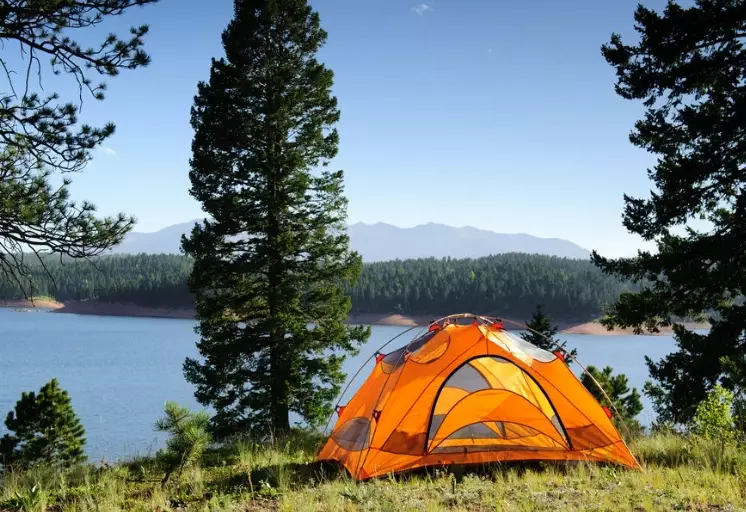
Basic first aid knowledge is a must. Know how to clean and bandage a wound, treat a burn from a hot stove, and recognize signs of heat exhaustion. Your kit should handle blisters—the number one backpacking ailment. Bring a map and compass and know how to use them, even if you have a GPS. Electronics fail.
Tell someone your plans. Where you're going, what trail you're taking, and when you expect to be back. It's the simplest and most effective safety net.
Leaving No Trace: The Camper's Code
This isn't just a nice idea; it's essential for keeping these places wild for everyone who comes after us. The seven Leave No Trace principles are the bible for responsible outdoor recreation.
- Plan Ahead and Prepare. This minimizes your impact from the start.
- Travel and Camp on Durable Surfaces. Stick to established trails and campsites.
- Dispose of Waste Properly. Pack out all trash, including food scraps and toilet paper. For human waste, dig a cathole 6-8 inches deep at least 200 feet from water, trails, and camp.
- Leave What You Find. That cool rock or wildflower? Take a picture, not the object.
- Minimize Campfire Impacts. Use a stove when possible. Keep fires small and use existing fire rings.
- Respect Wildlife. Observe from a distance. Never feed animals.
- Be Considerate of Other Visitors. Keep noise down, yield on trails.
Following these principles ensures that the next person, and the next generation, gets to experience the same magic you did. It's the core of sustainable outdoor camping.
Answering Your Big Camping Questions
What if I have to go to the bathroom in the woods?
It's the number one anxiety. For established campgrounds, use the provided toilets. For backcountry trips, you'll need to go in a cathole. Find a private spot at least 200 feet from water, trails, and camp. Dig a hole 6-8 inches deep (the organic layer of soil). Do your business, fill the hole back in, and disguise it. Pack out your used toilet paper in a zip-top bag. It sounds gross, but it's standard practice and far better than leaving it buried shallowly where animals will dig it up.
How do I deal with bugs?
Mosquitoes and ticks are a reality. A good insect repellent with DEET, picaridin, or oil of lemon eucalyptus is your first line of defense. Wear long, light-colored clothing to spot ticks more easily. Treat your clothing and gear with permethrin for an extra layer of protection (do this at home, not on skin). A tent with good bug netting is non-negotiable. Sometimes, you just have to accept that dusk is bug hour and maybe retreat to the tent a bit early with a good book.
Can I go camping alone?
Absolutely. Solo outdoor camping is incredibly rewarding. It requires extra vigilance in planning and safety. Start with a single night at a familiar, established campground. Tell multiple people your exact plans and check-in times. Trust your instincts—if a situation feels off, pack up and leave. The self-reliance and peace you gain are worth it.
What's the best way to start if I'm a total beginner?
Don't try to climb Everest on day one. Go car camping for one or two nights at a popular, well-reviewed state park campground within an hour or two of home. Borrow as much gear as you can for the first trip. Keep meals simple. Your goal isn't to conquer the wilderness; it's to see if you like the basic experience. Did you sleep okay? Were you cold? Did you enjoy sitting by the fire? That's all valuable data for your next trip.
Outdoor camping is a skill, and like any skill, you get better with practice. You'll forget things. You'll make mistakes. I've done both, many times. But each trip teaches you something new, and slowly, the packing becomes routine, the setup gets faster, and you spend less time wrestling with gear and more time just... being there. The crackle of the fire, the stars you can't see in the city, the quiet. That's what you're after. So grab a map, pack your bag, and go get some of that quiet for yourself.