There's something about falling asleep to the sound of moving water that resets your whole system. River camping isn't just pitching a tent near water; it's a specific vibe. The air is cooler, the wildlife is different, and your whole routine revolves around the river's rhythm. But it also comes with its own set of rules—get them wrong, and your peaceful retreat can turn soggy or worse.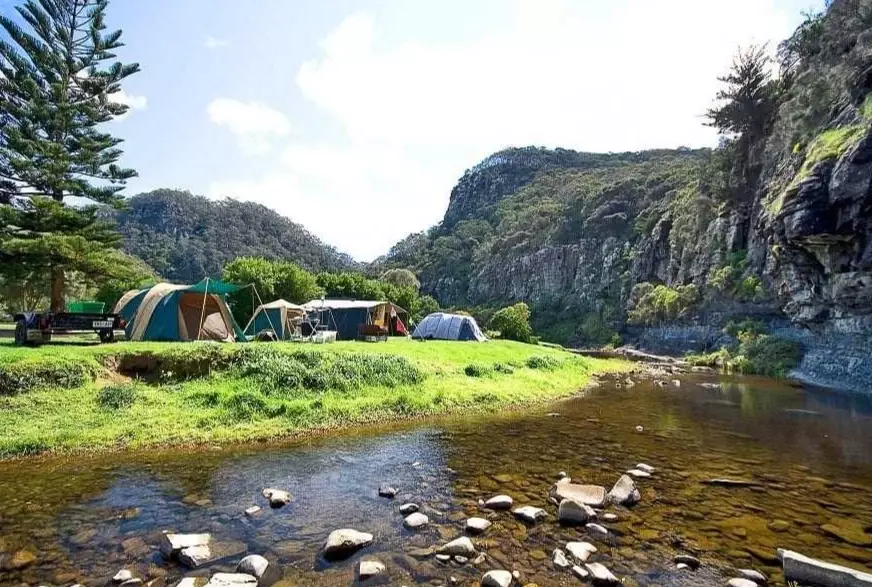
I've spent countless nights by rivers across the country, from lazy southern streams to rushing mountain torrents. I've made my share of mistakes, like the time I didn't check the upstream weather and woke up with my boots floating. Let's make sure that doesn't happen to you.
What You'll Find in This Guide
How to Plan Your First River Camping Trip
Jumping straight in without a plan is the fastest way to a miserable trip. River camping adds layers a regular forest site doesn't have.
First, research your river. This isn't just about finding a pretty spot on a map. You need to know its character. Is it dam-controlled? Water levels can change drastically with scheduled releases. Check resources like the USGS Water Data for real-time flow information. A gentle creek in the morning can become a powerful channel by afternoon.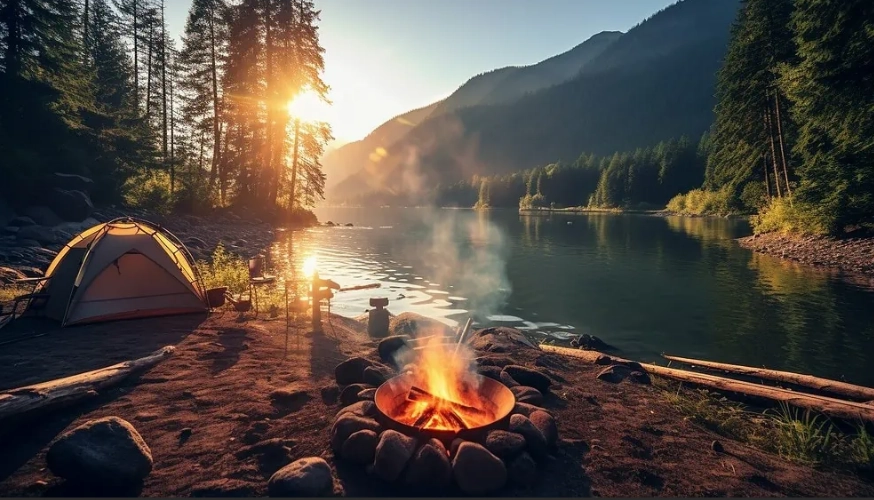
Permission is key. Is the land publicly owned (National Forest, BLM land, State Park) or private? For public land, always check the managing agency's website for specific camping regulations. Some riverside spots are first-come, first-served; others require a permit you need to book months in advance. Don't assume.
Think about access. Are you driving right to the site, or hiking in? If you're hiking, every ounce of gear matters more, and you'll need to filter all your water. Car camping lets you bring the comforts—a camp chair to watch the river from is a game-changer.
Finally, check the weather upstream. Rain falling fifty miles away can swell the river right past your tent. I learned this the hard way in the Blue Ridge Mountains. Clear skies overhead, but a thunderstorm upstream turned our peaceful brook into a roaring brown mess by midnight.
What Are the Essential Gear for River Camping?
Your standard camping list gets a few critical additions and swaps for river camping. Moisture management becomes your number one priority.
| Category | Essential Item | Why It's Crucial for Rivers |
|---|---|---|
| Shelter & Sleep | High-quality rain fly & ground tarp | River valleys create their own microclimates with more condensation and sudden showers. A full-coverage rain fly is non-negotiable. Always use a ground tarp under your tent. |
| Water Management | Water shoes & quick-dry towels | You will get wet. Amphibious shoes protect your feet. A thin, packable quick-dry towel is worth its weight in gold. |
| Food Safety | Bear-resistant canister | Rivers are animal highways. Hanging food is tricky near water with few tall trees. A hard-sided canister is the most reliable method for keeping food away from bears, raccoons, and mice. |
| Navigation & Safety | Waterproof map case & whistle | Paper maps dissolve. A clear, sealed case protects your route. A whistle carries farther over water than a voice if you need help. |
| Comfort | Camp chair & bug shelter | Riverside ground is often damp or rocky. A chair keeps you off it. Still water near rivers breeds mosquitoes—a pop-up bug shelter can save your evening. |
Let's talk about the sleep system. Damp cold is different from dry cold. A synthetic sleeping bag or a down bag with a high fill power and excellent water resistance is better than a cheap down bag that loses all insulation when damp. Pair it with a sleeping pad with a high R-value—the ground by a river is cold.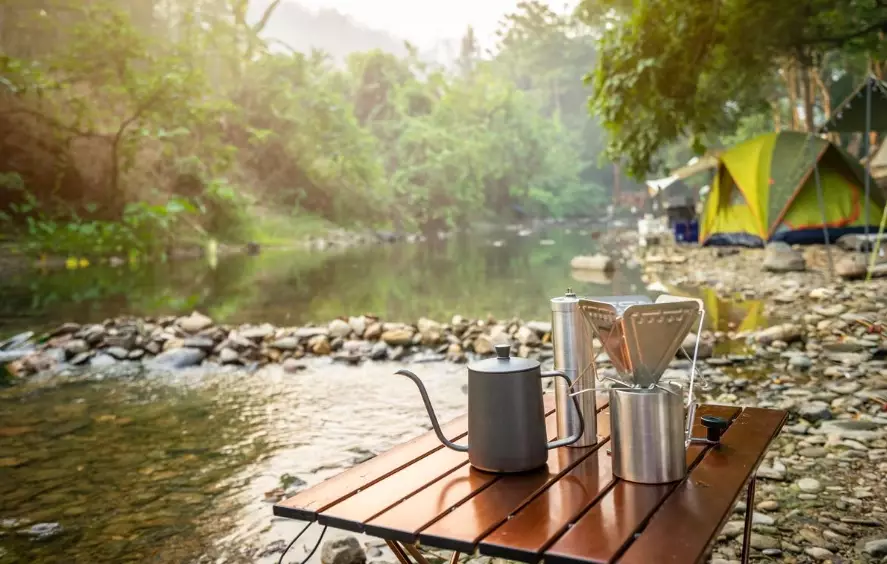
For cooking, a stable stove is key. Those tiny backpacking stoves tip over easily on uneven river rocks. I prefer a slightly wider base model. And pack more fuel than you think. Boiling river water for purification (if you're not filtering) uses a lot.
The One Thing Everyone Forgets
A small mesh bag and carabiner. Sounds trivial. Use it to safely dip and collect water for filtering away from silt, to hang your wet socks to dry in the breeze, or to keep small items like headlamps and lighters off the damp ground. It's endlessly useful.
Top River Camping Spots in the U.S.
Not all river campsites are created equal. Here are a few standout locations that offer reliable access, amazing scenery, and that perfect riverside magic.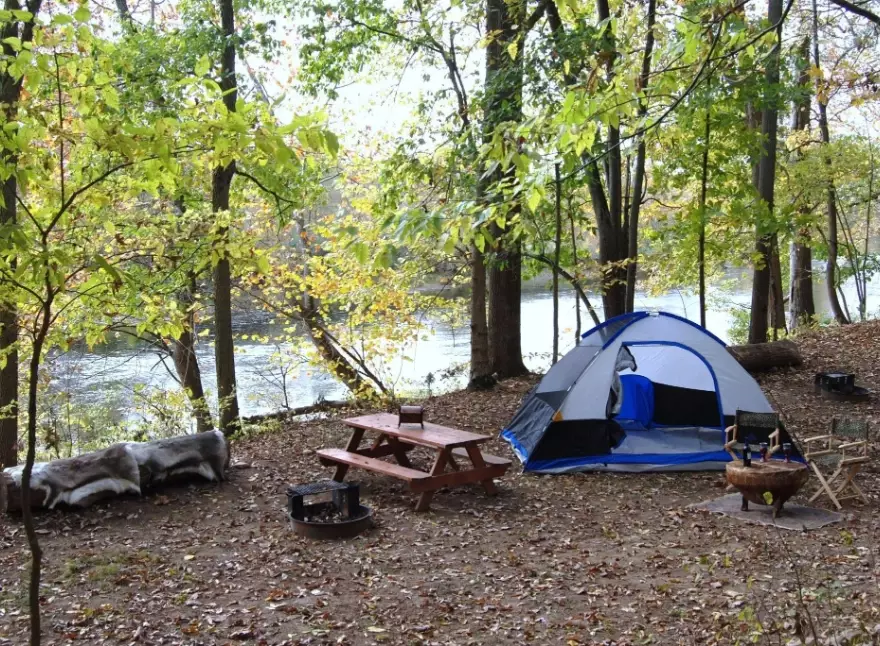
1. The Buffalo National River, Arkansas
This was America's first National River. You can drive-in camp at places like Steel Creek Campground (first-come, first-served, $20/night), which puts you right under massive bluffs with the river steps away. The water is clear and perfect for canoeing. Spring and fall are ideal; summers get hot and crowded. Check the National Park Service site for water levels before you go—it's a working river.
2. The North Fork of the Flathead River, Montana
This forms the western border of Glacier National Park. The scenery is unreal. Look for dispersed camping in the Flathead National Forest along Forest Service roads like FR 486. These are free, primitive sites (no facilities). You need to be self-sufficient, but the reward is solitude with a view of the Livingston Range. Grizzly country—your bear canister isn't optional here, it's a survival tool.
3. The Green River, Utah
Red rock canyon walls and serene water. Green River State Park is a civilized basecamp with water and showers. But for the real experience, get a permit for the Dispersed Camping areas along Labyrinth Canyon. You'll need a watercraft (canoe, kayak) for this one. It's a multi-day float trip, camping on sandy beaches each night. Permits are required and managed by the BLM. The silence in those deep canyons is profound.
A quick note on finding your own spot: When looking at maps for National Forests or BLM land, look for roads that dead-end at the river. Cross-reference with satellite views to see if there's a clear, flat area. Always have a backup plan in case your chosen spot is taken or inaccessible.
River Camping Tips & Safety (The Non-Obvious Stuff)
Beyond the basics of setting up a tent, river camping has its own etiquette and hazards.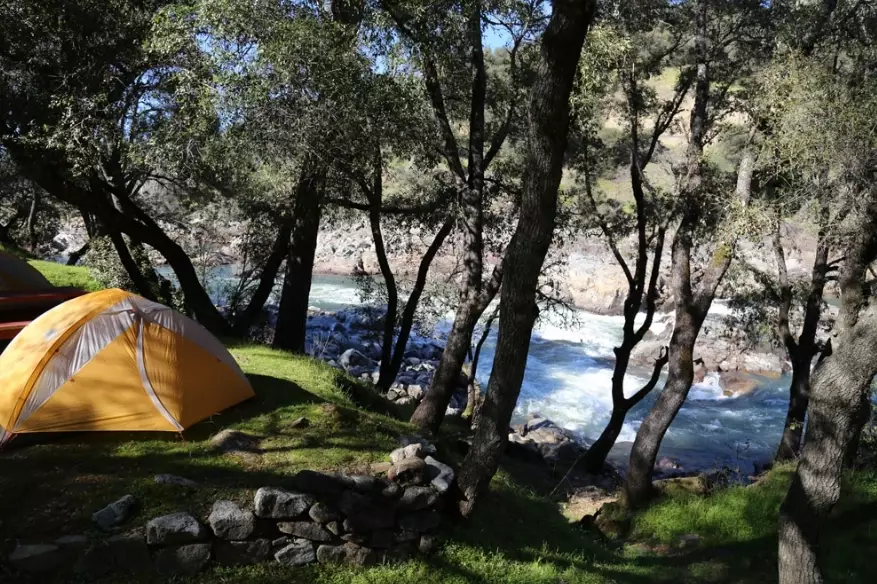
Site Selection is Everything. Everyone wants to be close to the water. Don't. Camp at least 200 feet from the water's edge. This protects fragile riparian vegetation and, more importantly, keeps you safe from sudden flooding. Look for a spot that's not only flat but also has a quick escape route to higher ground. Avoid dry riverbeds (arroyos) entirely—they can flash flood in minutes.
Water Safety is Non-Negotiable. Even a slow-moving river has power. If you're bringing kids, establish a bright-colored clothing rule (red/orange lifejackets always on near water) and set a physical boundary they cannot cross. Never wade or swim alone. Currents can be stronger under the surface, and river rocks are incredibly slippery. Assume all water is cold enough to induce shock.
Managing Moisture and Critters. Everything will feel damp by morning. Keep your clothes and sleepwear in a dry compression sack inside your pack. Never leave boots or shoes outside the tent overnight—they'll be soaked with dew, or worse, become a home for spiders or scorpions in some regions. Hang your pack from a tree limb or a dedicated pole, not on the ground.
Check the water level when you arrive. Mark it with a stick or note a distinctive rock. Check it again before bed and first thing in the morning. A rising river is your cue to move.
Sustainable River Camping: Leave No Trace on the Waterways
Rivers are ecosystems, not just backdrops. Our impact here is magnified because everything flows downstream.
Waste: If there's no toilet, you must pack out solid human waste. Use a portable toilet system or WAG bags. Digging a cat hole is often prohibited within 200 feet of a water source, and for good reason. Contamination travels fast. This is the single most important rule most beginners ignore, and it's why spots get closed down.
Soap and Cleanup: Even biodegradable soap harms aquatic life. Wash dishes, brush teeth, and bathe at least 200 feet away from the river. Use a collapsible bucket to carry water away from the shore. Scatter strained dishwater widely.
Fire: Use existing fire rings. Keep fires small and never leave them unattended. Drown them completely with water (not river water—carry it over) until the ashes are cool to the touch. Better yet, use a camp stove. Firewood often carries invasive insects—buy it locally or use dead and downed wood only if permitted.
Your goal is to leave the spot looking untouched for the next person and the river no worse for wear.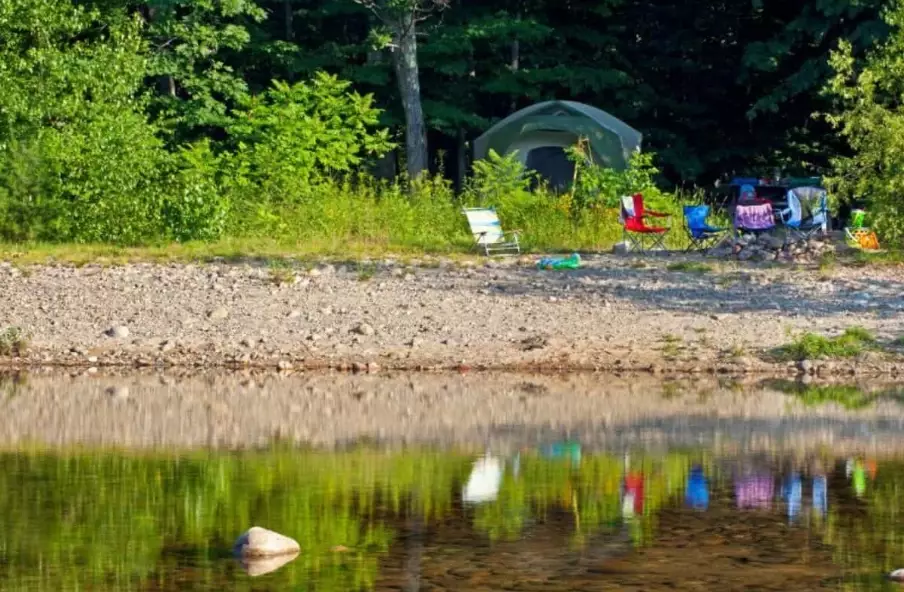
Your River Camping Questions, Answered
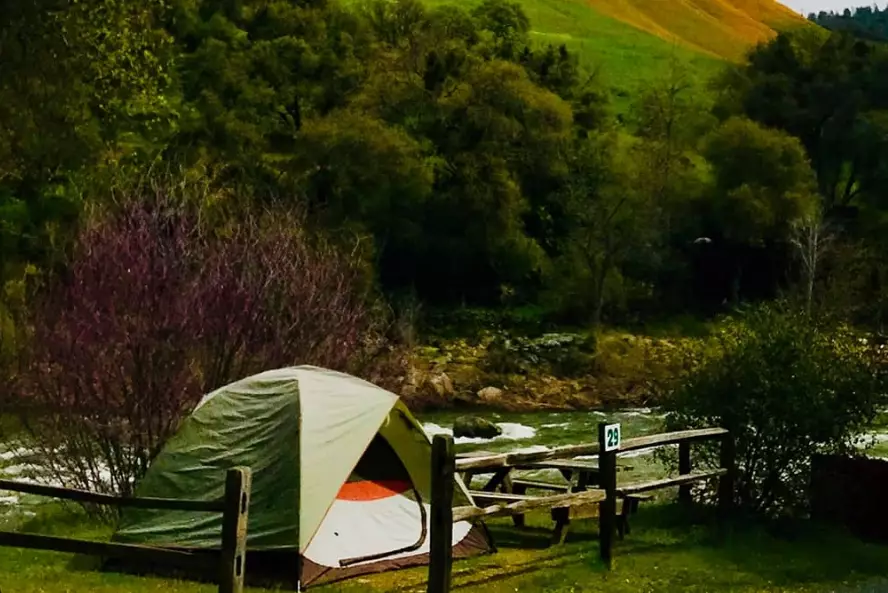 The sound of the river will wash away the noise in your head. With the right prep and respect for the water, you're set for one of the most rewarding camping experiences out there. Start with a well-researched, easy-access spot, nail your gear list, and those river rhythms will do the rest.