You've seen the photos. A rugged vehicle perched on a mountain pass, a rooftop tent against a sunset, the promise of endless dirt roads. That's the overlanding dream sold on social media. The reality is different, messier, and infinitely more rewarding. It's not just off-roading. It's not just camping. Overlanding is vehicle-dependent, self-reliant travel to remote destinations, where the journey itself is the primary goal.
It's about problem-solving, adaptability, and discovering places you can't just drive up to. This guide strips away the Instagram filter. We're talking about the nuts and bolts, the mistakes I've made over a decade, and how you can start smarter.
Your Journey Starts Here: What's Inside
Choosing Your Overlanding Vehicle: Beyond the Hype
Let's kill a myth right away. You don't need a $100,000 bespoke rig to start. You need a capable, reliable platform. The best overlanding vehicle is the one you already own, if it meets a few basic criteria.
I started in a bone-stock Jeep Wrangler JKU. It taught me more about my own limits than any gear list ever could.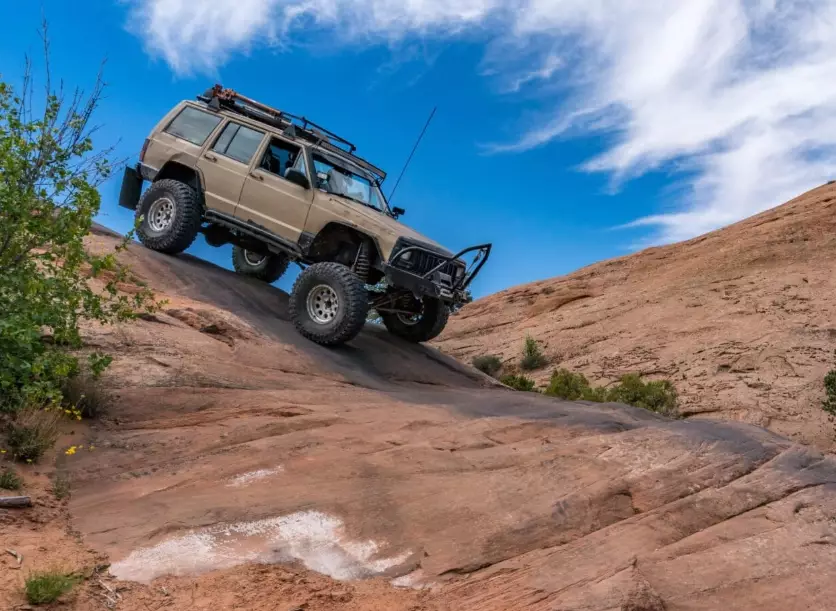
New vs. Used & The Platform Debate
Buying used frees up budget for modifications and repairs. A well-maintained 10-year-old Toyota 4Runner or Ford F-150 is often a better bet than a new base-model SUV stretched to its financial limit.
Platforms break down into categories:
| Vehicle Type | Best For | Common Gotchas |
|---|---|---|
| Midsize SUV (4Runner, Jeep Wrangler) | Balanced size for trails and daily driving. Great maneuverability. | Cargo space gets tight for long trips. Payload capacity is key—don't overload it. |
| Full-size Truck (F-150, Ram 1500) | Maximum payload and power. Endless aftermarket support. | Wheelbase can be a liability on tight, technical trails. Fuel economy. |
| Compact Crossover (Subaru Outback) | Light overlanding, forest service roads, and excellent fuel efficiency. | Limited ground clearance and 4x4 capability. Know its limits to avoid damage. |
The most common mistake? Overbuilding before you understand your needs. That shiny roof-top tent adds weight and height. Do you really need it if you camp below the treeline 90% of the time?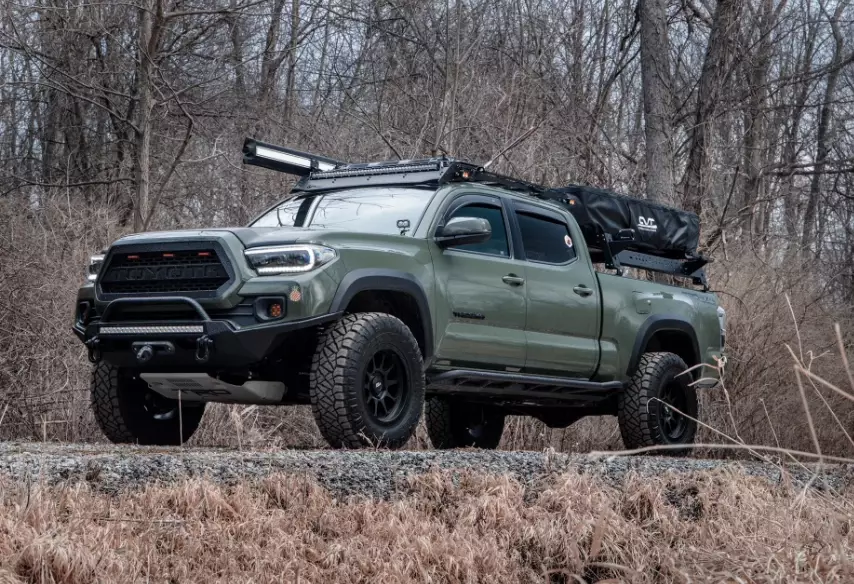
First Mods That Actually Matter: 1) All-Terrain Tires: Your single biggest performance upgrade. Skip the aggressive mud-terrains unless that's your specific need. 2) Recovery Points: Proper front and rear tow hooks or a rated rear receiver. 3) Skid Plates: Protect your oil pan, transmission, and fuel tank before you bash them on a rock.
Essential Overlanding Gear: What You Really Need
Forget the curated kits. Gear solves problems. Pack for the problems you're likely to encounter. This list prioritizes function over fashion.
The Recovery Kit: Your Get-Out-of-Jail-Free Card
This isn't optional. Getting stuck is a when, not an if.
A basic, effective kit includes: A kinetic recovery rope (not a tow strap—they're different and the rope is safer), a pair of traction boards (MaxTrax or similar), a full-size shovel with a D-handle, a tire repair kit and a 12-volt air compressor. Practice using these in a safe, easy spot before you need them in a panic at dusk.
Roof Top Tents vs. Ground Tents: The Real Trade-off
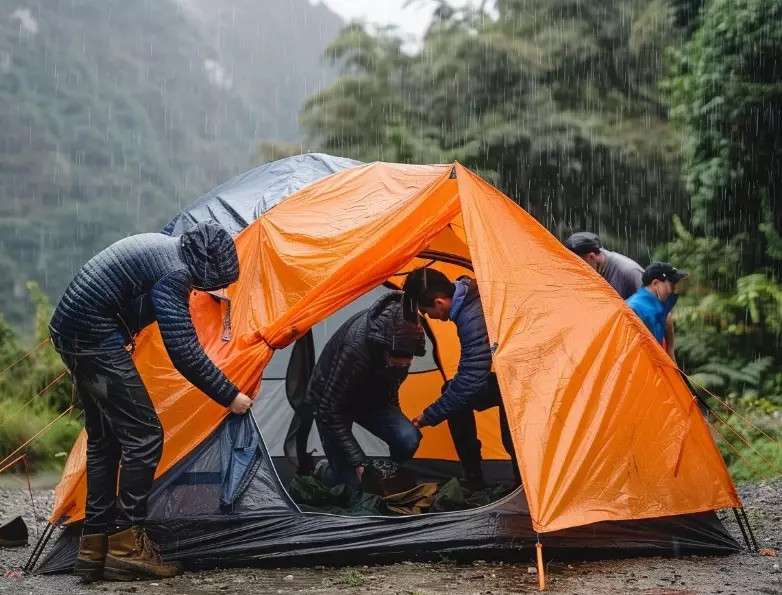
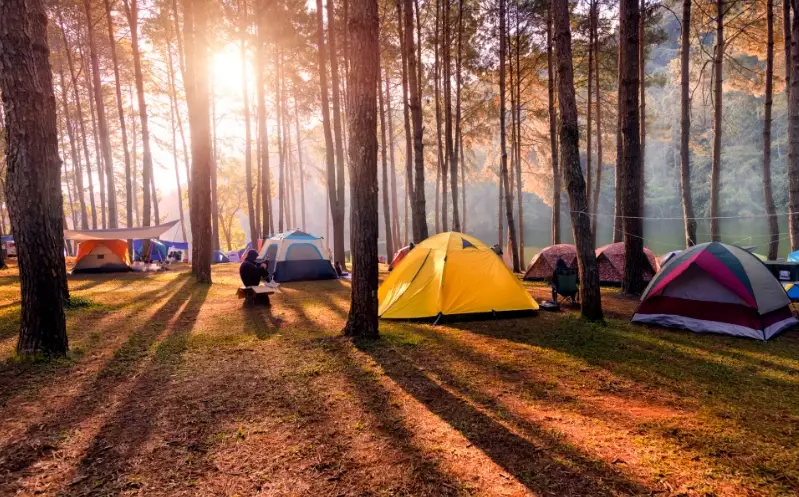
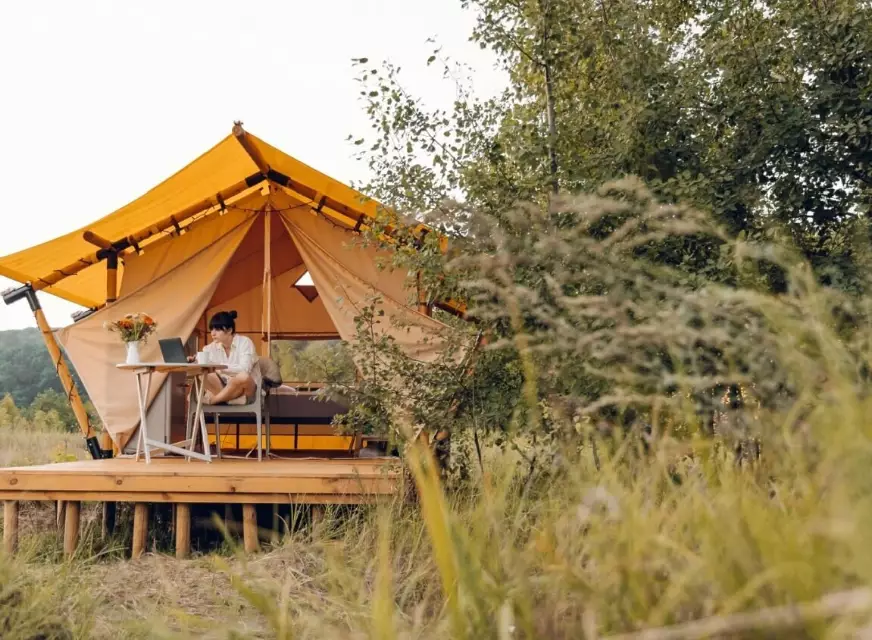
I've used both for years. The RTT advantage is speed, comfort off the ground, and a killer view. The downsides are real: they murder your fuel economy, make your rig top-heavy, and you can't leave camp with your tent set up. A high-quality ground tent (like a Springbar) is cheaper, doesn't affect driving, and lets you explore in your vehicle after making camp. There's no right answer, only what's right for your style.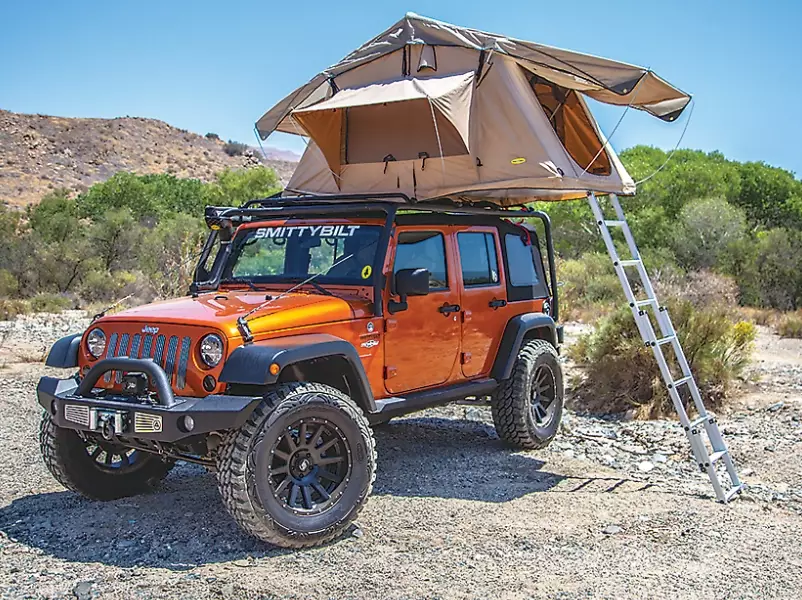
Power & Water: The Lifelines
A dual-battery system or a portable power station (like a Jackery) is a game-changer for running a fridge, charging devices, and powering lights. Start with a portable unit before hardwiring a complex system.
For water, I use a combination: a 7-gallon Rotopax for cooking and cleaning, and a separate 2-gallon drinking water jug with a spigot. Always carry a water filter (a Sawyer Squeeze is tiny and brilliant) as a backup. Treat every water source, even if it looks clean.
Planning Your First Overlanding Route in the USA
Your first trip shouldn't be the Trans-America Trail. Choose a route with bail-out options, cell service patches, and manageable challenges.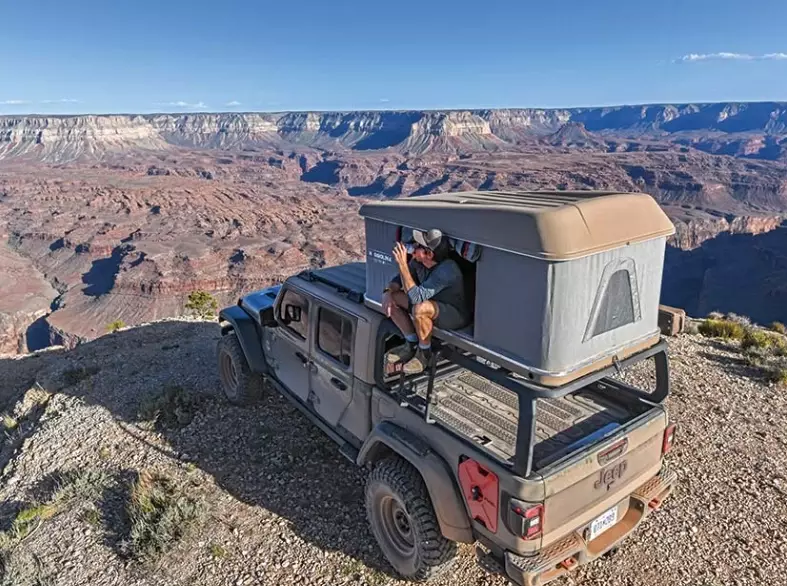
Here are three iconic beginner-to-intermediate routes that offer a real taste of overlanding:
1. The Mojave Road, California/Nevada
Distance: ~140 miles of dirt
Time: 3-4 days
Best Time: October to April (AVOID summer—extreme heat)
The Vibe: Historic wagon trail, epic desert solitude, sand washes, and a few rocky passes. Requires careful navigation (GPS tracks are essential) and you must carry all your water. No services. Camping at the East Mojave's cinder cones is unforgettable.
2. The Alpine Loop, Colorado
Distance: ~65 miles loop
Time: 2-3 days
Best Time: July to September (snow-bound other times)
The Vibe: High-altitude mountain passes (Engineer and Cinnamon), mining ghost towns (Animas Forks), and stunning wildflowers. More technical than Mojave, with some exposed shelf roads. Check conditions with the BLM office in Lake City before you go.
3. The Kentucky Adventure Tour, Kentucky
Distance: ~1,000 miles (choose a section)
Time: 3-7 days
Best Time: Spring through Fall
The Vibe: Lush forests, rolling hills, and countless river crossings. Less about rugged terrain, more about connecting small towns and beautiful backcountry. Great for testing your gear and camping rhythm over multiple days. Lots of dispersed camping options in Daniel Boone National Forest.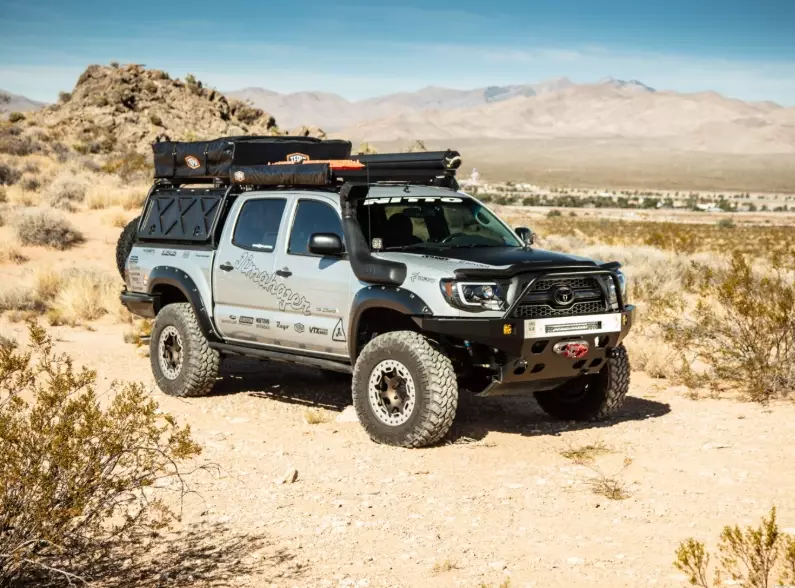
Navigation Critical: Do not rely solely on Google Maps. It will try to put you on private land or non-existent roads. Use dedicated off-road apps like Gaia GPS or OnX Offroad, and always download maps for offline use. Carry paper maps as a final backup.
The Overlanding Mindset & Critical Skills
The vehicle and gear are tools. The skill is in using them, and the mindset is what keeps you safe.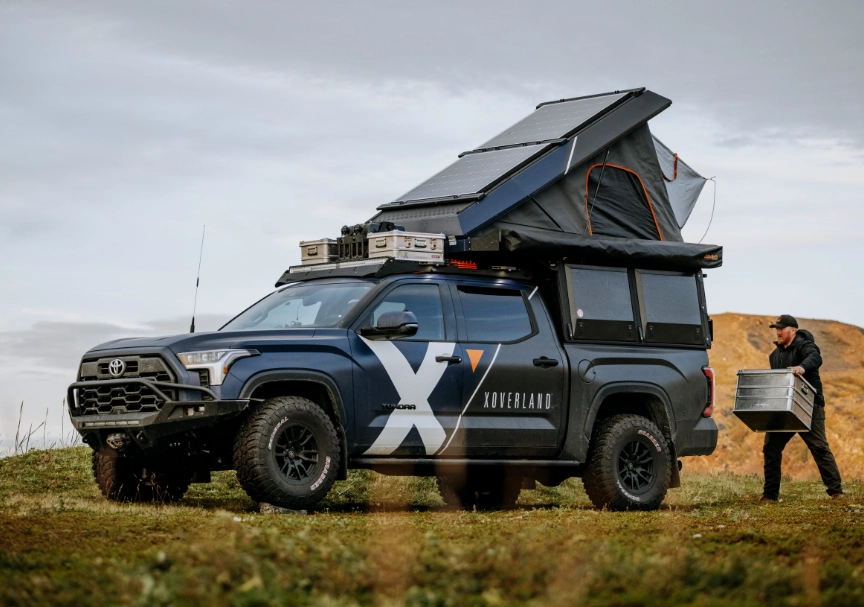
Leave No Trace (LNT): This is non-negotiable. Pack out ALL trash, including toilet paper. Use established fire rings or a portable stove. Camp on durable surfaces. The ethos of Tread Lightly!—responsible use of public lands—is core to overlanding's future. We're guests.
Mechanical Empathy: Learn the sounds your vehicle makes. Know how to check fluid levels, change a tire, and identify a loose bolt. A simple pre-trip inspection (T-CLOCS: Tires, Controls, Lights, Oil, Coolant, Stuff) can prevent 80% of trailside issues.
The goal isn't to conquer the terrain, but to move through it respectfully and sustainably. Some of my best memories are from trips where nothing went wrong—just long days of driving, quiet nights, and the profound satisfaction of being self-sufficient.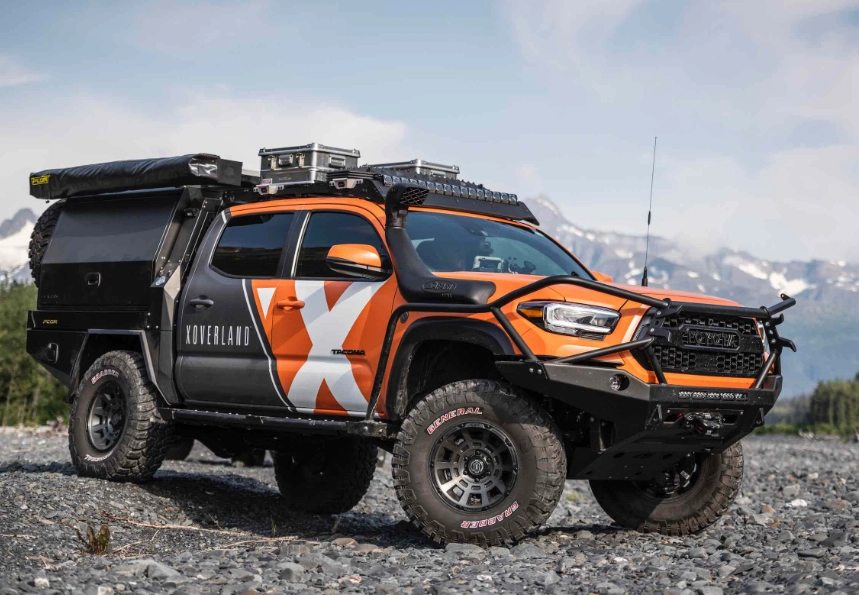
Your Overlanding Questions, Answered
Can I start overlanding with a stock SUV, or do I need major modifications?
You absolutely can start with a stock, capable 4x4 SUV or truck. The most critical initial upgrades are not the flashy ones. Focus on recovery gear (traction boards, a proper shovel, a kinetic rope) and durable all-terrain tires first. These address the most common point of failure for beginners: getting stuck. A lift kit and roof rack can wait. Spend your first trips learning your vehicle's limits and your own comfort zone before investing thousands in modifications you might not truly need.
What is the one piece of overlanding gear most beginners forget but veterans swear by?
A comprehensive physical paper map and the skill to read it. Everyone relies on GPS, but devices fail, batteries die, and satellite signals get blocked in deep canyons. A good old-fashioned map from the Bureau of Land Management or a National Forest, paired with a simple baseplate compass, is your ultimate backup. It forces you to understand the terrain, identify landmarks, and truly know where you are. This skill turns a potential crisis into a minor navigation exercise.
How do I find legal and safe places to camp for free while overlanding?
In the western United States, Bureau of Land Management (BLM) land and National Forests offer extensive opportunities for dispersed camping. The key is knowing the rules. Use official agency websites or apps like OnX Offroad to identify land ownership. Look for established pull-offs or previously used sites to minimize impact. Always follow Leave No Trace principles: camp at least 200 feet from water sources, pack out all waste, and never dig trenches. A good rule is if there's a fire ring already there, it's likely an acceptable spot, but always verify local restrictions, especially during fire season.
Is overlanding safe for solo travelers, especially beginners?
Solo overlanding requires a significant mindset shift from traveling with a group. Your margin for error shrinks to zero. Beyond the essential recovery gear, your #1 priority must be communication. Invest in a satellite communicator (like a Garmin inReach). File a detailed trip plan with someone reliable, including your intended route and check-in times. Choose well-traveled beginner routes for your first solo trips. The risk isn't just mechanical; it's the consequence of a simple injury with no one to help. Build up to remote solo travel gradually, after you've mastered vehicle recovery and problem-solving with a partner.