Quick Navigation
- What Exactly IS a Survival Camp for Adults?
- The Skills You'll Actually Learn (No, Really)
- Why Bother? The Unexpected Benefits Beyond the Skills
- Choosing the Right Camp: A No-Nonsense Checklist
- Gearing Up: What to Pack (And What to Leave at Home)
- Your Questions, Answered (The Stuff You're Actually Wondering)
- Making the Leap: Final Thoughts Before You Go
Let's be honest. The idea has probably popped into your head more than once lately. Staring at another spreadsheet, or sitting in traffic, or just feeling the general weight of modern life. Wouldn't it be amazing to just... walk into the woods for a few days? To actually do something with your hands, to rely on your wits, to feel genuinely capable in a way that doesn't involve a Wi-Fi password?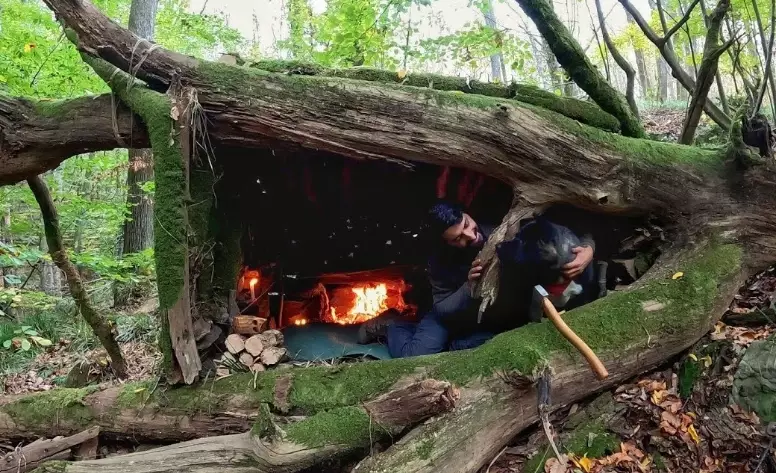
That's the pull of an adult survival camp. It's not about playing soldier or preparing for the apocalypse (though some camps cater to that, sure). For most of us, it's about a reset. A tangible, muddy, sometimes-uncomfortable challenge that promises to give back something real: confidence, perspective, and a few skills you never knew you needed.
I went on my first one a few years back, partly on a whim and partly out of sheer frustration with my desk-bound existence. I remember fumbling with a ferro rod for what felt like hours, my hands numb, while my instructor—a remarkably patient guy named Mark—just watched. When that first spark finally caught the char cloth and a tiny flame emerged, the cheer that went up from our little group was ridiculous. It was just a fire. But it felt like a minor miracle I had created.
This guide is what I wish I'd had before I signed up. We're going to strip away the marketing jargon and get into the nuts and bolts of what a survival camp for adults actually involves, who it's for, and how to find the right one without getting in over your head.
What Exactly IS a Survival Camp for Adults?
Forget any reality TV dramatics. At its core, a modern adult survival camp is a structured, facilitated outdoor education experience. It's designed for grown-ups who have jobs, responsibilities, and maybe a knee that clicks sometimes. The focus is on teaching practical, primitive, and bushcraft skills in a safe(ish) and controlled environment.
Think of it less like boot camp and more like a very hands-on, immersive workshop where the classroom has no walls. The goal isn't to break you down, but to build you up by teaching you how to meet your basic needs with minimal gear.
Key Distinction: There's a spectrum. On one end, you have "bushcraft" courses that are heavier on crafting, natural materials, and comfortable wilderness living. On the other, you have "survival" courses that focus more on emergency scenarios, improvisation, and the psychology of staying alive. Most adult survival camps blend these elements.
Why are they booming now? I think it's a perfect storm. We're digitally saturated but physically disconnected. We crave authenticity. Learning to start a fire with a bow drill is about as authentic as it gets. There's also a growing, healthy interest in self-reliance. Knowing you can handle yourself if things go sideways on a hike, or during a power outage, is a powerful feeling.
The Skills You'll Actually Learn (No, Really)
This is the good stuff. What can you expect to walk away knowing? The curriculum varies, but any reputable survival camp for adults will cover what's often called the "Rule of 3s" or "Core 4" priorities.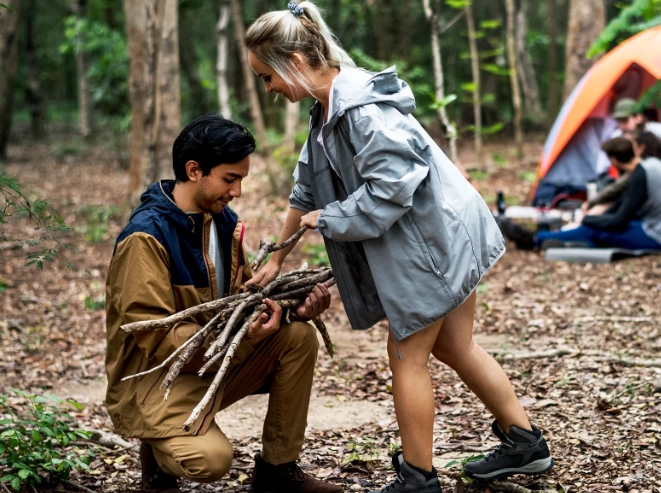
Shelter: Your First Line of Defense
Hypothermia is a real risk, even in mild weather. You'll learn to build emergency shelters using what's around you—a debris hut, a lean-to, an A-frame. It's harder than it looks on YouTube. Selecting the right site (not in a wash, away from dead trees), insulating properly, and making it weather-resistant is a full-body puzzle. My first shelter was... drafty. Let's leave it at that.
Fire: The Ultimate Tool
This is often the most satisfying skill. You'll move beyond lighters and matches. Expect to get familiar with:
- Ferrocerium Rods: The modern standard. Reliable but requires good tinder preparation.
- Bow Drill: The classic friction fire method. It's a rite of passage. It demands technique, patience, and the right materials. When you get your first coal this way, you'll feel like a wizard.
- Fire Layouts: Teepee, log cabin, star fire—each has a purpose for cooking, warmth, or signal.
- Tinder Selection: Identifying dry grass, birch bark, fatwood, and making char cloth or a bird's nest of fine fibers.
Water: Finding and Making it Safe
You can't just drink from any stream. Giardia is a miserable souvenir. You'll learn to locate water (following animal trails, low terrain), and most importantly, purify it. Methods covered usually include boiling (the gold standard), chemical treatment (iodine/chlorine tablets), and basic filtration using layered materials. Some advanced camps might introduce solar stills.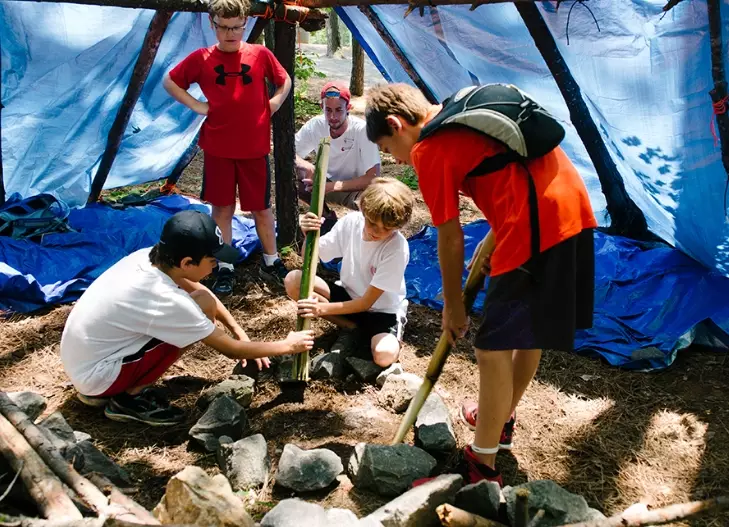
Food & Foraging (The Bonus Round)
While not always a primary focus in short courses, many adult survival camps introduce the basics. This is critical: never eat anything you can't 100% identify. You'll likely learn a handful of universal edibles (like cattail, dandelion, pine needles for tea) and perhaps some basic trapping principles (snares, deadfalls) for small game. The emphasis is always on calorie conservation and safe identification. The US Forest Service's Ethnobotany database is a fantastic resource to start studying beforehand, but nothing beats in-person instruction from a knowledgeable guide.
And then there's the unspoken fifth pillar: mindset. Learning to manage fear, frustration, and fatigue. That's often the biggest takeaway from any survival camp for adults.
Why Bother? The Unexpected Benefits Beyond the Skills
Sure, you learn to make fire. But people come back from these experiences glowing for other reasons.
Here’s what you’re really signing up for:
- A Digital Detox That Actually Works: Your phone is off (or dead). The constant ping is gone. The mental space that opens up is profound.
- Problem-Solving Reboot: Modern problems are often abstract and endless. A survival problem is concrete and solvable. "I need to stay warm" leads to "I need to build a shelter," which leads to gathering branches, arranging them, adding insulation. The cause-and-effect is immediate and satisfying.
- Genuine Confidence: It's not bluster. It's the quiet knowledge that you can handle discomfort and figure things out. That confidence leaks back into your daily life.
- The Joy of Incompetence (Temporarily): As adults, we hate being bad at things. At a survival camp for adults, everyone is a beginner. It's liberating to laugh at your own clumsy knots and try again.
It's not all zen and personal growth, though. You will be tired. You might be cold or wet. You'll probably get a few blisters. But that's part of the package—the minor suffering is what makes the accomplishments meaningful.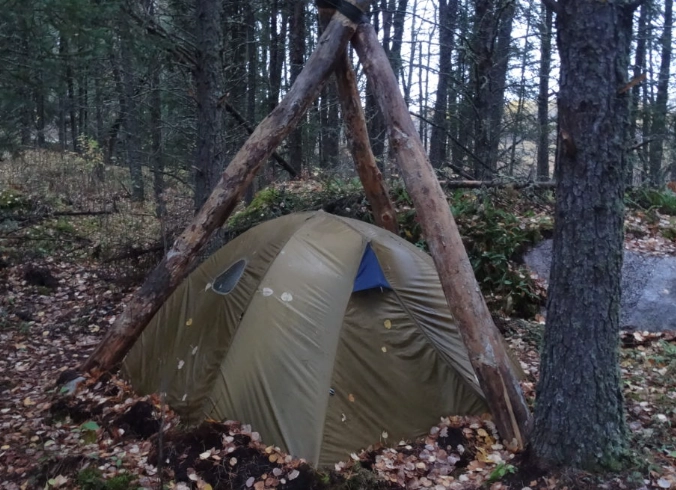
Choosing the Right Camp: A No-Nonsense Checklist
This is where you need to do your homework. Not all programs are created equal. Picking the wrong one can range from disappointing to dangerous.
| Camp Type / Focus | Best For... | Typical Duration | Physical Demand |
|---|---|---|---|
| Weekend Introduction | Absolute beginners, curious folks wanting a taste. Focus on core skills (fire, shelter, water). | 2-3 days | Low to Moderate |
| Wilderness Bushcraft | Those wanting deeper craft skills: carving, advanced shelters, natural cordage, foraging. | 3-7 days | Moderate |
| Emergency Survival | Focus on urban/wilderness disaster prep, emergency kits, crisis mindset. | 2-4 days | Varies |
| Advanced/Primitive | Experienced students. Flintknapping, tanning hides, long-term primitive living. | 5+ days | High |
Questions to Ask Before You Pay a Dime:
- Instructor Credentials: This is huge. Look for backgrounds in wilderness guiding, search and rescue (SAR), military survival instruction (like former SERE specialists), or extensive tracking/bushcraft lineages. Certifications from bodies like Wilderness Medicine Institute (WMI) or NOLS are strong indicators of professional training.
- Student-to-Instructor Ratio: Anything better than 8:1 is good. For hands-on skills, 6:1 or lower is ideal.
- Safety Protocol: How do they handle medical emergencies? Is there a satellite communicator (e.g., Garmin inReach) on site? What is their evacuation plan? A reputable outfit will be transparent about this.
- What's Provided vs. What to Bring: Get a detailed gear list. Do they provide knives, saws, tarps? Or is it BYO? A good program usually provides the group tools and specialized gear.
- Philosophy: Is it "tough love" or supportive coaching? Know what environment you thrive in.
Red Flag Alert: Be wary of programs that promise "extreme" suffering as the main goal, have vague safety answers, or instructors whose main credential is a popular YouTube channel with no real-world guiding experience. Your safety depends on their judgment.
Gearing Up: What to Pack (And What to Leave at Home)
You don't need $2000 worth of tactical gear. In fact, bringing too much fancy stuff misses the point. Most camps will send you a list, but here are the universal essentials for any adult survival camp.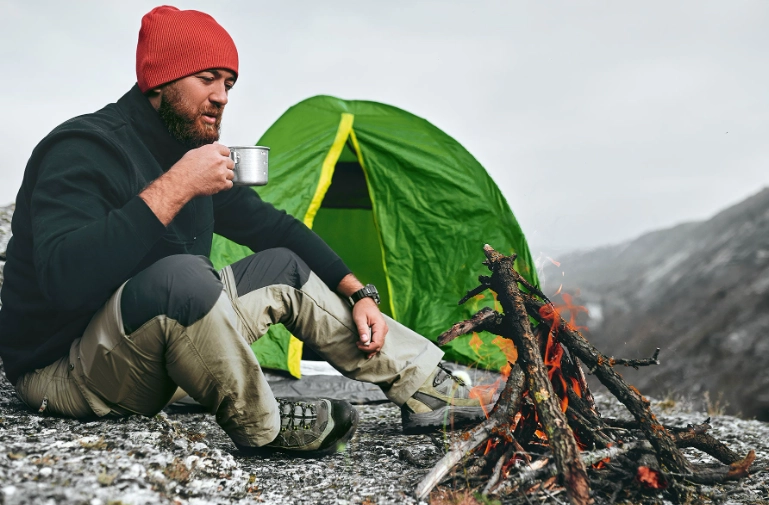
The Non-Negotiables
- Footwear: Sturdy, broken-in hiking boots or trail shoes. Waterproof is a plus. Blisters are the number one mood-killer.
- Clothing System (Layering): NO COTTON. It kills when wet. Merino wool or synthetic base layers, insulating mid-layer (fleece/puffy), waterproof/windproof shell.
- Rain Gear: A real rain jacket and pants, not a poncho that shreds in the wind.
- Sleeping System: A warm sleeping bag (rated 10-20°F below expected low) and a sleeping pad for insulation from the ground.
- Illumination: Headlamp with extra batteries. A small backup flashlight is wise.
- Personal First-Aid Kit: Band-aids, moleskin, antiseptic wipes, personal meds.
- Cutting Tool: A fixed-blade knife (4-5 inch blade) with a full tang. A folding saw (like a Silky or Bahco) is a game-changer for processing wood.
- Water Containers: Two 1-liter bottles or a hydration bladder.
- Mental Gear: A notebook, pencil, and a seriously positive attitude.
What to leave behind? Your ego, mostly. Also, excessive electronics, heavy books, and any notion of staying clean. You're going to get dirty. Embrace it.
Your Questions, Answered (The Stuff You're Actually Wondering)
Let's tackle the common hesitations head-on.
Making the Leap: Final Thoughts Before You Go
If you've read this far, the seed is planted. The idea of attending a survival camp for adults isn't just a passing fancy.
My advice? Start small. Book a weekend introductory course. See how it feels. The skills you learn—how to prioritize, how to stay calm, how to create a spark from almost nothing—they have a funny way of sticking with you.
It won't always be fun in the moment. There will be times you question your life choices as you're gathering wet leaves in the rain. But I've never met anyone who regretted it. The stories you'll tell, the quiet confidence you'll carry, and the simple ability to look at a forest and see not just trees, but resources, shelter, and possibility—that's the real trophy you bring home.
And who knows? That ability to start a fire in the rain might just come in handy someday, even if it's just to impress your friends at a backyard campfire. The point is, you'll know you can.
Now, go find your course. The woods are waiting.