Quick Guide
- Decoding the Different Types of Queen Camping Mattresses
- The Critical Factors You Must Compare (Beyond Just Comfort)
- Matching the Mattress to Your Actual Camping Style
- Essential Accessories You Haven't Thought Of (But Need)
- Care, Maintenance, and Making It Last
- Answers to Your Real-World Questions
- Wrapping It Up: Your Action Plan
Let's be honest, a good night's sleep can make or break a camping trip. You spend all day hiking, exploring, or just soaking in nature, and the last thing you want is to spend the night tossing and turning on a hard, lumpy surface. That's where the search for a great queen camping mattress begins. It's not just a piece of gear; it's your ticket to waking up refreshed and ready for another day of adventure.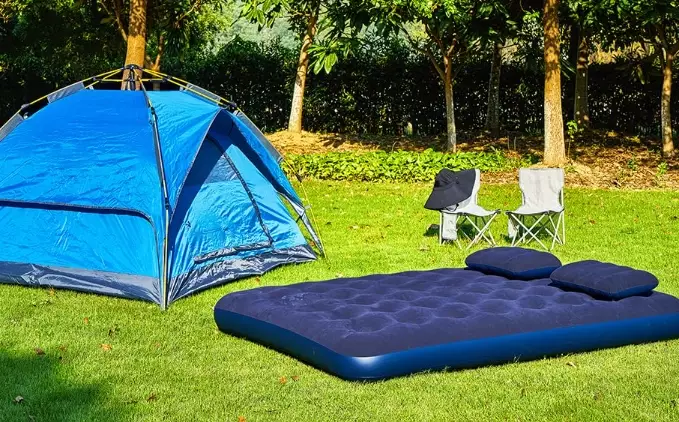
I've been through my share of bad sleep setups—from thin foam pads that felt like sleeping on the ground to air mattresses that decided to deflate at 3 AM. It's frustrating. That experience is what pushed me to really dive deep into what makes a queen size camping pad work. This guide is everything I wish I'd known before buying my first one.
We're going to move beyond the basic specs and talk about what it's actually like to use these things. We'll look at the different types, from self-inflating pads to memory foam toppers, and figure out which one might be your perfect match. Whether you're a couple looking for a cozy double bed under the stars or a family needing extra sleeping space, a queen camping mattress is a game-changer. But only if you pick the right one.
Queen Size Reality Check: A standard queen mattress is 60 inches wide by 80 inches long. In the camping world, you'll find some variation. Some are a touch shorter (78 inches) to save pack space, which is fine if you're under 6 feet tall. Always check the exact dimensions. That extra width compared to two singles is what makes it perfect for couples who like to actually sleep close, or for a parent and child sharing a tent.
Decoding the Different Types of Queen Camping Mattresses
Not all queen camping mattresses are created equal. The technology and materials vary wildly, and each type has its own personality. Your choice here will determine your comfort, how easy it is to set up, and how much space it takes up in your car.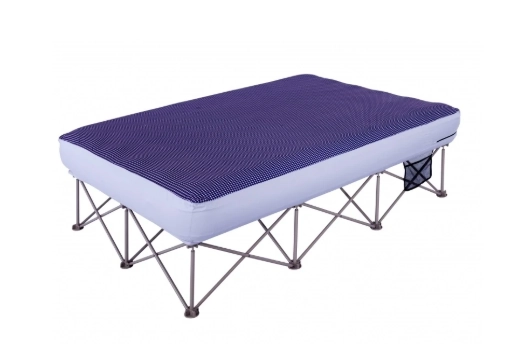
Air Beds: The Classic (But Sometimes Problematic) Choice
When most people think of a queen camping mattress, they picture an air bed. You know, the kind you plug into your car's outlet or pump up by hand. They're popular for a reason: they're often the cheapest option upfront and can feel very plush when fully inflated.
But here's my gripe with them. They're terrible at insulation. Air is a great conductor of temperature. On a cool night, that queen air mattress for camping will suck the warmth right out of you unless you pile on tons of blankets or put a foam topper on it. I learned this the hard way on a fall trip in the mountains—woke up shivering despite a decent sleeping bag.
The other major issue is reliability. A slow leak is almost a rite of passage. Higher-end models with thicker, multi-layer PVC or TPU fabric are better, but you're still trusting a single seam or valve. If you go this route, a repair kit is non-negotiable. Look for beds with "coil" or "I-beam" construction internally; they tend to feel more like a real mattress and prevent that annoying rolling-together feeling when two people share it.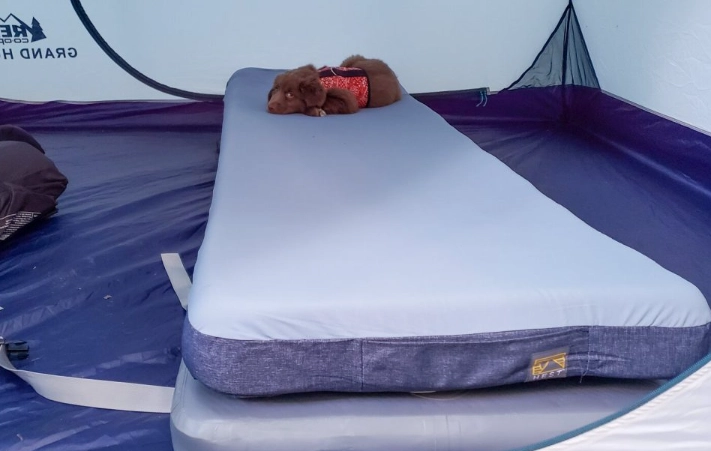
I once bought a seemingly great queen air mattress from a big-box store. It was thick, had a built-in pump, and was a breeze to inflate. Night one was glorious. Night two, we woke up on a slope, our hips nearly touching the ground. A tiny pinhole leak near the valve. The repair goo helped for a night, but the trust was gone. I became a paranoid mattress-checker for the rest of the trip.
Self-Inflating Pads: The Smart Camper's Sweet Spot?
This is where technology gets clever. A self-inflating queen camping mattress is essentially a foam core inside an airtight shell. You open the valve, the foam expands and sucks air in. You then top it off with a few breaths or a pump to reach your desired firmness. Close the valve, and you're done.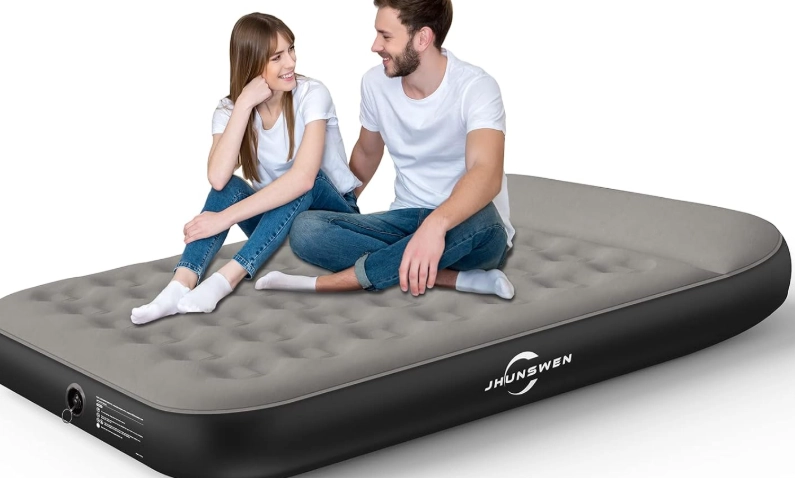
The foam core is the magic ingredient. It provides insulation (that R-value you hear about) and structure. You're not sleeping on a balloon; you're sleeping on supportive foam with air adjusting the feel. The comfort level is consistently high, and they're much more puncture-resistant than straight air beds.
The trade-off? They are heavier, bulkier when packed, and more expensive. A good queen-sized self-inflater is an investment. They also take a few minutes to self-inflate and then require you to finish the job. But for three-season camping where temperatures dip, the insulation alone makes them worth a long, hard look.
Pro Tip: When packing a self-inflating pad, don't roll it super tight like a sleeping bag. Instead, fold it in sections and then roll it loosely. This puts less long-term stress on the foam cells and the internal baffles, helping it last for years.
Closed-Cell Foam Pads: The Rugged, No-Fuss Foundation
These are the simple, indestructible workhorses. Think of the classic blue or silver foam pad. A queen size version is just a big sheet of this dense foam. There's no air. Nothing to puncture. You just unroll it and sleep.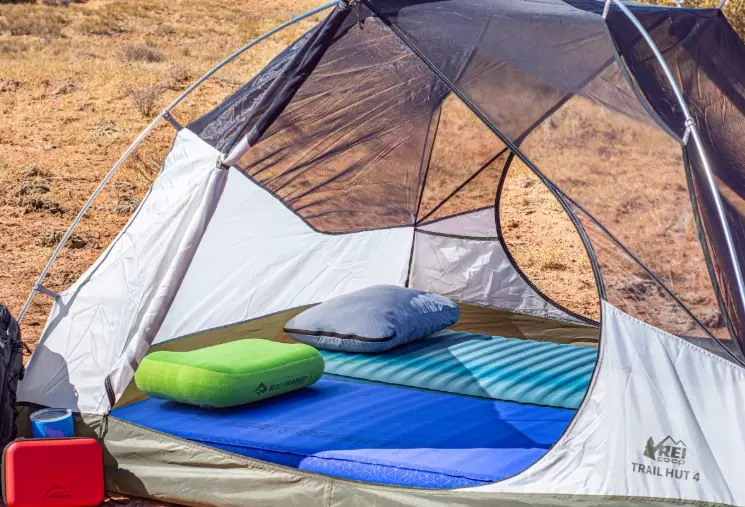
They are incredibly light, cheap, and provide a reliable, if modest, barrier between you and the ground. Their R-value is low, so they're not great for cold weather alone. But here's a killer use for them: as a base layer. Put a queen closed-cell foam pad down first, then put your fancy inflatable queen camping mattress on top. The foam pad protects the air mattress from sharp things, adds extra insulation, and gives you a backup plan if the air mattress fails. For the weight and cost, it's brilliant insurance.
The comfort is basic, but some backpackers swear by them because they never fail. You can also cut them to custom fit your tent floor.
Hybrid and Cot-Mattress Combos
This is the luxury end of the spectrum. Some systems combine a folding cot frame with a specifically sized queen camping mattress that sits on top. This gets you completely off the ground, which is amazing for airflow, storage underneath, and that "real bed" feeling. Other hybrids might pair a low cot with a thick self-inflating pad.
The downside is complexity, weight, and packed size. This is car-camping-only territory. But if comfort is your absolute top priority and you have the space, it's hard to beat. It turns your tent into a proper bedroom.
A Quick Reality Check: The most comfortable queen camping mattress in the world is useless if it doesn't fit in your tent. Before you buy, lay a tape measure in your tent. Remember to account for the sloping walls. A 60x80 rectangle needs a tent with a near-perfect rectangular floor of at least 62x82 inches to be comfortable.
The Critical Factors You Must Compare (Beyond Just Comfort)
Okay, so you know the types. Now let's get into the nitty-gritty details that separate a good purchase from a regret. This is where you need to be honest about your own camping style.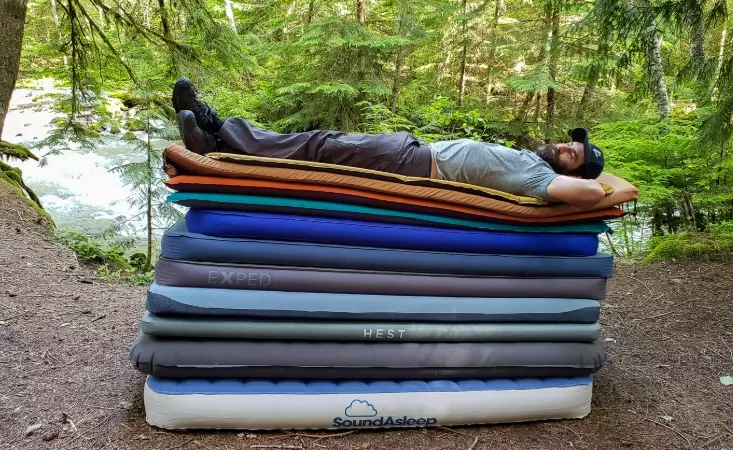
| Feature | What It Means | Why It Matters for a Queen Mattress | My Personal Take |
|---|---|---|---|
| R-Value (Insulation) | A measure of thermal resistance. Higher number = better insulation from cold ground. | Critical for cool-weather camping. A queen-sized body has more surface area losing heat. Look for R-value of 4+ for 3-season, 6+ for winter. | This is the spec I ignored on my first air bed. Never again. It's the difference between sleeping and shivering. |
| Pack Size & Weight | How small it rolls/folds and how much it weighs. | Queen mattresses are big. A bulky one can consume half your car trunk. Weight matters if you hike to your site. | Check the "packed" dimensions online, then visualize that box in your vehicle. It's often bigger than you think. |
| Material Durability | Denier (D) rating of fabric, type of coating (PVC, TPU). | Higher denier (e.g., 75D, 150D) means tougher, more puncture-resistant fabric. TPU is often more eco-friendly than PVC. | Thinner 40D fabric is a risk on rocky ground. For a long-term investment, thicker is better. TPU feels nicer, less plasticky. |
| Inflation/Deflation Method | How you get air in and out (built-in pump, manual pump, breath). | A built-in electric pump is a huge luxury for a large queen air mattress. Deflation speed is just as important for packing up. | Blowing up a queen mattress by mouth is a great way to get lightheaded. A pump is mandatory in my book. |
| Noise | The crinkly or rustling sound the material makes. | Some materials are very loud. Every time you or your partner moves, it sounds like you're wrestling a chip bag. | Test this if you can. A noisy mattress can ruin the peaceful vibe of camping. Nylon tends to be quieter than some PVCs. |
| Height/Thickness | How far off the ground you are when inflated. | Thicker (8-12 inches) feels more like a bed and is easier to get out of. Thinner (2-4 inches) is more stable in wind and packs smaller. | I love a thick mattress, but they can feel a bit bouncy or tippy. There's a sweet spot around 6-8 inches for stability and comfort. |
See? It's more than just picking the prettiest one. A high R-value might mean a bulkier pad. A super compact queen camping mattress might be thinner and less cushy. You have to decide what trade-offs you can live with.
Let's talk about setup for a second. After a long drive, the last thing you want is a 20-minute struggle with a pump. I now prioritize ease of inflation. A built-in, battery-operated pump or a fast manual foot pump is worth every extra penny. Trust me on this.
Matching the Mattress to Your Actual Camping Style
This is the most important part of the whole decision. The "best" queen camping mattress doesn't exist. The best one for you does. Let's break it down by scenario.
For Car Camping Couples: The Comfort Kings & Queens
If your car is parked right next to your tent, weight and pack size matter less. This is where you can go for maximum comfort. My recommendation here often leans towards a thick, insulated air bed with a built-in pump, or a high-end self-inflating pad.
Look for features that enhance the couple's experience:
- Dual Chambers: Some higher-end queen air mattresses for camping have two separate air chambers side-by-side. This means each person can adjust their own firmness. If one likes it rock hard and the other likes it soft, this is a marriage saver.
- Non-Slip Top: A flocked or textured top keeps your sheets and sleeping bags from sliding off all night.
- High Weight Capacity: Ensure the combined weight rating is well above you and your partner's weight, plus any gear you might have on the bed. A 600 lb capacity is a good safe target.
You can even add a 2-inch memory foam topper from home for insane comfort, though that's definitely glamping territory.
For Family Camping: Durability and Simplicity
When kids are involved, the game changes. The queen camping mattress might be for parents, or it might be a shared bed for multiple kids. Durability becomes priority number one. Little feet, toys, and general chaos are part of the equation.
A robust self-inflating pad or a simple, thick closed-cell foam pad are fantastic choices here. They can take the abuse. If you go with an air bed, make it the toughest, highest-denier one you can find.
Setup speed is also huge. You're managing kids, maybe it's getting dark, everyone's tired. A mattress that inflates in 2 minutes with a powerful pump is a parenting win. Avoid anything finicky.
Also, consider the cleaning factor. Can you wipe it down easily? Does it have a removable, washable cover? Spills are a guarantee.
For the Occasional Festival or Backyard Guest
If you're only using it a few times a year in fair weather, you might not need a top-of-the-line insulated model. A basic queen air mattress from a reputable brand can do the trick. Just manage your expectations. It'll be fine for a warm summer night but probably cold in the fall.
The key here is storage. Make sure you dry it completely before packing it away for months, or you'll open a bag of mildew next year.
Essential Accessories You Haven't Thought Of (But Need)
A mattress rarely works in isolation. These extras can elevate your sleep system from good to legendary.
- A Ground Cloth or Footprint: This goes *under* your tent, but having a clean, flat, puncture-free surface for your tent floor directly protects your queen camping mattress inside. It's a first line of defense.
- A Battery-Powered Pump (if not built-in): Even for self-inflaters, a small battery-powered pump to top it off is so much better than huffing and puffing. Look for ones with multiple nozzles.
- A Repair Kit: It should come with the mattress. If it doesn't, buy one. Practice using the patch on an old pool toy before you need to do it in the dark.
- Fitted Sheets: Standard queen fitted sheets often work on thick camping mattresses. They keep everything in place and feel like home. Bring two sets in case one gets damp.
- A Mattress Pad or Blanket Layer: A thin fleece or wool blanket placed on top of the mattress, under your sheet, adds micro-insulation and softness. It's a simple, cheap comfort hack.
Care, Maintenance, and Making It Last
A good queen camping mattress isn't cheap. Treat it right, and it'll be with you for a decade of adventures.
Cleaning: Never use harsh chemicals. Mild soap, warm water, and a soft cloth or sponge. For the top, a light wipe-down after each trip is enough. For self-inflators, occasionally open the valve and wipe the inside of the air channel to prevent mold (let it dry completely afterward).
Drying: This is the #1 killer. You MUST ensure it's 100% bone-dry before storing it long-term. Inflate it in your garage or living room for a day after your trip. Any moisture inside will lead to mildew, and that smell is impossible to remove.
Storage: Store it loosely rolled or flat in a cool, dry place. Don't store it compressed in its stuff sack for months on end; this can permanently damage the foam in self-inflators. I keep mine under a bed or on a shelf in its storage bag, not crammed in a tight gear closet.
Patching: Find a leak? Mark it, deflate the mattress, clean and dry the area thoroughly, apply the patch according to the kit instructions, and let it cure for as long as it says—don't rush it. Apply pressure evenly.
Quick Answer: Can you use a regular home queen mattress topper for camping? You can, but it's not ideal. They are not designed for moisture, condensation, or packing. They offer zero insulation from the ground (R-value near 0). If you do, put it on top of an insulating pad, not directly on the tent floor. A dedicated camping pad is a better tool for the job.
Answers to Your Real-World Questions
Wrapping It Up: Your Action Plan
Choosing the right queen camping mattress feels overwhelming, but if you break it down, it's straightforward.
First, be brutally honest about how you camp. Car, kayak, or hike? Mostly summer or four seasons? Just you and a partner, or a whole crew?
Second, decide which type aligns with that style and your budget. Remember the trade-offs: air beds for plush comfort and value (but watch the insulation), self-inflators for reliable warmth and support (but they cost more and are bulkier).
Third, dive into the specs table. Let your priorities guide you. Is a small pack size non-negotiable? Then R-value and thickness might suffer. Is winter camping the goal? Then R-value is your king, and you'll have to live with a bigger roll.
Finally, think of it as a system. The mattress is the core, but the pump, the ground protection, and the care you give it are what make it work year after year.
The goal isn't to find a perfect piece of gear. The goal is to get better sleep outdoors so you can enjoy your days to the fullest. A well-chosen queen camping mattress removes a major point of friction from your trip. It turns the sleeping part from something you endure into something you actually look forward to—curling up in a warm, comfortable bed after a day in the fresh air, listening to the sounds of nature.
That's worth the research. Now go get some rest.