Let's be honest. A campfire is the soul of a camping trip. The crackle, the warmth, the way it pulls stories out of people. But that soul can turn into a nightmare in seconds. I've seen it. A gust of wind, a distracted moment, and a cozy fire becomes a racing line of flame. After twenty years of guiding and camping, I've learned that campfire safety isn't about a list of rules you forget. It's a mindset. It's about understanding that fire is a guest, not a resident, and you're its very strict host.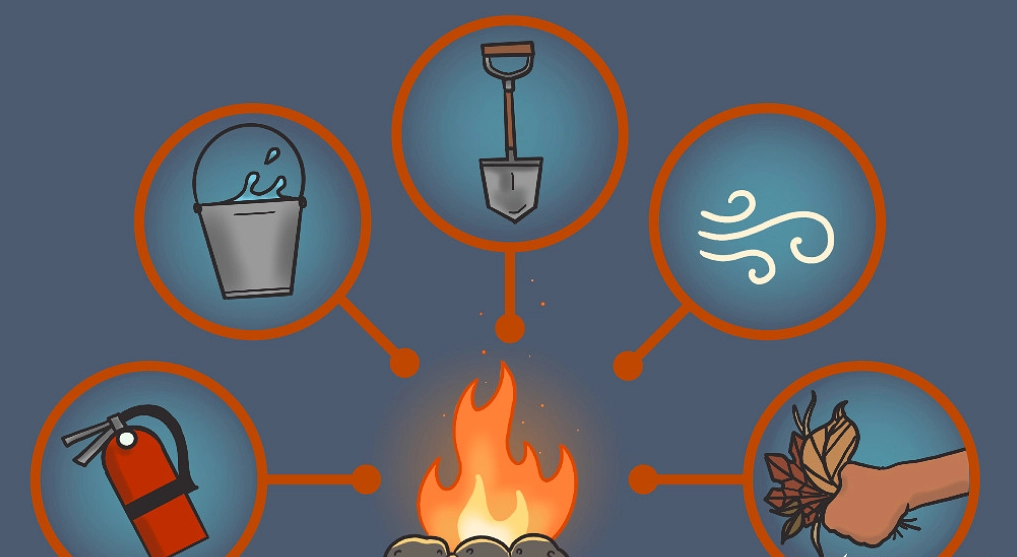
What You'll Find in This Guide
Before You Strike a Match: The Non-Negotiables
This is where 90% of mistakes happen, before the first spark. You're excited, it's getting dark, you just want a fire. Slow down.
Check the rules. Every time. Don't assume. Fire bans are not suggestions. They're based on real-time data from forestry services. A quick call to the ranger station or a check on the local forestry website (like Recreation.gov for US federal lands) can save you a huge fine and prevent a disaster. I've been turned around at a trailhead because of a last-minute ban. It's frustrating, but it's responsible.
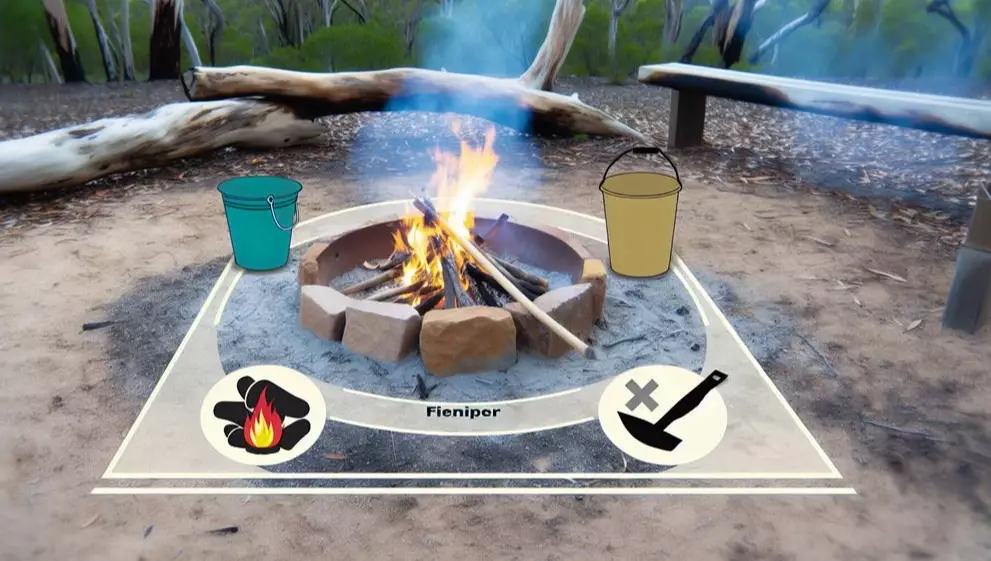
Site selection is everything. If there's a metal fire ring, use it. It's there for a reason. If you're in a remote area where you must make a new spot, here's the drill:
- Find a spot at least 15 feet from tents, overhanging branches, logs, and dry grass. Double that distance if it's windy.
- Look up. No branches overhead. Ever.
- Clear a 10-foot diameter circle down to bare soil. I mean bare. Scrape away every leaf, twig, and blade of grass.
- Dig a pit about 6-8 inches deep. Pile the dirt around the edge to make a berm.
- Circle your pit with rocks. Not tiny pebbles. Large, stable rocks that won't explode from heat (avoid river rocks with moisture inside).
Your prep kit is non-negotiable: a full bucket of water, a shovel, and a fire extinguisher if you have one in your car. Have them right next to the fire site before you light anything. Not ten feet away. Right there.
How to Build a Campfire Safely (The Right Way)
Forget the teepee versus log cabin debate for a second. The principle is airflow. Start small, grow slowly.
Fire Lay 101: The Upside-Down Fire
My personal favorite for safety and ease. You start with the biggest logs on the bottom, and the tinder on top. The fire burns down, not up and out. It's inherently more contained and needs less tending.
- Base Layer: Place 3-4 of your largest, driest logs parallel on the bare soil of your pit.
- Middle Layer: Criss-cross a layer of smaller logs (kindling-sized) on top.
- Top Layer: Place your finest tinder (dryer lint, commercial fire starters, birch bark) on the very top.
- Light it from the top. The flames will catch the tinder, then burn down to the kindling, and finally ignite the base logs. It creates a stable, long-lasting fire with fewer flying sparks.
Fuel to Avoid at All Costs: Never burn trash, especially plastic or foil. It releases toxic fumes and can leave melted junk in your fire pit. Green wood creates insane amounts of smoke. Pressure-treated lumber is poisonous when burned. And for the love of the outdoors, never, ever use gasoline or other liquid accelerants. I saw a friend try this once. The flame traveled up the stream of fuel and nearly caught the can. It's not worth the third-degree burns.
Managing the Burn
Keep your fire small and manageable. A bonfire is for movies, not for camping. You should be able to comfortably approach it to add wood. If you have to lean back from the heat, it's too big.
Add one or two pieces of wood at a time. Don't smother it. And never leave it unattended. Not for a bathroom break, not to get more marshmallows. If you're leaving the circle, it gets put out. Full stop.
The Art of Extinguishing: Most People Get This Wrong
This is the most critical skill and the one most often botched. Dumping a water bottle on glowing logs doesn't cut it. Coals can retain heat for over 24 hours. Here's the foolproof method:
| Step | Action | Why It Matters |
|---|---|---|
| 1. Plan Ahead | Stop adding wood 30-45 mins before you want to sleep/leave. | Allows the fuel to burn down to ash and small coals, making extinguishing easier. |
| 2. Drown It | Pour water over the entire fire area, not just the center. Use lots. | Water cools the coals and creates steam. You should hear a hissing sound. |
| 3. Stir & Break Up | Use your shovel to stir the ashes and coals. Break apart any chunks. | Exposes hidden hot spots buried underneath ash, which acts as an insulator. |
| 4. Drown It Again | Pour more water over the stirred mixture. | Ensures any newly exposed embers are cooled. |
| 5. The Hand Test | Carefully place the back of your hand near the ashes. Feel for heat. | This is the only real test. If you feel ANY warmth, repeat steps 2-4. |
| 6. Final Check | The ashes should be cool, wet, and muddy. You should be able to run your hand through them. | When it's cool enough to touch, it's cool enough to leave. |
If water is scarce, use dirt or sand to smother the fire, but you must still stir and feel. It's less effective than water, so be extra thorough.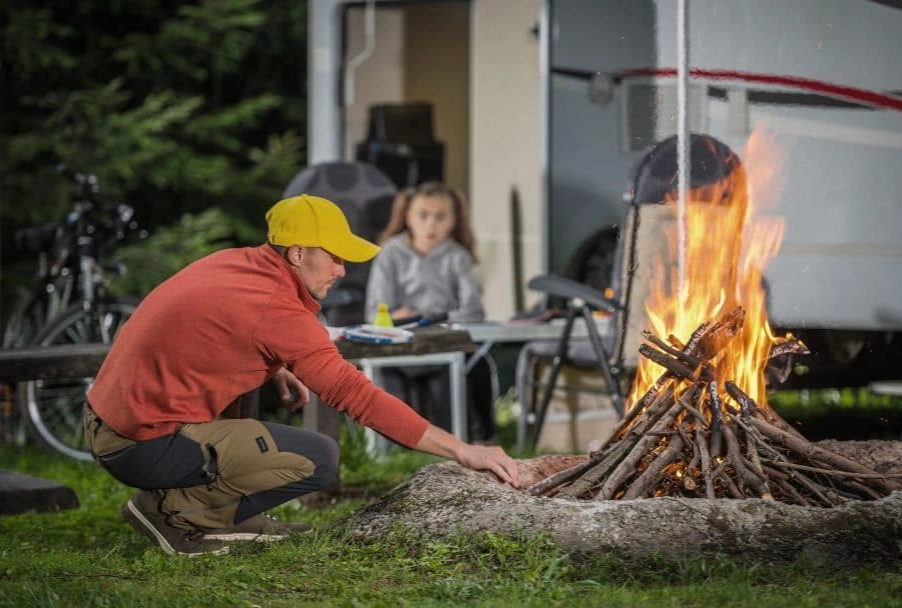
Common Scenarios & Expert Solutions
Let's talk about specific situations that throw people off.
Scenario: It's Windy. Your fire is spitting embers over the ring.
Solution: If gusts are consistent, put the fire out. Immediately. If it's a light, steady breeze, build a windbreak with logs or your gear on the windward side, but keep it far enough away not to catch. Keep the fire extra small. Have your water bucket in hand, literally.
Scenario: The Ground is Peaty or Very Dry.
Solution: This is a major wildfire risk. The fire can burn underground along root systems. You must use an established fire ring on a mineral soil base or a raised fire pan. In high-risk areas, consider a portable gas stove instead. It's not the same, but it's safe.
Scenario: Kids or Pets Are Around.
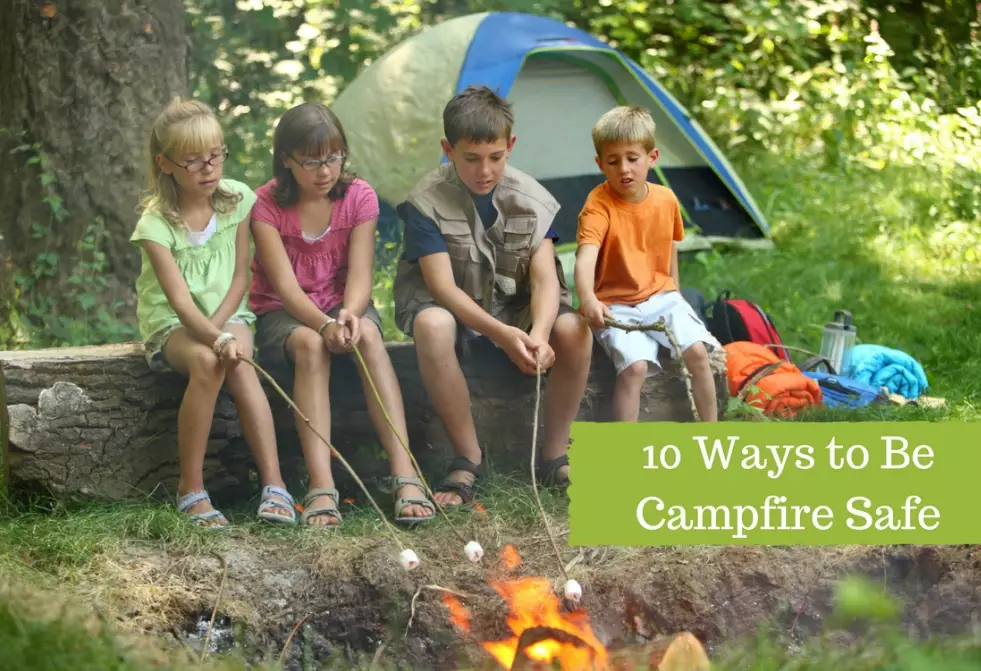
Solution: Establish a "kid/pet line"—a circle of rocks 3-4 feet from the fire ring that they are not allowed to cross. Supervise constantly. Teach them the back of the hand test (on a cool fire, of course) so they understand heat radiates.
Your Burning Questions Answered
 Is it safe to leave a campfire burning overnight?
 Look, a campfire is a privilege. It's a powerful tool that, when respected, creates some of our best memories. When disrespected, it destroys forests, homes, and lives. The difference isn't luck. It's knowledge and a bit of humble caution. Pack that in your bag next to the marshmallows.