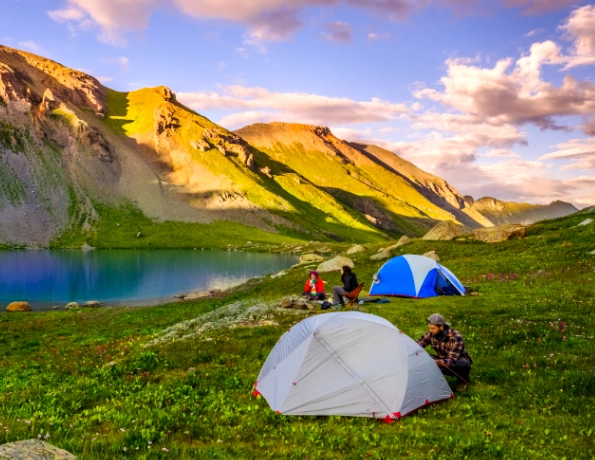
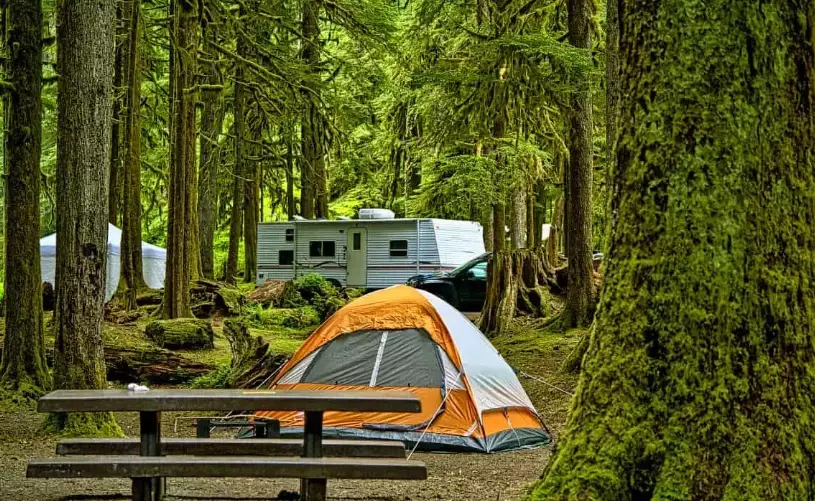
Let's be honest. When you think about camping in Colorado, you picture epic sunsets over jagged peaks, crystal-clear alpine lakes, and nights under a blanket of stars so thick it feels like you could reach out and grab one. And you're right. That's exactly what you can get. But after a decade of chasing those perfect Colorado campsites—from the packed-out spots near Aspen to the silent, wind-whipped plateaus of the San Juans—I've learned that the difference between a good trip and a legendary one often comes down to the details everyone else glosses over.
It's not just about picking a pretty spot on a map. Camping here is a negotiation with altitude, mercurial mountain weather, and, increasingly, a lot of other people who had the same brilliant idea. This guide skips the fluff. We're going straight to the actionable intel: where to actually find a site (including last-minute strategies), the one piece of gear most people forget that ruins their sleep at 10,000 feet, and how to read a Colorado weather forecast like a local.
Your Colorado Camping Roadmap
How to Choose the Perfect Colorado Campground
Colorado's camping scene splits into three worlds: the iconic, reservation-booked national park sites; the sprawling, first-come-first-served national forest gems; and the dispersed, find-your-own-adventure backcountry. Your choice dictates your entire experience.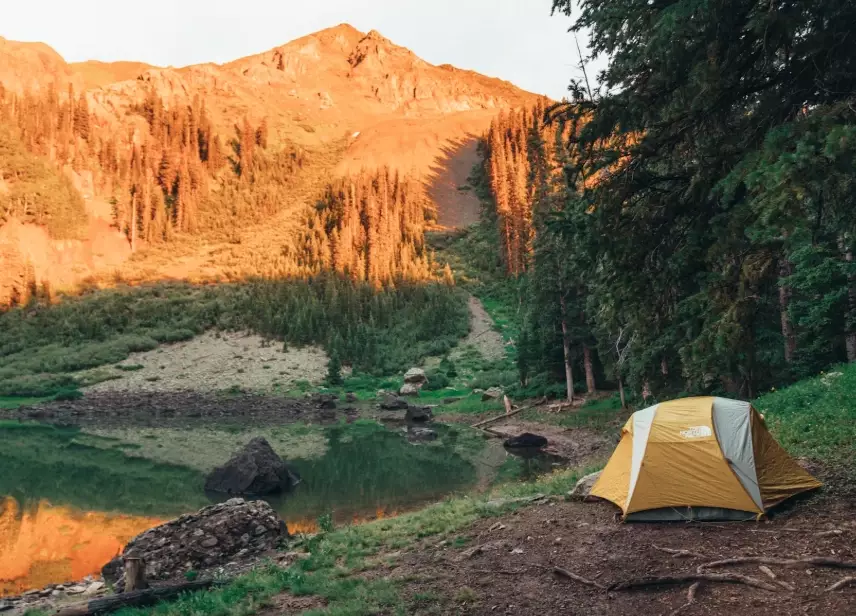
Most beginners aim straight for Rocky Mountain National Park. It's famous for a reason. The views are insane. But here's the non-consensus view: during peak summer, it can feel less like wilderness and more like a scenic parking lot with tents. The campgrounds like Moraine Park or Glacier Basin are incredibly convenient—flush toilets, potable water—but you need to book exactly 6 months in advance on Recreation.gov at 8 AM MT. Miss that window, and you're out of luck.
My personal preference leans toward National Forests. They surround the parks and offer more space, more solitude, and often, more stunning views because you're not sharing them with a hundred neighbors. The White River National Forest near Aspen, the San Isabel near Buena Vista, and the Gunnison near Crested Butte are goldmines. The catch? Most are first-come, first-served. This leads to the classic Colorado weekend ritual: driving forest roads on a Friday afternoon, hoping to spot someone packing up.
Pro Tip for Snagging a First-Come, First-Served Site: Don't aim for Friday after 3 PM. Aim for Thursday, or even mid-week. If you must go Friday, have a backup plan (like two different campgrounds in mind) and be prepared to set up camp late. I've had better luck arriving at 1 PM on a Friday than at 10 AM, oddly enough—the morning crew hasn't left yet, but the lunchtime pack-up is just starting.
To make your choice easier, here’s a breakdown of some top-tier options across the state, balancing accessibility and that “wow” factor.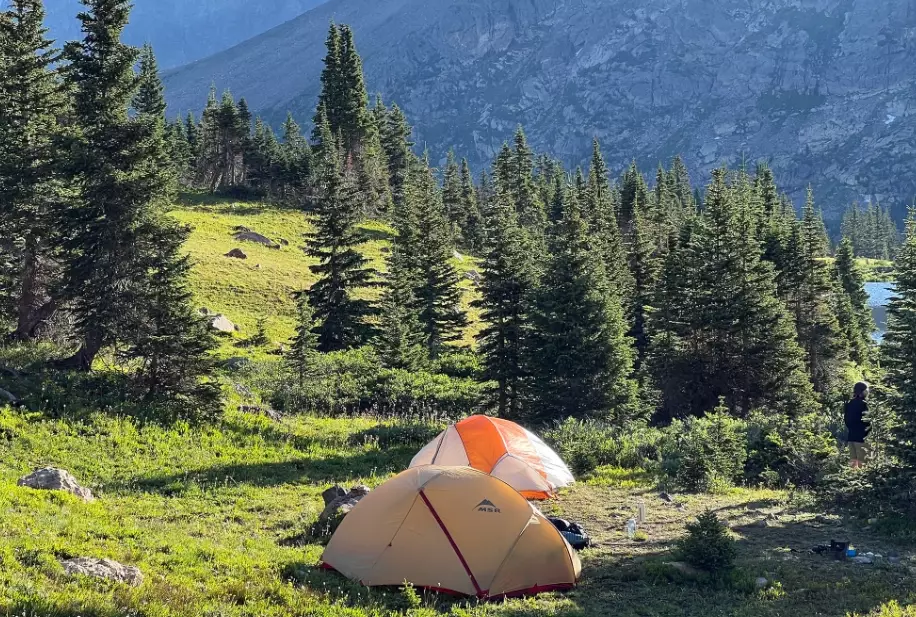
| Campground (Area) | Type & Reservation | Vibe & Best For | Key Need-to-Know |
|---|---|---|---|
| Moraine Park (Rocky Mountain NP) | Developed, Reservation (Rec.gov) | Families, first-timers, easy access to iconic trails. | Book exactly 6 months out. No showers. Elk frequently wander through camp. |
| Oh Be Joyful (near Crested Butte) | Primitive, First-Come-First-Served (USFS) | Adventurers, anglers, stunning wildflower displays in July. | Rough road access (high-clearance helpful). Right along the Slate River. Absolutely magical. |
| Rainbow Lakes (near Nederland) | Primitive, First-Come-First-Served (USFS) | Budget travelers, peace and quiet, alpine lake access. | Small sites, fill fast. A short hike leads to several small, beautiful lakes. Altitude ~10,000 ft. |
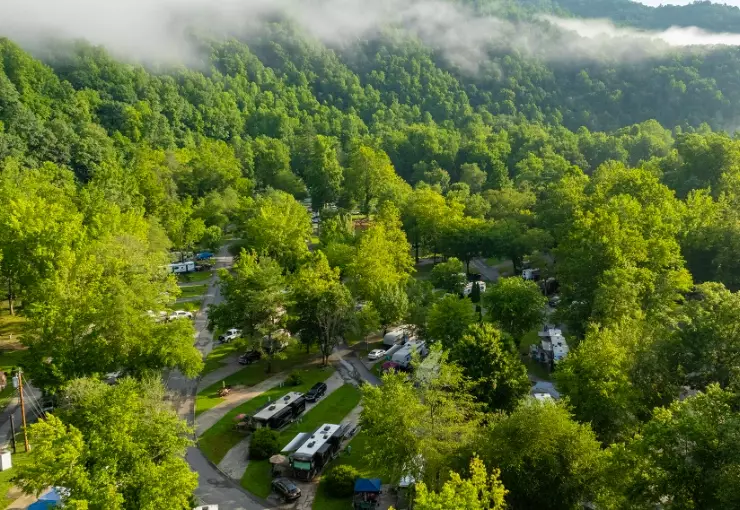
| Molas Lake (Silverton) | Developed, Reservations Accepted | RV/tent mix, insane San Juan Mountain views, base for hiking. | Privately operated. Takes reservations which is rare in the area. Often has last-minute spots. |
| Dispersed Camping (San Juan NF) | Backcountry, Free (Follow LNT) | Experienced campers seeking total solitude. | No facilities. Must pack out ALL waste. Find spots off designated forest roads (e.g., Alpine Loop). |
Gear Up for Altitude: The Non-Negotiables
You can't just take your Midwest camping kit and expect it to work here. Altitude changes everything. At 9,000 feet, the sun is brutal, the nights are shockingly cold even in July, and the air is thin. I've seen too many people miserable because they overlooked these specifics.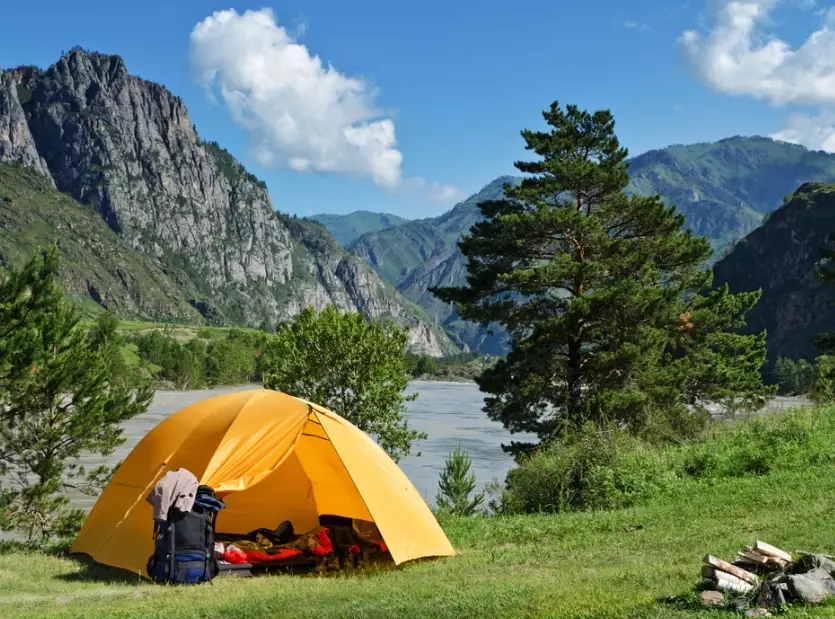
Sleep System: It's All About the Pad, Not Just the Bag
Everyone worries about their sleeping bag rating. Bring a 20°F bag for summer, maybe a 0°F for early fall. That's standard. The real secret? Your sleeping pad's R-value. The ground is a giant heat sink. An inflatable pad with an R-value of 2 will leave you shivering. For Colorado camping above 8,000 feet, aim for a pad with an R-value of 4 or higher. It's the difference between sleeping and surviving the night. I learned this the hard way near Telluride, spending a night so cold I wore every piece of clothing I had.
The Sun and Hydration Duo
At high altitude, UV radiation increases roughly 5% every 1,000 feet. You'll burn in 20 minutes. A wide-brimmed hat, sunglasses, and mineral-based sunscreen are not suggestions—they are mandatory equipment. Pair that with relentless hydration. The dry air sucks moisture from you without you noticing. Carry more water than you think you need, and bring electrolytes. A pounding headache at camp is more likely to be mild altitude sickness exacerbated by dehydration than anything else.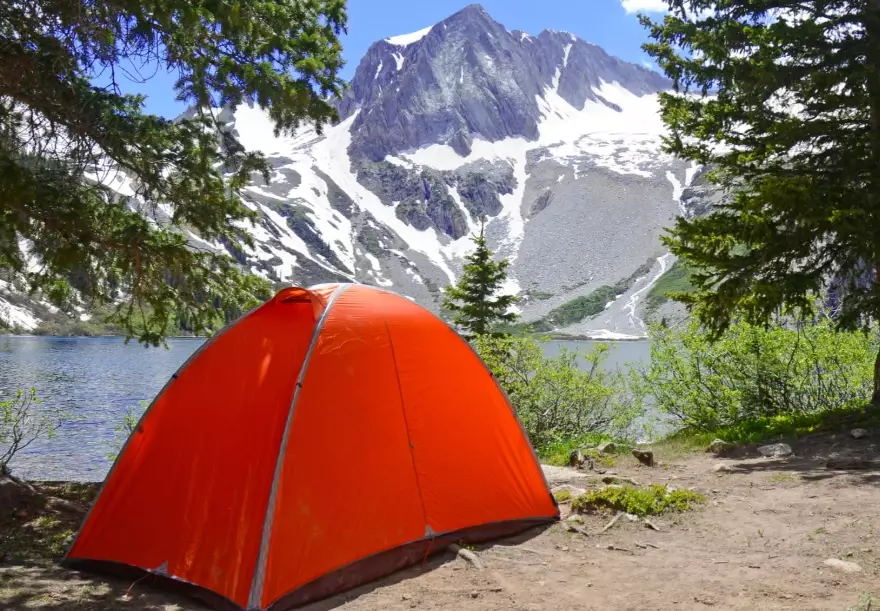
Shelter from the Afternoon Drama
Colorado mountain weather has a predictable pattern: gorgeous morning, building clouds around noon, a brief but intense thunderstorm between 2-4 PM, then clearing evenings. Your tent must have a solid rainfly and good ventilation to handle the downpour and prevent condensation. And always, always secure everything before you leave camp for a hike. I've seen unattended canopies launched into the next county by a sudden gust.
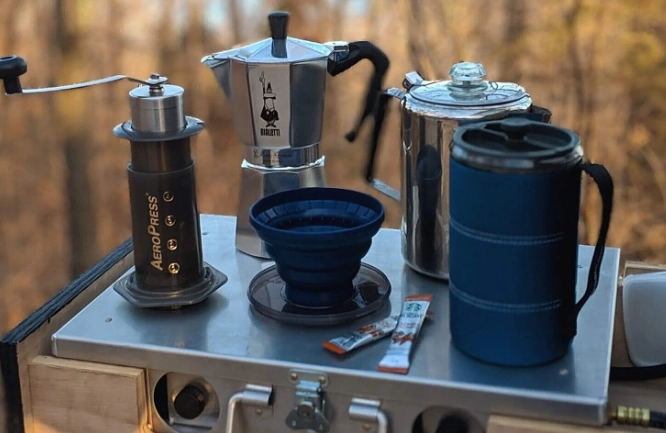
Your packing checklist should highlight: High-R-value sleeping pad, 20°F sleeping bag, rain jacket & pants, warm hat & gloves (even in summer), wide-brim hat, 2+ liters water capacity per person, water filter, bear-resistant food canister (required in many areas), and a reliable stove that works in wind (canister stoves can struggle; consider a white gas option).
Plan & Execute: Booking, Weather, and Etiquette
Okay, you've picked a zone and packed your gear. Now for the operational details.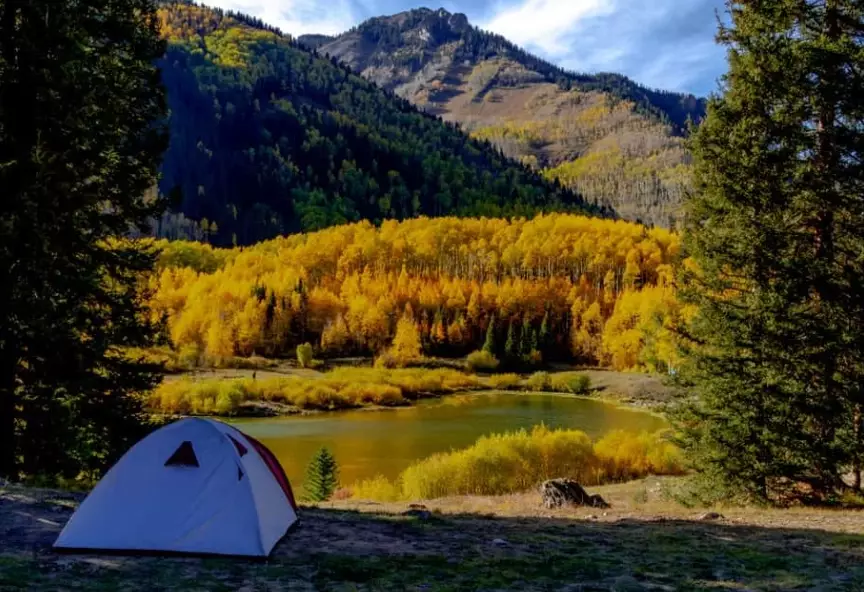
Booking Windows Are a Sport: For federal sites on Recreation.gov, the 6-month rolling window is a hard rule. Set a calendar alert for 7:55 AM MT. Have your account loaded, your payment info ready, and know your exact dates. It's competitive. For state parks, check Colorado Parks and Wildlife—some have different windows.
Reading a Colorado Forecast: Don't just look at the temperature and rain percentage. Look at the wind speed and the freezing level. A forecast for 65°F and 20 mph winds at 11,000 feet means a wind chill in the 40s. If the freezing level drops to 12,000 feet, you could see snow on passes. Websites like Weather.gov (NOAA) provide detailed point forecasts for mountains.
Leave No Trace, Colorado Edition: This is critical. Beyond packing out trash, it means using established fire rings if fires are allowed (check BANS—they are common in dry seasons). It means storing ALL food, trash, and scented items (toothpaste, deodorant) in a bear canister or provided locker. A cool hanging your bag from a tree isn't enough here; Colorado bears are smart. Most importantly, it means respecting the distance between you and wildlife. That bull elk is not a photo op; it's a 700-pound animal that can be dangerous.
One last piece of driving advice: many campgrounds are down long, winding forest service roads. Google Maps times are often optimistic. Add 30-50% more time for travel on dirt roads. And please, for the sake of your transmission and the dust cloud you create, drive slowly.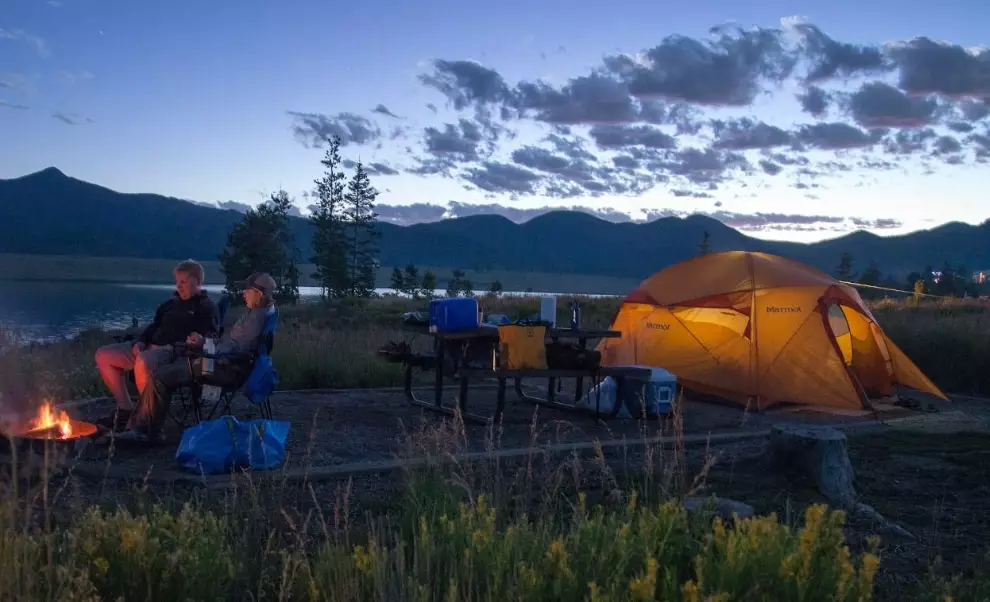
Colorado Camping FAQ: Expert Answers
How can I find a last-minute camping spot in Colorado during peak season?
It's tough, but not impossible. First, pivot your search to mid-week (Tuesday-Thursday). Second, target lesser-known National Forest areas instead of the headline parks. Look at a map: areas west of the Continental Divide or south of the I-70 corridor (like around Salida or the San Luis Valley) see less pressure. Third, use Recreation.gov's "alert" feature for your desired campground—if someone cancels, you get a notification. Finally, have a Plan B: a cluster of 2-3 potential campgrounds so you can pivot if the first is full.
What's the one biggest mistake new campers make at high altitude?
They underestimate how much the altitude will affect their stove's performance and their own energy. Canister stoves lose efficiency as the temperature drops and pressure decreases. Your pasta that usually boils in 8 minutes might take 15, burning through fuel. Plan simpler meals and consider a stove with a pre-heat tube. Personally, you'll get winded faster. Plan shorter hikes for your first day to acclimate. Rushing to a 14,000-foot summit on day one is a recipe for misery.
Are campfires always allowed in Colorado campgrounds?
Absolutely not. This is a huge point of confusion. Fire restrictions change daily based on drought conditions, wind, and fire danger. A campground may have fire rings, but a county-wide fire ban overrules that. Always check current restrictions with the local ranger district office or on COEmergency.com before you go, and again when you arrive. Assume fires are prohibited unless you see explicit, posted permission. In many years, summer bans are the norm, not the exception.
Is dispersed camping really free, and where exactly can I do it?
Yes, it's free on most National Forest and BLM land, but it comes with major responsibility. You can't just pull over anywhere. Look for areas specifically managed for dispersed camping, often indicated by previously disturbed spots off designated forest roads (look for signs saying "Dispered Camping Next X Miles"). A great resource is the Motor Vehicle Use Map (MVUM) for each national forest, available free on the US Forest Service website. It shows exactly which roads are legal for travel and camping. Never camp within 100-200 feet of water sources or trails.