Let's get straight to it. A camping first aid kit is the one piece of gear you hope to never use but absolutely cannot afford to forget. It's not an optional extra tucked beside the marshmallows. It's a fundamental part of your trip planning, as crucial as your tent and sleeping bag. The difference between a minor inconvenience and a trip-ending emergency often comes down to a few ounces of prepared supplies and the knowledge to use them. I've seen too many kits that are just a sad collection of expired aspirin and cartoon bandages. We're going to fix that. This guide will walk you through building a kit that's tailored, practical, and ready for real wilderness scenarios.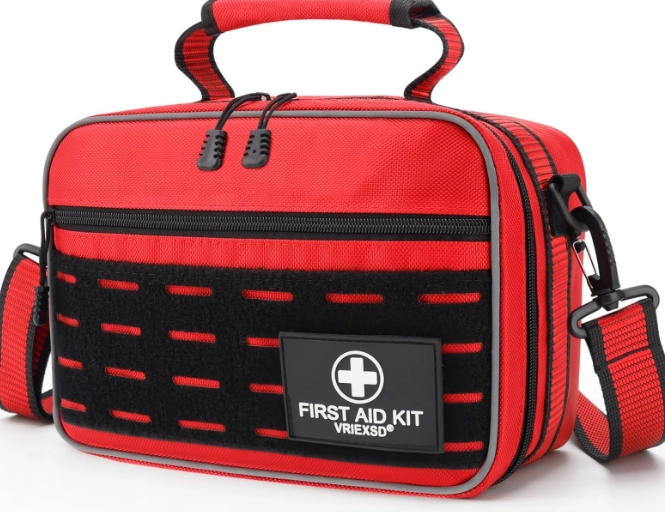
What's Inside This Guide?
- How to Choose the Right First Aid Kit for Your Camping Trip
- What Should Go in Your Camping First Aid Kit? (The Detailed List)
- The Smart Packing Strategy Most People Miss
- How to Use Your Kit: Common Camping Injury Scenarios
- 3 Common First Aid Kit Mistakes (And How to Avoid Them)
- Your Camping First Aid Questions Answered
How to Choose the Right First Aid Kit for Your Camping Trip
You have three main paths: buy a pre-made kit, buy one and customize it, or build your own from scratch. Most campers should start with option two.
Pre-made Kits: They're convenient. Brands like Adventure Medical Kits make solid foundations. But here's the non-consensus bit: most store-bought kits are heavy on adhesive bandages and light on trauma supplies. They're designed for liability, not for the specific realities of a twisted ankle two miles from the trailhead or a deep cut from a camp knife. Always plan to add to them.
Building Your Own: This is the gold standard for experienced backpackers or families with specific needs. You control every item and its quality. It's more work upfront, but you end up with exactly what you need, no filler.
Your choice hinges on two things: group size and trip type. A solo weekend car camper needs less than a family of four on a week-long backcountry trek. Distance from help is the key multiplier. The further you are from a road, the more robust and comprehensive your kit needs to be.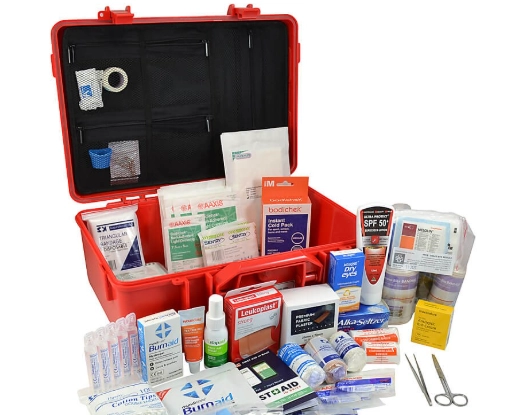
What Should Go in Your Camping First Aid Kit? (The Detailed List)
This is the core. Forget the tiny tin from the pharmacy. Think in terms of problem-solving. The following table breaks down the essentials by category and purpose. Consider this your master shopping list.
| Category | Specific Items | Why It's Essential |
|---|---|---|
| Wound Care & Bleeding | Assorted adhesive bandages, Sterile gauze pads (4x4 inch), Roller gauze (self-adhering like Coban), Medical tape, Trauma pad or ABD pad, Tweezers (sharp, splinter-specific), Antiseptic wipes (benzalkonium chloride preferred over alcohol for less sting), Antibiotic ointment packets | Small cuts, blisters, and scrapes are the most common camping injuries. Sterile gauze and a trauma pad are for serious bleeding—roller gauze holds it all in place without sticking to the wound. |
| Pain, Meds & Bites | Pain reliever (Ibuprofen & Acetaminophen), Antihistamine (Diphenhydramine/Benadryl & a non-drowsy like Loratadine), Anti-diarrheal (Loperamide), Electrolyte packets, Hydrocortisone cream 1%, After-bite/sting relief, Personal prescription meds (EPI-pen, inhaler, etc.) | Ibuprofen reduces inflammation from sprains. Two antihistamine types cover mild allergies and severe reactions. Dehydration from stomach bugs is a real risk—electrolytes are a game-changer. |
| Tools & Extras | Blunt-tip scissors, Safety pins, Nitrile gloves (2-3 pairs), CPR face shield/keychain, Emergency blanket, Small notepad & waterproof pen, Headlamp (not in kit, but always accessible), First aid manual/guide | Scissors cut clothing and tape. Gloves protect you and the victim. The emergency blanket treats for shock. The notepad is for tracking symptoms or leaving a note if you go for help. |
| Blisters & Support | Moleskin or specialized blister pads (like Compeed), Athletic tape, SAM Splint (for longer/remote trips), Triangular bandage | A blister can ruin a hike. Moleskin is preventative and curative. A SAM Splint is moldable to stabilize sprains, breaks, or a busted tent pole. |
See the emphasis on bleeding control and medication variety? That's what separates a pro kit from an amateur one. I once watched a friend's face swell up from a bee sting because they only had basic painkillers. We had to hike out fast. Now, I carry two types of antihistamine, always.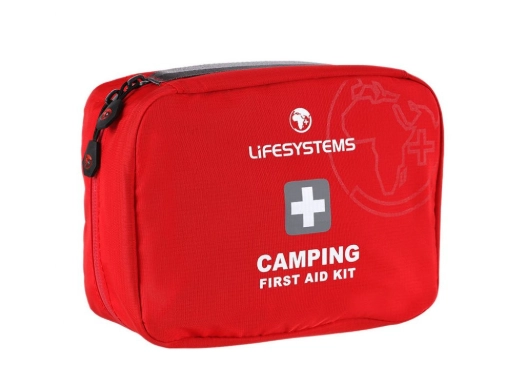
Personalize This: Add items for your known risks. Hiking in tick country? Add a tick removal tool. Prone to heartburn? Pack those tablets. Camping with kids? Double the bandages and add children's doses of meds (consult your pediatrician).
The Smart Packing Strategy Most People Miss
Throwing everything into a Ziploc bag creates a black hole of desperation when you're stressed. Organization is a form of first aid.
I use a modular system inside a durable, waterproof pouch (like those from Sea to Summit):
- Module 1 (Critical): Bleeding control (gauze, trauma pad, tourniquet), gloves, CPR shield. This is in a bright red pouch. In an emergency, I can yell "Grab the red bag!" and the most vital tools are right there.
- Module 2 (Common): Bandages, blister care, antiseptics, tape. This gets used the most.
- Module 3 (Medications): All pills and creams, clearly labeled with name and dosage. Kept dry and together.
- Module 4 (Tools & Extras): Scissors, tweezers, safety pins, notepad, emergency blanket.
This system lets you treat a problem without dumping your entire kit onto the muddy ground. It also makes inventory checks a breeze. Which brings me to the next point...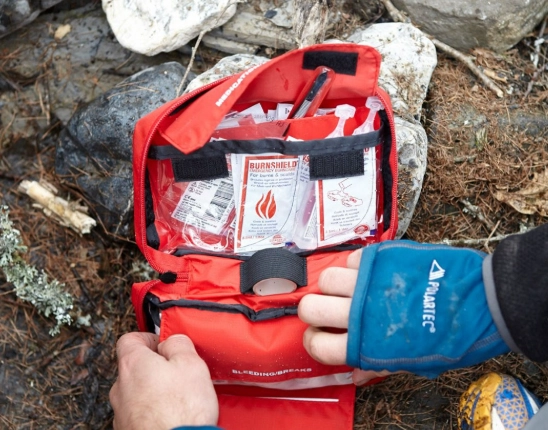
How to Use Your Kit: Common Camping Injury Scenarios
Having the stuff is only half the battle. Knowing what to do is the other.
Scenario 1: The Deep Cut from a Knife or Fall
Panic is the first enemy. Put on your gloves. Apply direct pressure with a sterile trauma pad or gauze. Don't peek for at least 5-7 minutes of steady pressure. If blood soaks through, add more gauze on top—don't remove the soaked layer. Once bleeding slows, clean around (not inside) the wound with an antiseptic wipe, apply antibiotic ointment, and cover with a fresh sterile pad secured with roller gauze. This is where your organization pays off—you're grabbing your "critical" module without fumbling.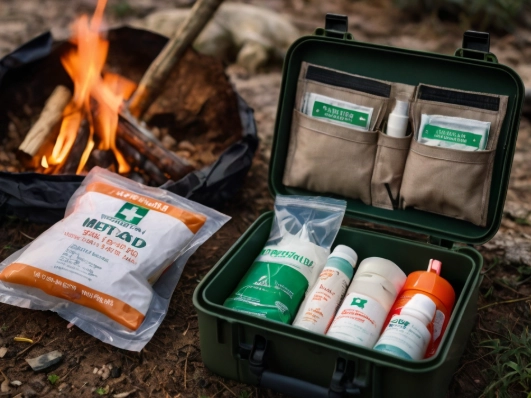
Scenario 2: The Twisted Ankle
RICE: Rest, Ice (use a cold stream water bottle or snow wrapped in cloth), Compression (that athletic tape or elastic bandage), Elevation. Ibuprofen from your meds module helps with pain and swelling. Can they put weight on it? If not, and you're far out, that SAM Splint is worth its weight in gold for stabilization during the hike out.
Scenario 3: Allergic Reaction to a Bee Sting or Plant
Itchy, localized rash? Wash the area, take a non-drowsy antihistamine (Loratadine), and apply hydrocortisone cream. Difficulty breathing, swelling of lips/tongue, or dizziness? This is anaphylaxis. Use the Epi-pen if they have one, administer Benadryl (Diphenhydramine) from your kit, and evacuate immediately. This is why you carry both types of antihistamine and know the difference.
3 Common First Aid Kit Mistakes (And How to Avoid Them)
After a decade of guiding and personal trips, I see the same errors repeatedly.
Mistake 1: The "Set and Forget" Kit. You bought it five years ago, tossed it in your trunk, and never looked. Medications expire. Adhesive loses its stick. Moleskin dries out. Fix: Every season, and before any big trip, do a full inventory. Replace expired items, restock what you've used, and repack neatly.
Mistake 2: No Knowledge to Match the Gear. A tourniquet in an untrained hand is dangerous. Fix: Take a wilderness first aid course. At a minimum, watch reputable videos from sources like the American Red Cross on wound packing and splinting. Practice with your gear at home.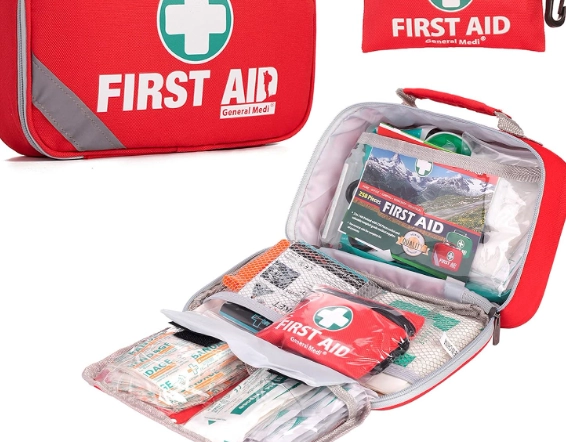
Mistake 3: Burying the Kit. It's at the bottom of your backpack under the sleeping bag and cooking pot. In an emergency, seconds count. Fix: Your first aid kit should be in a top pocket or strapped on the outside of your pack for instant access. Everyone in your group should know where it is.
Your Camping First Aid Questions Answered
Your camping first aid kit is a reflection of your responsibility as an outdoor adventurer. It's not about fearing the worst; it's about respecting the environment and being prepared to handle the predictable bumps along the way. Build it thoughtfully, pack it smartly, and know how to use it. Then go enjoy the fire, the stars, and the peace of mind that comes with being prepared.